Campaign Against Genocide Museum: Kigali’s military history
Inside Rwanda’s parliament building, this museum explains the political and military campaign that brought the 1994 genocide to an end.
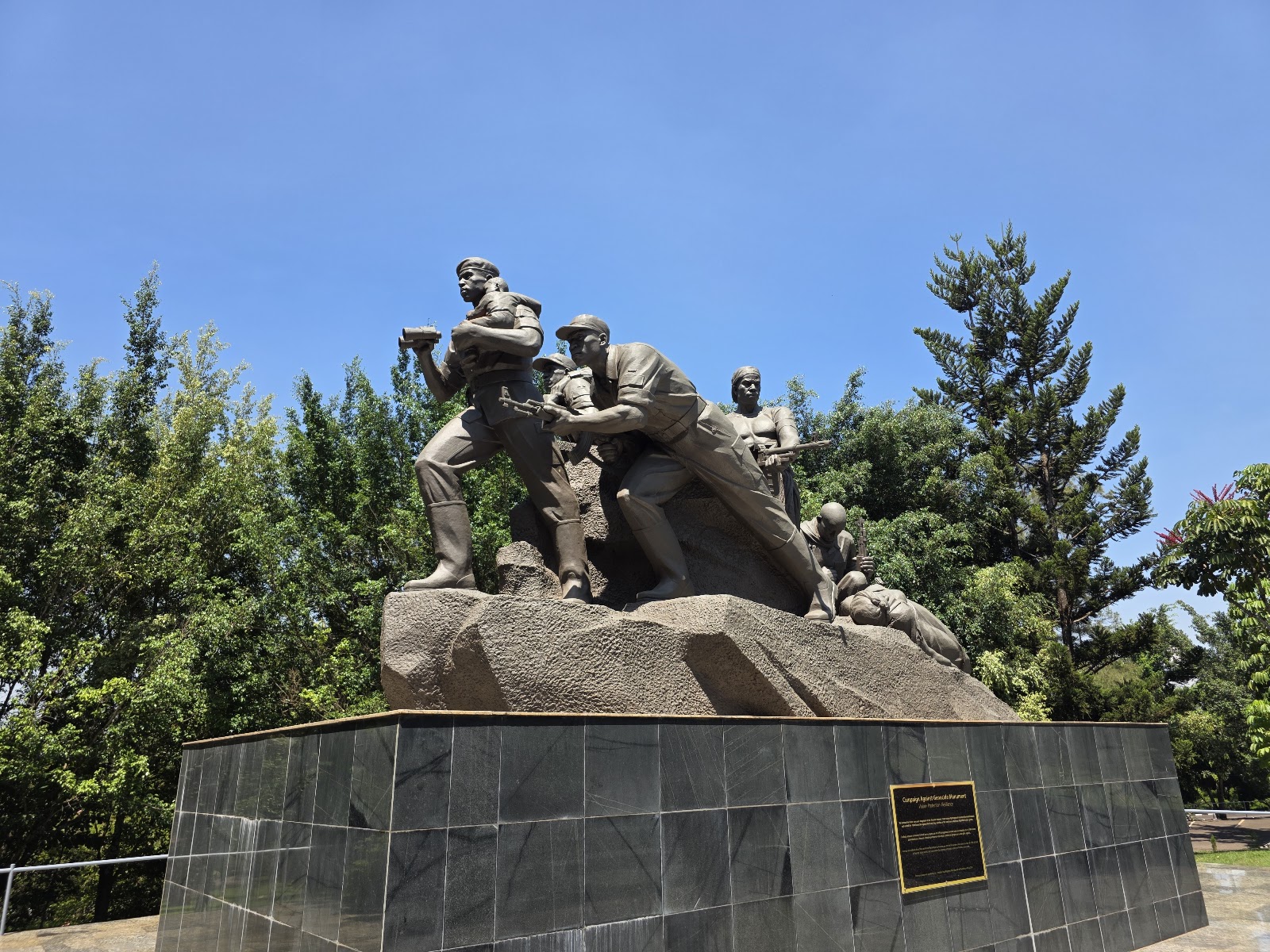
More photos
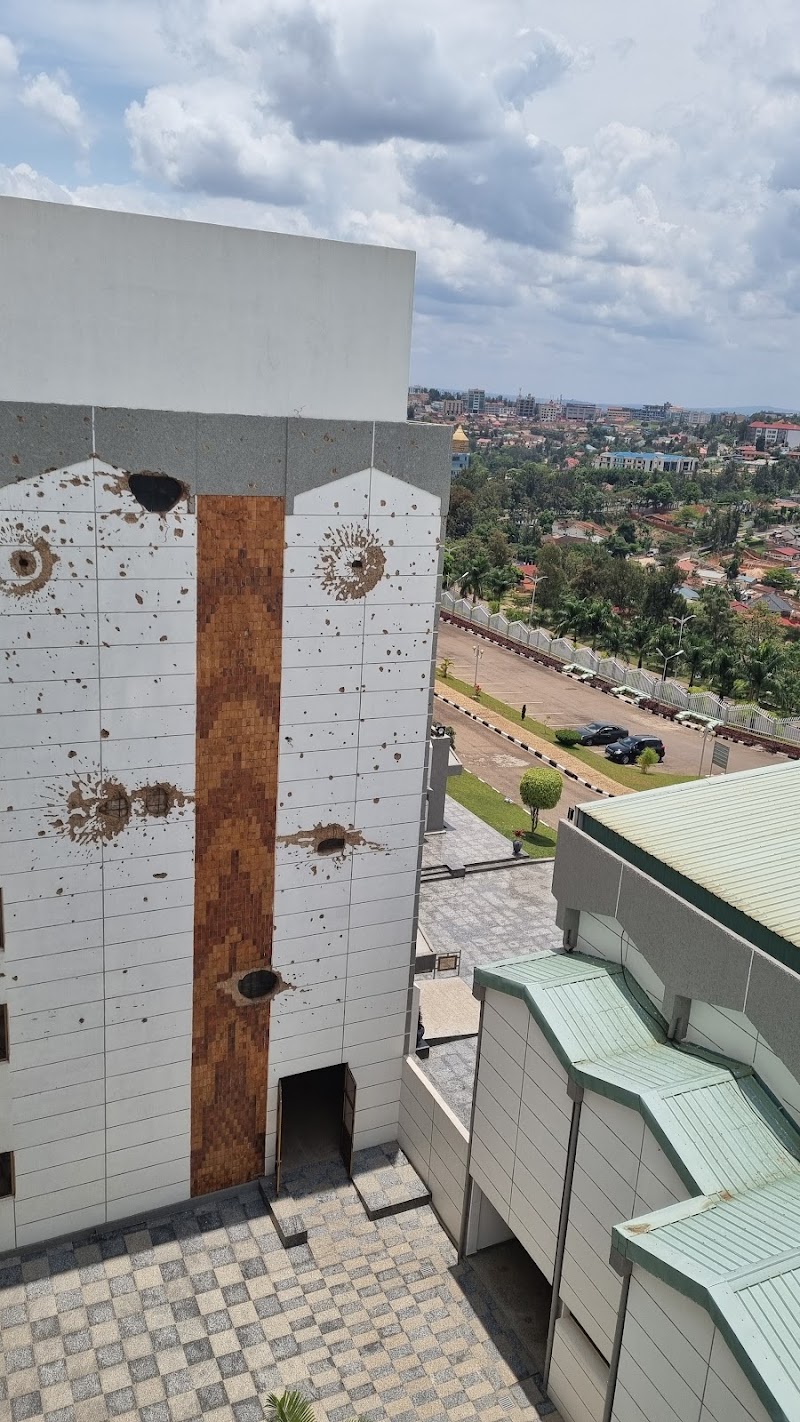
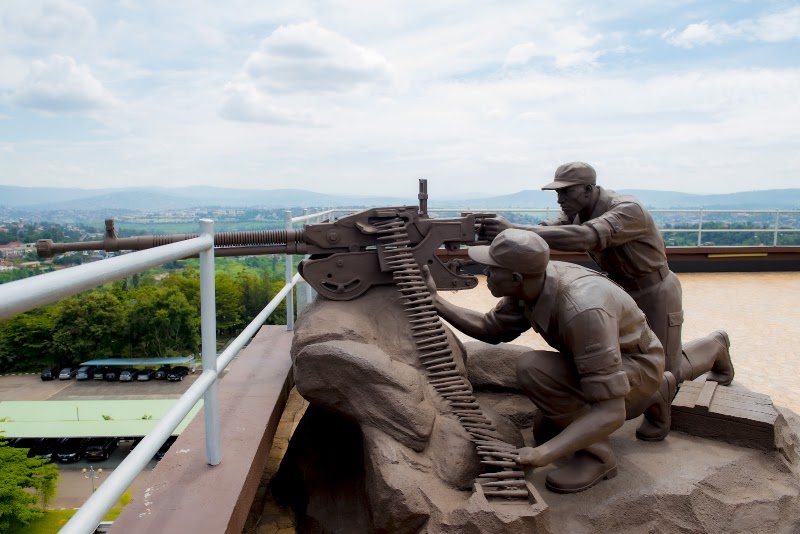
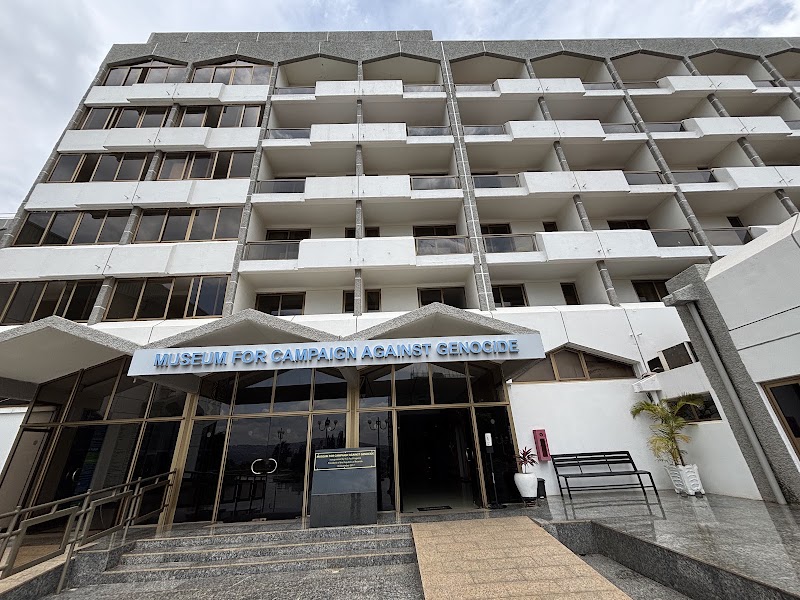
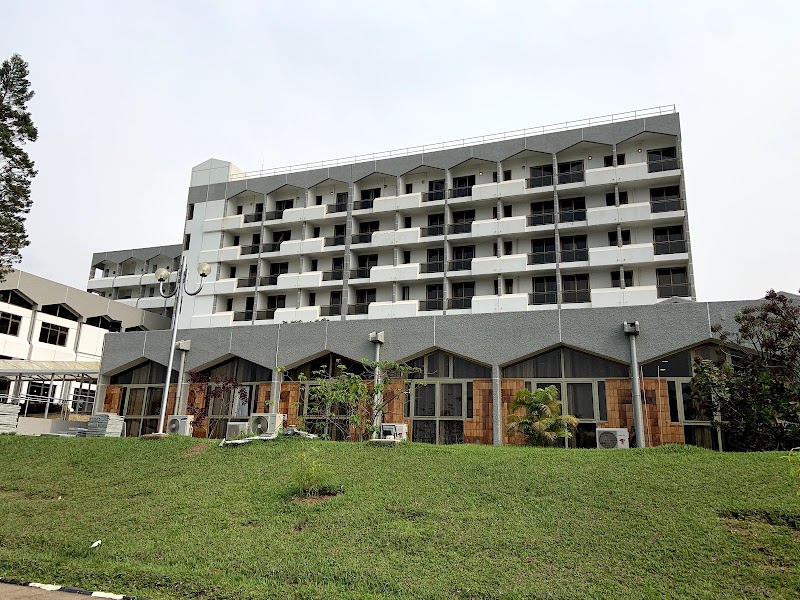
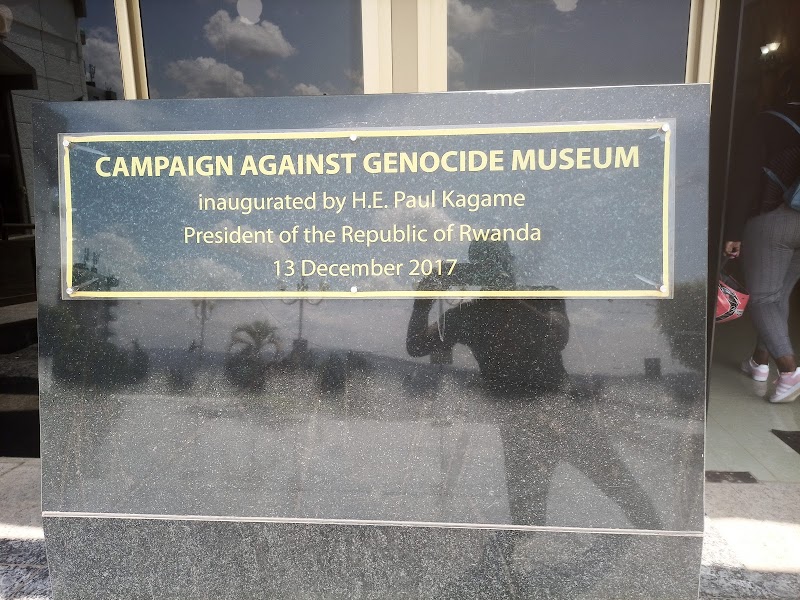

Photos published by travelers on Google, not AI generated.
What stands out
- Political and military context of 1994
- Knowledgeable guided interpretation
- Historic parliament building setting
- Detailed photographs and explanations
- Context on the international response
Worth knowing
- Emotionally demanding subject matter
- Dense political and military detail
Don't miss
What comes up most in public reviews
- Ask a guide about the RPF’s advance
- Examine the historical photographs
- Learn how the building served as a fighting base
- Explore the UN withdrawal and international response
Worth the trip?
Why it matters
The Campaign Against Genocide Museum fills an important gap in Kigali’s historical landscape. While the memorial at Gisozi focuses principally on victims, remembrance and the machinery of genocide, this museum examines the political and military campaign that brought the killing to an end. Public reviews frequently describe the two sites as complementary rather than interchangeable.
With a Google rating of 4.7 from 240 reviews, the museum earns particular praise from travellers seeking a clearer understanding of how events unfolded in 1994. Several reviewers report arriving with questions raised by an earlier memorial visit and leaving with a more complete picture. The experience is repeatedly described as moving, worthwhile and enlightening.
Setting and displays
The museum’s location inside Rwanda’s parliament building gives the displays unusual immediacy. Reviewers note that the building itself served as a fighting base, connecting the interpretation directly with the place where part of the campaign took place. That physical context appears to be one of the museum’s strongest features.
Displays use detailed explanations and photographs to trace the RPF’s advance and the wider political situation. Reviews also highlight the withdrawal of the UN and the failure of the international community to halt the genocide. This makes the museum less a general introduction to the genocide than a focused account of the campaign against it, including the military decisions and political conditions surrounding its conclusion.
The subject is complex and emotionally demanding. Visitors interested only in a quick overview may find the amount of historical and political detail substantial, but those willing to engage closely tend to describe the visit as valuable.
The value of a guide
Guided interpretation is the clearest recurring recommendation across public reviews. Guides are described as knowledgeable, friendly and able to explain difficult aspects of the RPF campaign. More importantly, reviewers appreciated being able to ask genuine or sensitive questions in an appropriate setting rather than relying entirely on display text.
That interaction appears particularly useful for travellers trying to understand the relationship between the genocide, the international response and the military campaign. A longer guided visit may also help clarify chronology and terminology. Reviews suggest that the museum becomes more rewarding as visitors spend time discussing the material rather than moving quickly through the photographs and written explanations.
Who should visit
The museum is best suited to visitors with a serious interest in Rwanda’s recent history, conflict studies, reconciliation or international politics. It is especially valuable after visiting the Gisozi memorial, when questions about how the genocide ended are likely to be fresh.
Public feedback also points to a broader moral dimension. Some visitors leave reflecting on discrimination, racism and Rwanda’s reconciliation process, rather than treating the displays solely as military history. The visit can therefore be intellectually useful and deeply affecting. Together with Kigali’s principal genocide memorial, it provides a fuller account of remembrance, armed resistance and the difficult process of rebuilding Rwanda.
Ask anything
Looking for somewhere else?
Keep exploring around Kigali
More from Rwanda
Rwanda · Kibuye
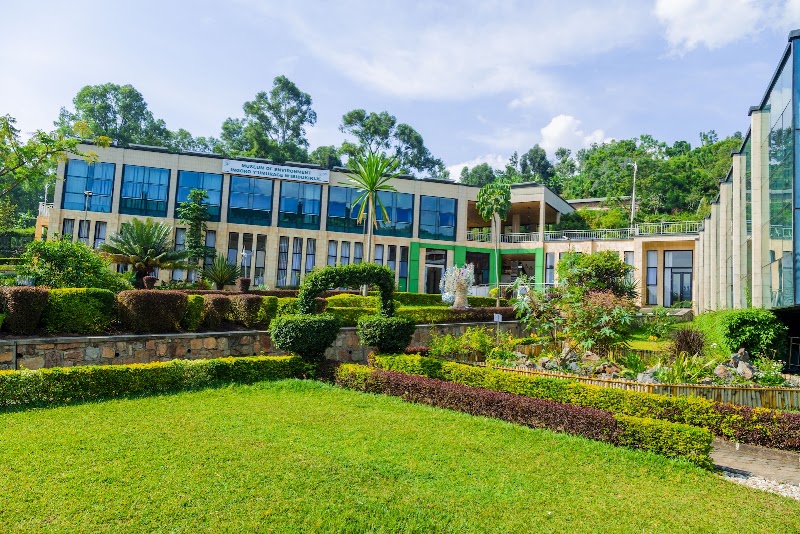
Museum of Environment: Rwanda’s landscape explained
Kibuye’s specialist museum explores Rwanda’s geography, energy production, native plants and environmental future through accessible displays and guided visits.
Rwanda · Kigali
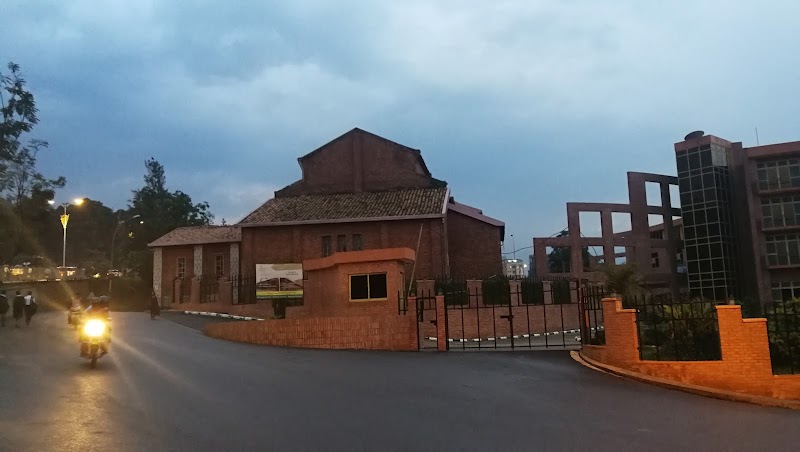
St Famille Church: Historic Catholic Life in Kigali
A large, active Catholic church in Kigali, noted by reviewers for its history, emotional resonance, cleanliness and busy Sunday services.
Rwanda · Kigali
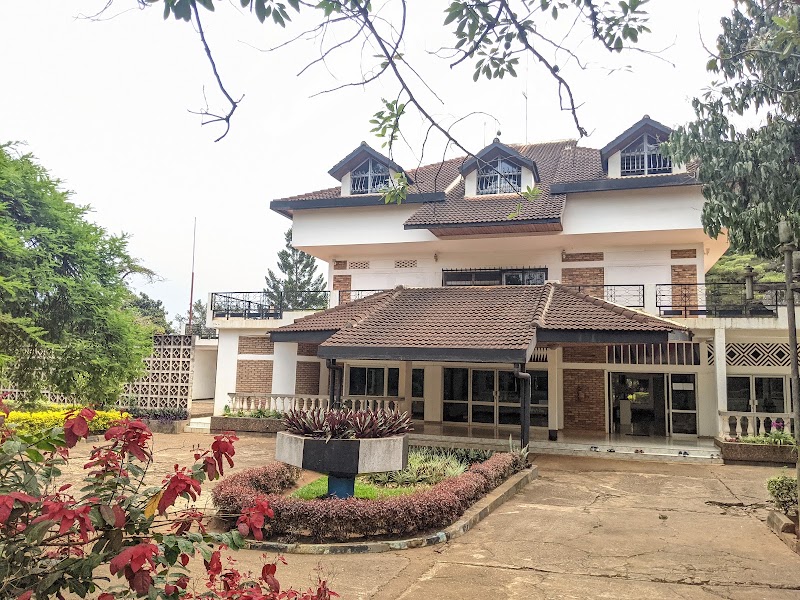
Rwanda Art Museum: Contemporary art meets political history
Set in a former presidential residence, this Kigali museum combines work by local artists with a consequential piece of Rwanda’s past.
Rwanda · Kigali
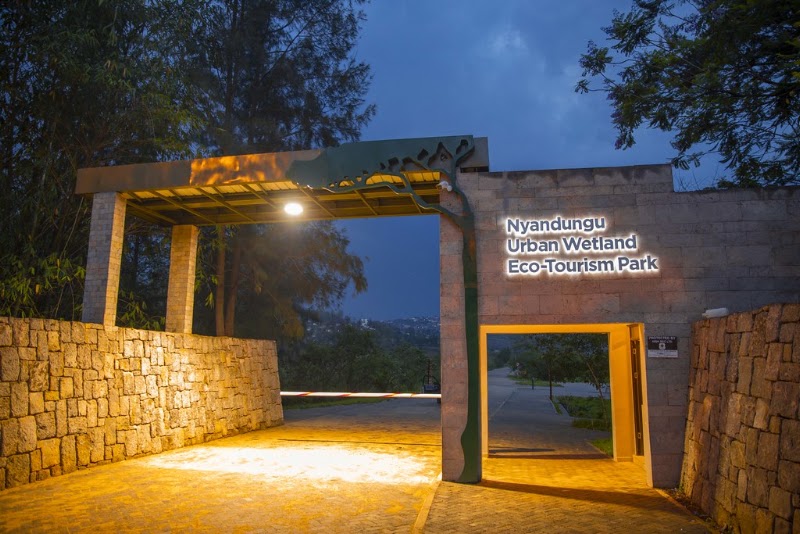
Nyandungu Eco-Park: Quiet Trails and Kigali Hill Views
This landscaped Kigali park suits unhurried walks, cycling and quiet breaks, though some visitors question its scale, biodiversity and entry cost.