Byōdo-in Temple, Uji’s serene Phoenix Hall landmark
Byōdo-in Temple pairs a remarkable pond-side hall with calm gardens, a focused museum and one of Japan’s most recognisable architectural views.
More photos
Photos published by travelers on Google, not AI generated.
What stands out
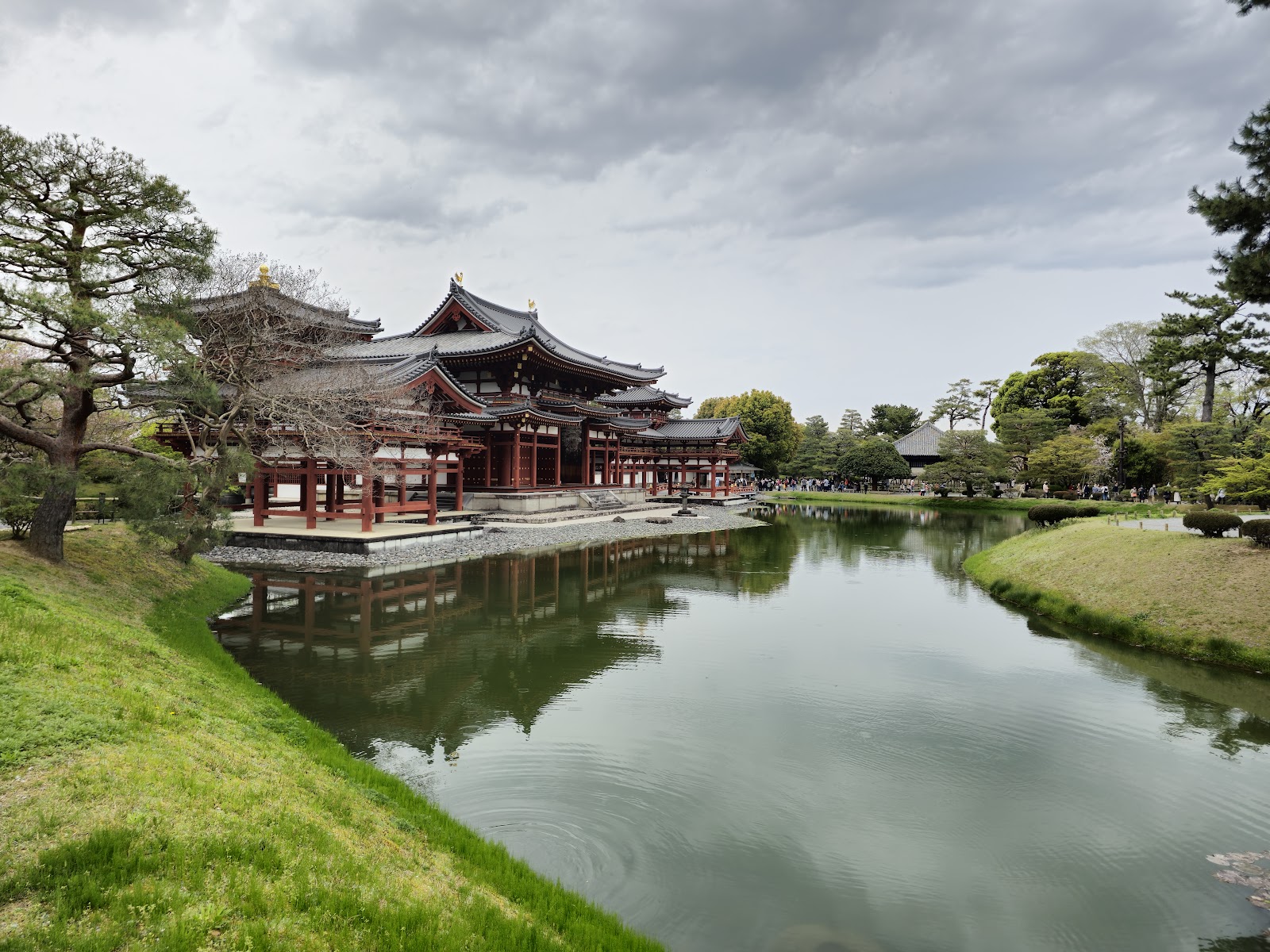
- Phoenix Hall beside the pond
- Serene gardens and landscaped grounds
- Museum with temple art and history
- Architecture shown on Japan’s 10-yen coin
- Matcha shops near the exit
Worth knowing
- An entrance fee applies
- No photography in the museum
Don't miss
What comes up most in public reviews
- See the Phoenix Hall, also called Amida-do
- View its reflection in the pond
- Visit the museum
- Follow signs to Matcha Street
Worth the trip?
Why visit
Byōdo-in Temple is the kind of place that rewards a detour. Public reviews consistently focus on the Phoenix Hall, known as Amida-do, and its elegant position beside the pond. Several visitors describe it as one of Uji’s standout sights, with the building’s reflection adding much of the appeal on a clear day.
The temple is also familiar to many travellers before they arrive. Its image appears on Japan’s 10-yen coin, giving the visit an immediate point of recognition. That detail is a useful marker, but the architecture carries the experience. Reviewers repeatedly mention the fine woodwork, symmetry and the sense of seeing a structure with a long history rather than simply photographing a famous landmark.
What the visit feels like
The grounds are repeatedly described as peaceful and pleasant to walk through. Gardens and landscaped areas give the visit room to slow down, with the pond providing the central view. The atmosphere is quieter than a busy shopping street, even though Byōdo-in is one of Uji’s most visited attractions.
The museum is a major part of the experience. Reviews praise its minimalist presentation and displays connected with the temple’s art and history. One visitor particularly valued the strict no-photography policy, saying it encouraged closer attention to the objects and surroundings. That rule may frustrate visitors hoping to document every detail, but it also shapes the museum as a place for looking rather than scrolling.
An admission fee applies. Public reviews also indicate that museum access is included with temple entry, though visitors should check current arrangements before travelling because policies can change.
Planning the stop
Byōdo-in suits travellers already spending time in Uji, as well as visitors making a deliberate detour from Kyoto. The reviews suggest that the temple, gardens and museum can form a satisfying half-day outing. It works especially well for people interested in Buddhist architecture, Japanese history, gardens or carefully presented art.
After leaving, visitors can follow signs towards Uji’s matcha-focused shopping area. Reviews mention Matcha Street just beyond the exit, making it an easy addition to the same stop. The nearby setting also gives the visit a natural transition from temple grounds to local food and shops without requiring a separate excursion.
Editor’s verdict
The public rating is 4.5 from 22,829 Google reviews, and the sample feedback is notably consistent. Visitors praise the Phoenix Hall, the gardens, the museum and the calm pace of the grounds. The main practical limitation is the entrance fee, while the museum’s no-photography policy requires visitors to put cameras away.
For a first visit to Uji, Byōdo-in is a strong choice. The Phoenix Hall delivers the memorable view, but the museum and landscaped grounds stop the experience from feeling like a quick photo stop. A clear day is especially appealing for the pond reflection. Allow enough time to walk, look closely and continue towards Uji’s matcha shops afterwards.
Plan the rest of the trip
Ask anything
Looking for somewhere else?
Keep exploring around Uji
More from Japan
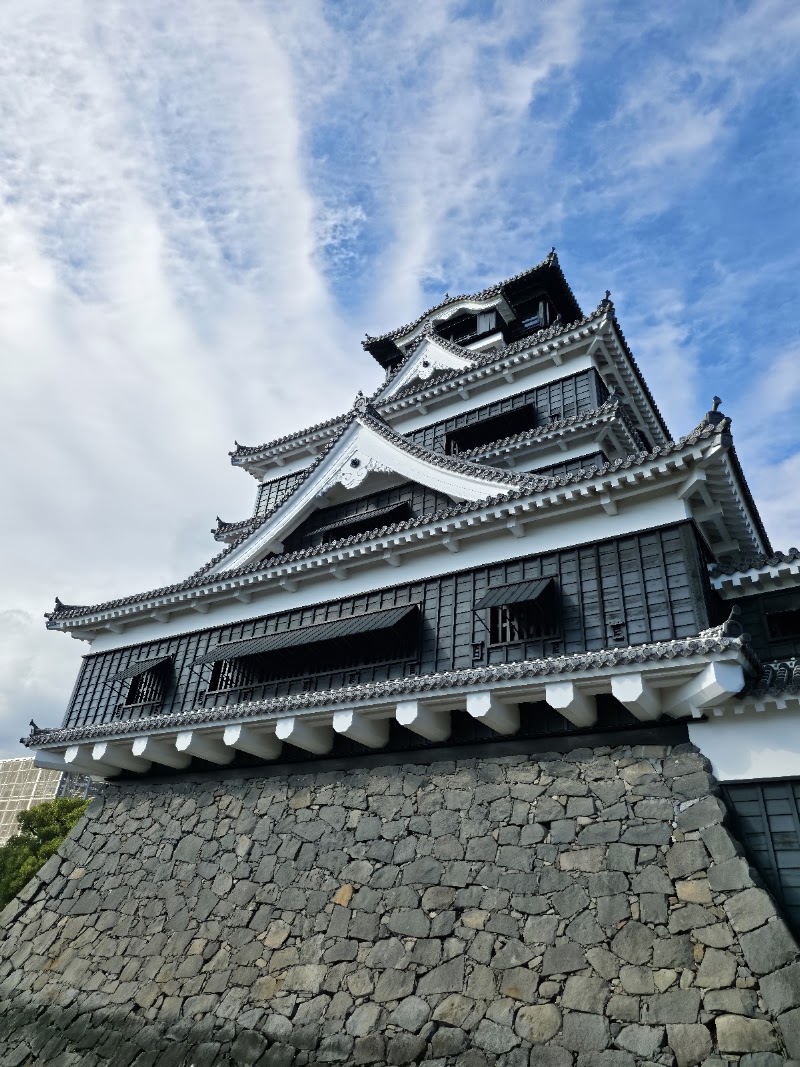
Japan · Kumamoto
Kumamoto Castle: A Powerful Reconstruction and History Stop
Public reviews describe Kumamoto Castle as an impressive, accessible landmark with strong exhibits, commanding views and visible earthquake-recovery work.

Japan · Matsumoto
Matsumoto Castle: A Striking Landmark with a Demanding Climb
Matsumoto Castle rewards visitors with dramatic architecture, calm grounds and excellent upper-level views, though its steep wooden stairs require care.

Japan · Setagaya City
Arigato Travel: Japan Food Tours Led by Local Stories
Public reviews praise Arigato Travel’s food tours for knowledgeable guides, generous tastings and a strong sense of place across Tokyo, Kyoto and Osaka.

Japan · Kyoto
Senbon Torii: Kyoto’s Atmospheric Mountain Shrine Walk
Public reviews consistently praise the vermilion torii tunnels, early-morning calm and rewarding climb up Mount Inari.