Butrint blends ancient ruins with a striking landscape
Layered ruins, woodland shade and expansive sea views make Butrint one of Albania’s most rewarding cultural stops.

More photos


Photos published by travelers on Google, not AI generated.
What stands out
- Hellenistic, Roman and Venetian ruins
- Ancient theatre and mosaic floors
- Shaded woodland walking route
- Sea views from the castle area
Worth knowing
- Parking experiences are mixed
- Route includes inclines and steps
- Summer heat can still be uncomfortable
Don't miss
What comes up most in public reviews
- Ancient theatre
- Original mosaic floors
- Baptistery
- Castle and sea views
- A guided historical tour
Worth the trip?
Why Butrint stands out
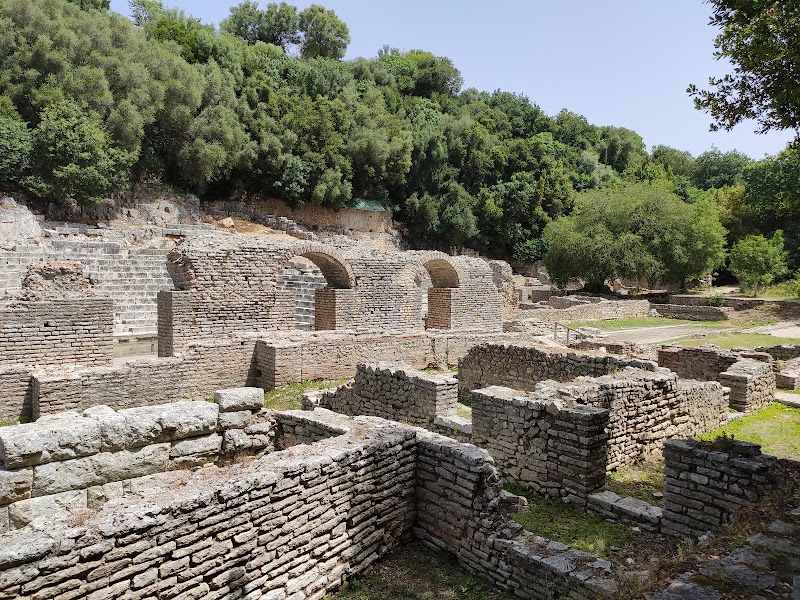
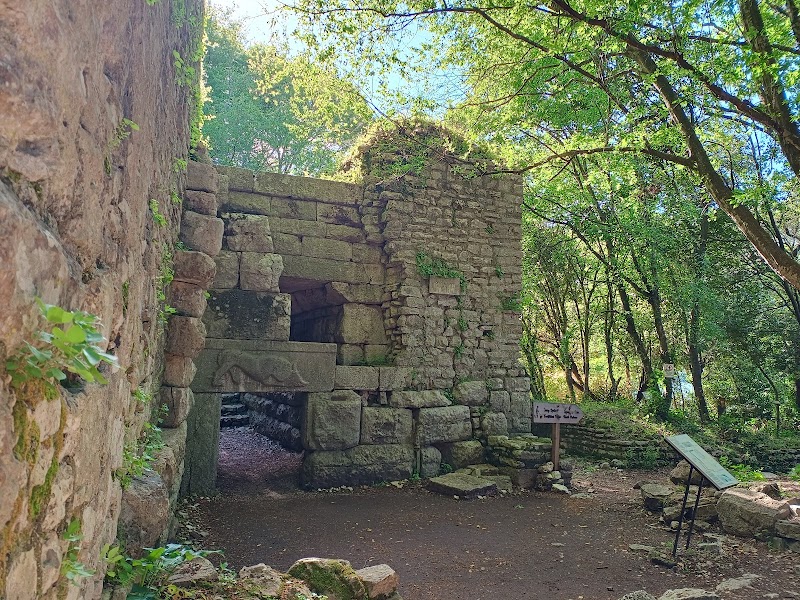
Butrint National Archaeological Park holds a 4.6 Google rating from 14374 reviews, reflecting strong public enthusiasm for both its archaeology and its setting. Reviewers describe a substantial ancient city rather than a quick roadside ruin, with remains from Hellenistic, Roman and Venetian periods spread through a lush, shaded landscape.
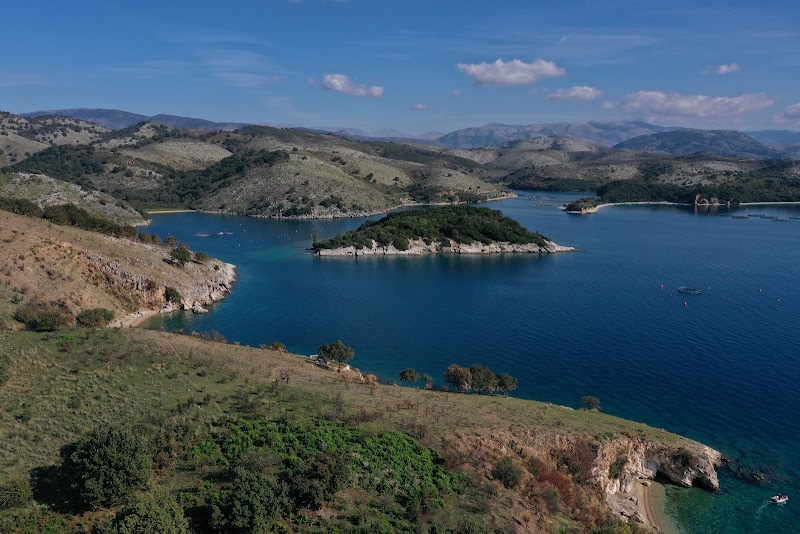
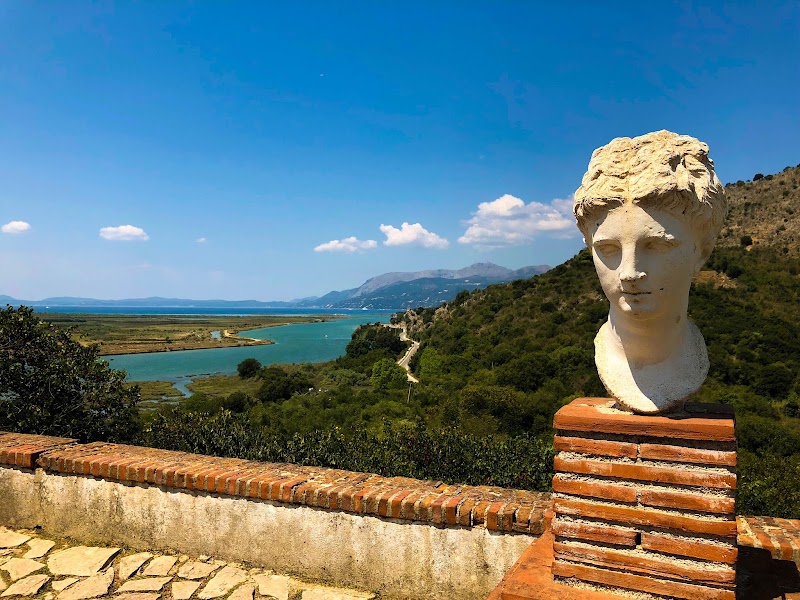
The combination is central to its appeal. Visitors repeatedly mention woodland paths, cooling tree cover and views across the surrounding water. That scenery gives the site a broader character than a conventional museum visit. It is part historical landmark, part walking route and part scenic park, with enough variety to occupy a relaxed morning or afternoon.
Ruins and views along the route
The ancient theatre, mosaic floors and baptistery are among the features most often singled out. Reviewers also mention Roman remains and later Venetian structures, illustrating how different periods overlap across the site. The mosaics appear to be a particular highlight when visible, while the theatre provides one of the clearest impressions of the former city.
A castle comes near the latter part of the route and requires a few steps, according to visitor reports. Some find the castle less distinctive than the ancient ruins, but the elevated sea views receive consistent praise. Together, the forest, stonework and water create the picturesque atmosphere that runs through many reviews.
Walking and interpretation
Reports suggest that the route is manageable for most reasonably mobile visitors. One reviewer estimated a walk of about five kilometres, while others described it as well signposted and not especially tiring. There are still inclines, descents and steps, so it should not be treated as a completely level stroll.
The extensive shade is a major advantage, particularly in summer. Even so, reviewers caution that the experience is better when the weather is not scorching. Comfortable walking shoes and enough time to pause at the principal ruins should make the circuit more rewarding.
Several visitors strongly recommend a guided tour. Without interpretation, some felt they were simply moving between ruins without fully understanding how the site connects to Albanian history and culture. A guide is therefore especially worthwhile for travellers interested in chronology, architecture and the relationship between the Hellenistic, Roman and Venetian remains.
Timing and practical considerations
Early arrival is the clearest recurring strategy. One review recommends entering when the park opens to get ahead of tour buses arriving from Ksamil later in the morning. Another visitor found the site quiet in mid-afternoon, but summer heat makes that timing less dependable despite the heavy shade.
Parking experiences are mixed. One reviewer reported free parking, while another found parking difficult and uncertain. Drivers should allow extra time rather than assuming arrival will be seamless.
Overall, Butrint works best as a half-day cultural outing. Its layered archaeology, woodland setting and sea views justify the journey, while a guided visit can turn an attractive walk through ruins into a much clearer account of the site’s long history.
Ask anything
Looking for somewhere else?
Keep exploring around Butrint
More from Albania
Albania
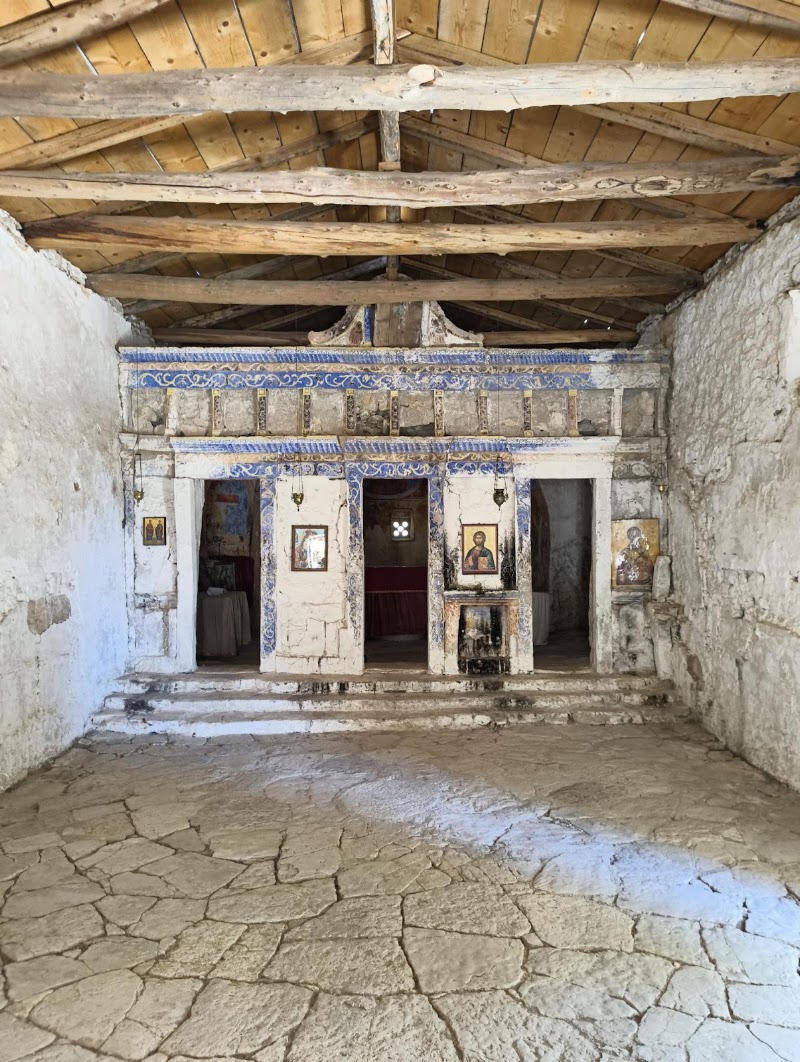
Himara Old Town: Castle Ruins and Sweeping Coastal Views
Above modern Himarë, this inhabited old village combines weathered fortifications, historic churches, mountain scenery and broad views of the coast.
Albania · Gjirokastër
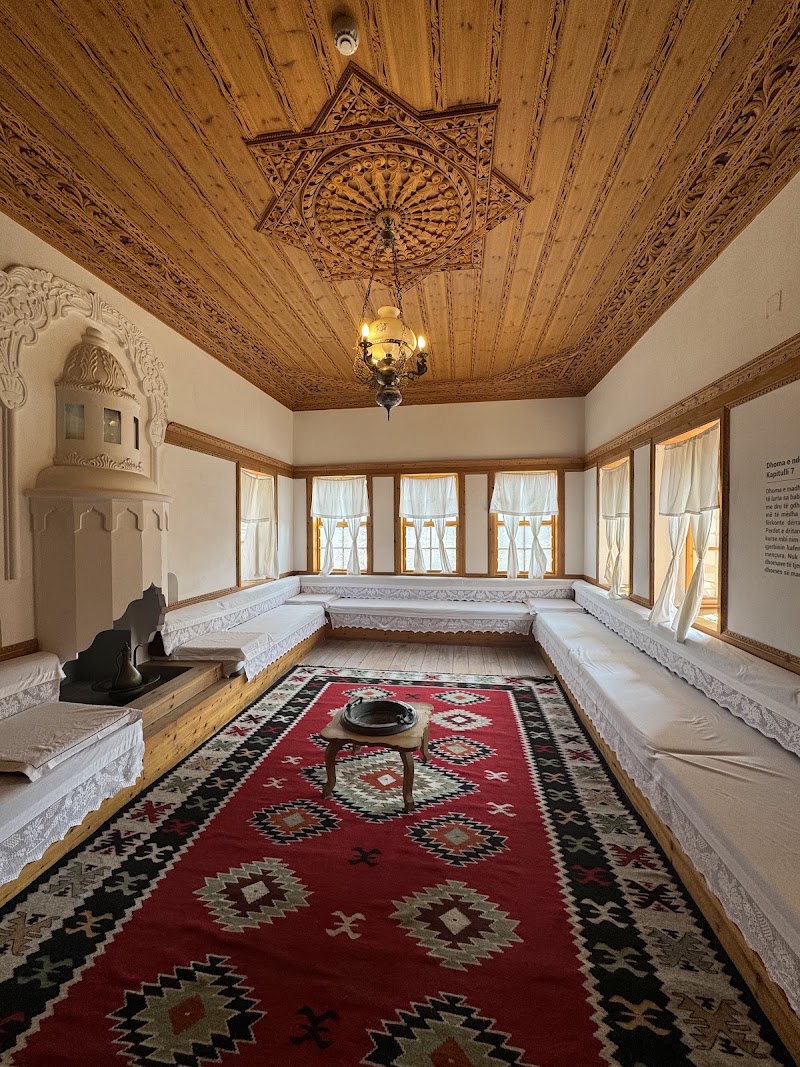
Ismail Kadare’s House: Stylish, Sparse and Divisive
This reconstructed Gjirokastër house offers a reflective introduction to Kadare’s childhood, though reviews question its depth and modern restoration.
Albania · Vlora
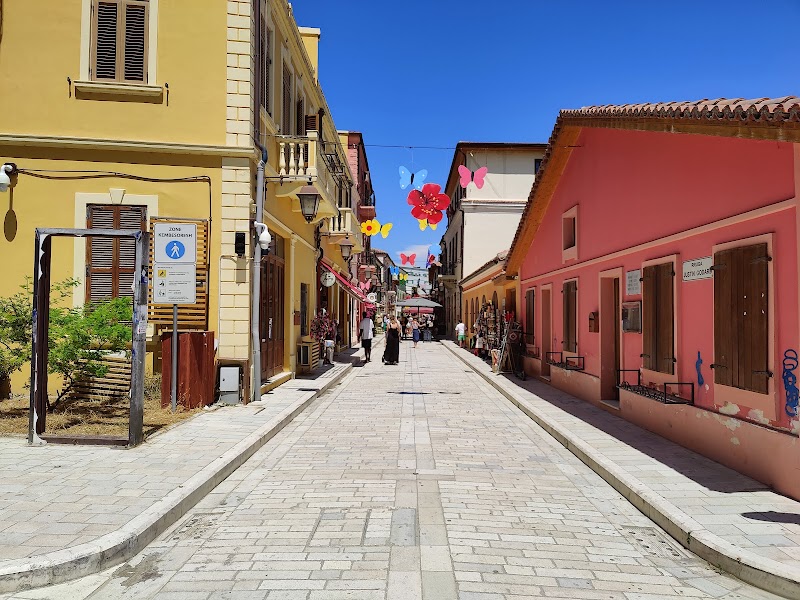
Vlora Old Town: A Compact Quarter for a Leisurely Stroll
Restored façades, pedestrian lanes, cafés and nearby monuments make this small historic quarter a pleasant, if brief, Vlora stop.

Albania · Pojan
Apollonia Archaeological Park: ruins, views and quiet
Ancient ruins, a well-regarded museum and a peaceful hilltop setting make Apollonia one of Albania’s most rewarding historical stops.