Butrint Ancient Theatre: a gateway to a wider ancient city
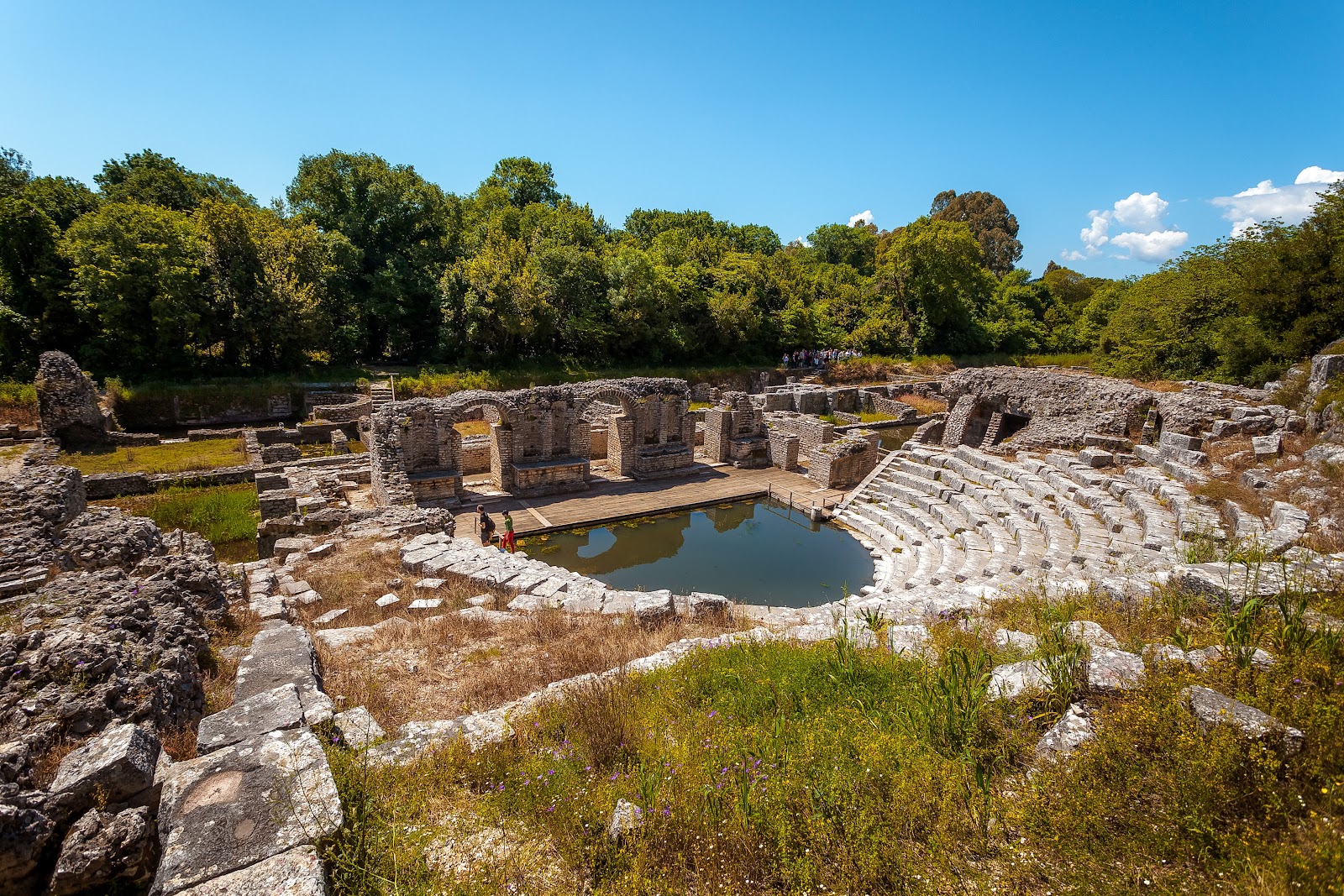
The theatre is an early highlight within Butrint’s extensive ruins, where mosaics, a castle, broad views and a museum reward further exploration.
More photos
Photos published by travelers on Google, not AI generated.
What stands out
- Theatre close to the site entrance
- Extensive ancient town and buildings
- Mosaics in the Apostle
- Castle and broad surrounding views
- Museum near the exit
Worth knowing
- Faded signage and limited interpretation
- Intense summer heat and hard-to-find water
- Check bus fares and carry cash
Don't miss
What comes up most in public reviews
- Ancient theatre near the entrance
- Mosaics in the Apostle
- Castle and surrounding views
- Museum near the exit
Worth the trip?
More than a standalone theatre
Butrint Ancient Theatre forms part of a much larger archaeological site rather than a quick, isolated landmark. Synthesizing its 4.7 Google rating from 2186 reviews with recent visitor feedback, the strongest impression is of scale: travellers describe a magnificent ancient town with numerous buildings and viewpoints spread across a substantial area.
The theatre appears only a few minutes after the entrance, making it one of the first major structures visitors encounter. Reviews do not provide much architectural interpretation, but they consistently place it within an experience that extends well beyond the auditorium itself. Those allowing time to continue through the site tend to find more to appreciate than those expecting the theatre to be the sole attraction.
What stands out
The breadth of the ruins receives the clearest praise. Public reviews highlight the theatre, castle, surrounding buildings and wide views, while the mosaics in the Apostle are singled out as a particular highlight. A museum near the exit adds another layer for travellers interested in the objects and history connected with the site. One visitor noted that museum access involved a separate admission arrangement, so current details are worth checking at the entrance.
Butrint’s atmosphere varies markedly with timing. An early arrival is recommended in public feedback to avoid crowds, while one January visitor reported having the site virtually alone. Summer brings a different challenge. A July review described the conditions as seriously hot, making shade, drinking water and a measured pace important considerations.
Interpretation and practicalities
The main recurring weakness is limited visitor information. Reviewers describe faded signage and insufficient historical detail, with one account reporting no brochure or guide available during the visit. Travellers who value context may benefit from researching the principal structures beforehand rather than relying entirely on interpretation around the ruins.
Water access can also require planning. One reviewer found only a single, difficult-to-locate fountain. Public toilets were positively noted, although facilities and access arrangements can vary by season. Another review advised carrying cash for entry. These points are based on individual visits rather than confirmed site-wide policies, but they are useful precautions.
Visitors arriving by bus from Sarandë should confirm the current fare before boarding or paying. One public review reported attempted tourist overcharging on that route. It is an isolated account, yet it supports checking locally published transport information in advance.
Editorial verdict
The theatre is best treated as the opening chapter of Butrint rather than the whole reason for visiting. Its accessible position near the entrance, combined with the larger ancient town, mosaics, castle, museum and surrounding views, gives the landmark considerable depth. Weak interpretation and summer heat can reduce the experience, but an early start and some advance reading address the most common complaints. For travellers interested in archaeology and layered historic landscapes, the overall visitor consensus remains strongly positive.
Plan the rest of the trip
Ask anything
Looking for somewhere else?
Keep exploring around Butrint
More from Albania
Albania · Tiranë
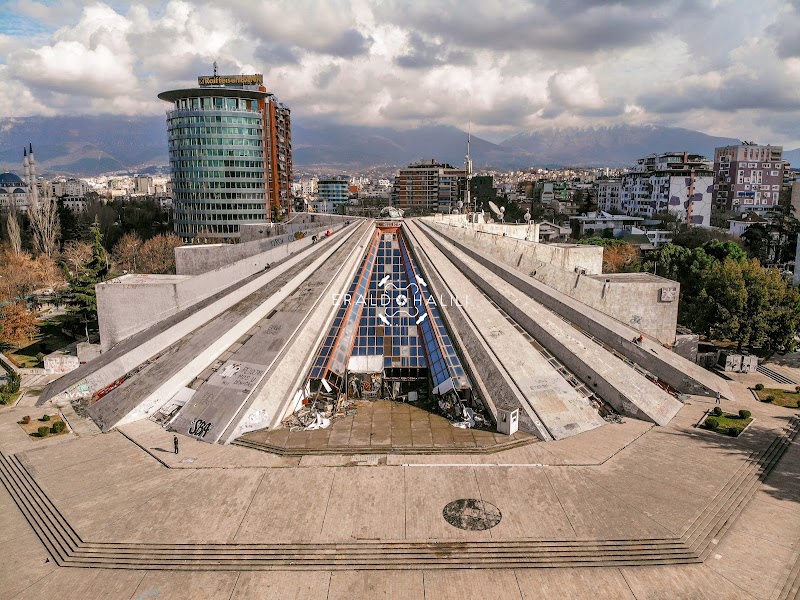
Pyramid of Tirana: City Views from a Striking Landmark
Public reviews find the Pyramid of Tirana worth a short visit for its central setting, unusual architecture and wide views across the Albanian capital.
Albania · Tiranë
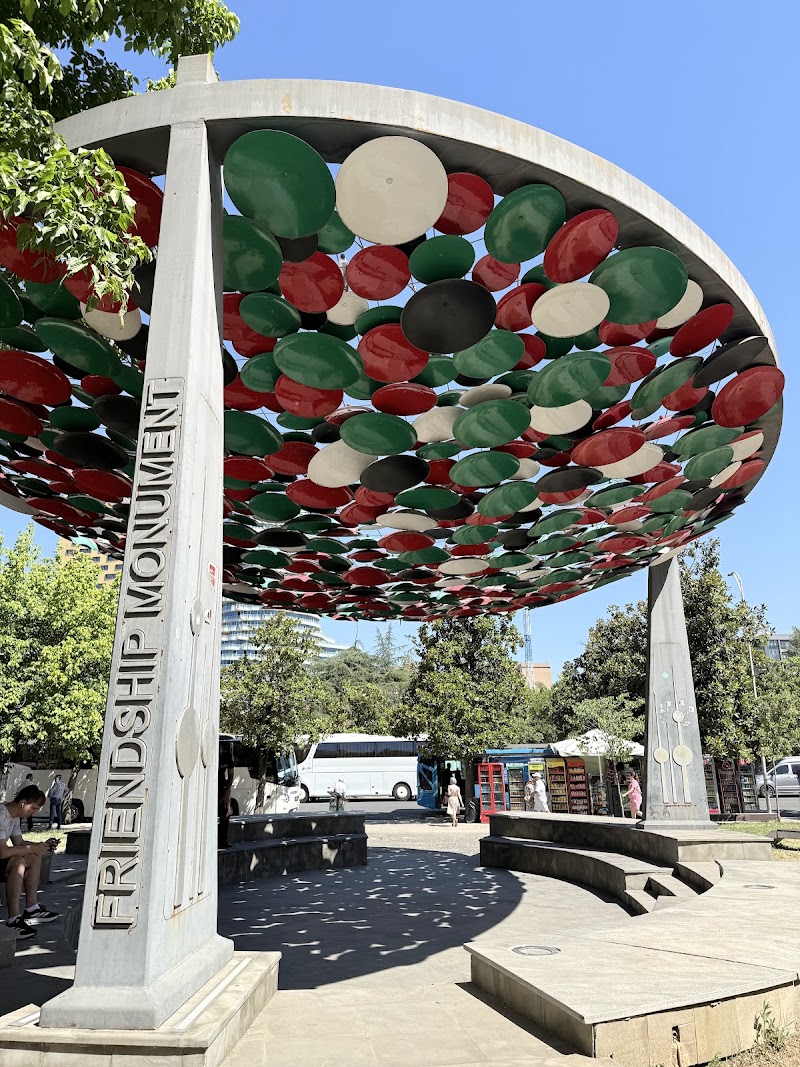
Friendship Monument: A Colourful Central Stop in Tiranë
This compact public artwork near Tiranë’s centre works best as a brief park visit, photo stop and meeting point.
Albania · Vlora
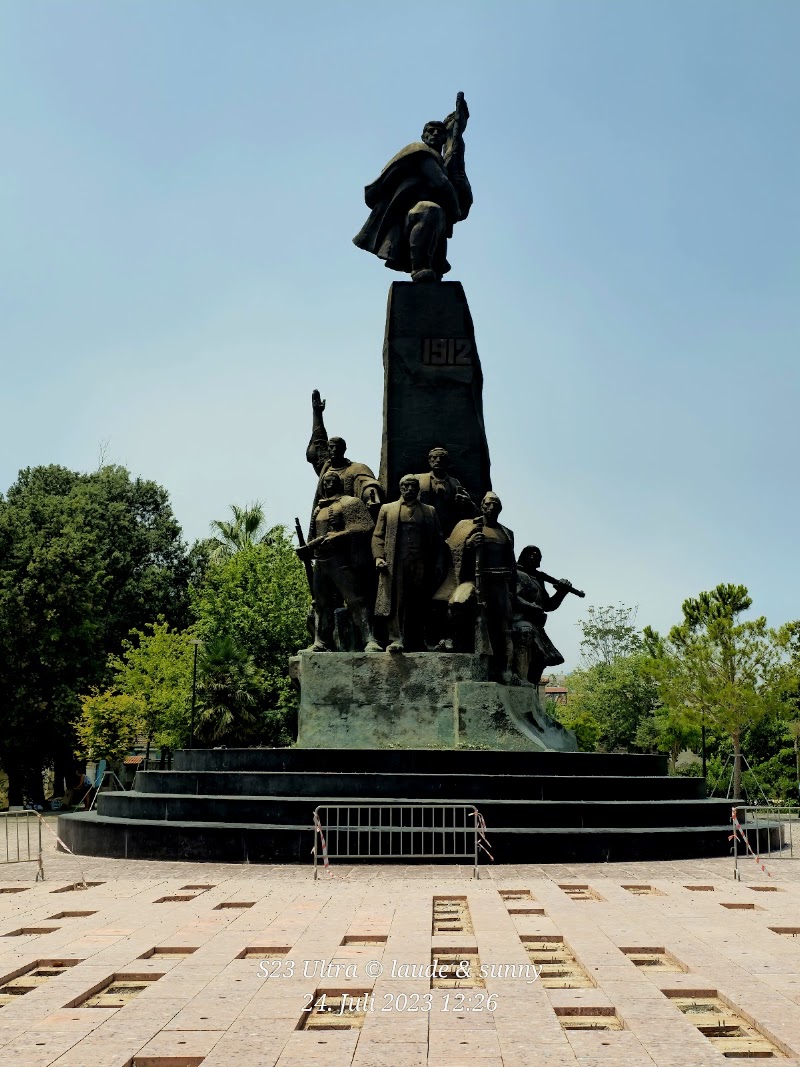
Independence Monument, Vlora’s Symbol of National History
A prominent Vlora landmark commemorating Albania’s Declaration of Independence, with a powerful statue and an easy place to pause while exploring the city.

Albania · Poshnje
Dimal Castle: A Welcoming Stay in Poshnje
Public reviews describe Dimal Castle as a clean, friendly hotel with thoughtful service, comfortable rooms and well-liked traditional food.