Bulla Regia: Underground Villas and Roman Mosaics
Bulla Regia rewards history-minded visitors with subterranean Roman homes, mosaics in situ and substantial ruins, despite uneven upkeep.
More photos


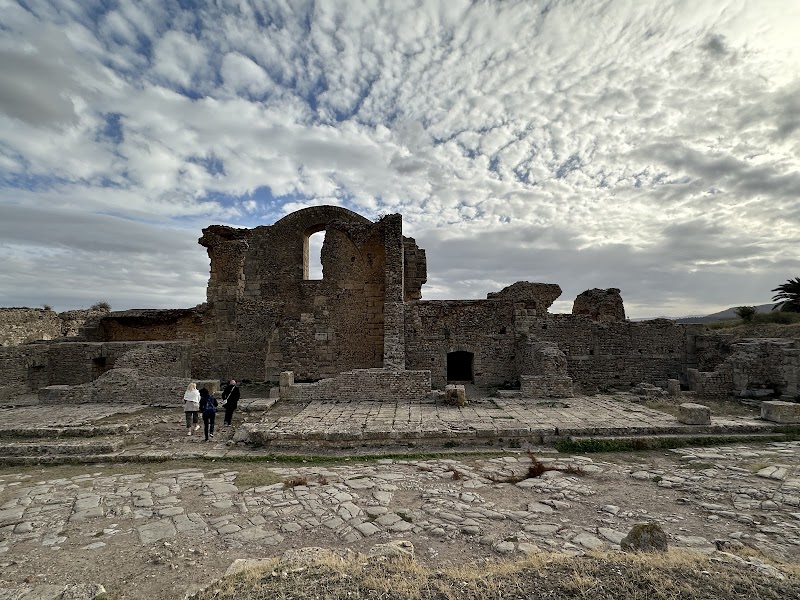
Photos published by travelers on Google, not AI generated.
What stands out
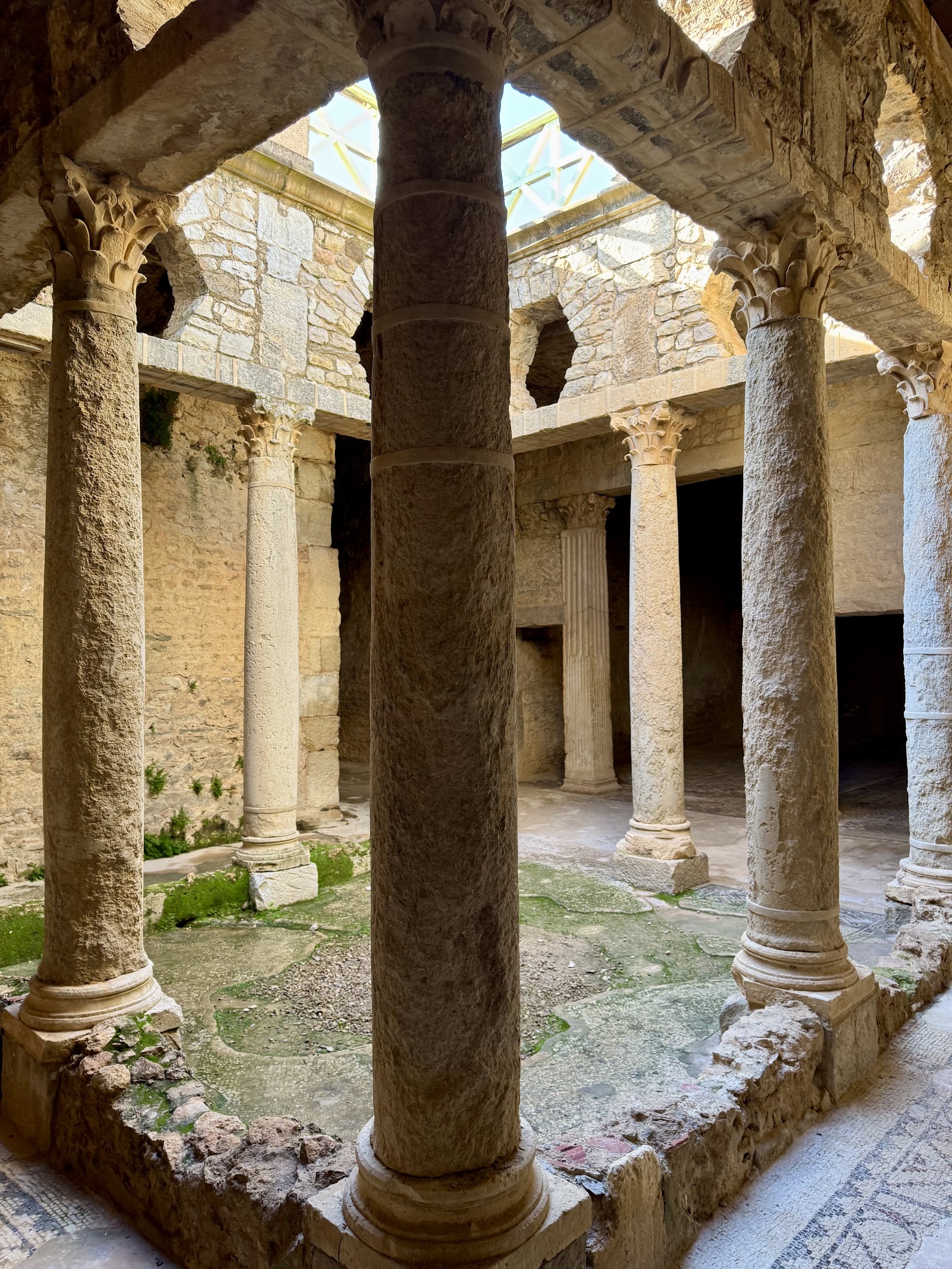
- Underground Roman villas
- Mosaics preserved in situ
- Large Roman settlement
- Remarkable theatre
Worth knowing
- Overgrown and unevenly maintained areas
- Some structures can be difficult to reach
- Agree on the guide fee beforehand
Don't miss
What comes up most in public reviews
- Explore the underground villas
- Examine the surviving mosaics
- Visit the Roman theatre
- Look for the House of the Hunt
Worth the trip?
The overall impression
Bulla Regia Archaeological Site holds a Google rating of 4.7 from 541 reviews, and the strongest public feedback focuses on one unusual feature: Roman villas built partly below ground. These subterranean rooms distinguish the site from many other ancient settlements in Tunisia, while surviving mosaics provide much of its visual impact.
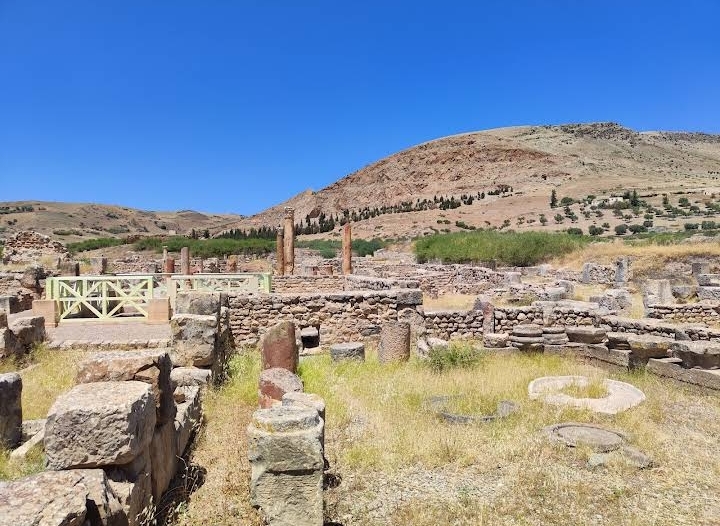
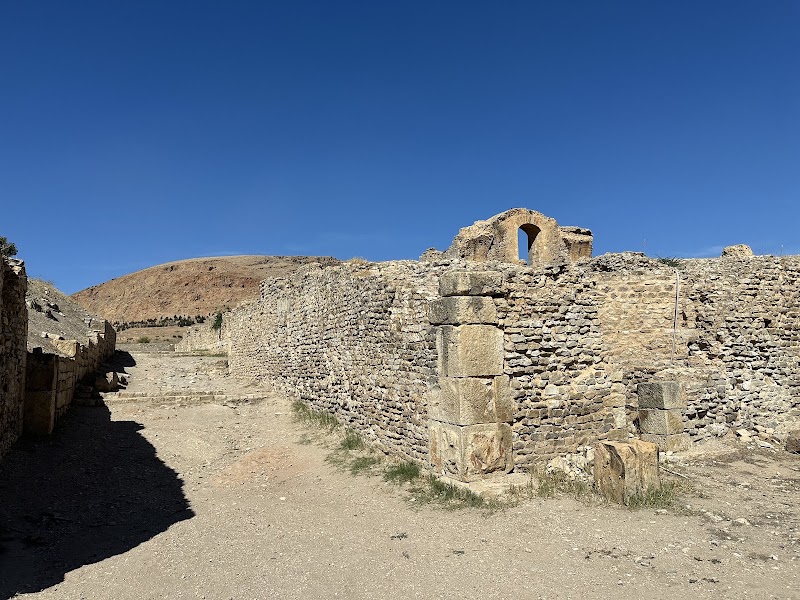
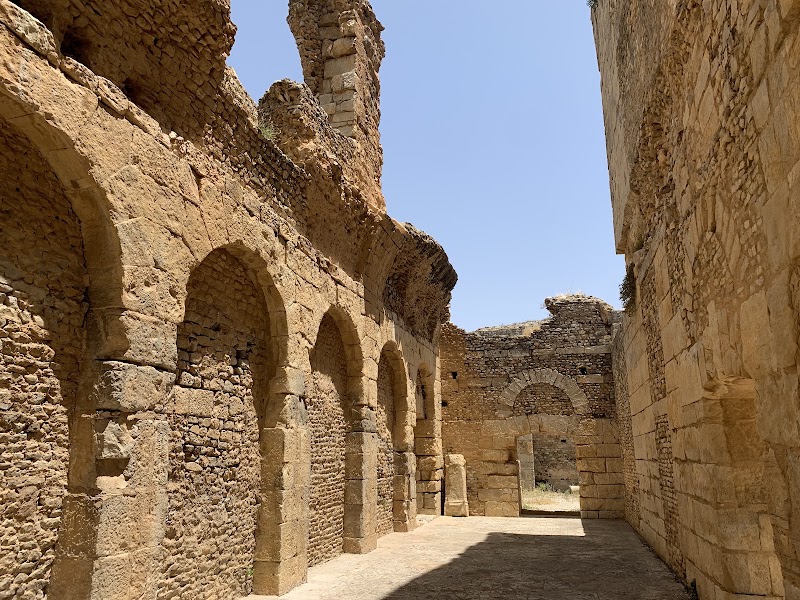
Reviews describe a sizeable Roman town rather than a single monument. Visitors encounter residential quarters, baths, temples and a theatre, with excavated structures spread across a broad area. Several reviewers consider the site spectacular or well worth the journey, particularly when paired with an interest in Roman history or architecture. The relatively low visitor numbers mentioned in feedback can also make exploration feel unhurried.
Underground houses and mosaics
The underground villas are the clear priority. Their design offers a direct sense of how residents adapted domestic architecture to the local climate, with rooms and decorative floors surviving below the present ground level. Reviewers repeatedly single out the experience of descending into these spaces as the defining part of a visit.
Mosaics preserved in situ are another major draw. Public feedback highlights several surviving groups, including well-preserved work inside the villas. Seeing mosaics in their original architectural setting helps connect the decoration to the rooms it once served. Some reviewers note that other finds from Bulla Regia were transferred to the Bardo Museum, making the remaining examples on site especially important to the experience.
The theatre is also repeatedly praised. Although the wider settlement remains only partly excavated, this structure gives the site a sense of scale and provides a useful contrast with the more intimate underground houses. The House of the Hunt receives particular praise in one review for its architecture and decoration.
Condition and navigation
Enthusiasm is tempered by recurring concerns about maintenance. Some recent feedback describes overgrown areas, difficult routes and an overall lack of upkeep. Vegetation may obstruct access to certain structures, and the layout can be harder to interpret without assistance. Conditions may therefore feel rougher than at a highly managed archaeological attraction.
A guide is not considered essential by every reviewer, especially for visitors with a strong background in history or architecture. Even so, guided interpretation can help identify buildings, explain the underground construction and navigate less obvious paths. Reviews mention knowledgeable English-speaking guidance, while also advising visitors to agree on the fee before starting.
Editorial verdict
Bulla Regia is best suited to travellers who value archaeological substance over polished presentation. Its underground villas and mosaics remain compelling, and the theatre adds another memorable focal point. The site’s scale means a rushed stop would undersell it, so half a day is a sensible allowance for walking, examining the villas and finding the principal structures.
Maintenance issues are significant enough to affect the experience, particularly where vegetation limits access. Yet the consistent praise for the subterranean architecture and surviving mosaics explains the strong public rating. For travellers already exploring the archaeological sites of northwestern Tunisia, Bulla Regia stands out as a rewarding companion to Dougga.
Ask anything
Looking for somewhere else?
Keep exploring around Jendouba
More from Tunisia
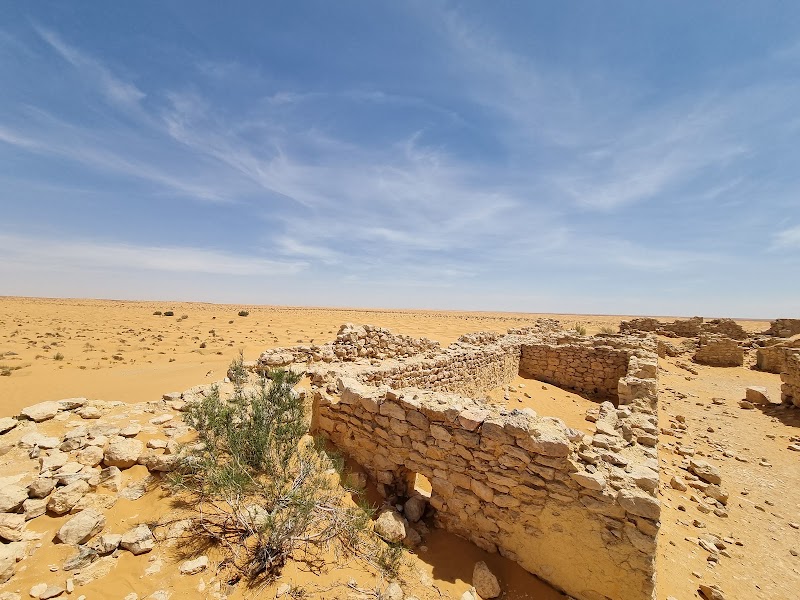
Tunisia · Ksar Ghilane
Ksar Ghilane: Oasis, Dunes and Roman Remains
A warm spring, Sahara excursions and sunset views make Ksar Ghilane a rewarding stop despite limited transport options.
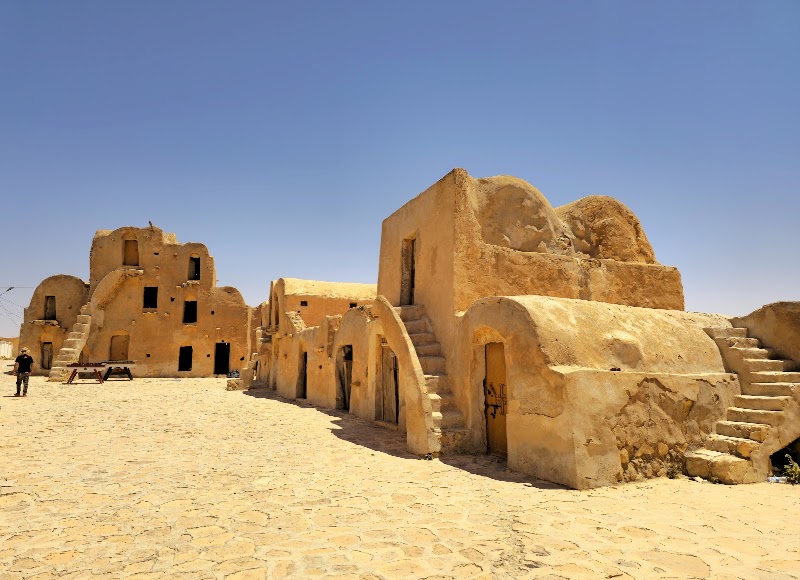
Tunisia · Tataouine
Ksar Ouled Soltane: A Compact, Characterful Landmark
Strong preservation, distinctive architecture and a Star Wars connection make this small Tataouine landmark a rewarding short stop.
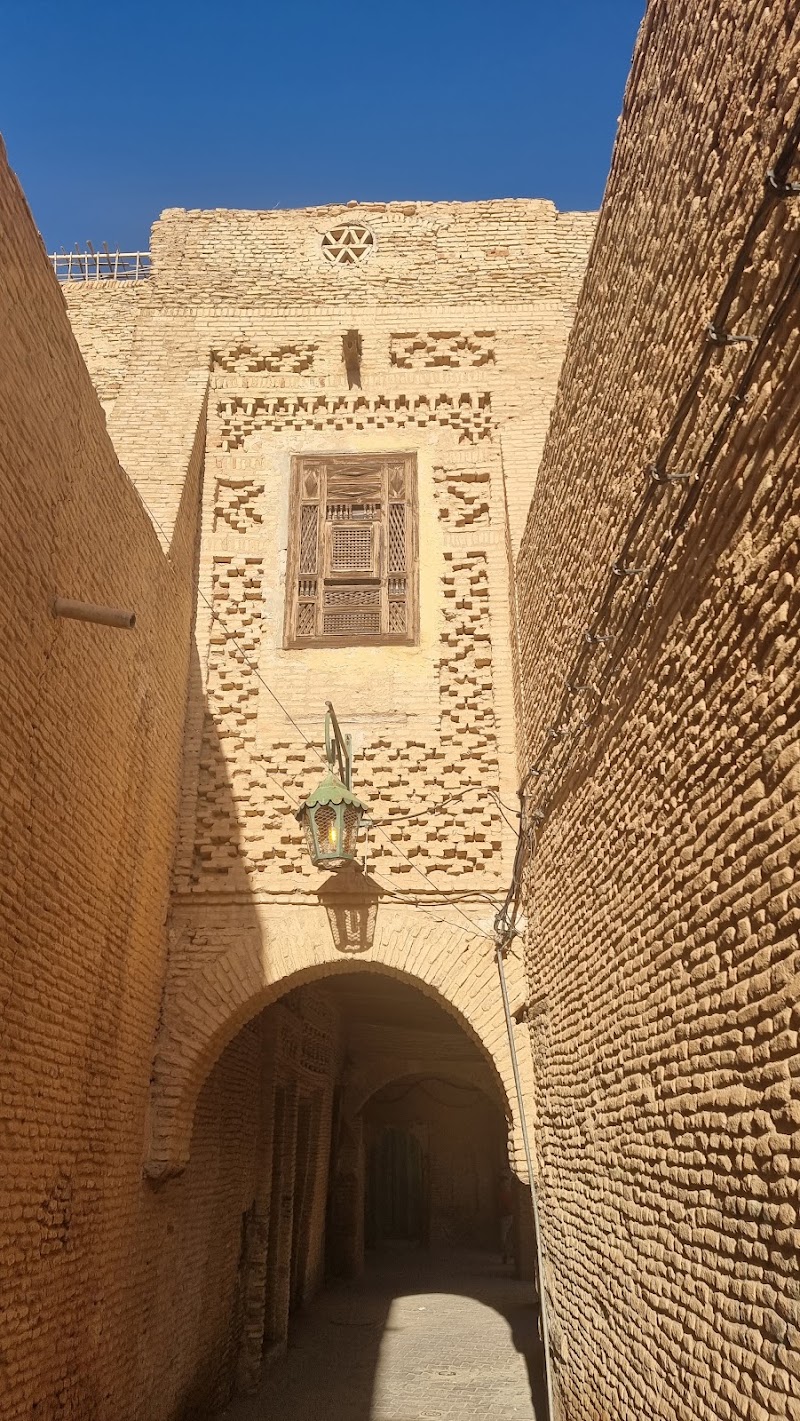
Tunisia · Tozeur
Medina of Tozeur: Brickwork, Alleys and Local Life
Tozeur’s old quarter rewards an unhurried walk with patterned brickwork, traditional doors, small shops and a relaxed residential atmosphere.

Tunisia · Tunis
WildyNess review: Tailored tours across Tunisia
Strong public feedback highlights thoughtful planning, capable guides and flexible itineraries spanning Tunis, southern Tunisia and the Sahara.