Bremen Roland: A Symbol of Freedom on the Marktplatz
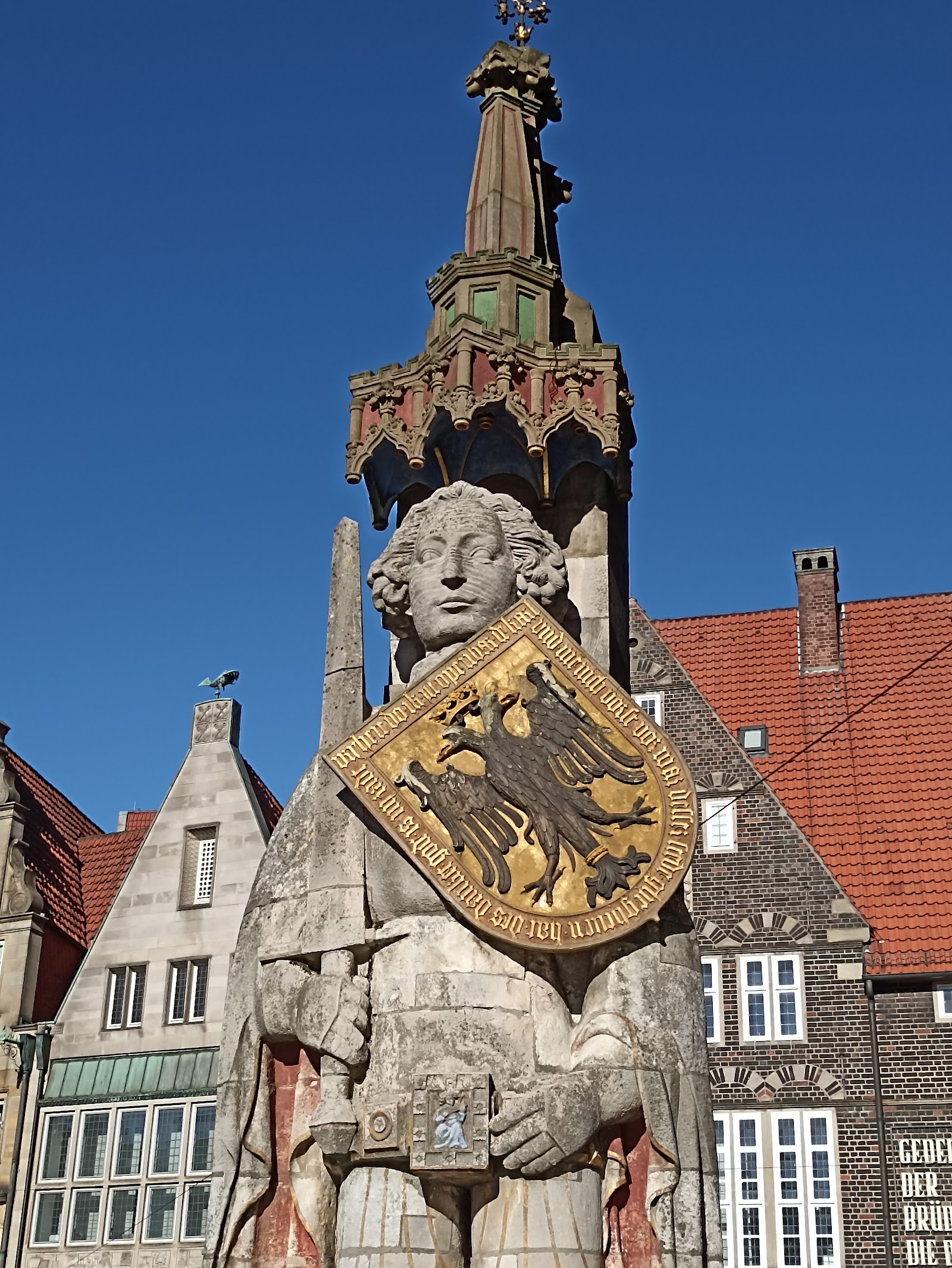
Bremen’s medieval Roland statue anchors an architectural ensemble that reviewers regard as an essential stop in the city’s historic centre.
More photos
Photos published by travelers on Google, not AI generated.
What stands out
- Symbol of Bremen’s civic freedom
- Central Marktplatz setting
- UNESCO-listed ensemble with Town Hall
- Historic Old Town architecture
Don't miss
What comes up most in public reviews
- Bremen Roland statue
- Bremen Town Hall
- Marktplatz architecture
- A walk through the Altstadt
Worth the trip?
Why the Roland matters
Bremen Roland is not simply a decorative statue in a handsome square. Synthesizing its 4.6 Google rating from 4,232 reviews with recurring traveller comments, its strongest appeal lies in the story it represents. Reviewers consistently describe Roland as a symbol of Bremen’s civic freedom, rights and independence, connecting the monument to the city’s identity as a historic Hanseatic centre of trade and commerce.
The stone figure was erected in 1404 and stands in the middle of the Marktplatz. Its age and political meaning give visitors a clear point of entry into Bremen’s history, even if they arrive knowing little about the city. Several accounts characterize it as a guardian, while others emphasize that its importance extends well beyond its artistic appearance.
The setting is part of the experience
Public reviews rarely discuss the Roland in isolation. The statue and Bremen Town Hall form a UNESCO World Heritage Site, and the Town Hall rises directly behind it. Together they create one of the defining views of Bremen’s Altstadt and what reviewers repeatedly identify as the historic heart of the city.
That context is crucial. Travellers praise the surrounding architecture and the atmosphere of the Marktplatz as much as the figure itself. The square encourages a slower visit, with time to examine the stonework, take in the Town Hall façade and look across the wider architectural ensemble. One review describes a sense of stillness, while others focus on the appeal of walking through the Old Town on a bright day.
The Roland therefore works best as the focal point of a broader walk rather than a standalone photo stop. Visitors interested in architecture can spend considerably longer in this part of the city than the statue alone might suggest.
What the reviews suggest
The dominant message is straightforward: travellers consider the Roland one of Bremen’s essential sights. Reviewers call it a classic stop and frequently place it at the top of an Old Town itinerary. Its central location makes it easy to combine with the Town Hall, the rest of the Marktplatz and a walk through the Altstadt.
The surrounding restaurants and cafés also make the area practical for a relaxed visit. Reviewers suggest allowing time not just to admire the monument but to linger over the wider cityscape and follow the sightseeing with a meal. This is less an attraction with a prescribed route than a public landmark whose value comes from history, setting and architectural context.
Editorial verdict
Bremen Roland earns its strong public reputation by combining an immediately impressive location with a deeper civic story. The statue is likely to be most rewarding for travellers interested in medieval history, Hanseatic identity, civic symbolism and historic architecture. Those passing through quickly can appreciate the central view in a short stop, but the reviews support setting aside longer to explore the Marktplatz and Old Town around it.
The most satisfying approach is to begin with Roland, turn attention to the Town Hall behind it, then continue on foot through the Altstadt. Seen this way, the monument becomes what reviewers say it is: a concise introduction to Bremen’s history and character.
Plan the rest of the trip
Ask anything
Looking for somewhere else?
Keep exploring around Bremen
More from Germany

Germany · Rüdesheim am Rhein
Niederwald Monument: Rhine Views and German History
The Niederwald Monument combines a major historic statue, landscaped grounds and wide Rhine views above Rüdesheim am Rhein.
Germany · Cochem
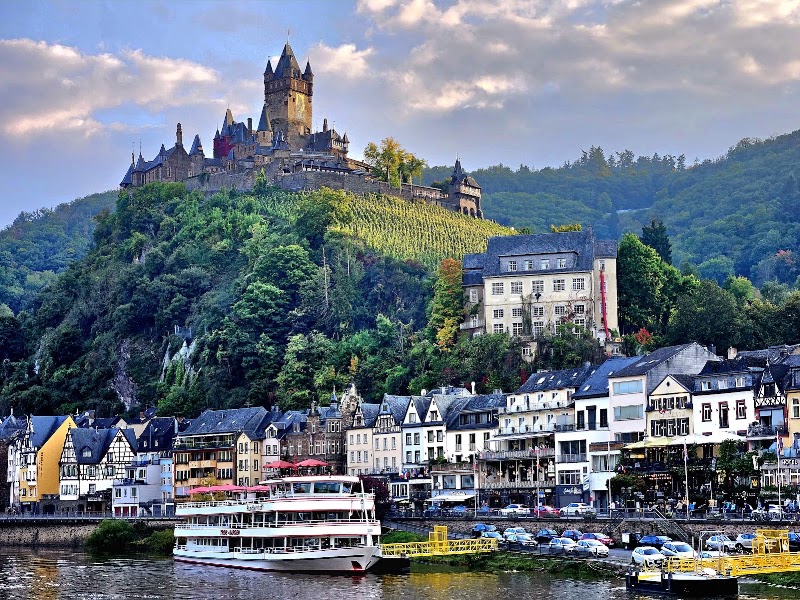
Cochem Castle Rewards the Climb with Moselle Valley Views
Reichsburg Cochem combines a steep approach, guided interiors and broad views over the town and Moselle Valley.

Germany · Vogtei
Centre of Germany: A Quiet Stop in Vogtei
Public reviews describe a clean, peaceful place near a lake, with one important caveat: visitors disagree about which point marks Germany’s true centre.
Germany · Dortmund
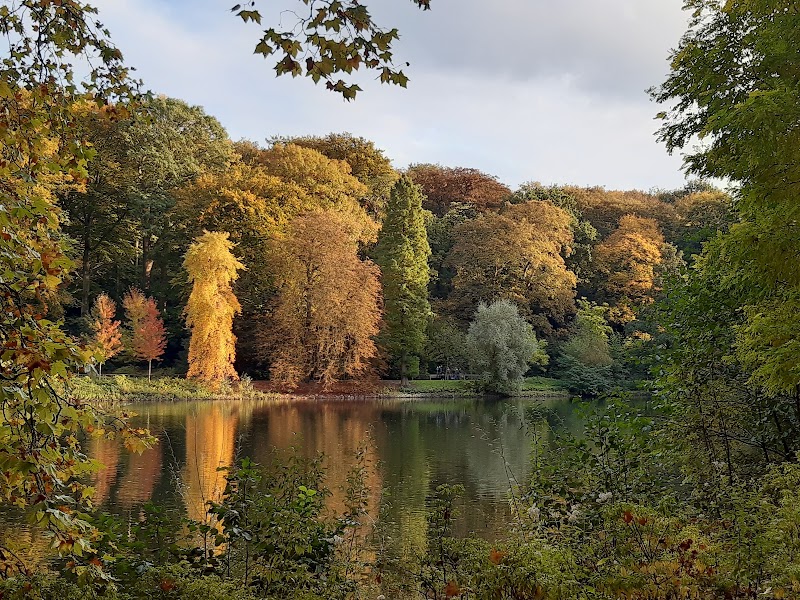
Rombergpark Botanical Garden, Dortmund’s Green Escape
Rombergpark Botanical Garden combines open parkland, seasonal blossoms, varied planted areas and tropical greenhouses in a calm Dortmund setting.