Bois du Cazier: Mining History and Memory in Charleroi
A substantial industrial heritage site combining coal-mining machinery, craft displays and a moving memorial to Belgium’s mining past.
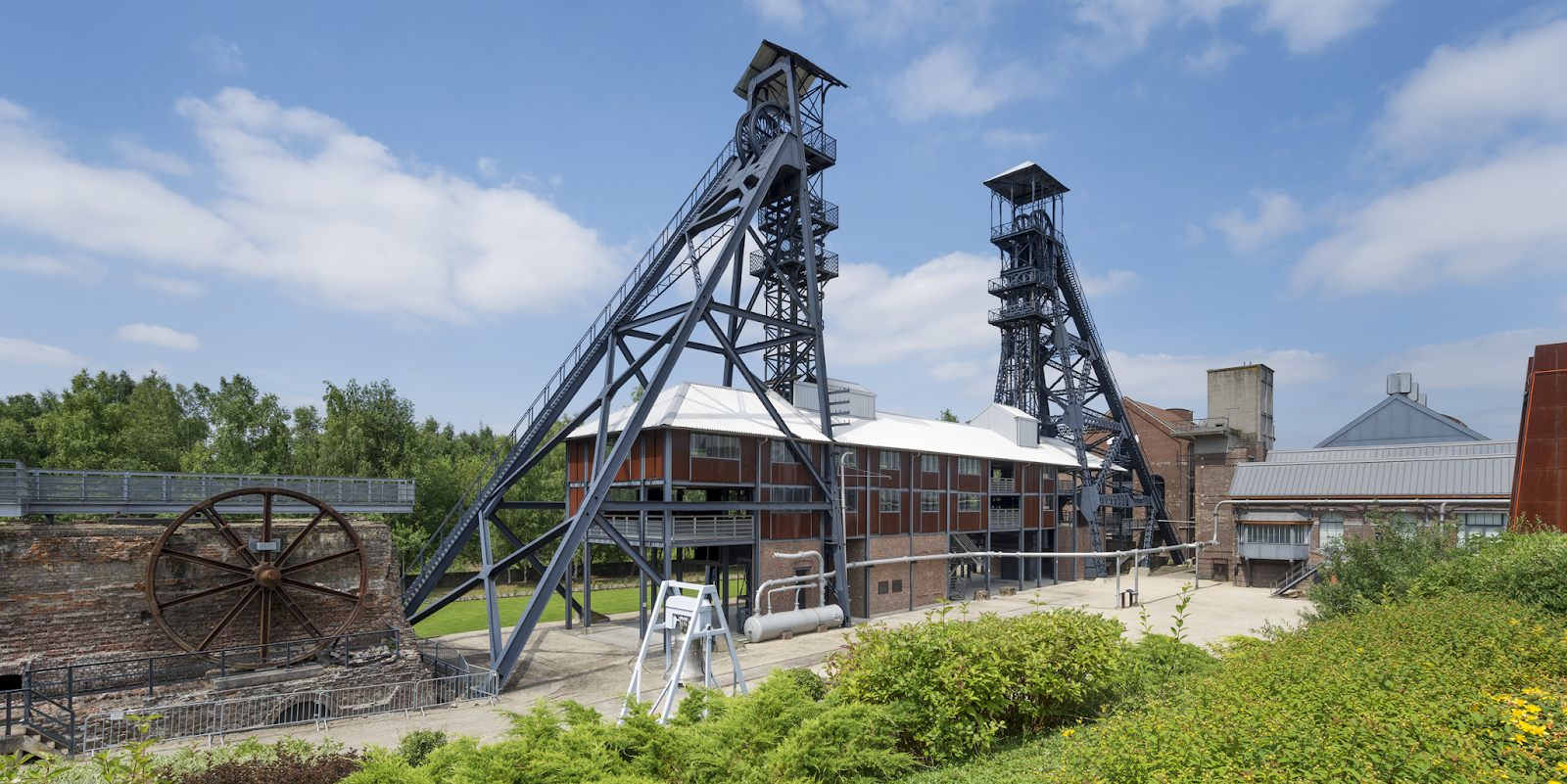
More photos
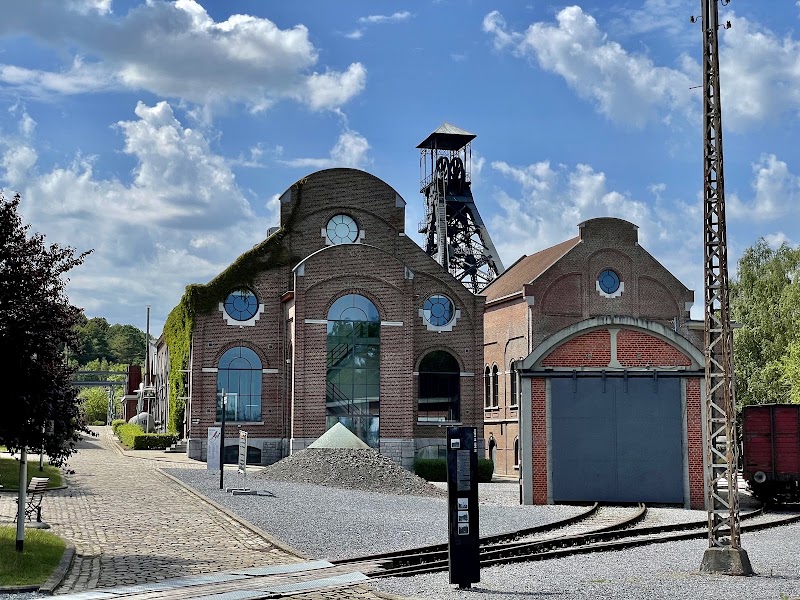
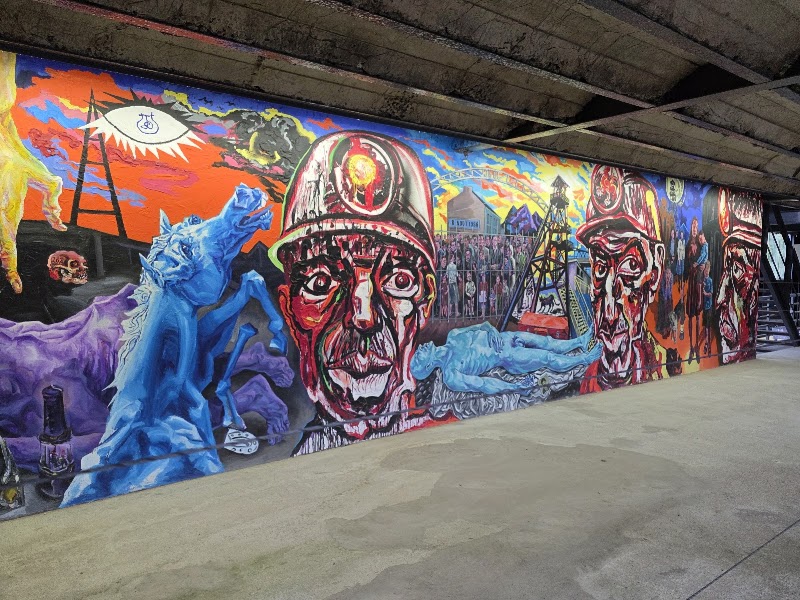

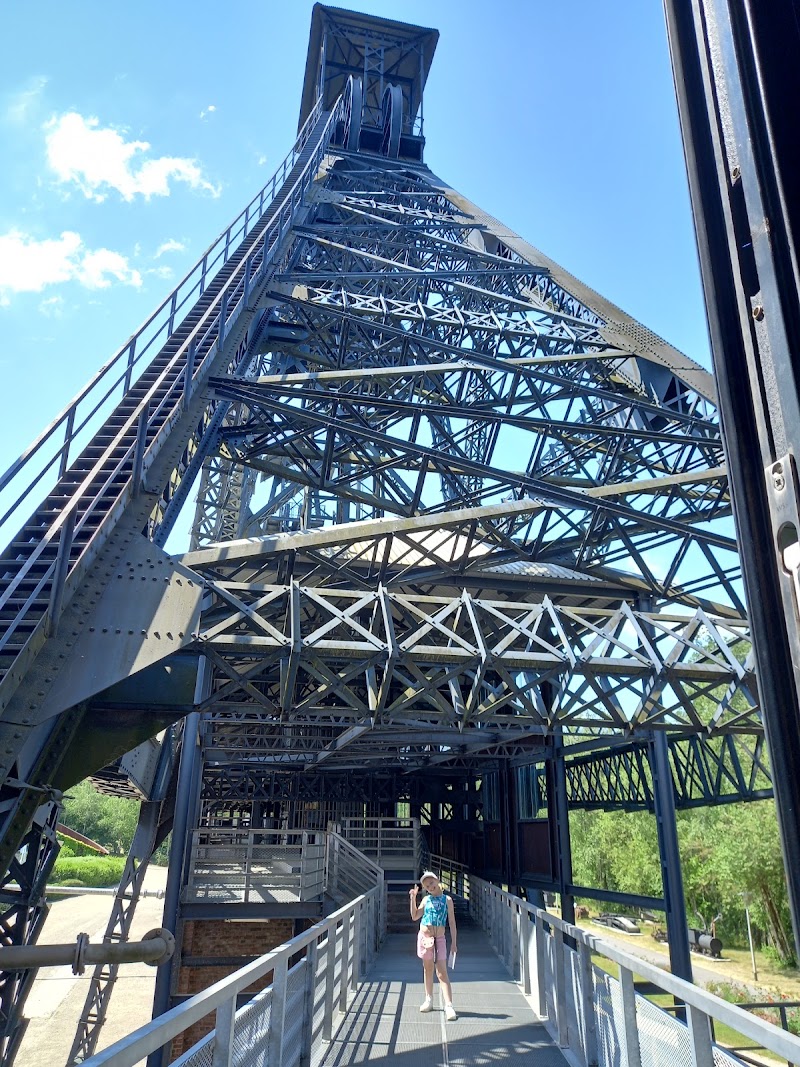
Photos published by travelers on Google, not AI generated.
What stands out
- Extensive mining and coal exhibits
- Preserved industrial machinery
- Moving mining disaster memorial
- Ironworking and glassworking displays
- Independent electronic guide
Worth knowing
- Some films and display boards lack English translation
- On-site parking can fill up
- The site is large and needs several hours
Don't miss
What comes up most in public reviews
- Mining museum and coal exhibits
- Historic industrial machinery
- Mine disaster memorial
- Multilingual computer presentation
Worth the trip?
A broad industrial story
Bois du Cazier earns a Google rating of 4.6 from 2856 reviews, with visitors repeatedly praising its scale, maintenance and clear presentation of Belgium’s mining era. Reviewers describe a well-laid-out site that rewards several hours rather than a rushed stop. The collections extend beyond coal extraction, taking in machinery, electricity and the wider industrial systems that once powered the country.
The physical setting appears to be a major part of the experience. Former mining structures and substantial pieces of equipment help convey the working environment more effectively than display cases alone. Travellers with a particular interest in engineering tend to respond enthusiastically to the old machinery, but reviews suggest that the museum remains accessible to visitors without specialist knowledge.
Mining, iron and glass
Coal-mining history forms the core of the visit. Numerous exhibits address mines, coal and industrial equipment, while a short film provides additional background on the site, Belgian industry and the mining accident associated with Bois du Cazier. An electronic guide allows visitors to explore independently, which suits those who prefer moving through a museum at their own pace.
The scope is broader than the mine itself. Public reviews regularly mention areas devoted to ironworking and glassworking, adding context to Charleroi’s industrial identity. A multilingual computer presentation also receives positive comments and appears to be one of the more accessible ways for international visitors to engage with the material.
Reviewers identify Bois du Cazier as a UNESCO industrial heritage site. That status may attract architecture and heritage enthusiasts, though the strongest impressions in the reviews come from the combination of preserved industry, social history and personal remembrance.
A place of remembrance
Bois du Cazier is not presented simply as a collection of machines. The mine disaster and its human consequences give the site considerable emotional weight. Visitors describe the memorial museum as touching and reflect on the difficult conditions in which miners lived and worked to supply energy for Belgium.
That balance is central to its appeal. The machinery explains how the industry functioned, while the memorial material keeps attention on the people behind it. Reviews suggest that this part of the museum is handled with care, making the attraction both educational and sombre rather than purely technical.
Practical considerations
An afternoon is the most natural amount of time to allow. One reviewer explicitly calls it perfect for an afternoon, while others note that the grounds are large and the displays comprehensive. Independent exploration with the electronic guide can help visitors cover the site in a logical order.
Language access is the clearest recurring criticism. Although staff members are described as kind, helpful and able to speak English, some film and demonstration material is reported to be available only in spoken French. English subtitles and broader translations would improve the experience. The multilingual computer presentation partly addresses that gap, but international visitors may still miss details.
Parking can also be busy. One reviewer found the lot full and used a nearby street instead. Free toilets and helpful staff receive favourable mentions. Overall, the review pattern points to a substantial, carefully maintained museum best approached with enough time for both its industrial collections and memorial spaces.
Ask anything
Looking for somewhere else?
Keep exploring around Charleroi
More from Belgium
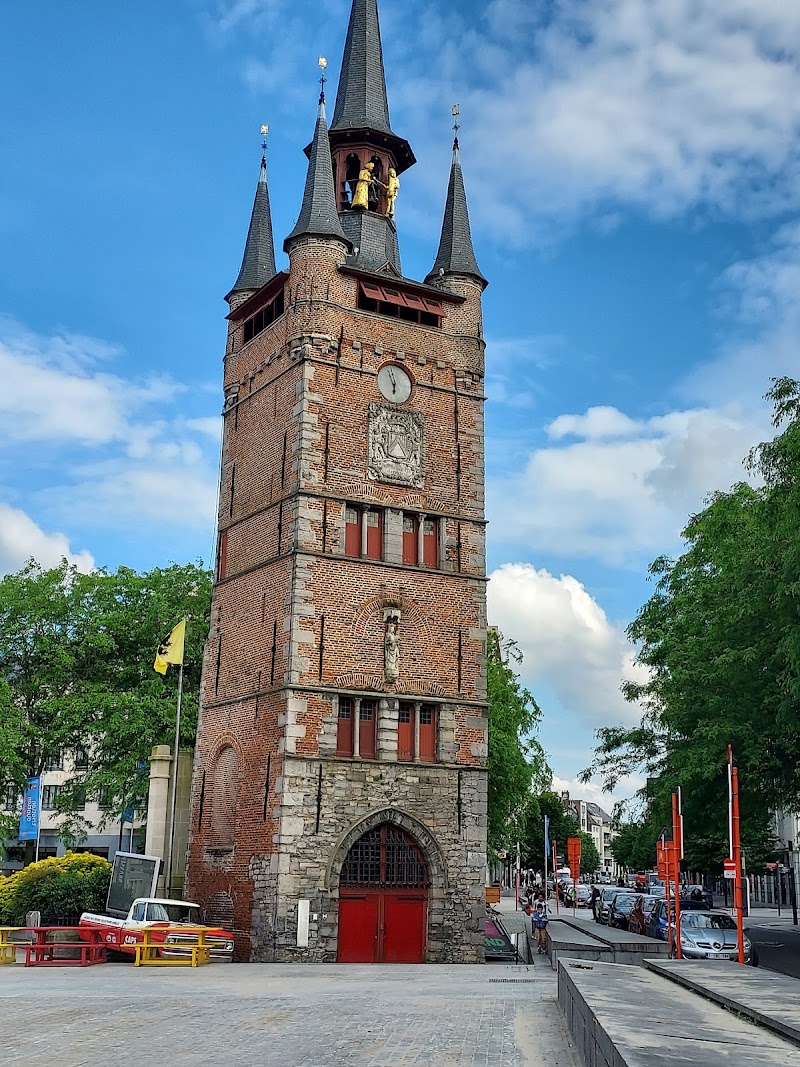
Belgium · Kortrijk
Belfry of Courtrai: Kortrijk’s landmark on the square
This medieval belfry is best enjoyed from Kortrijk’s main square, where historic surroundings, café terraces and sounding bells shape the visit.
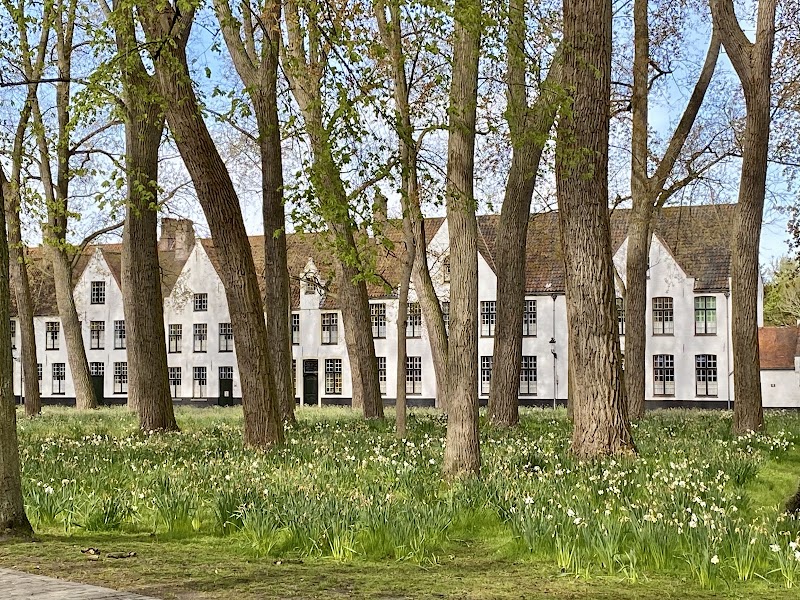
Belgium · Brugge
Beguinage Ten Wijngaerde: a quiet pause in Bruges
Whitewashed houses, tall trees and a serene courtyard make Bruges’ Begijnhof a rewarding break from the city’s busier streets.
Belgium · Bruxelles
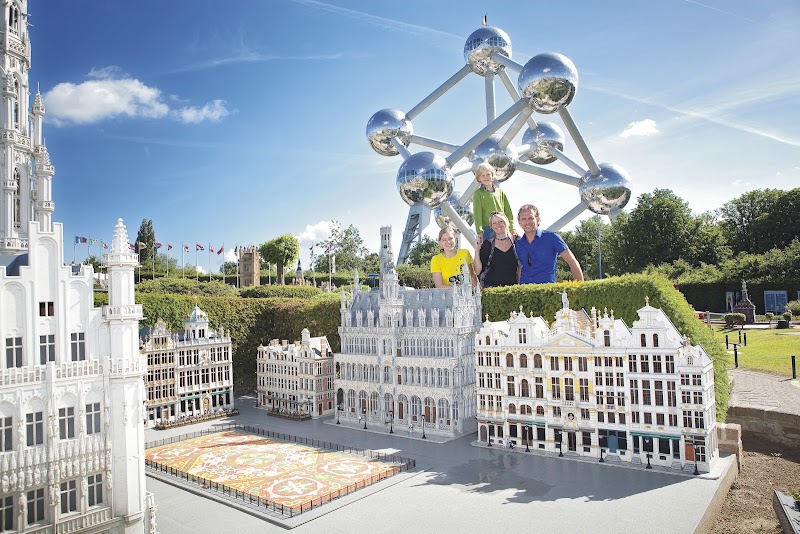
Mini-Europe review: Europe’s landmarks in miniature
Detailed models, interactive displays and easy Atomium pairing make Mini-Europe a strong family attraction in Bruxelles.
Belgium · Bruxelles
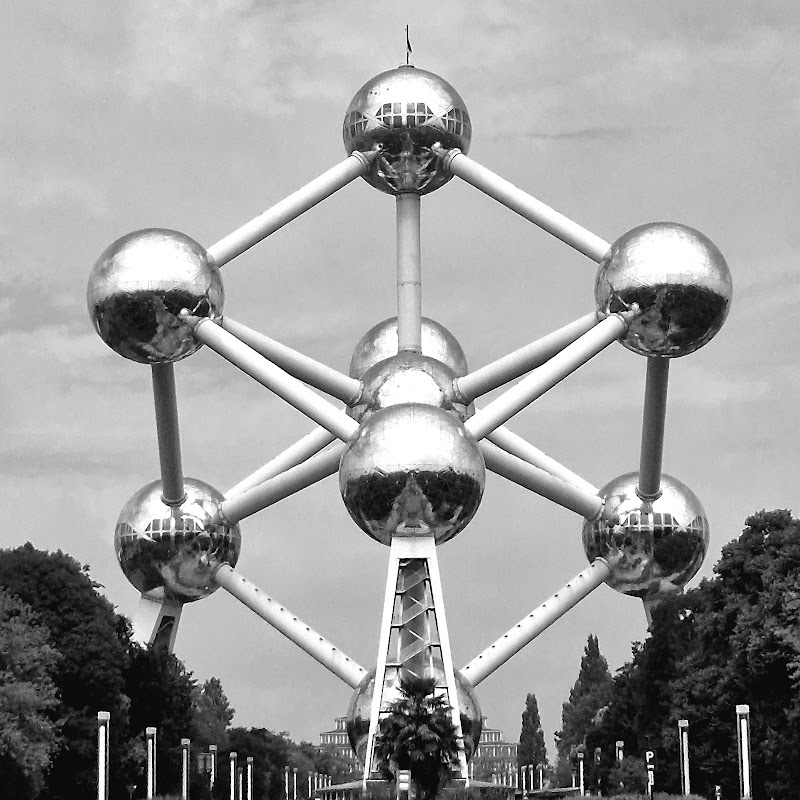
Atomium review: Brussels’ monumental modernist landmark
Public reviews praise the Atomium’s vast scale, city views and engaging displays, though queues for the upper viewpoint can test patience.