Bisa Aberwa Museum: Pan-African History in Takoradi
A private museum in Sekondi-Takoradi presents African history, heritage and resistance through artefacts, stories, photographs and guided interpretation.
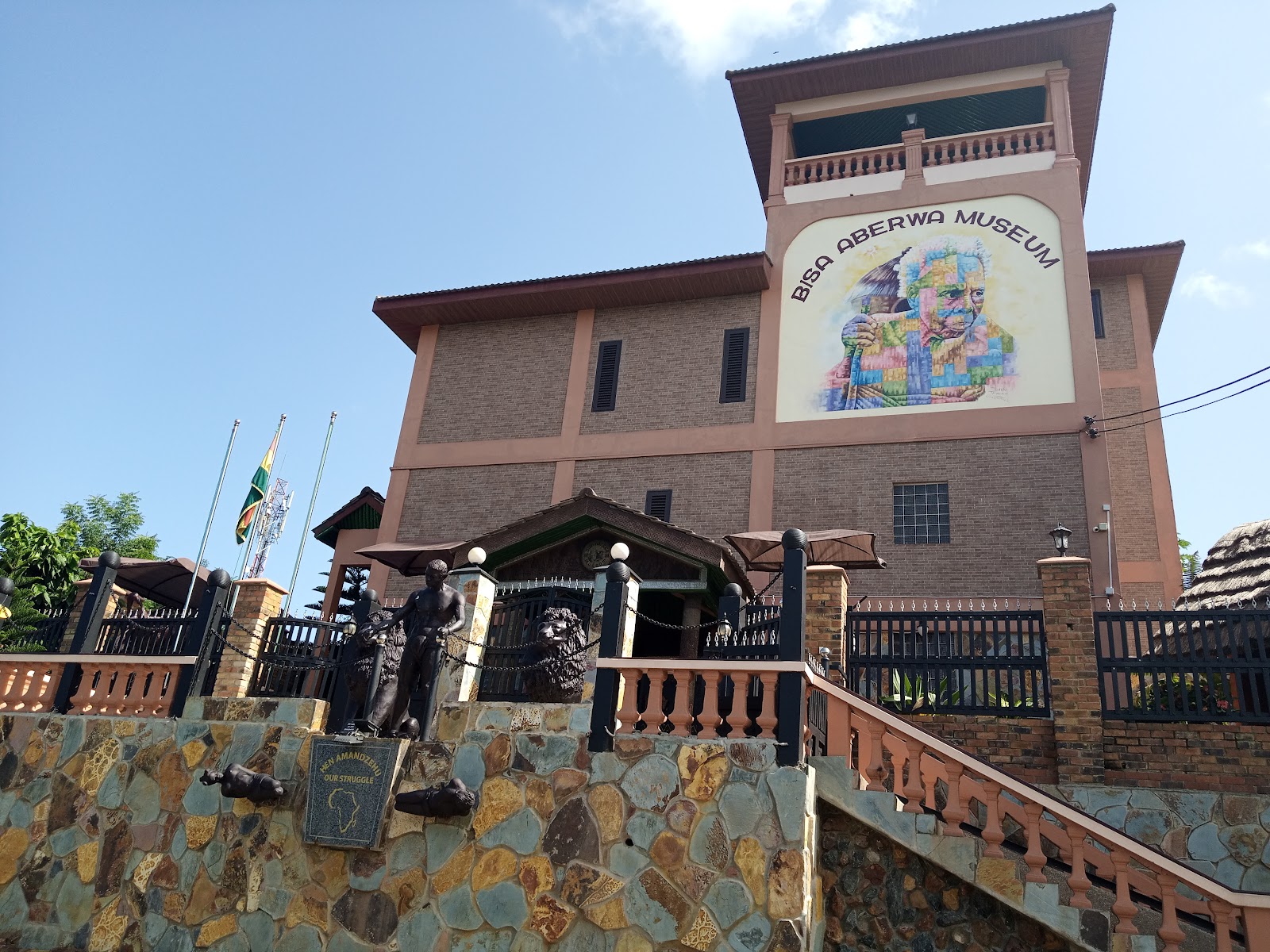
More photos
Photos published by travelers on Google, not AI generated.
What stands out
- Pan-African history and heritage
- Guided tour with questions welcomed
- More than 2,000 reported artefacts
- Photographs, sculptures and audio-visual displays
- Stories of African heroes and heroines
Worth knowing
- Photography and video may not be allowed inside
- Storytelling may assume local background knowledge
- Current admission details should be confirmed
Don't miss
What comes up most in public reviews
- Ask for the guided tour
- Explore the slave-trade history displays
- See the collection of African artefacts
- Ask about the stories of African heroes and heroines
Worth the trip?
Why visit
Bisa Aberwa Museum is a private museum in Sekondi-Takoradi, in Ghana’s Western Region. Public reviews give it a Google rating of 4.5 from 121 reviews, with visitors repeatedly describing it as a meaningful place to learn about African history and the legacy of the slave trade.
The collection is associated with Kwaw Ansah, who reviewers say gathered artefacts over roughly five decades. One review describes more than 2,000 objects collected internationally. The museum’s subject matter is broad, covering African antiquities, photographs, sculptures and audio-visual material. Its stated focus, as reflected in visitor accounts, is the preservation of Black history, the celebration of African heroes and heroines, and the passing of cultural knowledge to future generations.
What the visit is like
A guided tour is a central part of the experience. Visitors describe the guide as knowledgeable and available to answer questions, with the tour providing context around the exhibits and the history of the slave trade. Several reviews frame the visit as emotionally stirring, with one visitor calling it an awakening and another saying it created a strong sense of pride in African identity.
The museum’s presentation appears to rely heavily on storytelling, so the quality of the explanation matters. One Ghanaian reviewer found the storytelling less effective for local visitors, suggesting that some context may be assumed rather than fully explained. That is useful feedback for anyone planning a visit with children, international guests or people encountering this history for the first time. Asking questions during the tour should help draw out more detail.
What to expect on site
Photography and video restrictions are a consistent practical point in the available reviews. One visitor says photography was not permitted inside the museum, while another specifically notes that photographs and videos are not allowed. Visitors should be prepared to experience the exhibits without recording them and should follow the museum’s instructions during the tour.
The admission is paid and includes a guided tour according to one public review. The available listing information does not establish a current price level, so visitors should confirm the latest admission details before travelling. The museum is best treated as a focused cultural attraction rather than a quick photo stop.
Who will enjoy it
Bisa Aberwa Museum suits travellers interested in Pan-African history, Ghanaian heritage, African art and the long afterlife of the slave trade. It should also appeal to members of the African diaspora and visitors seeking a museum experience centred on African perspectives. Reviews suggest that the collection offers plenty to examine, but the visit’s value comes most clearly through the guided interpretation and the chance to ask questions.
Allow half a day for the museum, particularly if the tour prompts discussion. Visitors should arrive ready to listen, reflect and engage with the material. The experience is educational, personal and sometimes sobering.
Plan the rest of the trip
Ask anything
Looking for somewhere else?
Keep exploring around Takoradi
More from Ghana
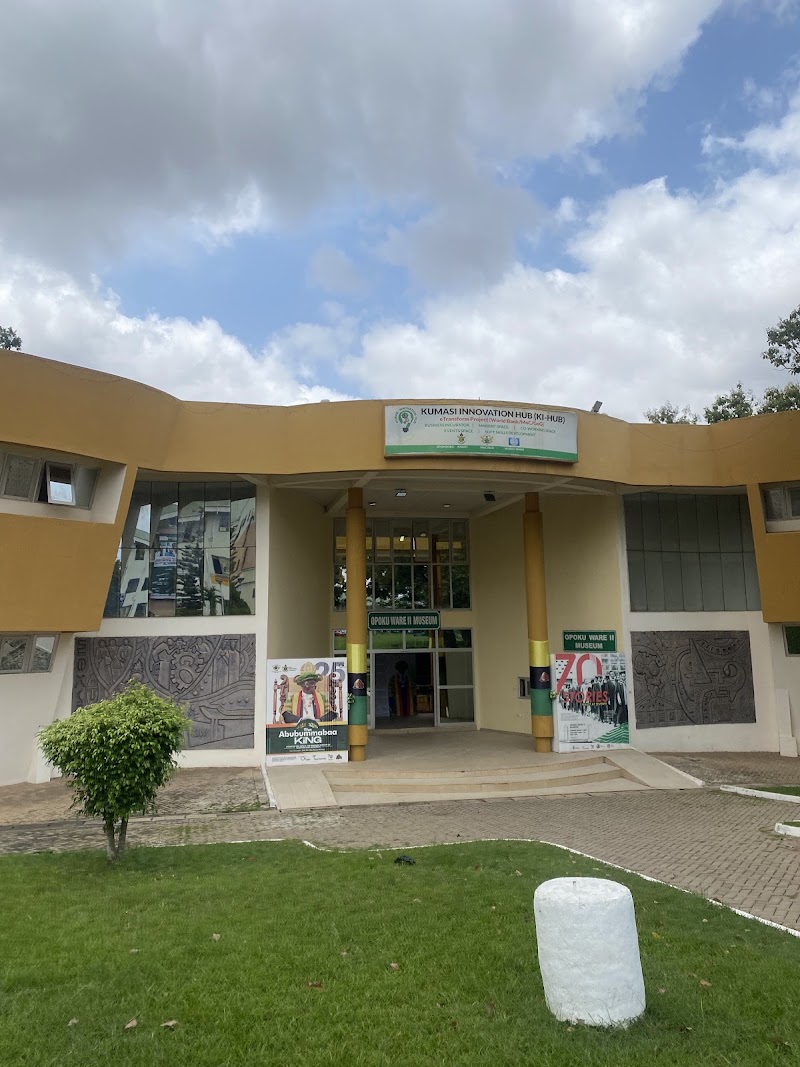
Ghana · Kumasi
Opoku Ware II Museum: An Accessible Ashanti Culture Stop in Kumasi
Public reviews present Opoku Ware II Museum as a calm, welcoming place to learn about Ashanti history, traditions and art in Kumasi.
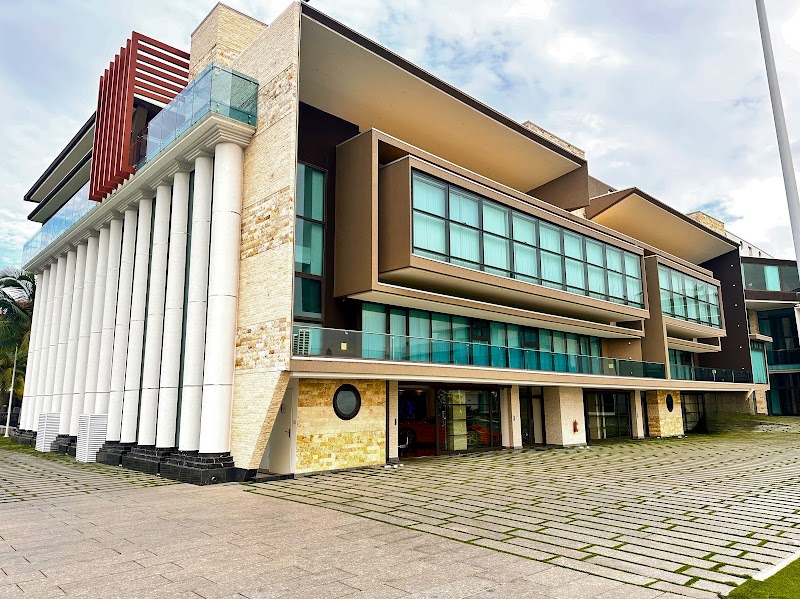
Ghana · Accra
Despite Automobile Museum: Accra’s Guided Car Collection
Public reviews describe a polished, informative museum where rare cars, knowledgeable guides and a calm setting make the visit worthwhile.
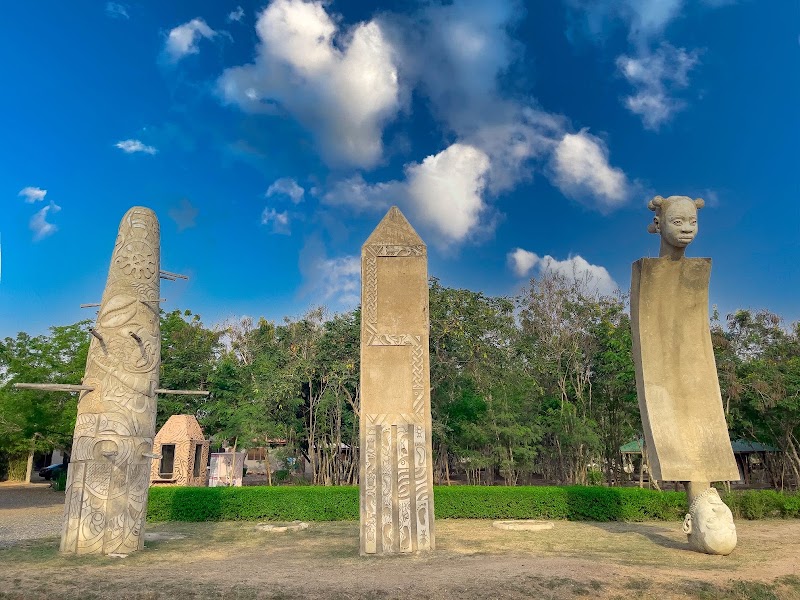
Ghana · Ada Foah
Nkyinkyim Museum Turns History Into a Moving Experience
Public reviews describe a powerful, guide-led museum experience in Ada Foah, shaped by sculpture, ancestry, remembrance and African history.
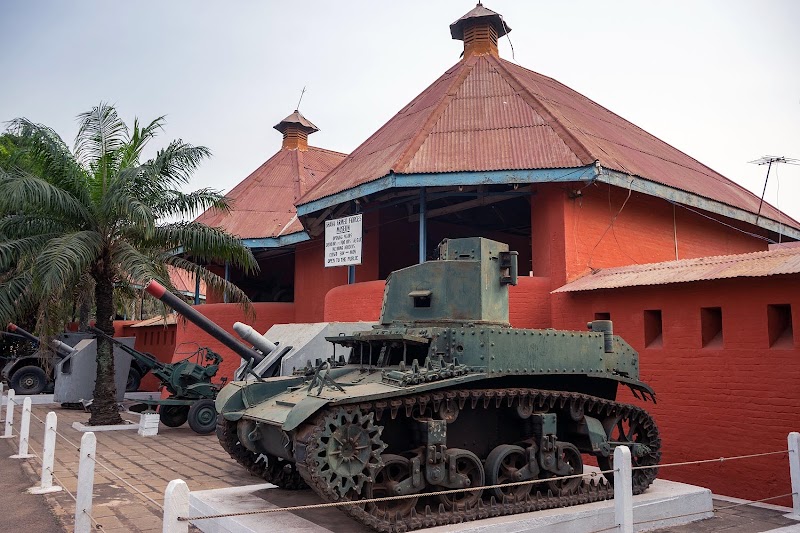
Ghana · Kumasi
Armed Forces Museum: Ghana’s Military Story in Kumasi
Public reviews highlight knowledgeable guides, military exhibits and a compact visit near several major cultural sites in central Kumasi.