Birth Home of Martin Luther King, Jr: A Moving Atlanta Visit
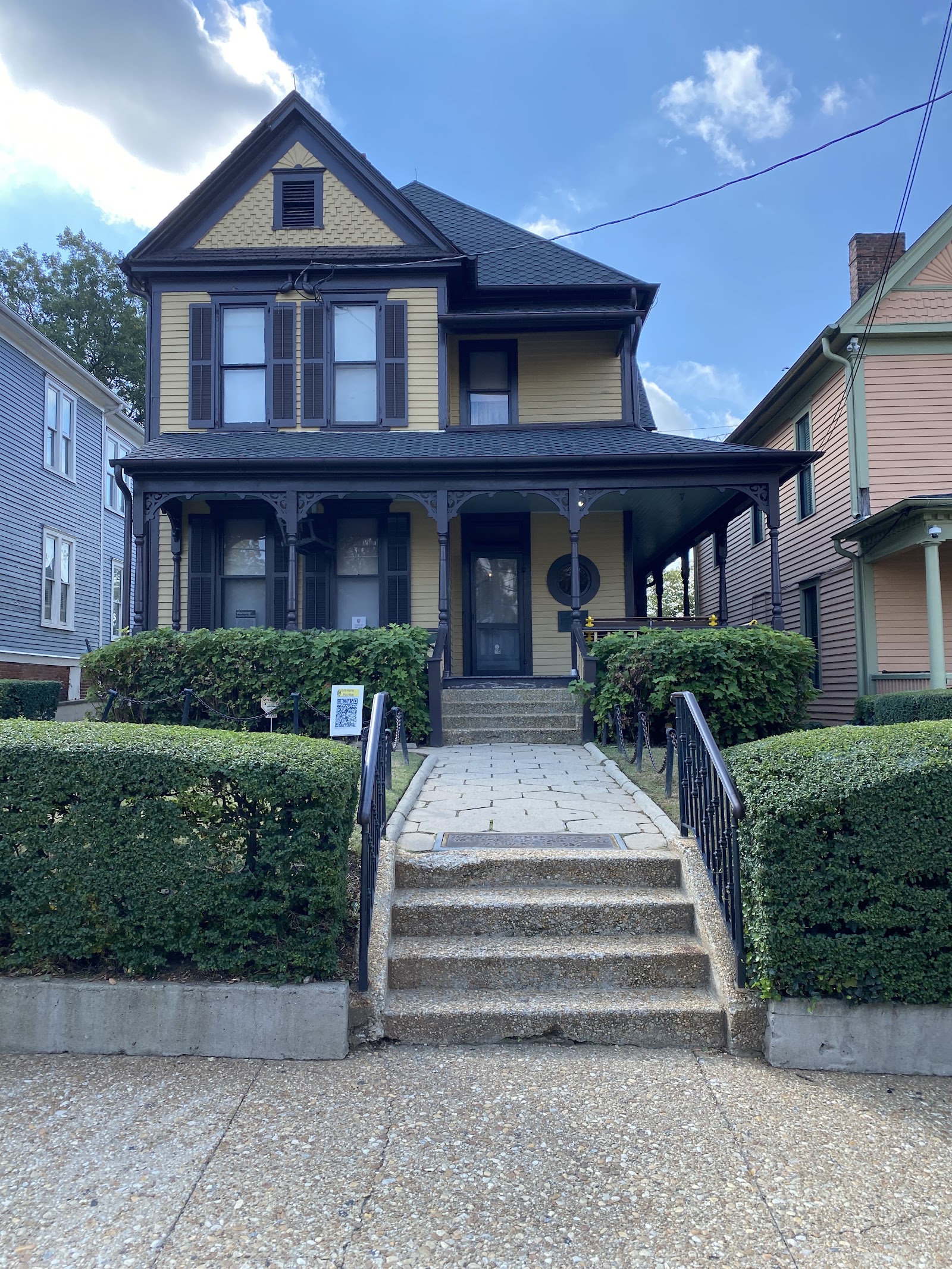
This historic Atlanta home anchors a powerful civil rights site, though public reviews show that access to the interior has been limited at times.
More photos
Photos published by travelers on Google, not AI generated.
What stands out
- A deeply meaningful historic setting
- Childhood context through the home and signage
- Historic neighborhood walks and murals
- Near Fire Station No. 6 and The King Center
- Suitable for multigenerational visits
Worth knowing
- Interior access has been limited in some reviews
- Check tour arrangements at Fire Station No. 6
- Nearby shotgun houses may not appear clearly on maps
Don't miss
What comes up most in public reviews
- Ask at Fire Station No. 6 about home tours
- Read the historical sign across the street
- Walk the surrounding historic neighborhood
- Visit The King Center
- See Ebenezer Baptist Church
Worth the trip?
Why it matters
The Birth Home of Martin Luther King, Jr. is one of Atlanta’s most significant historic places. Public ratings give it 4.8 from 3985 reviews, and the comments show a strong emotional response even when visitors cannot enter the house. The property is tied directly to King’s childhood and sits within the broader Martin Luther King, Jr. National Historical Park area.
Visitors describe the experience as meaningful across generations. One reviewer brought grandchildren and a daughter, while another said that people of every cultural background should visit and reflect on the work carried out for civil rights. The house is not treated as a simple museum stop. It is a place for quiet attention.
What visitors can expect
Interior access has not been consistent in the reviewed experiences. Several visitors arrived too late, found the home closed, or encountered renovation work. That makes advance planning important. A historical sign across the street gives some context, including a short account of King’s childhood and photographs of the rooms where he grew up.
The surrounding neighborhood adds depth to the visit. Reviewers mention walking through nearby streets, photographing historic buildings and murals, and noticing shotgun houses across the street that may not be clearly marked on map listings. The area rewards a slower pace, particularly for visitors interested in architecture and local history.
Pair it with the nearby sites
The Birth Home works best as part of a wider visit rather than as an isolated stop. Public reviews repeatedly connect it with Fire Station No. 6 and The King Center. Ebenezer Baptist Church is also next door to The King Center and is associated with King’s preaching years. Together, these sites create a fuller picture of his family, religious life and public legacy.
One practical detail recurs in the reviews: visitors should check at Fire Station No. 6 before heading to the house. The comments describe tour groups of 20 people at a time and say tickets are obtained there. The reviews also describe the tickets as free. That process may change, so the official site should be checked before travel.
Who should go
This landmark suits visitors who want history with personal and civic weight. It is especially worthwhile for families, students, civil rights travelers and anyone already planning to see The King Center. The best experience depends on treating the visit as a neighborhood walking itinerary, not just a quick photo stop.
The main limitation is clear: the home may be closed or unavailable for interior touring. Even so, the property, interpretive sign and nearby historic sites give the visit substance. Those who arrive prepared for possible restricted access are less likely to leave disappointed.
Plan the rest of the trip
Ask anything
Looking for somewhere else?
Keep exploring around Atlanta
More from United States
United States
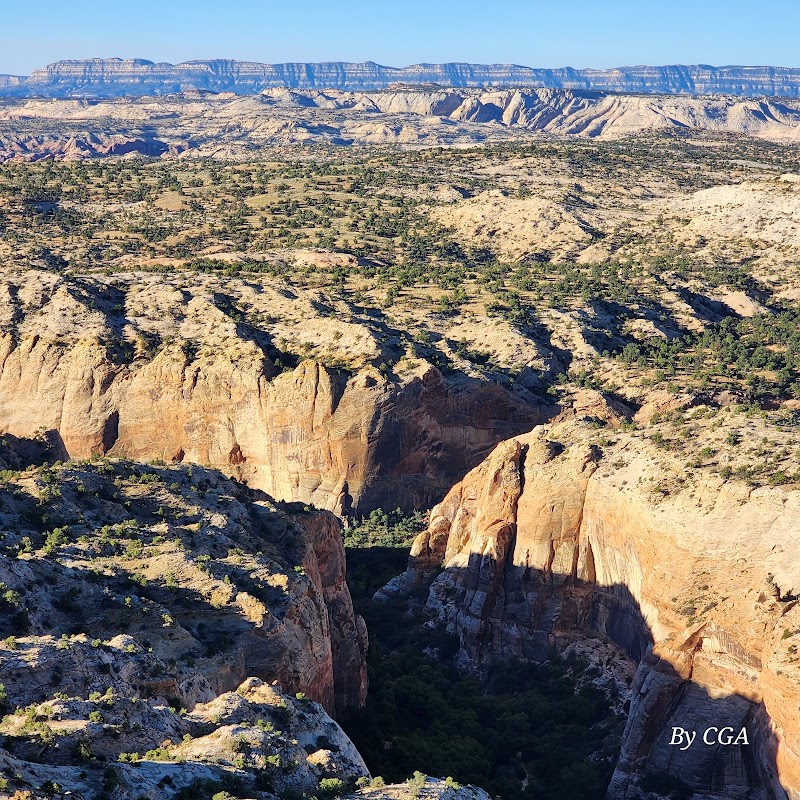
Grand Staircase-Escalante rewards curiosity and self-reliance
Grand Staircase-Escalante National Monument offers vast scenery, quiet dirt roads and unstructured exploration across southern Utah.

United States
Capitol Reef National Park Rewards Slow, Scenic Exploring
Public reviews highlight Capitol Reef’s manageable hikes, striking drives, Fruita orchards and famously popular pies.

United States
Pikes Peak Delivers Big Views by Road or Railway
Public reviews rate Pikes Peak highly for summit views, scenic driving, cog railway rides and a memorable high-altitude stop.
United States
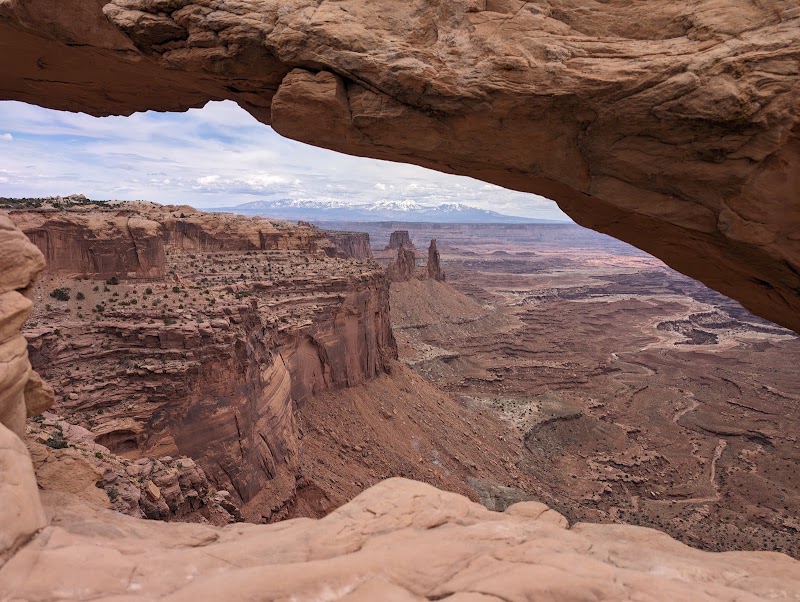
Canyonlands National Park Delivers Huge Desert Views
Public reviews praise Canyonlands for its vast red-rock scenery, panoramic overlooks and memorable walks around the Island in the Sky district.