Binnenhof: Dutch political history beside the Hofvijver
Medieval architecture, working government buildings and waterside views make the Binnenhof central to a walk through The Hague.

More photos
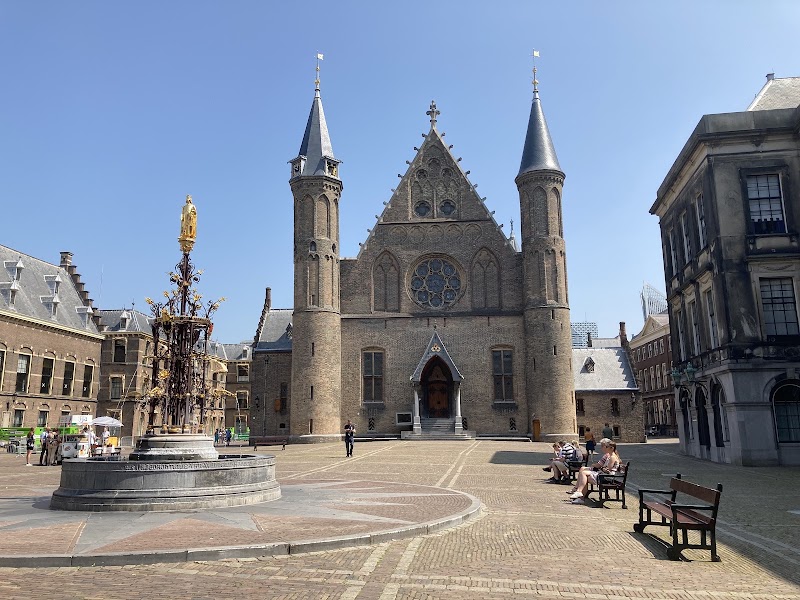
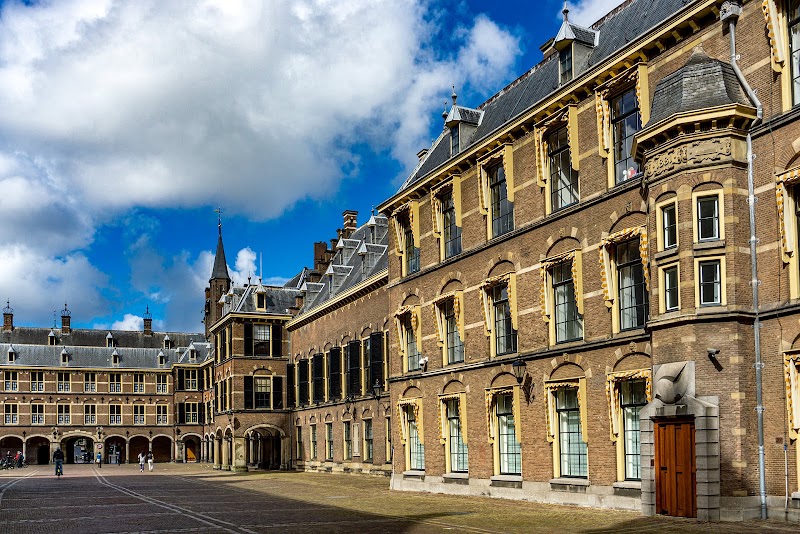
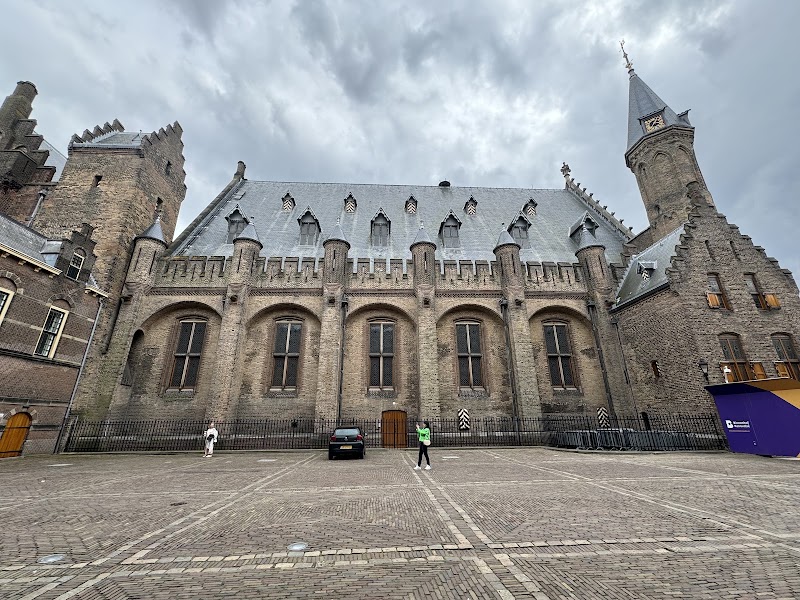

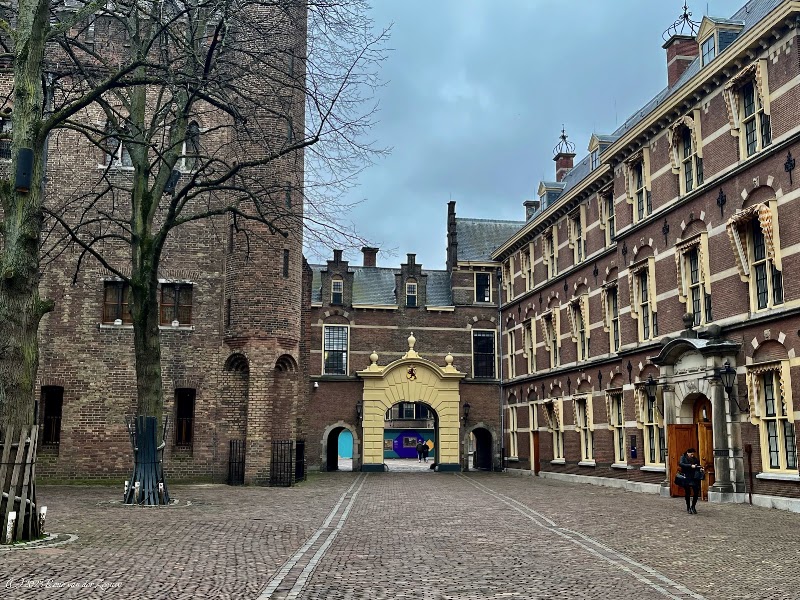
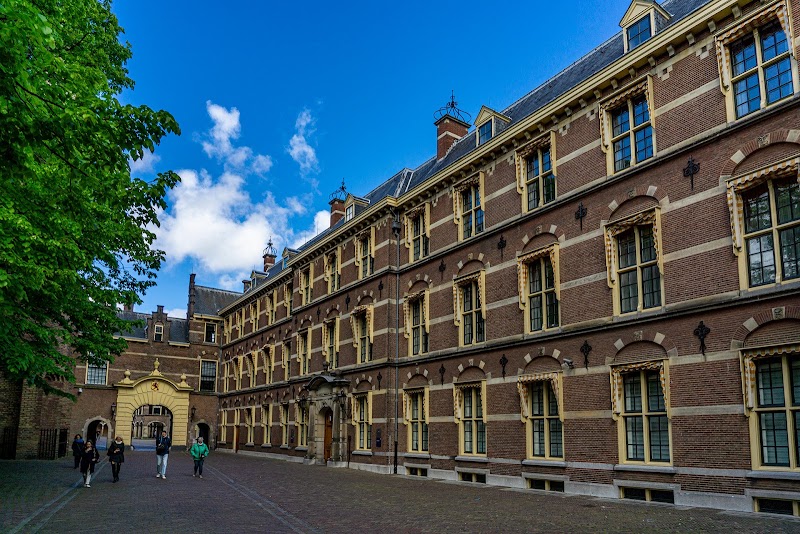
Photos published by travelers on Google, not AI generated.
What stands out
- Ridderzaal and medieval architecture
- Reflections across the Hofvijver
- Cobbled courtyards and neo-Gothic fountain
- Working centre of Dutch government
- Nearby coffee shops and restaurants
Worth knowing
- Some areas may be affected by construction
- Interior and tour access may be unclear
- The surrounding area can feel busy
Don't miss
What comes up most in public reviews
- Walk beside the Hofvijver
- Photograph the Binnenhof across the water
- See the Ridderzaal
- Look for the decorative fountain
- Explore the cobbled courtyards
Worth the trip?
Why the Binnenhof stands out
A synthesis of its 4.5 Google rating from 1532 reviews points to a landmark valued for far more than its political significance. Visitors repeatedly praise the contrast between monumental architecture and a calm waterside setting. Cobbled courtyards, medieval halls and the dramatic Ridderzaal give the complex its historic weight, while the Hofvijver, fountains and birdlife soften the scene.
The Binnenhof is also unusual because it is not simply a preserved monument. Reviewers identify it as the seat of both houses of the States General and the location of the prime minister’s office. That continuing government role adds purpose to the architecture and helps explain why many visitors describe it as an essential stop for understanding Dutch political history.
Architecture, water and atmosphere
The strongest visual impressions come from the Ridderzaal and the ensemble surrounding it. Reviews mention grand medieval architecture, atmospheric paving and a decorative neo-Gothic fountain. Rather than focusing on a single façade, visitors tend to appreciate how the different buildings, courtyards and waterside views work together.
The Hofvijver is central to that experience. Reflections of the Binnenhof across the water are repeatedly singled out, especially when the fountains are flowing. Ducks and the generally peaceful surroundings also receive positive mentions. This makes the area suitable for an unhurried walk, even for travellers with only a passing interest in government institutions.
The surrounding district mixes old and modern city elements. Coffee shops and restaurants nearby make it easy to combine the landmark with a break or a longer wander through central The Hague. Public reviews also suggest that the area can feel busy, though the water provides a calmer counterpoint.
What visitors can expect
The Binnenhof works particularly well as an outdoor sightseeing stop. Photography, architecture and a walk beside the Hofvijver are the most consistently praised activities. The view from across the water helps visitors take in the complex as a whole, while the courtyard perspective brings the Ridderzaal and fountain into sharper focus.
Public feedback is less consistent about interior access. One reviewer reported construction on one side of the complex and could not find a way in or confirm whether tours were available. Travellers mainly interested in entering the buildings should therefore verify current access arrangements before arriving. Even when access is limited, reviews indicate that the exterior, waterfront and surrounding streets remain worthwhile.
Editorial verdict
Binnenhof earns its strong reputation by combining civic importance with one of The Hague’s most recognizable urban scenes. Its appeal is broad: history enthusiasts gain a tangible connection to Dutch government, architecture fans have several periods and styles to examine, and casual visitors can enjoy reflections, fountains and a relaxed walk.
It is best treated as part of a central The Hague itinerary rather than an all-day attraction. Time should be allowed for both the courtyards and the opposite side of the Hofvijver, since the waterside panorama is one of the most frequently praised aspects of the visit. Construction or restricted entry may affect the experience, but the landmark’s setting and exterior remain the main draw.
Ask anything
Looking for somewhere else?
Keep exploring around Den Haag
More from Netherlands
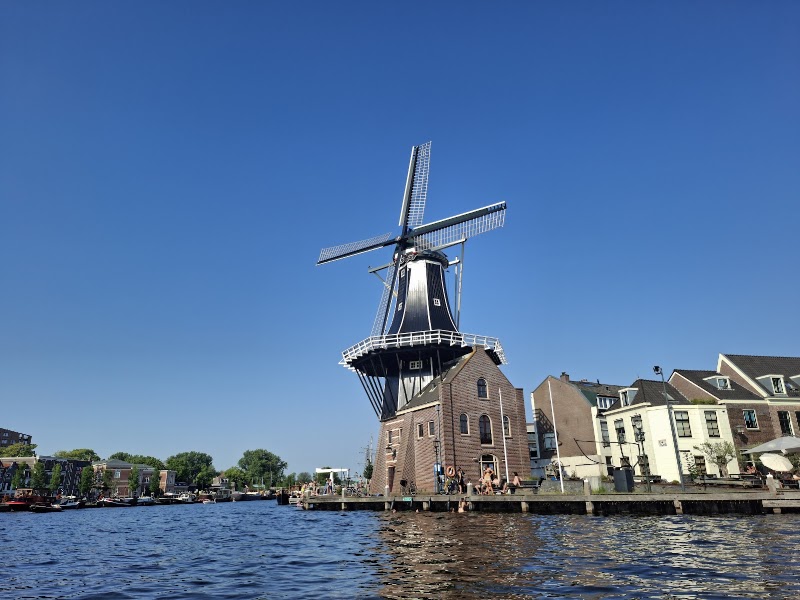
Netherlands · Haarlem
Windmill De Adriaan: Haarlem’s Industrial Past Explained
Guided tours, working models and enthusiastic explanations make this reconstructed riverside windmill one of Haarlem’s strongest history stops.
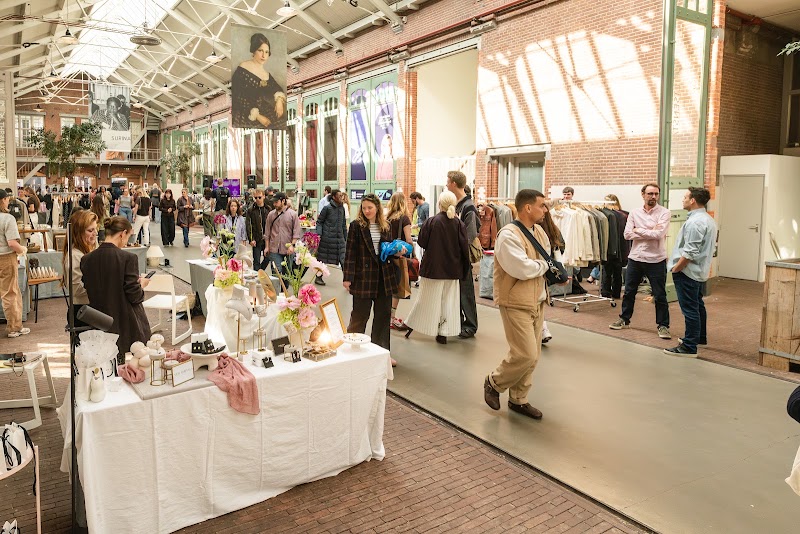
Netherlands · Amsterdam
De Hallen: Amsterdam’s sociable stop for food and shops
A lively cultural complex where broad food choices, communal seating and independent shops make an easy break from Amsterdam sightseeing.
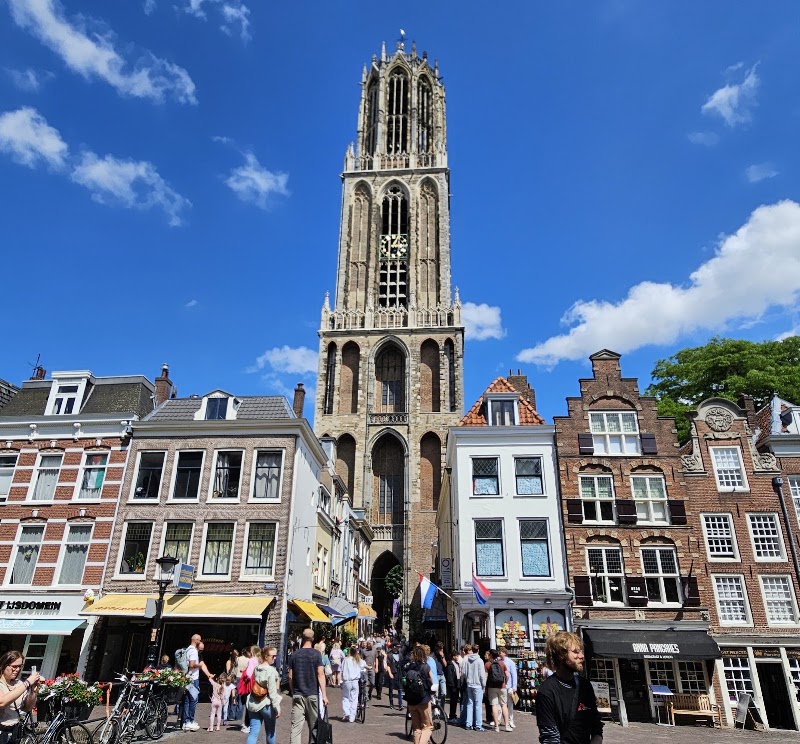
Netherlands · Utrecht
Dom Tower review: Utrecht views after a 465-step climb
Utrecht’s defining Gothic landmark rewards a demanding guided climb with city views, historic bells and a closer look at its past.
Netherlands · Zaandam
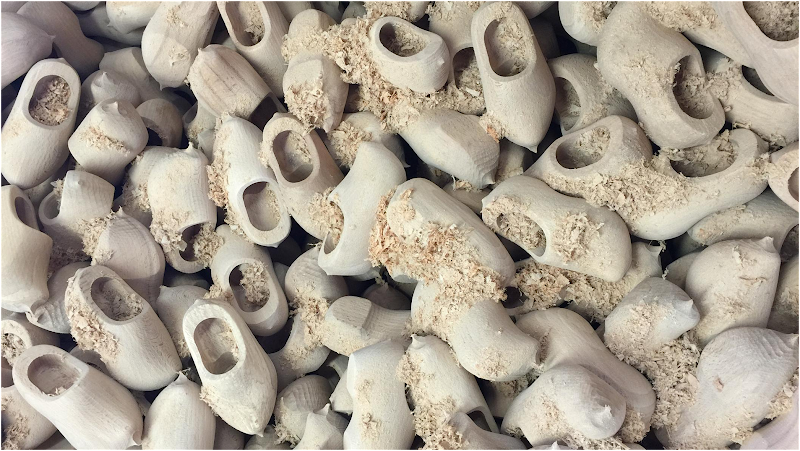
Wooden Shoe Workshop: clogs, craft and quick demonstrations
This lively Zaanse Schans stop combines a compact clog museum, short making demonstrations, playful displays and a large souvenir shop.