Betty’s Hope: Antigua’s Sugar-Era History in Ruins
Historic windmills, scattered ruins and a small museum offer a sobering look at Antigua’s colonial sugar economy and the enslaved people who sustained it.
More photos


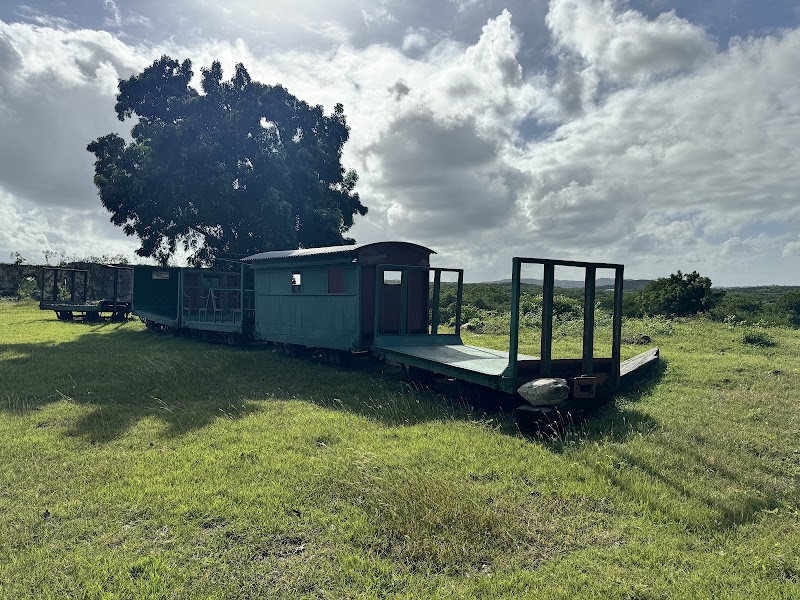
Photos published by travelers on Google, not AI generated.
What stands out
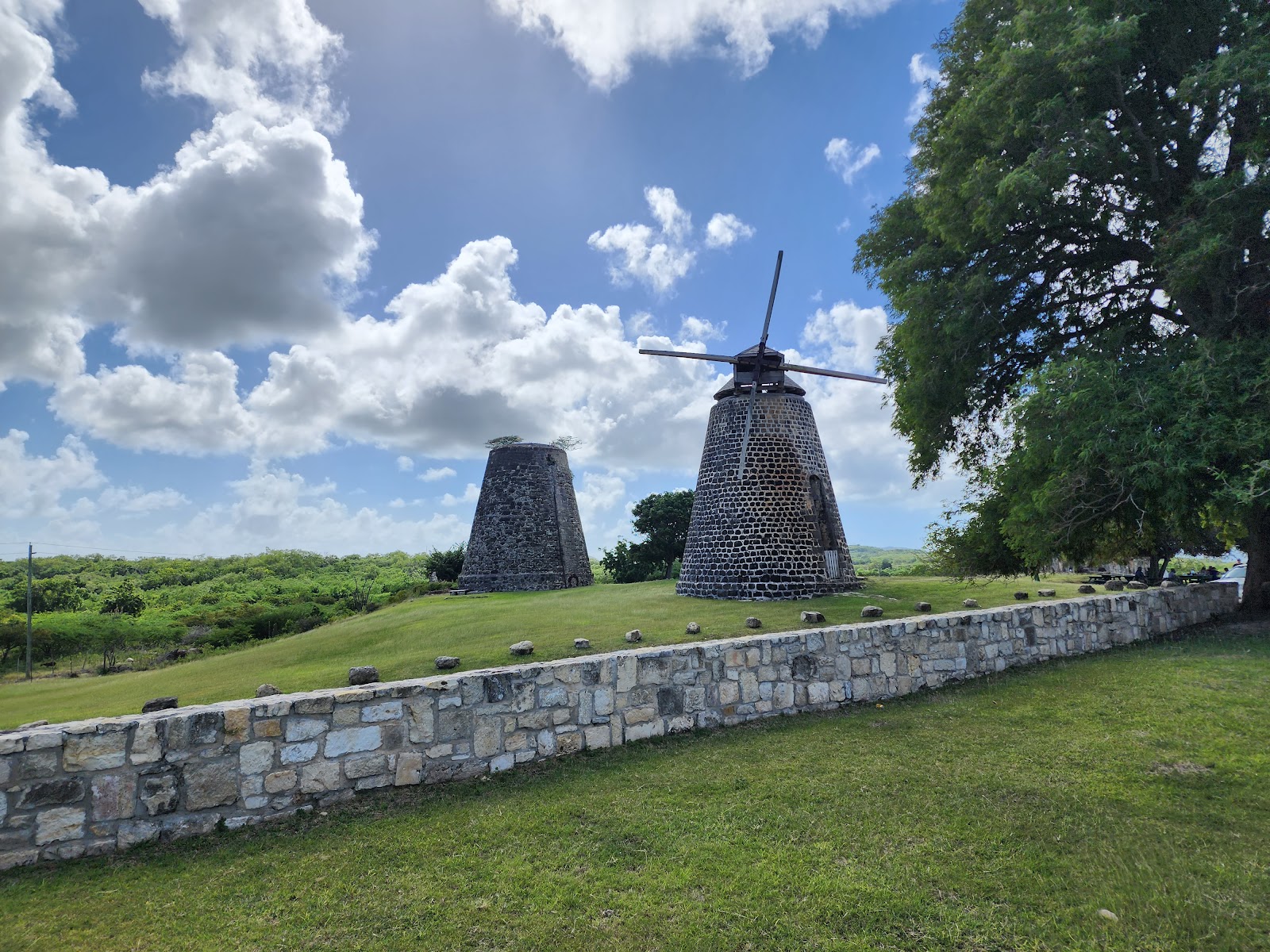
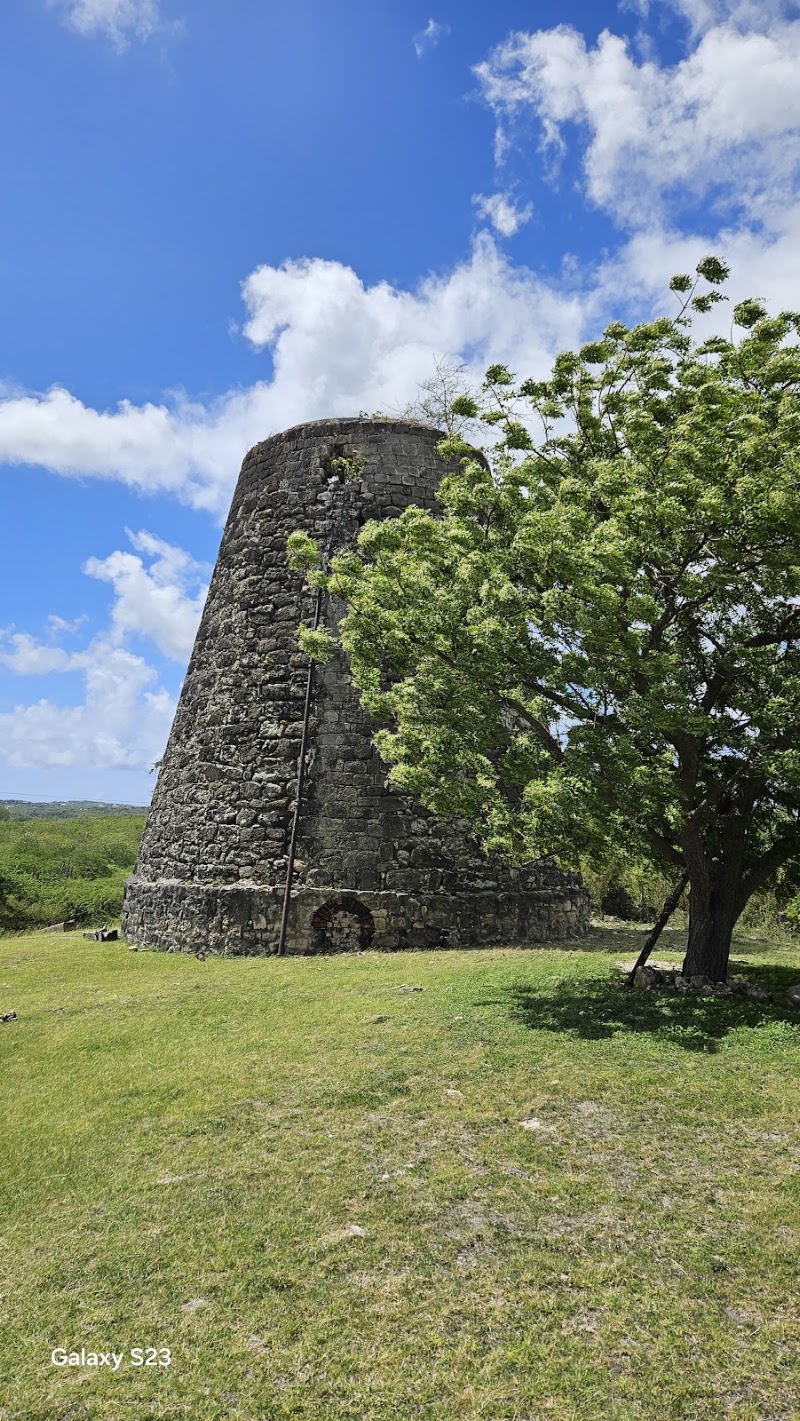
- Historic stone windmills
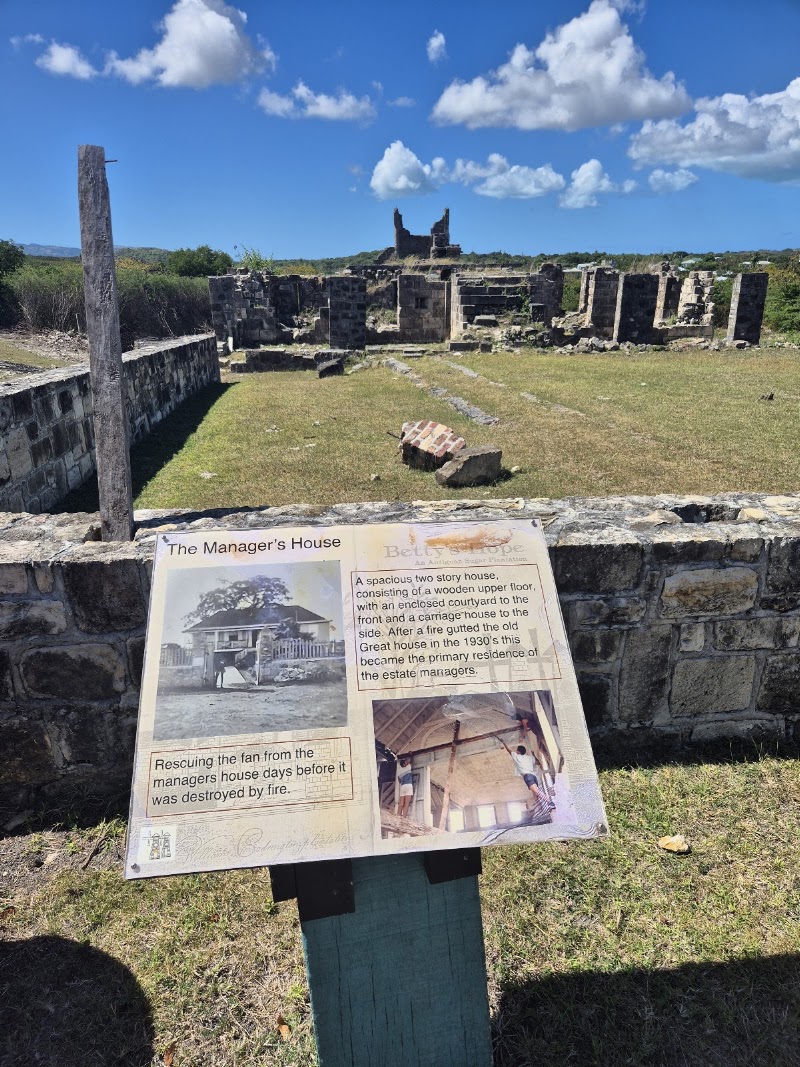
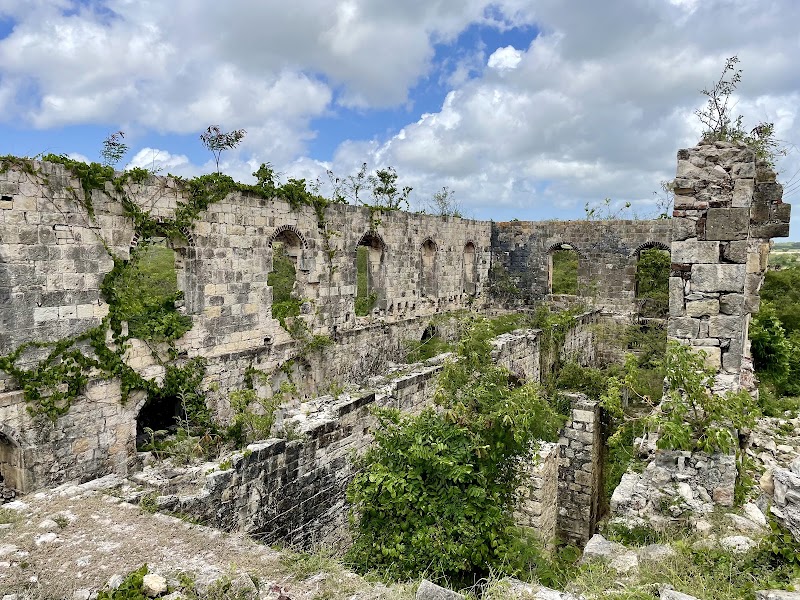
- Ruins of plantation buildings
- Traces of the former railway line
- Hilltop views and cooling breezes
- Small history museum
Worth knowing
- Some areas need better maintenance
- Most buildings survive only as ruins
- Opening may be slightly delayed
Don't miss
What comes up most in public reviews
- Photograph the old windmills
- Visit the small museum
- Look for the former railway line
- Walk among the plantation ruins
- Pause for the hilltop views
Worth the trip?
Why visit
Betty’s Hope Historic Sugar Plantation is less a polished heritage attraction than an open, atmospheric historical site. Public feedback repeatedly focuses on its old windmills, ruined structures and broad hilltop setting. With a Google rating of 4.2 from 375 reviews, it is generally regarded as a worthwhile stop for travellers interested in Antigua’s past.
The site helps explain the scale and importance of sugar production to the island’s former economy. Reviewers also stress the human cost behind that industry: the plantation was powered by the forced labour of enslaved Africans. That context gives the visit a sombre weight. It is not simply a photogenic collection of stone ruins, but a place connected to colonial exploitation and its lasting effect on Antiguan history and culture.
What remains to be seen
The windmills are the clearest visual draw and the feature most consistently praised in reviews. Their substantial stone forms stand out against the open landscape, making them popular subjects for photographs. Visitors can also look for the foundations and remnants of plantation buildings, along with traces of where a railway line once ran.
Much of the wider complex is now in ruins, so expectations matter. Travellers should not anticipate fully restored plantation houses or extensive reconstructed interiors. Instead, the appeal lies in reading the surviving landscape and imagining the former scale of the operation.
A small museum adds historical information, although reviews describe it as modest rather than comprehensive. Some visitors feel that the museum and grounds need more cleaning and maintenance. Even so, several consider the stop worthwhile when combined with the windmills and surrounding ruins.
Setting and length of visit
The elevated location adds another reason to pause. Reviews mention attractive views, steady breezes and picnic tables, with the exposed hilltop setting offering some relief on hot days. The open grounds suit a slow walk, though there may be limited shelter from the sun.
A typical visit appears to take between 30 minutes and an hour. One reviewer stopped for roughly half an hour as part of an island tour, while history-focused visitors may want longer to examine the remains and museum displays. The site can also work as a picnic stop, provided visitors are comfortable with fairly basic facilities.
Editorial verdict
Synthesised review patterns suggest Betty’s Hope works best for travellers who value historical context over polished presentation. The windmills, views and surviving industrial remains are memorable, but maintenance concerns and the limited museum prevent it from feeling fully developed.
Opening arrangements may also be informal. One visitor reported arriving at the stated morning opening time and waiting briefly before entry began, so tightly scheduled travellers should allow some flexibility. For those willing to engage thoughtfully with difficult history, Betty’s Hope remains one of Antigua’s most meaningful heritage stops.
Ask anything
Looking for somewhere else?
Keep exploring around Pares
More from Antigua & Barbuda
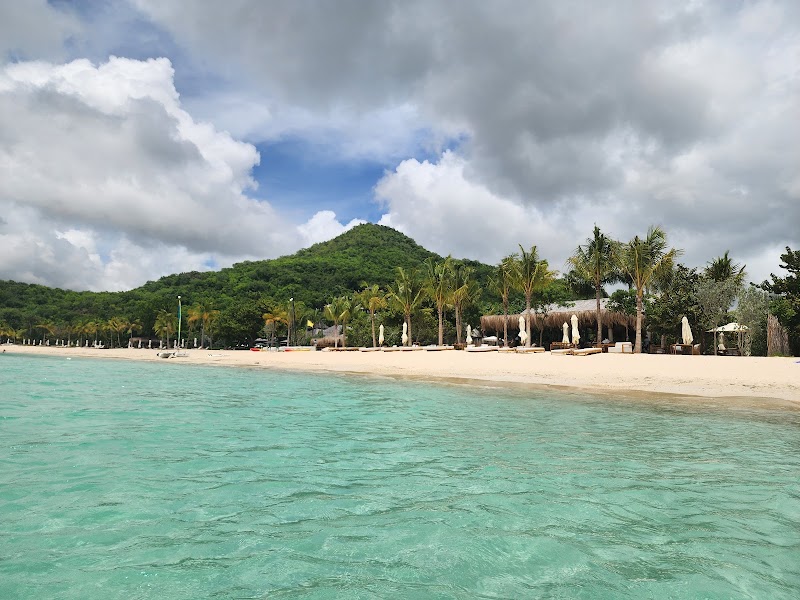
Antigua & Barbuda · Jennings, Antigua
Hermitage Bay Beach: Calm Water and Quiet Sands
A sheltered beach in Jennings, praised for tranquil shallows, family-friendly swimming, sunsets and snorkelling around its rocky edges.
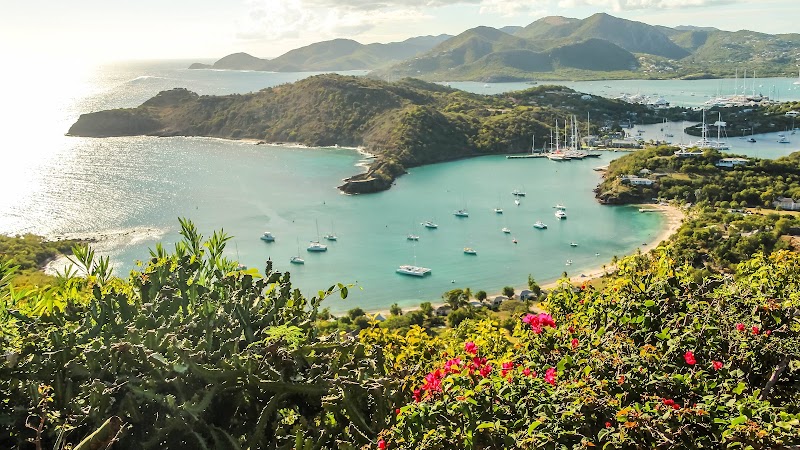
Antigua & Barbuda · Shirley Heights
Shirley Heights: Antigua Views, History and Sunday Music
This historic hilltop lookout combines sweeping Atlantic views with colonial-era context and a lively Sunday barbecue and music gathering.
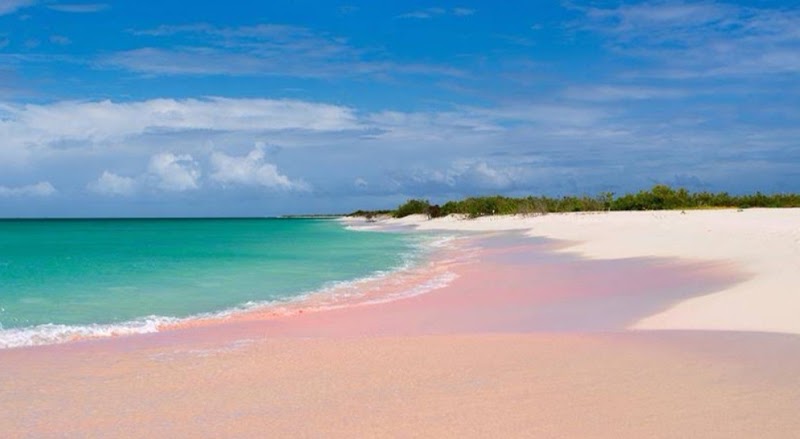
Antigua & Barbuda · Codrington
Pink Sand Beach: Barbuda’s Quiet Rosy Shoreline
Pink-tinted sand, clear water and a strikingly secluded setting make this Barbuda beach best suited to a short, self-contained visit.
Antigua & Barbuda · St. Mary’s
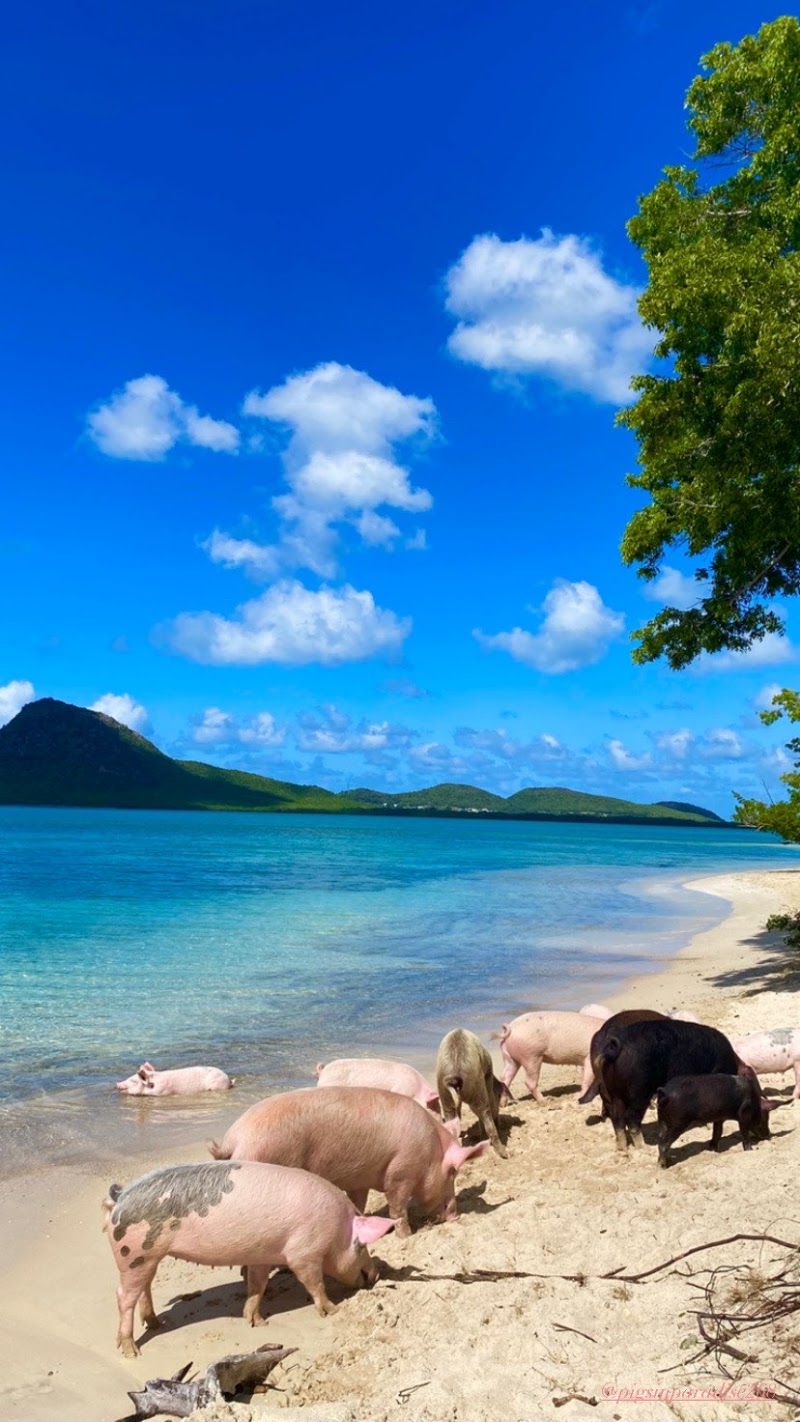
Pig encounters and beach time at Pig’s Paradise Antigua
Pig’s Paradise pairs supervised feeding and beach interaction with an informative introduction to the animals and their care.