Bet She’arim National Park: Caves, Coffins and Ancient Scripts
An extensive Jewish necropolis near Kiryat Tiv’on, praised for its atmospheric burial caves, decorated sarcophagi and green setting.
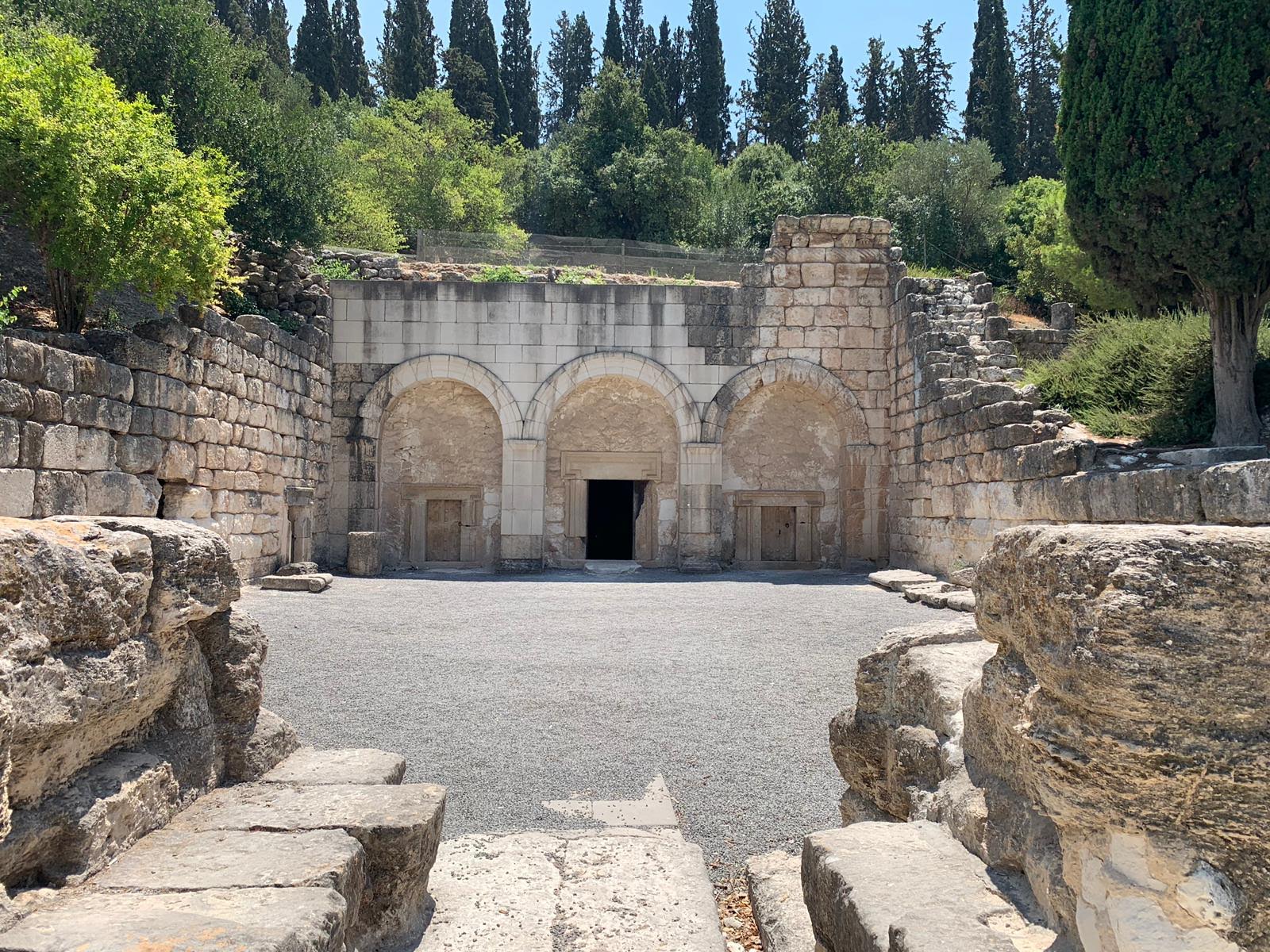
More photos
Photos published by travelers on Google, not AI generated.
What stands out
- Walk-in burial caves
- Decorated stone sarcophagi
- Greek, Hebrew and Aramaic inscriptions
- Green park surroundings
- UNESCO World Heritage status
Worth knowing
- Some presentations may be Hebrew only
- Food options appear limited
- Some caves may have restricted opening days
Don't miss
What comes up most in public reviews
- Cave of Coffins
- HaNasi Cave
- Carved symbols on the sarcophagi
Worth the trip?
Why it stands out
Bet She’arim National Park has a Google rating of 4.6 from 4444 reviews. A common thread in the public feedback is surprise at the park’s size and just how much there is to see. Travellers expecting a brief stop often end up spending an hour or more in the burial caves. Add the surrounding paths and a visit can run towards half a day.
At the heart of the park is an extensive Jewish necropolis, made up of interconnected caves, chambers and wall niches. Some tombs are fairly plain. Others hold substantial stone coffins and carved details. Reviewers particularly appreciate that visitors can go inside and explore the caves, rather than having to view them from outside. UNESCO awarded the park World Heritage status in 2015, recognition that gives some context to the scale and historical importance of what lies underground.
Caves, carvings and inscriptions
Two spaces draw especially enthusiastic comments: the Cave of Coffins and the HaNasi Cave. The Cave of Coffins contains some of the site’s most memorable sarcophagi, including examples decorated with symbols and figures. Visitors also single out inscriptions in Greek, Hebrew and Aramaic. These are easy details to miss on a hurried circuit, so slower exploration pays off.
There is more here than archaeology. Reviews describe the wider park as green and beautiful, a marked contrast to the dim burial chambers below. Open-air paths add a modest amount of walking, which suits travellers who want some time outdoors alongside the history. The caves remain the priority, but the landscaped setting turns the visit into a fuller excursion rather than a stop at a single monument.
How much time to allow
Rushing is likely to mean missing a good part of the complex. One reviewer arrived expecting to stay around 30 minutes, then spent roughly an hour exploring only about half the park. Another reported a total visit of about three hours, although that included hiking to and from the site without a car. On the evidence of those accounts, two to three hours is a sensible allowance for the principal caves and the surrounding grounds.
For quieter conditions, one reviewer’s timing may be useful: the visit took place after the children’s Sukkot holiday, when the park was notably uncrowded. It is a single account, not a guarantee. Still, it gives travellers a reason to avoid school-holiday periods where possible.
Practical limitations
Language provision is the clearest criticism in the supplied reviews. One visitor found that the video presentations were available only in Hebrew, with no English audio or subtitles. The guided tour that visitor joined was also Hebrew-only. International travellers should be prepared for limited interpretation in some parts of the park.
Food options appear basic too. One reviewer found no proper place to eat beyond a small store, making this better approached as an archaeological outing than a leisurely meal stop. A separate account says that a newer cave section opened only at weekends. Access arrangements can change, so anyone hoping to see every available cave should check the current opening schedule before setting out. Visitors arriving without a car will also need extra time and energy for the walk to and from the park.
Plan the rest of the trip
Ask anything
Looking for somewhere else?
Keep exploring around Kiryat Tiv'on
More from Israel
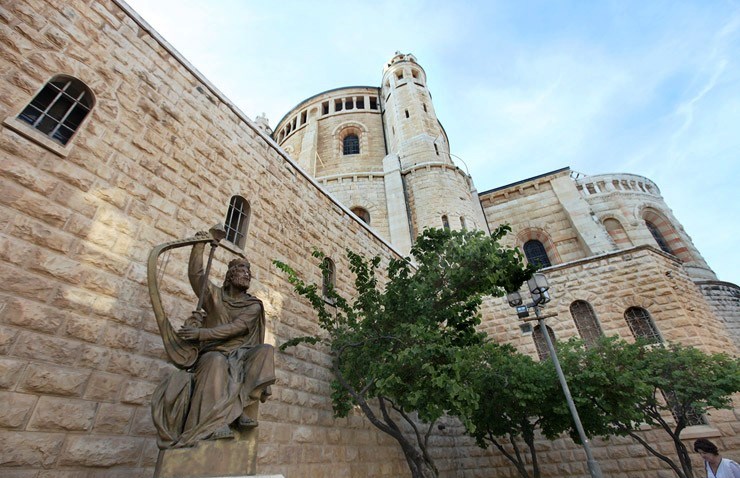
Israel · Jerusalem
Mount Zion, Jerusalem’s Layered Historic Quarter
Public reviews describe Mount Zion as a meaningful historic stop with strong views, religious significance and practical considerations for visitors on foot.
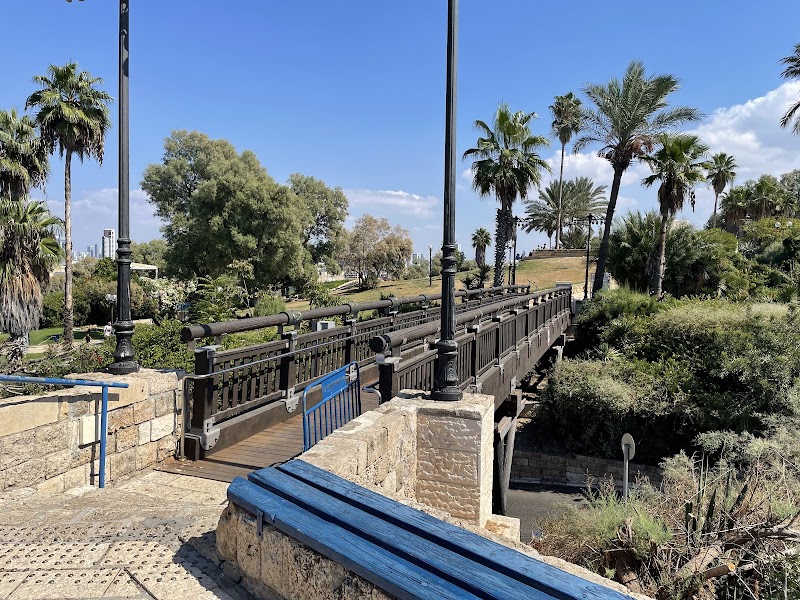
Israel · Tel Aviv-Yafo
Wishing Bridge: A Sea View and a Small Jaffa Ritual
This wooden bridge in Old Jaffa pairs zodiac plaques, a simple wishing ritual and open views towards the Mediterranean.
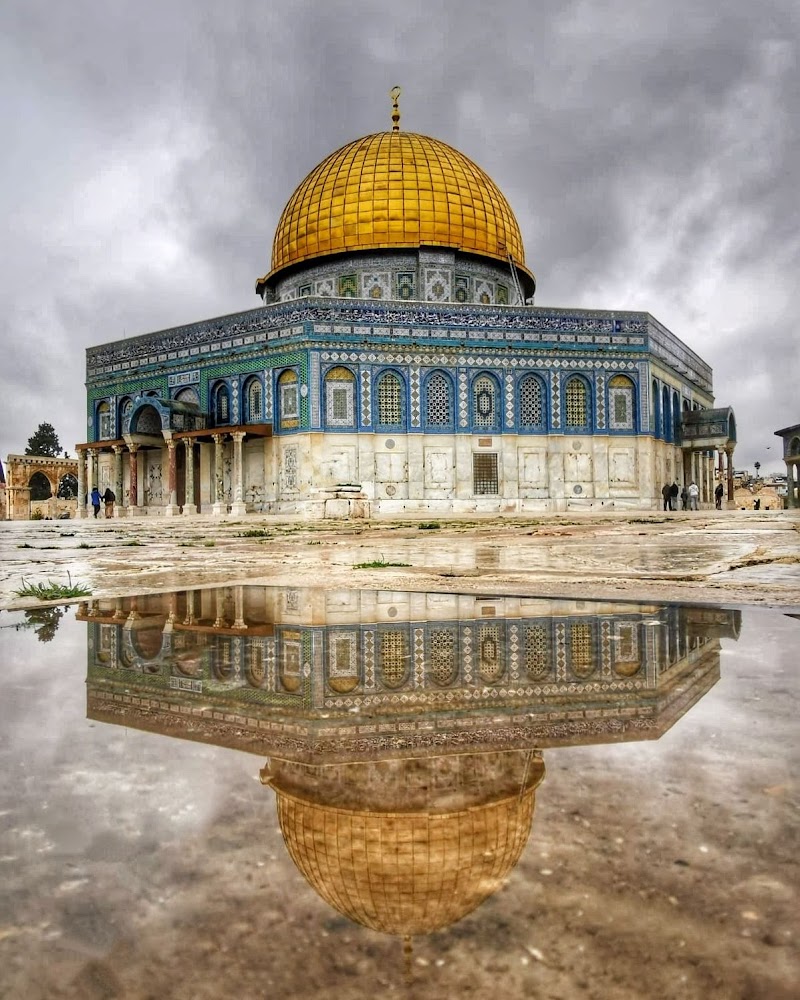
Israel · Jerusalem
Dome of the Rock: A Landmark That Demands Careful Planning
Jerusalem’s golden-domed sanctuary draws strong praise for its artistry and history, but access, photography and conduct rules require close attention.
Israel · Jerusalem
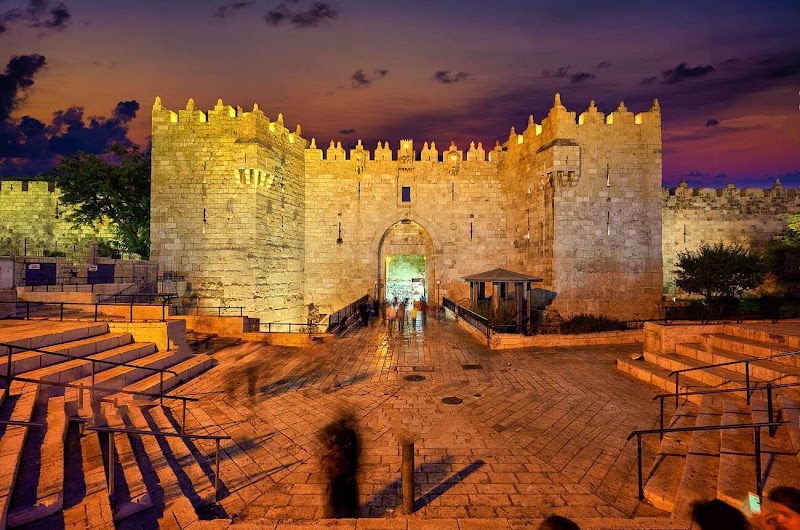
Damascus Gate: Jerusalem’s Lively Old City Entrance
Damascus Gate is a memorable starting point for exploring Jerusalem’s Old City, with stone streets, local shops, food stalls and views by the Muslim Quarter.