Beit Guvrin-Maresha: Caves, Trails and Ancient Ruins
A sprawling archaeological park where cool caves, spring wildflowers and accessible bell caverns reward a well-planned half-day visit.

More photos
Photos published by travelers on Google, not AI generated.
What stands out
- Cool underground caves
- Spring flowers and green landscapes
- Easy walking routes
- Ancient architecture and history
- Picnic areas
Worth knowing
- Limited shade on walking trails
- Confusing signage between parking areas
- Most tracks are not wheelchair or trolley compatible
Don't miss
What comes up most in public reviews
- Explore the bell caverns
- Visit the bathing cave
- See the Church
- Walk the circular trail
Worth the trip?
What public reviews say
Beit Guvrin-Maresha National Park earns a Google rating of 4.7 from 4281 reviews, with visitors repeatedly praising its caves, ancient remains and spring landscapes. Families report that children stay engaged while moving between underground spaces, and walkers appreciate the combination of easy trails and historical sites. Several reviewers also note that the park is substantially larger than expected.
The experience is not limited to a single compact archaeological complex. Sites are spread across the park, and some visitors find that driving between parking areas is the most practical way to cover the main attractions. Others recommend exploring on foot for a fuller sense of the landscape. A circular walking route is described as taking roughly three to four hours, though the exact duration depends on which caves and ruins are included.
Caves and historical remains
The caves are the clear highlight across the available reviews. Their scale and variety appeal to both adults and children, while the cooler underground conditions provide welcome relief on hot days. The bell caverns receive particular attention and are also identified by reviewers as the accessible part of the park for wheelchair users and families with trolleys.
Above ground, visitors describe ancient architecture and rich historical interest, although the quality of interpretation draws mixed feedback. Some find the area well described and maintained, while others want clearer explanations of individual sites and more historical context. Anyone especially interested in Maresha’s past may benefit from reading about it before arrival or checking available visitor information at the entrance.
Specific stops mentioned positively include the bathing cave and the Church. These can be incorporated into a longer walking circuit, alongside the many other caves scattered through the park. Reviewers generally describe the walking difficulty as easy, but that does not mean every track is suitable for wheels.
When and how to explore
Spring receives the strongest recommendations. At that time, the surrounding fields can be green and filled with flowers, and breezy conditions may make walking more comfortable. The park also has picnic areas, making a half-day outing practical for families or groups.
Shade is scarce along much of the trail. Hats, sun protection and sufficient drinking water are important even when the caves themselves feel cool. Travellers who want to walk extensively may prefer an earlier start, while those prioritising the underground sites can combine shorter walks with drives between parking areas.
Planning limitations
Navigation is the most consistent weakness in the sample reviews. Some visitors struggle to locate particular parking areas and consider the signage insufficient for a park of this size. Allowing extra time and checking the park layout before setting off can reduce frustration.
Accessibility is also limited. Reviewers state that most tracks are not compatible with wheelchairs or trolleys, with the bell caverns singled out as the accessible option. Overall, the park suits visitors prepared for a spread-out attraction with exposed walking routes rather than a simple, fully accessible circuit.
Plan the rest of the trip
Ask anything
Looking for somewhere else?
Keep exploring
More from Israel
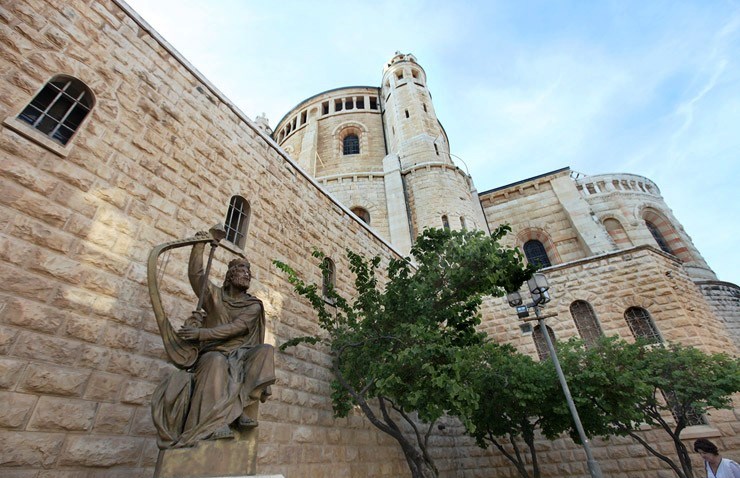
Israel · Jerusalem
Mount Zion, Jerusalem’s Layered Historic Quarter
Public reviews describe Mount Zion as a meaningful historic stop with strong views, religious significance and practical considerations for visitors on foot.
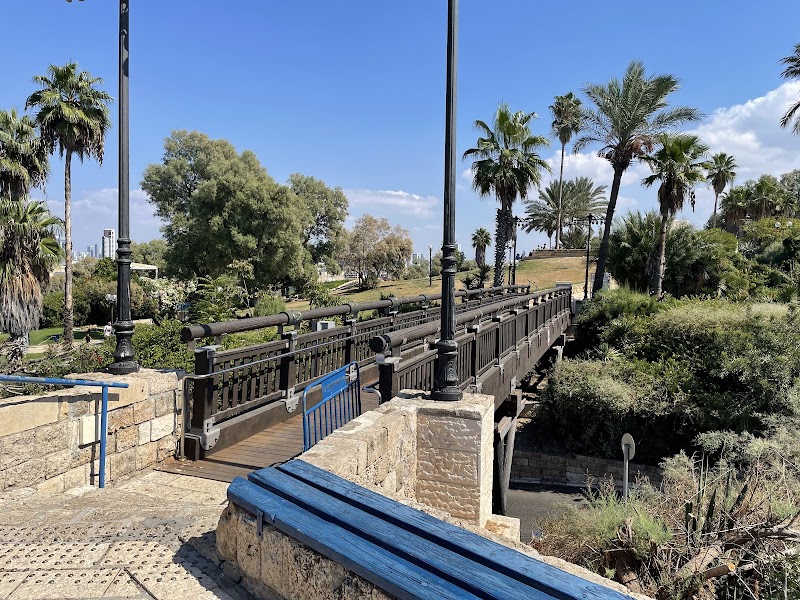
Israel · Tel Aviv-Yafo
Wishing Bridge: A Sea View and a Small Jaffa Ritual
This wooden bridge in Old Jaffa pairs zodiac plaques, a simple wishing ritual and open views towards the Mediterranean.
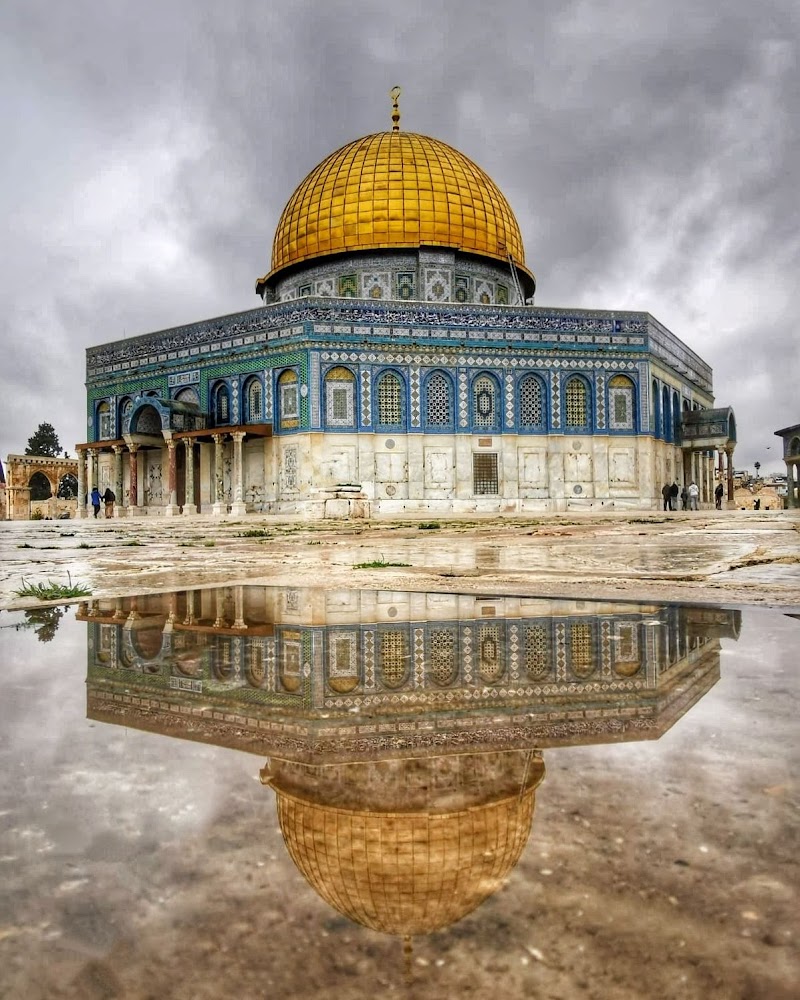
Israel · Jerusalem
Dome of the Rock: A Landmark That Demands Careful Planning
Jerusalem’s golden-domed sanctuary draws strong praise for its artistry and history, but access, photography and conduct rules require close attention.
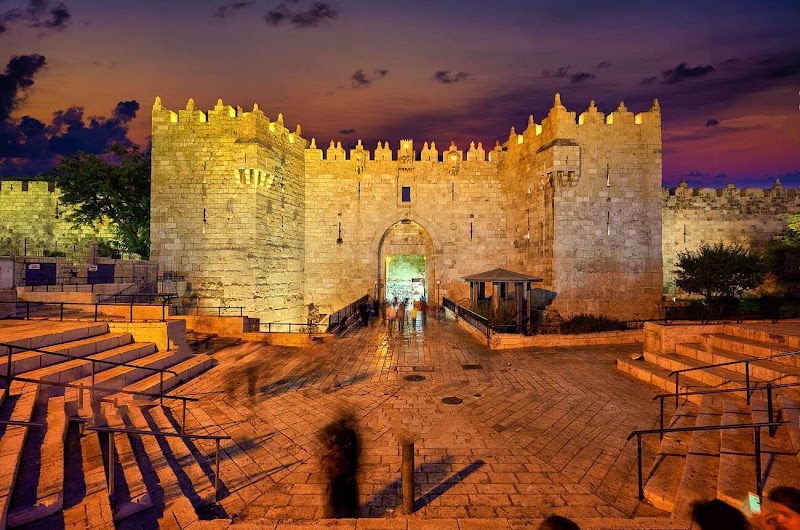
Israel · Jerusalem
Damascus Gate: Jerusalem’s Lively Old City Entrance
Damascus Gate is a memorable starting point for exploring Jerusalem’s Old City, with stone streets, local shops, food stalls and views by the Muslim Quarter.