Bayon Temple: Stone Faces at the Heart of Angkor Thom
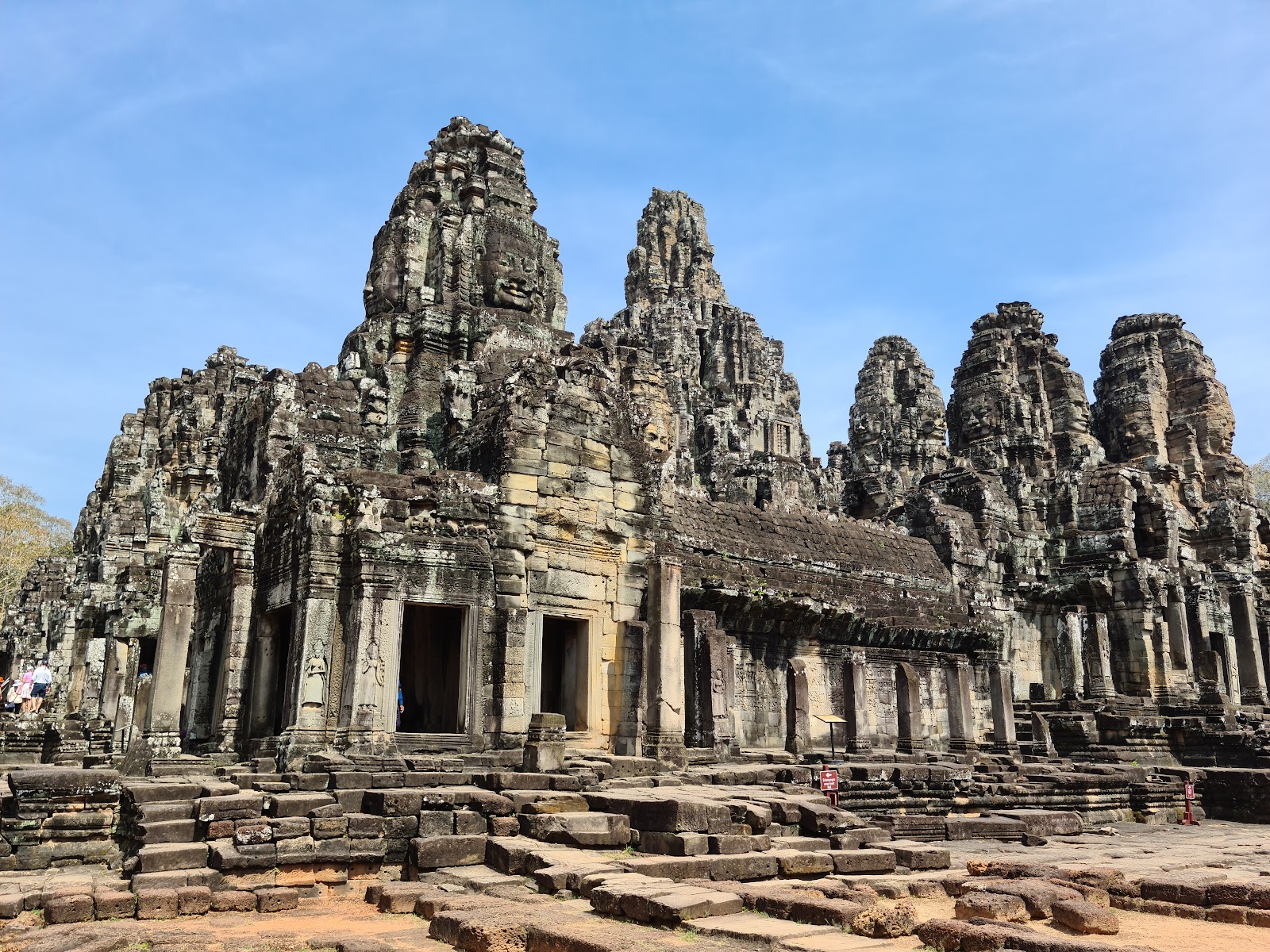
Public reviews praise Bayon Temple for its monumental smiling faces, intricate reliefs and striking architecture at the centre of Angkor Thom.
More photos
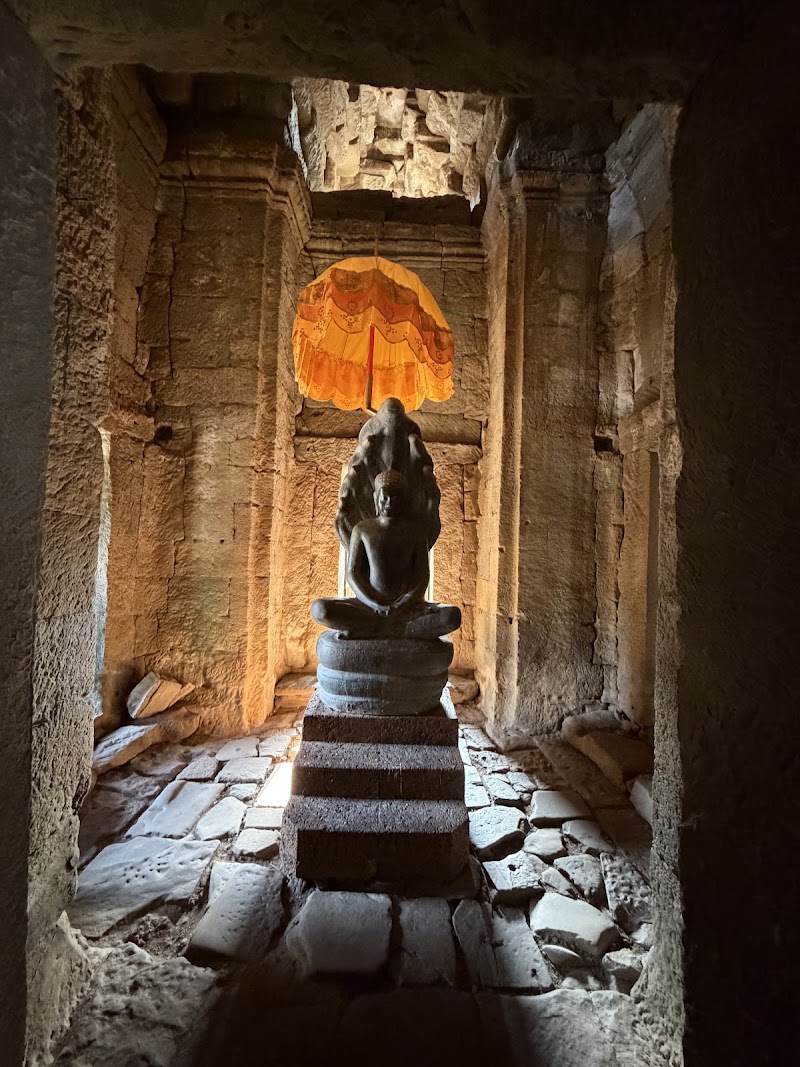

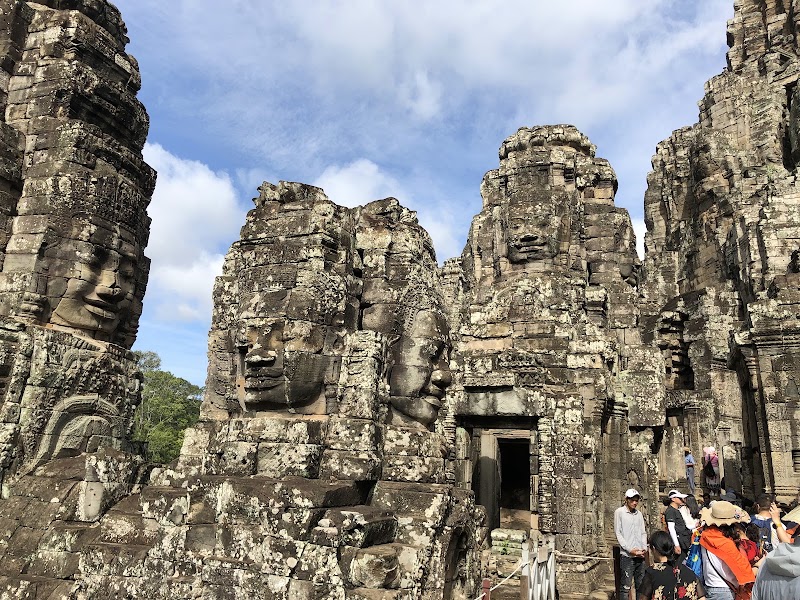
Photos published by travelers on Google, not AI generated.
What stands out
- Iconic smiling stone faces
- Detailed historical bas-reliefs
- Large, intricate temple complex
- Smaller temples and monuments nearby
Worth knowing
- Restoration work may affect some areas
- Detail-focused visits require ample time
Don't miss
What comes up most in public reviews
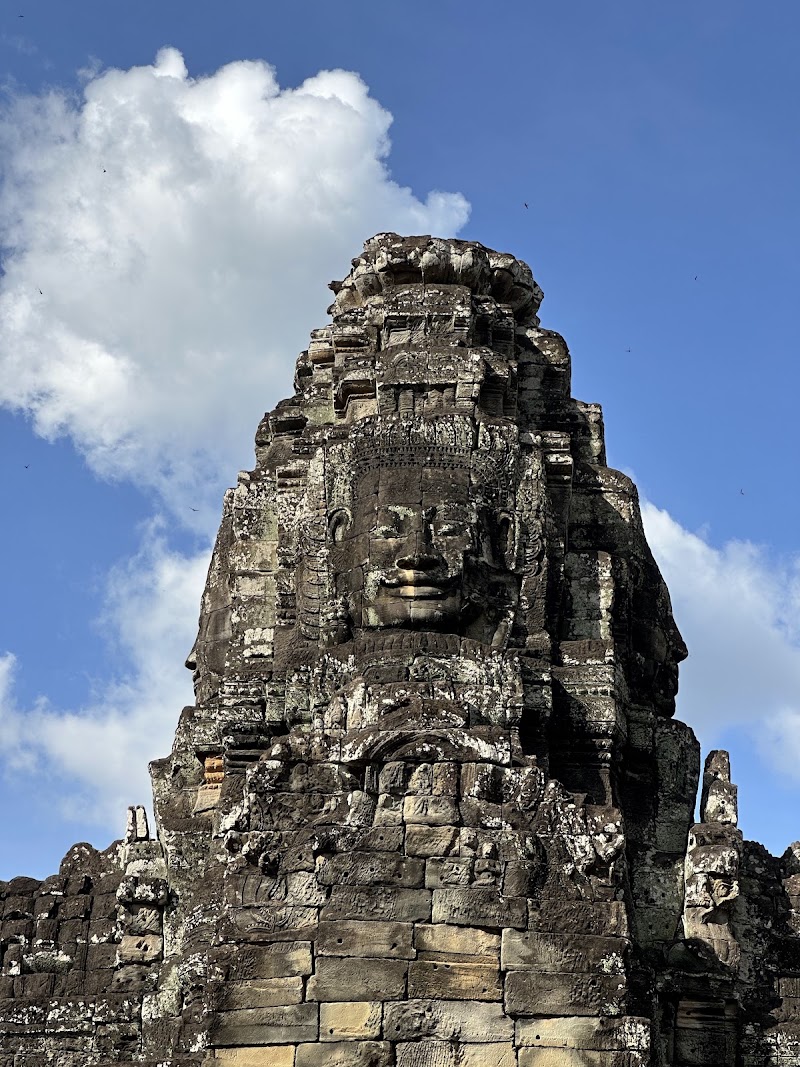
- View the smiling stone faces from multiple angles
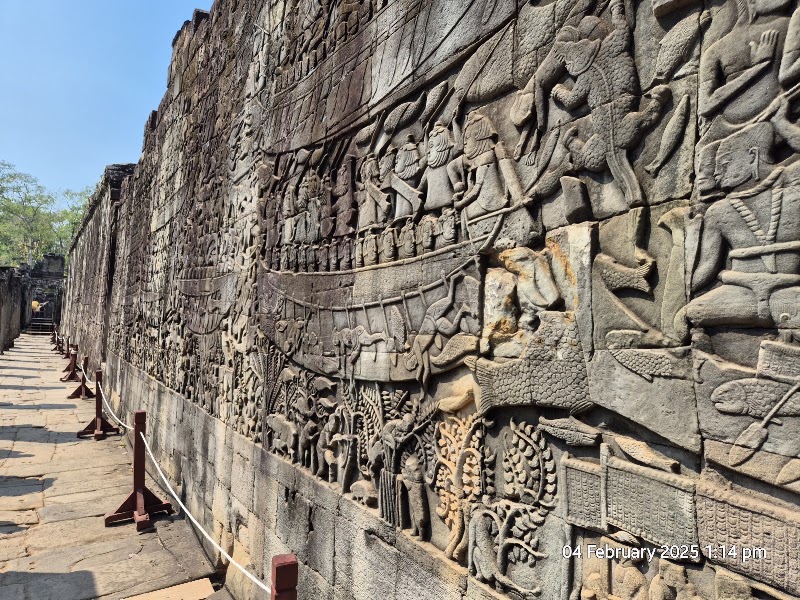
- Study the bas-reliefs of Khmer life and history
- Explore the smaller temples and monuments
- Walk around the temple’s layered architecture
Worth the trip?
The public-review verdict
Bayon Temple earns a Google rating of 4.8 from 14718 reviews, reflecting exceptionally strong visitor enthusiasm. Public feedback repeatedly describes it as one of the most impressive and distinctive temples in the Angkor area. The famous smiling stone faces dominate the response, with reviewers calling them breathtaking, mysterious and unlike anything else nearby.
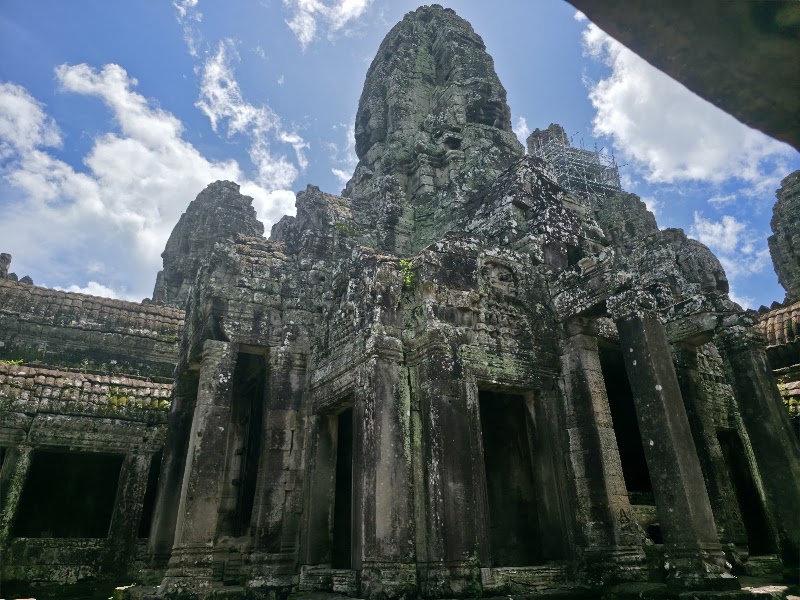
Visitors also highlight the sense of discovery created by the temple’s scale and layered architecture. Rather than presenting a single grand facade, Bayon appears to reveal new faces, towers and details at almost every turn. That visual density helps explain why many reviewers regard it as a defining sight within Angkor Thom rather than a brief secondary stop.
What stands out
The large carved faces are Bayon’s signature feature. Reviewers often refer to the monument as the “Smile of the Khmer”, responding to the serene expressions that look out from its stone towers. Their scale and repetition create the temple’s most memorable views, particularly as visitors move around the complex and encounter the faces from different angles.
Bas-reliefs are another recurring point of praise. Public reviews describe carvings that portray Khmer history, culture and everyday life, rewarding those who pause to inspect the walls rather than focusing only on the upper towers. Together, the faces and reliefs give Bayon both immediate visual impact and considerable depth for travellers interested in art, architecture and history.
Reviews also mention smaller temples and monuments around the main structure. This broader setting adds to the feeling that Bayon is a substantial place to explore, especially for visitors determined to examine individual carvings and architectural details.
Time and visitor experience
The amount of time required depends heavily on the traveller’s level of interest. A quick look would miss much of what reviewers value. One public review recommends allowing a full day for every nook and detail, while the overall feedback consistently portrays the temple as large, intricate and worthy of unhurried exploration.
Crowding appears variable. One reviewer found it relatively quiet on a Sunday in late April, but that single experience is not enough to establish a dependable crowd pattern or ideal visiting period. No consistent best time of day or season emerges from the supplied feedback.
Some restoration work has also been observed. That may affect access or sightlines in parts of the site, although reviewers generally frame conservation as necessary rather than as a major drawback.
Who should prioritise Bayon
Bayon is best suited to travellers drawn to Khmer architecture, monumental sculpture, bas-reliefs and atmospheric historical places. Photographers should find repeated compositions among the stone faces, while detail-focused visitors can spend substantial time studying the carvings.
The review consensus is especially clear: Bayon ranks among Angkor’s leading highlights. Its combination of monumental faces, narrative reliefs and a complex layout gives it a strong identity even in a region filled with major temples. Visitors with limited time should still prioritise the central faces and reliefs, while those with a deeper interest can justify a much longer stay.
Ask anything
Looking for somewhere else?
Keep exploring around Krong Siem Reap
More from Cambodia
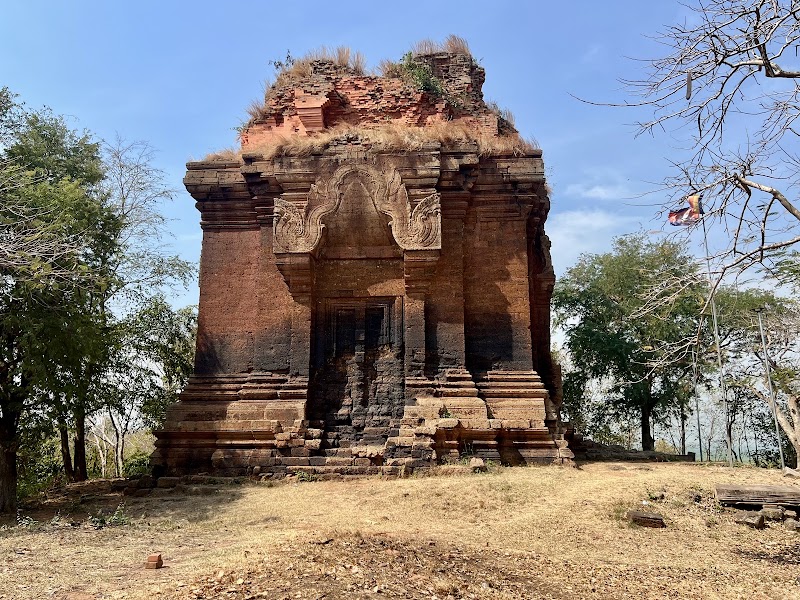
Cambodia · Angkor Borei
Phnom Da Temple: Hilltop History in Angkor Borei
An atmospheric hilltop temple where a short stair climb leads to ancient Khmer architecture, broad landscapes and a notably quiet setting.
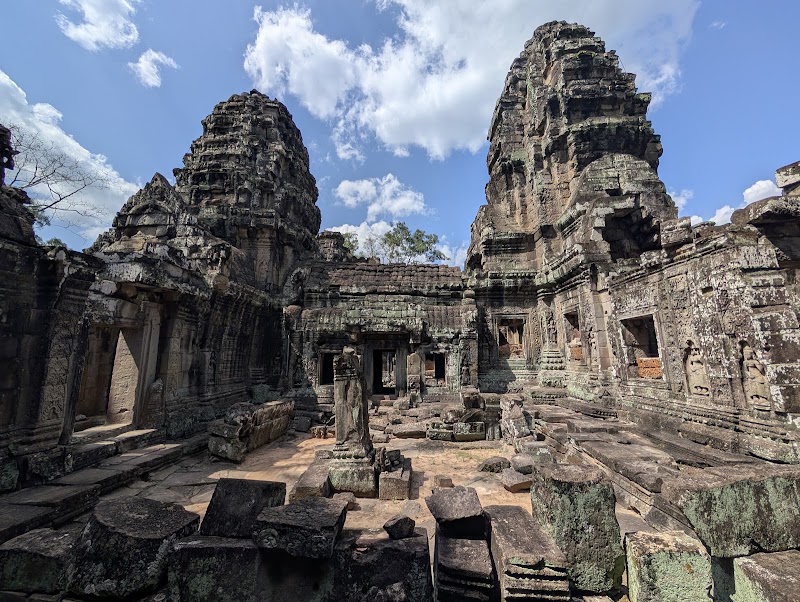
Cambodia · Krong Siem Reap
Banteay Kdei offers a calmer walk through Angkor’s ruins
Long corridors, apsara carvings and tree-framed stonework make this an appealing, easily accessed stop opposite Srah Srang.
Cambodia
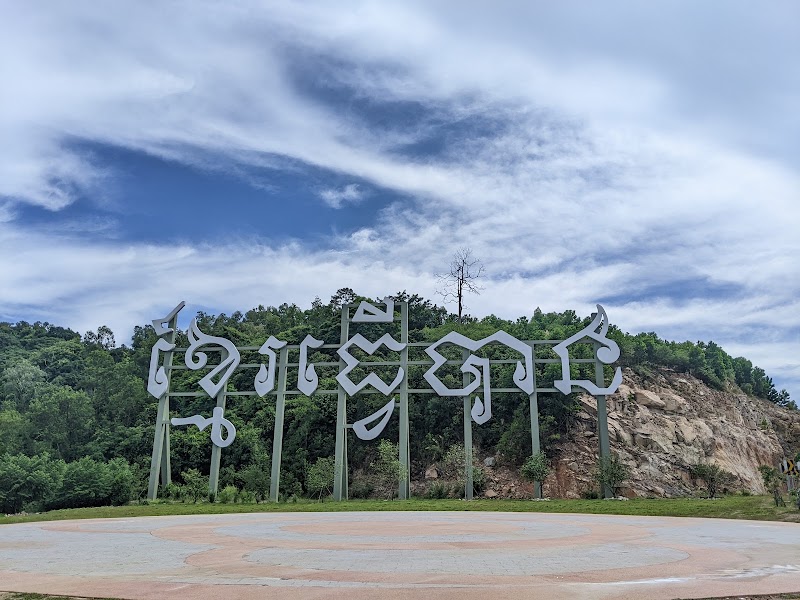
Cambodian Can Do It: A Scenic Sihanoukville Viewpoint
Public reviews highlight a photogenic hilltop panorama where the sea, mountains and Sihanoukville surroundings come together.
Cambodia · Krong Siem Reap
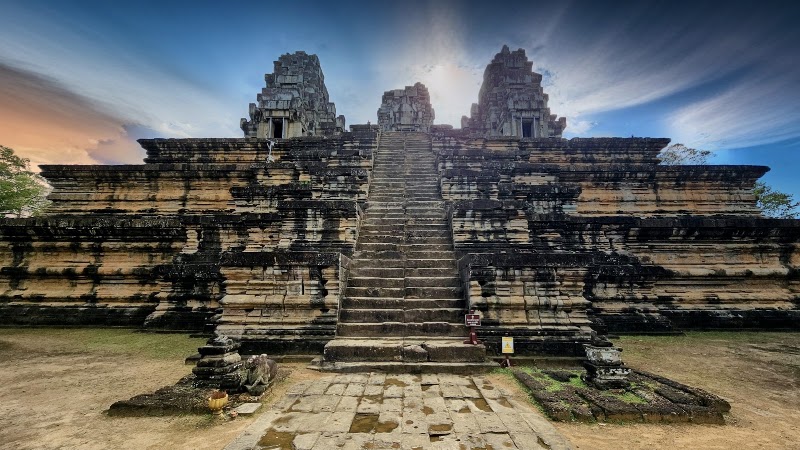
Ta Keo Temple: A Steep Sandstone Pyramid at Angkor
Ta Keo rewards a short stop with imposing tiered architecture, an unfinished character and broad views after a demanding climb.