Batu Caves: Colourful Steps and a Living Hindu Shrine
Batu Caves combines a striking limestone setting with active religious traditions, making it a memorable half-day visit for travellers staying in Kuala Lumpur.
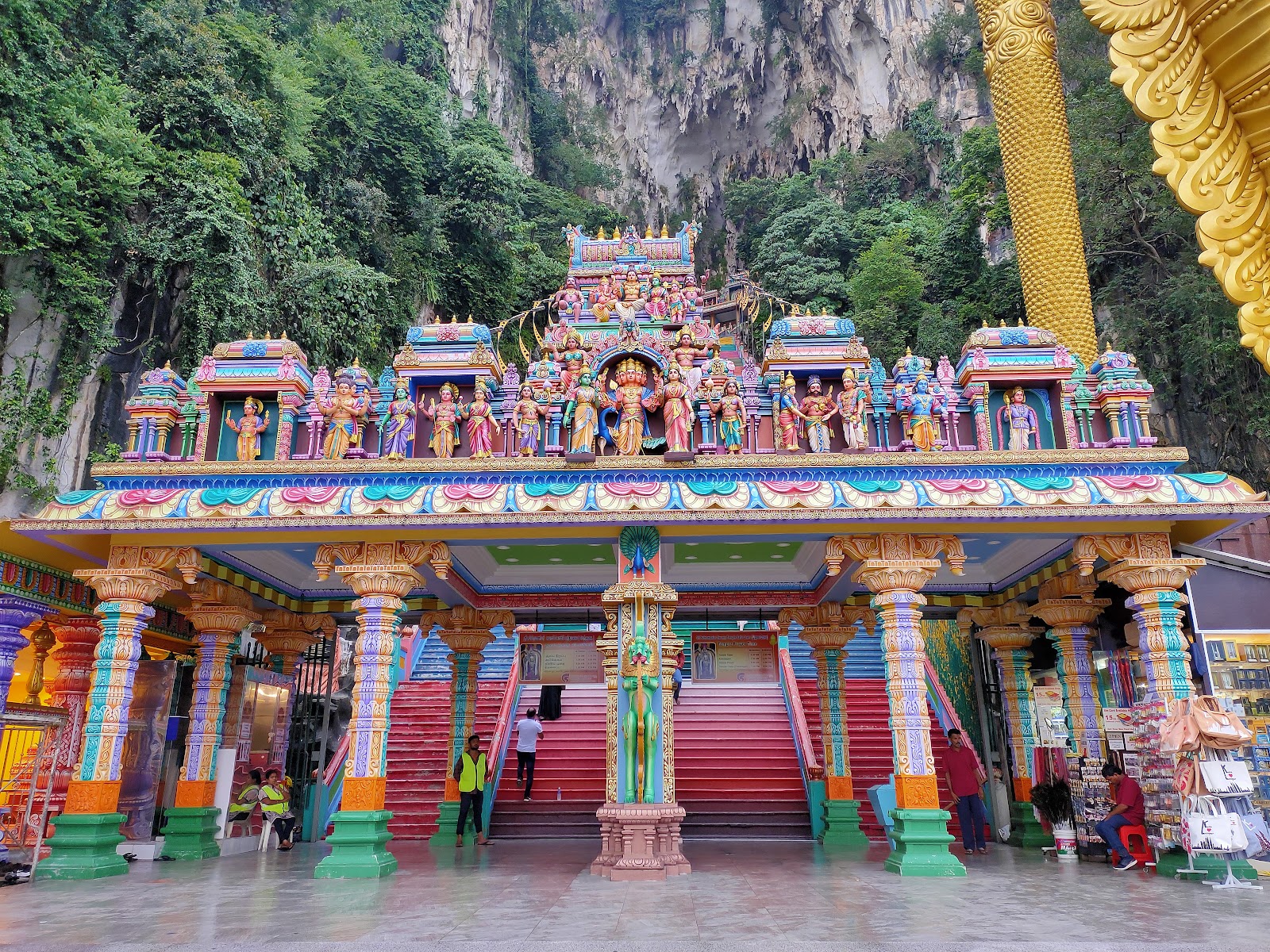
More photos
Photos published by travelers on Google, not AI generated.
What stands out
- Golden Lord Murugan statue
- 272-step colourful staircase
- Limestone cliffs and cave setting
- Active Hindu religious traditions
- Views from the climb
Worth knowing
- The 272 steps can be demanding
- Heat and crowds increase later in the morning
- Shoulders and knees should be covered
Don't miss
What comes up most in public reviews
- See the golden Lord Murugan statue
- Climb the colourful staircase
- Observe the Hindu religious activity
- Photograph the limestone cliffs
Worth the trip?
Why visit Batu Caves
Batu Caves is a place of worship, a major sightseeing stop and an imposing natural setting in Malaysia. Public reviews give it 4.4 from 82,814 reviews, with recurring praise for the golden Lord Murugan statue, rainbow-coloured staircase and towering limestone cliffs.
The attraction feels visually immediate. The staircase is hard to miss, and the temple structures stand out against the rock face. Reviewers repeatedly describe the scenery as impressive and highly photogenic. People visiting Kuala Lumpur often add Batu Caves to their itinerary for that reason alone.
The religious significance matters just as much as the photographs. Reviews describe Hindu practices taking place around the site, including devotees climbing the stairs on their knees as an act of gratitude after prayers have been answered. Visitors may also encounter monks and other religious activity during their visit. This is an active place of worship, not simply a scenic viewpoint.
The climb and the experience
The main approach involves 272 steps. Some reviewers climbed all the way to the caves and temple area, while others chose to admire the setting without making the ascent. That makes the visit workable for mixed-age groups, but the stairs remain the defining physical feature.
The climb can be rewarding. Reviewers mention broad views, colourful details and the sense of reaching a significant religious site at the top. One family review noted that an older visitor completed the climb, though that should not be taken as a guarantee of ease. Travellers should judge the stairs against their own mobility and fitness.
The site also has a lively animal presence, with reviewers mentioning monkeys along the approach. Visitors should keep belongings secure and avoid treating wildlife as part of the attraction to be fed or handled.
When to go
The clearest advice in the reviews is to arrive early, around 7 to 8 in the morning. Conditions are cooler then, and the staircase is less crowded. By around 10 in the morning, one reviewer found the area hot and busy.
Early arrival also leaves more space to take in the statue, staircase and limestone setting without constant foot traffic. Modest clothing is important. One family review specifically recommends covering the shoulders and wearing bottoms below the knees, a sensible standard for a religious site.
Who will enjoy it
Batu Caves suits first-time visitors to Malaysia, photographers, families with older children and travellers interested in Hindu worship. It is best approached as a respectful cultural visit with a demanding stair climb, not as a quick photo stop.
The strongest plan is simple: arrive early, dress appropriately, take the ascent at a steady pace and allow time to observe the religious activity. Those who do not climb can still see the statue, staircase and cliffs from below. For many visitors, the combination of scale, colour and ceremony makes Batu Caves one of the most memorable additions to a Kuala Lumpur trip.
Plan the rest of the trip
Ask anything
Looking for somewhere else?
Keep exploring around Batu Caves
More from Malaysia

Malaysia · Kuala Lumpur
Bangunan Sultan Abdul Samad: Kuala Lumpur’s Grand Landmark
A beautifully restored historic building with Moorish and Mughal-inspired details, a striking clock tower and a memorable evening setting.
Malaysia · Kuala Lumpur
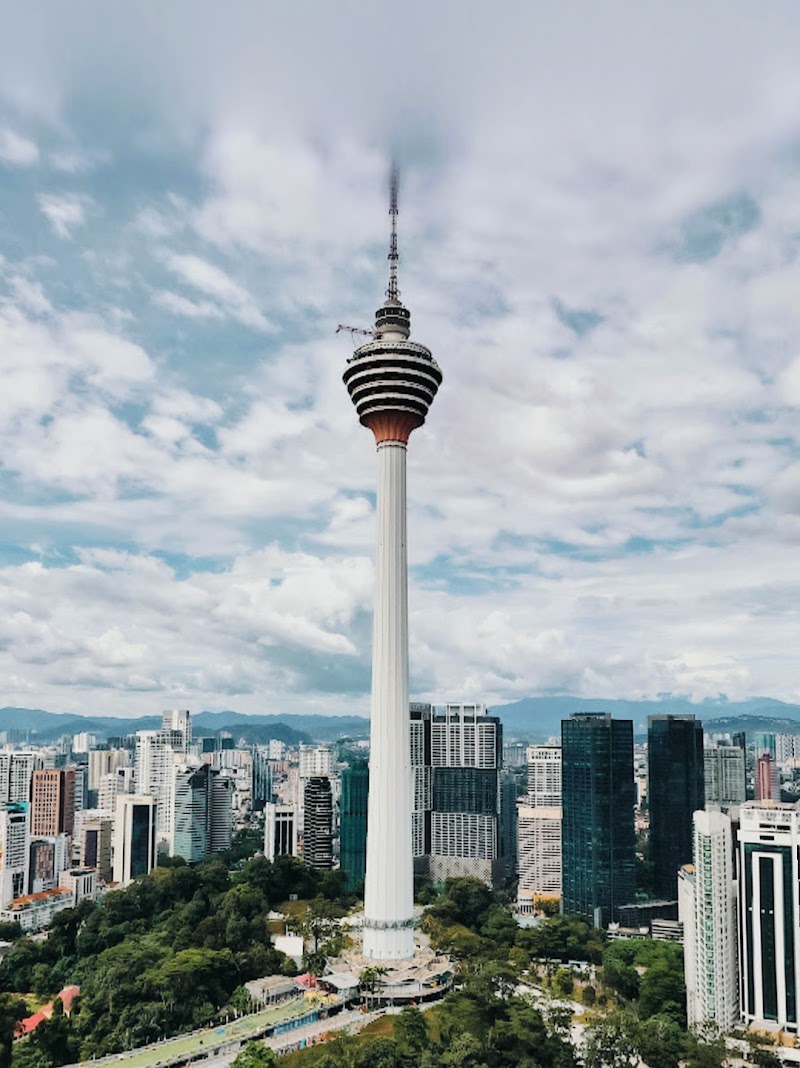
Menara Kuala Lumpur: Skyline Views from the City’s Landmark Tower
Public ratings and reviews point to Menara Kuala Lumpur as a reliable choice for panoramic city views, skyline photographs and a high-rise dining experience.
Malaysia · Kuala Lumpur
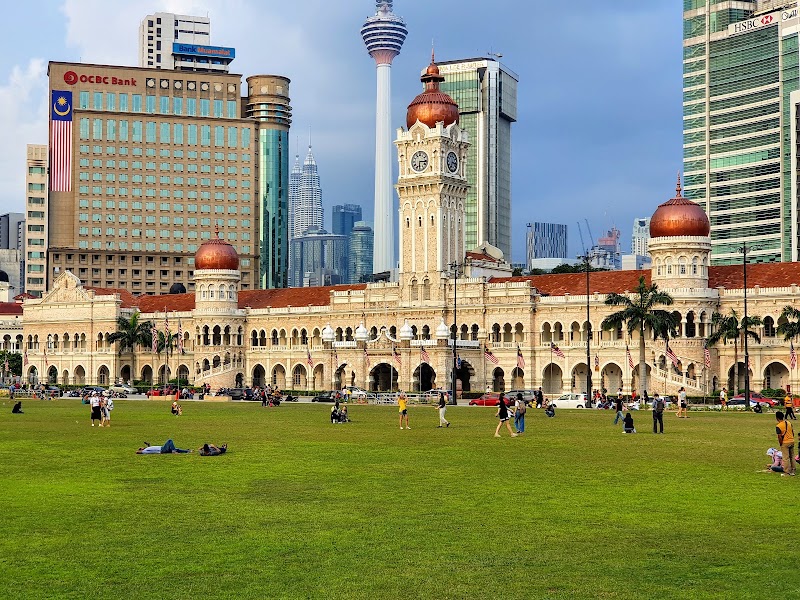
Merdeka Square: Kuala Lumpur’s Historic Civic Heart
Merdeka Square combines Malaysian history, colonial-era architecture and open green space in a central Kuala Lumpur setting.
Malaysia · Langkawi
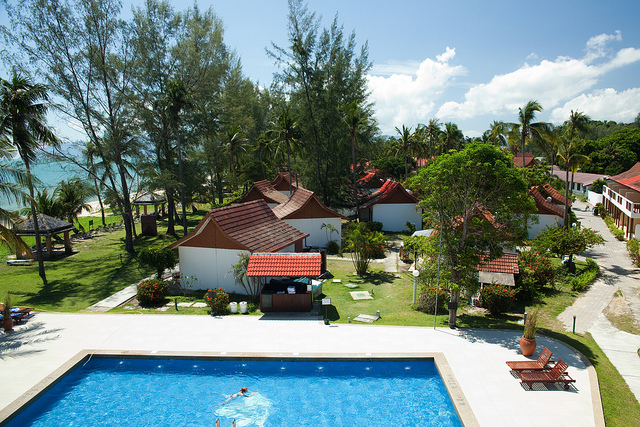
The Frangipani Langkawi Resort: A Peaceful Beach Stay
Public reviews praise the beachfront setting, kind staff and spacious rooms, while some guests report maintenance and finish issues.