Bardo National Museum: Tunisia’s Mosaic Masterpiece
A historic palace in Tunis houses an exceptional collection of Roman mosaics, ancient sculpture and artefacts from across Tunisia.

More photos
Photos published by travelers on Google, not AI generated.
What stands out
- Exceptional Roman mosaic collection
- Historic palace setting
- Mosaics from Carthage and El Jem
- Pottery, sculptures and inscriptions
- Modern galleries with soaring white spaces
Worth knowing
- Some visitors found the interior very hot
- Check current entry information before visiting
Don't miss
What comes up most in public reviews
- Spend at least two hours on the highlights
- Study the Roman mosaics
- See the palace architecture
- Look for artefacts from Carthage and El Jem
Worth the trip?
Why visit
The Bardo National Museum is one of Tunis’s strongest cultural attractions, especially for travellers interested in Roman history, archaeology and North African art. Public ratings give it 4.6 from 4,643 reviews, and the recurring message is clear: the museum is considered essential for a first visit to Tunis.
Its collection is housed in a historic palace associated with the Beys of Tunisia. The setting adds weight to the visit. Reviewers describe a striking meeting of palace architecture and modern museum spaces, with soaring white interiors providing a sharp contrast to the older rooms. The building itself deserves attention before the displays begin.
What the reviews praise
The Roman mosaics are the main draw. Reviewers repeatedly highlight their scale, colour and condition, with panels connected to Carthage, El Jem and other Roman settlements in Tunisia. Scenes, patterns and fine details become more impressive the longer visitors stand in front of them. Several reviews describe the collection as among the finest anywhere, while others call it a world-class treasure.
The displays extend beyond mosaics. Public comments also mention pottery, sculptures and inscriptions, along with a broader collection that helps explain Tunisia’s place in Mediterranean history. The museum works best for visitors who want context, not only a quick succession of photogenic objects.
Planning the visit
The reviews suggest allowing at least two hours for the highlights. A longer visit may suit anyone who wants to read more closely or take in the collection at a slower pace. The Bardo district is west of central Tunis, so the museum fits most naturally into a planned sightseeing stop rather than an unstructured walk around the medina.
The available review material does not establish a reliable current price level. Entry costs mentioned in one public review should not be treated as a current guide. Visitors should check official information before setting out.
Climate control is the main criticism in the supplied reviews. One visitor found the museum very hot inside and specifically called for air conditioning. That may matter during the hottest part of the year. An earlier start in the day could make the experience more comfortable, though the reviews do not establish a definitive best visiting time.
The overall verdict
The Bardo National Museum earns its reputation through the quality and breadth of its archaeological collection, with Roman mosaics providing the standout experience. The palace setting gives the visit a strong sense of place, while the modern galleries make the large panels easier to appreciate.
It is best suited to history-focused travellers, first-time visitors to Tunis and anyone willing to spend several hours with detailed objects rather than rushing through. Heat inside the building may reduce comfort, and practical details should be checked before arrival. Still, the public response is unusually consistent: this is a major Tunis attraction, not a filler stop.
Plan the rest of the trip
Ask anything
Looking for somewhere else?
Keep exploring around Tunis
More from Tunisia
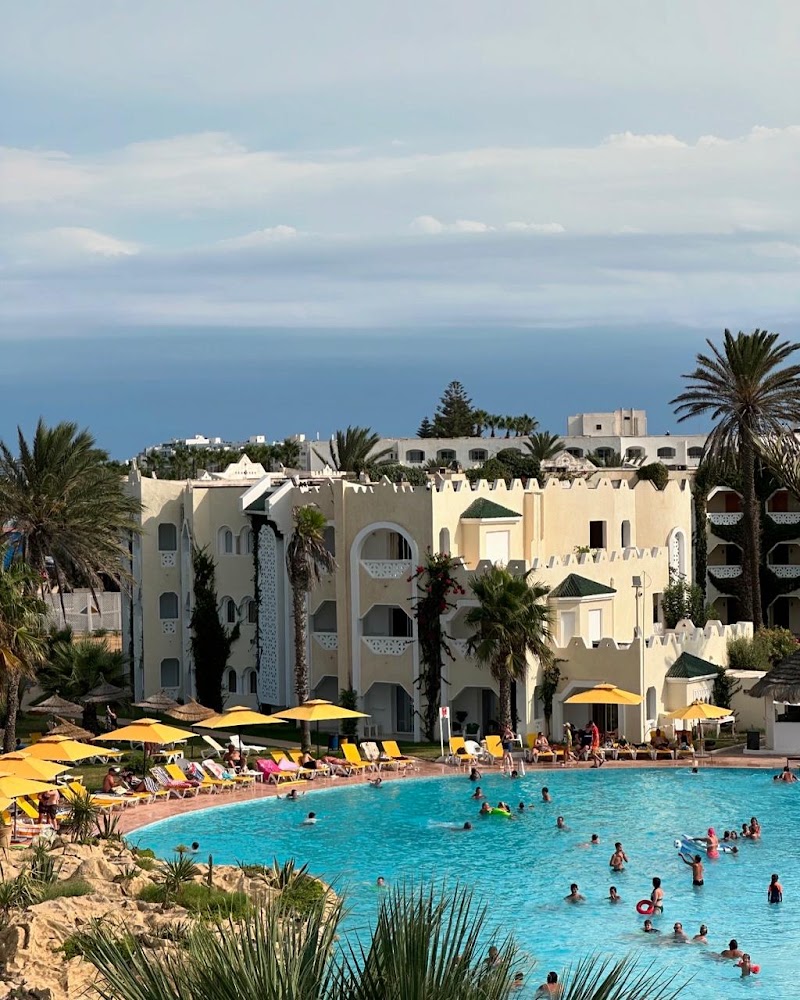
Tunisia · Mahdia
Mahdia Beach & Aqua Park: A Family-Focused Seaside Stay
Public reviews point to a lively family resort with a clean beach, warm service and an aqua park that helps offset dated parts of the property.
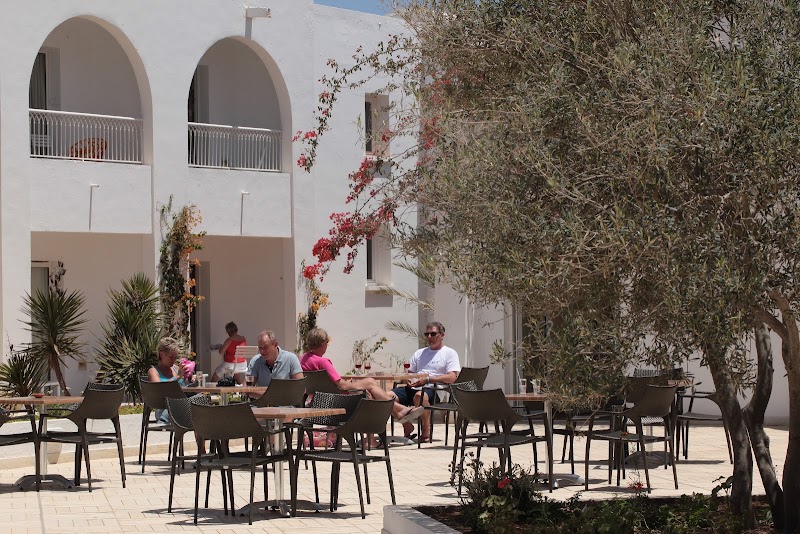
Tunisia · Djerba Midun
Seabel Rym Beach Djerba: A Relaxed Seafront Stay
Public reviews point to a welcoming beach hotel with clean rooms, warm water and varied meals in Djerba Midun, Tunisia.
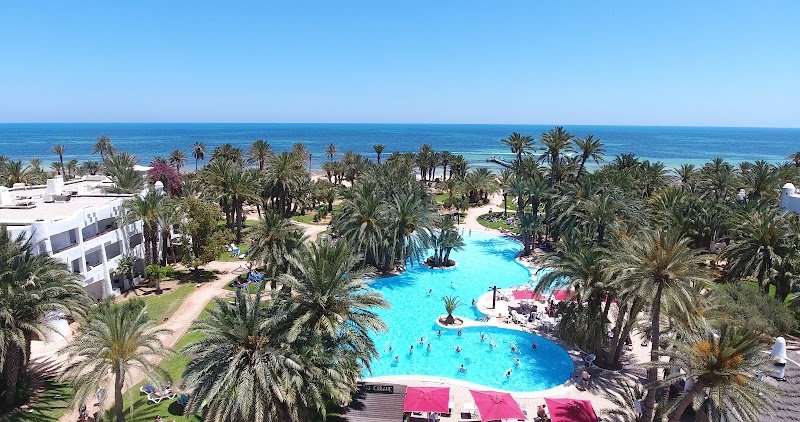
Tunisia · Zarzis
Hotel Odyssee Resort Thalasso & Spa review: a welcoming base in Zarzis
Public reviews praise the staff, food and cleanliness, while older rooms, weak internet and upkeep issues temper the resort’s appeal.
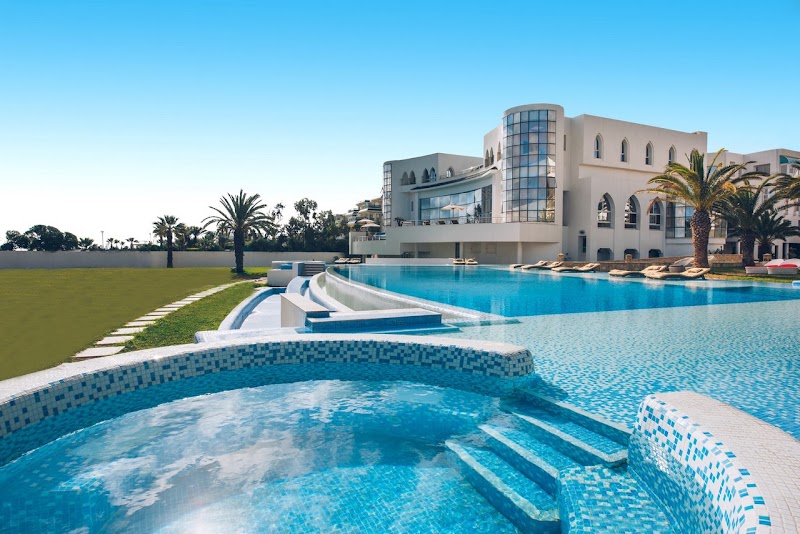
Tunisia · Hammam Sousse
Iberostar Selection Kantaoui Bay: A Strong Family Base
Public reviews consistently praise the beachfront setting, attentive staff, spacious rooms, pools and broad food selection at this Hammam Sousse hotel.