Banteay Kdei offers a calmer walk through Angkor’s ruins
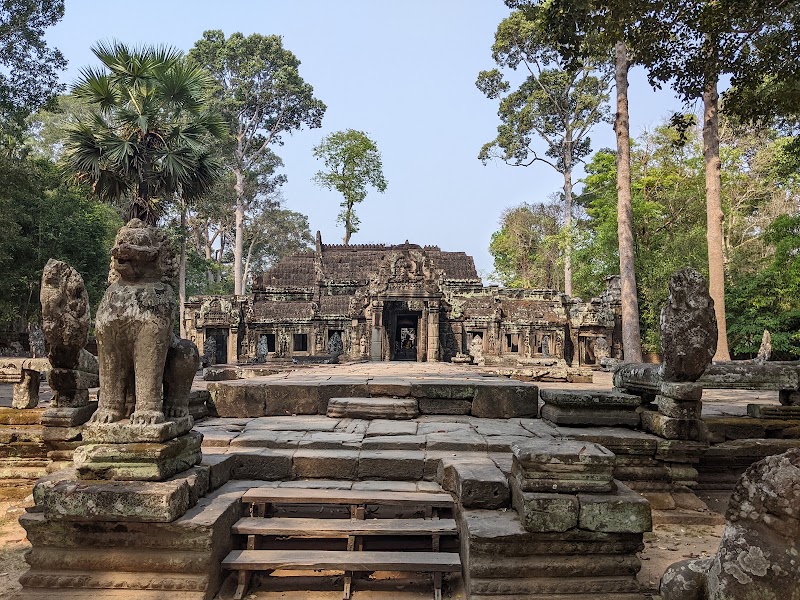
Long corridors, apsara carvings and tree-framed stonework make this an appealing, easily accessed stop opposite Srah Srang.

More photos

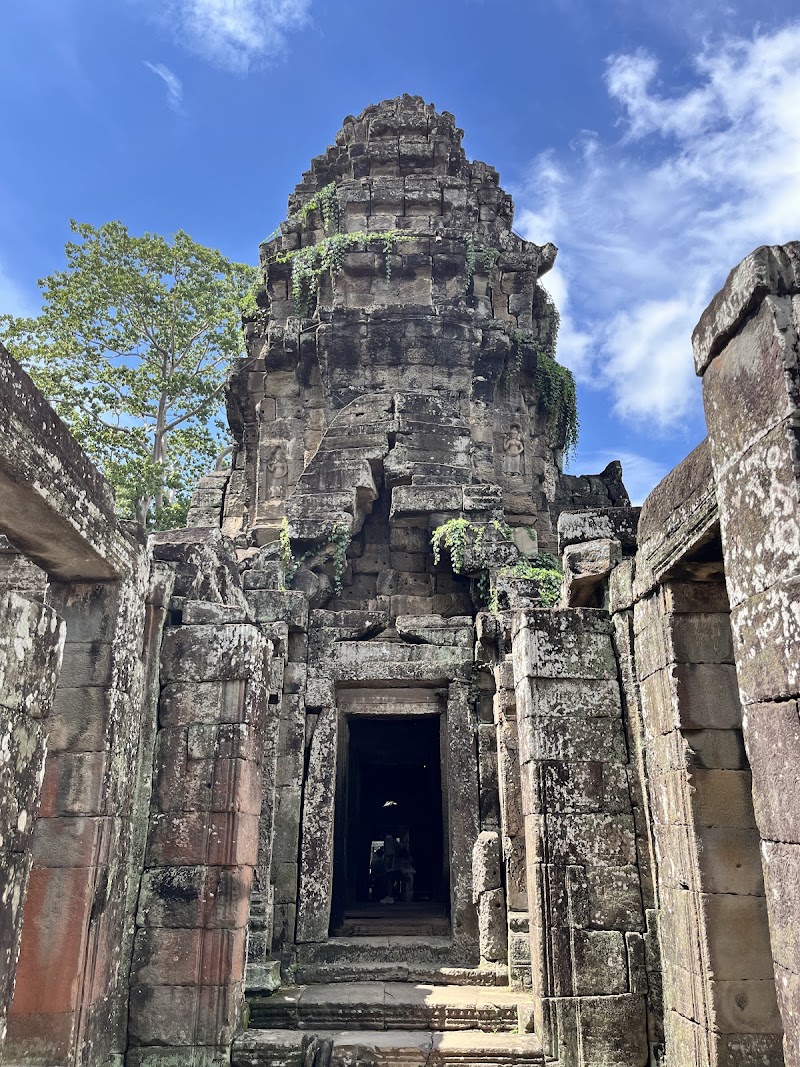
Photos published by travelers on Google, not AI generated.
What stands out
- Quiet atmosphere with fewer crowds
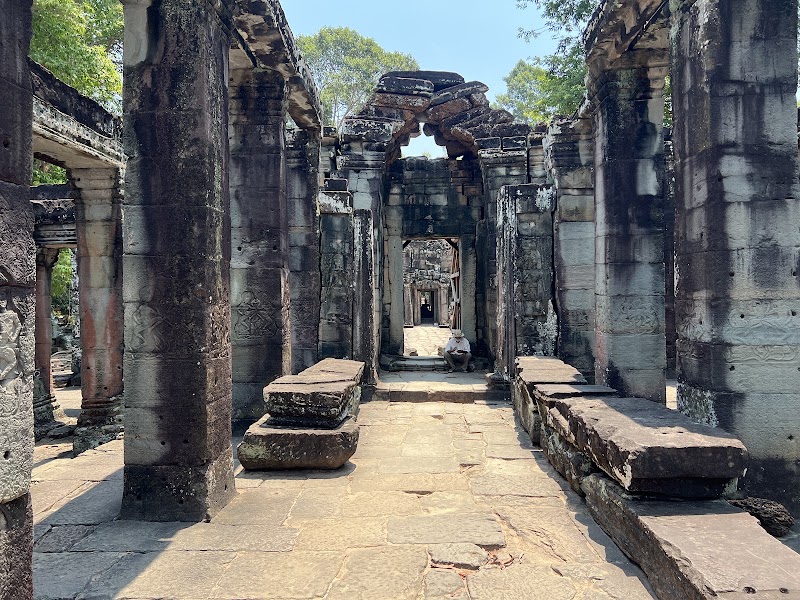
- Long central corridors
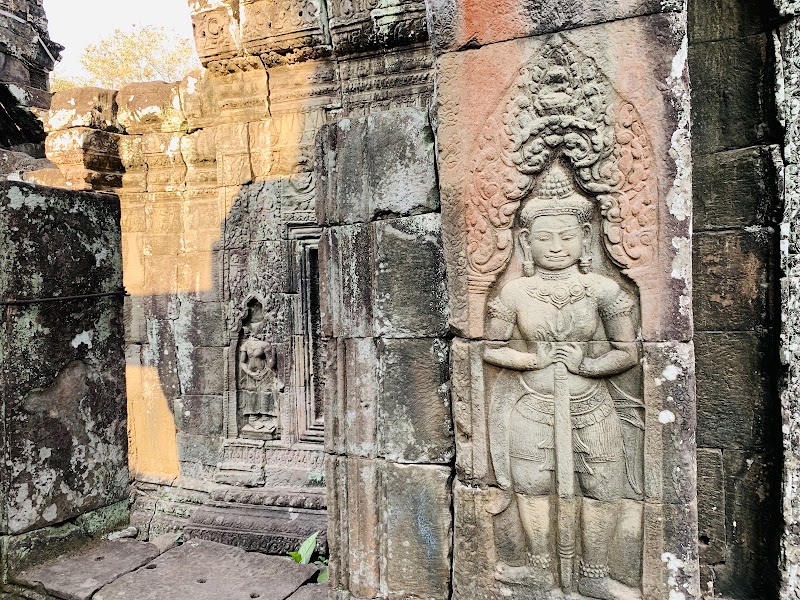
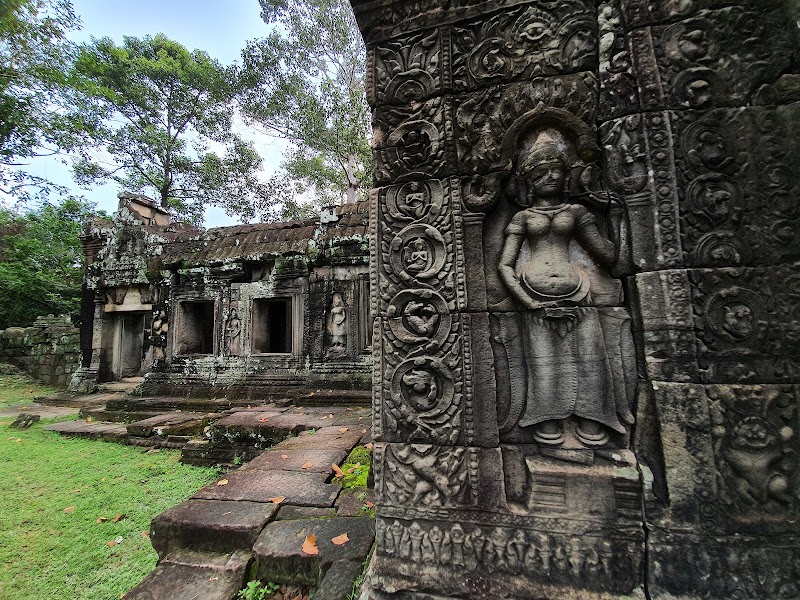
- Well-preserved apsara carvings
- Large temple tree
- Easy access without climbing
Worth knowing
- Some sections are in poor condition
- Wooden supports and scaffolding affect views
- Broken stone paths can be uneven
Don't miss
What comes up most in public reviews
- The intricate entrance gate
- The well-preserved apsaras
- The large temple tree
- The maintained Buddha altar
- The long central corridor
Worth the trip?
A quieter temple experience
Banteay Kdei earns a Google rating of 4.7 from 1772 reviews, with public feedback repeatedly praising its calm atmosphere and relative lack of crowds. Travellers commonly contrast it with the busier, better-known temples around Siem Reap. That comparative quiet gives visitors more room to examine the stonework, follow the corridors and absorb the surroundings without feeling hurried.
The temple is described as elongated rather than monumental. A long, largely straight route leads from the first entrance through successive gateways, passages and broken stone paths. Several reviewers suggest allowing between 30 minutes and an hour. That makes Banteay Kdei manageable as one stop in a wider temple itinerary rather than a demanding excursion in its own right.
Architecture, carvings and trees
The entrance gate makes a strong first impression, setting up a sequence of corridors and partly ruined chambers. Reviewers frequently mention the relationship between the old masonry and the surrounding trees. One large temple tree receives particular praise, while the vegetation threaded around the ruins contributes much of the site’s visual character.
Apsara carvings are another recurring highlight. Public accounts describe several as well preserved, rewarding travellers who slow down and inspect the walls instead of walking directly through the central aisle. A maintained Buddha altar inside also reflects the site’s continuing religious significance. Visitors should behave accordingly and give worshippers and attendants appropriate space.
The architecture is identified in reviews as dating from the late 12th century. Even without the scale or visual drama associated with some of Angkor’s headline monuments, Banteay Kdei provides a clear sense of layered gateways, enclosed spaces and time-worn stone.
Condition and accessibility
The temple’s deteriorated state shapes the experience. Some reviewers report sections supported by wooden braces or metal scaffolding, with areas appearing vulnerable to further collapse. These conservation measures can interrupt views and may disappoint travellers expecting pristine ruins. They also make the fragility of the structure immediately apparent.
Underfoot, broken stone paths call for attention even though the visit is generally described as straightforward. A useful advantage is the lack of significant climbing. Reviews characterize access as easy, making Banteay Kdei a practical choice for travellers who prefer a flatter temple walk. Conditions can still be uneven, so sensible footwear remains appropriate.
Editorial verdict
Synthesizing the public feedback, Banteay Kdei works best for travellers seeking atmosphere, carvings and a quieter pace rather than sheer architectural spectacle. A few reviewers consider it less impressive than the area’s major temples, and its damaged sections are impossible to overlook. Others value precisely what it offers: space, calm and a direct walk through long corridors shaped by both architecture and nature.
Its location directly opposite Srah Srang also gives the stop a clear sense of place within a broader Angkor route. For travellers with enough time to move beyond the most famous sites, the temple is a worthwhile short visit. The strongest approach is to linger at the entrance, examine the apsaras, notice the major tree and continue along the central passage to the Buddha altar.
Ask anything
Looking for somewhere else?
Keep exploring around Krong Siem Reap
More from Cambodia
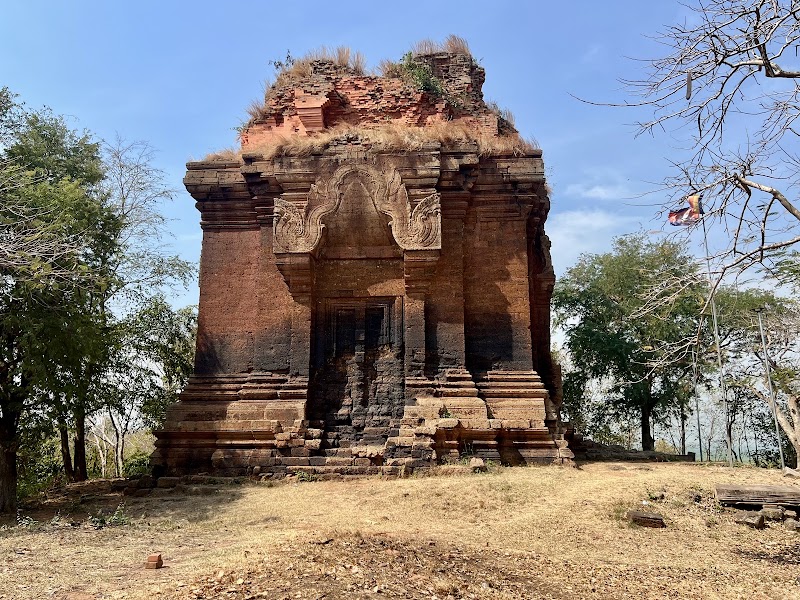
Cambodia · Angkor Borei
Phnom Da Temple: Hilltop History in Angkor Borei
An atmospheric hilltop temple where a short stair climb leads to ancient Khmer architecture, broad landscapes and a notably quiet setting.
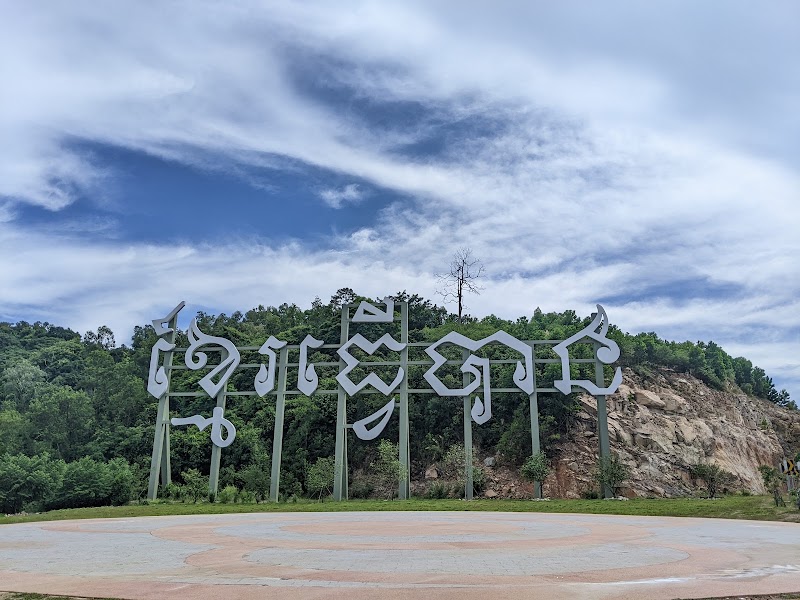
Cambodia
Cambodian Can Do It: A Scenic Sihanoukville Viewpoint
Public reviews highlight a photogenic hilltop panorama where the sea, mountains and Sihanoukville surroundings come together.
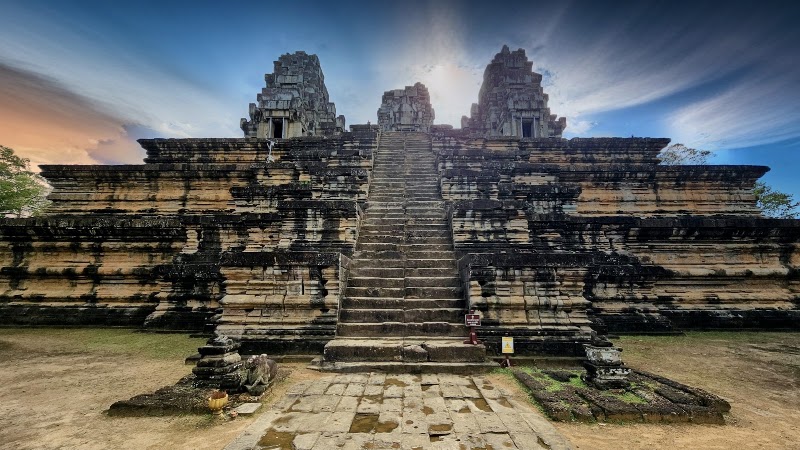
Cambodia · Krong Siem Reap
Ta Keo Temple: A Steep Sandstone Pyramid at Angkor
Ta Keo rewards a short stop with imposing tiered architecture, an unfinished character and broad views after a demanding climb.
Cambodia · រាជធានីភ្នំពេញ
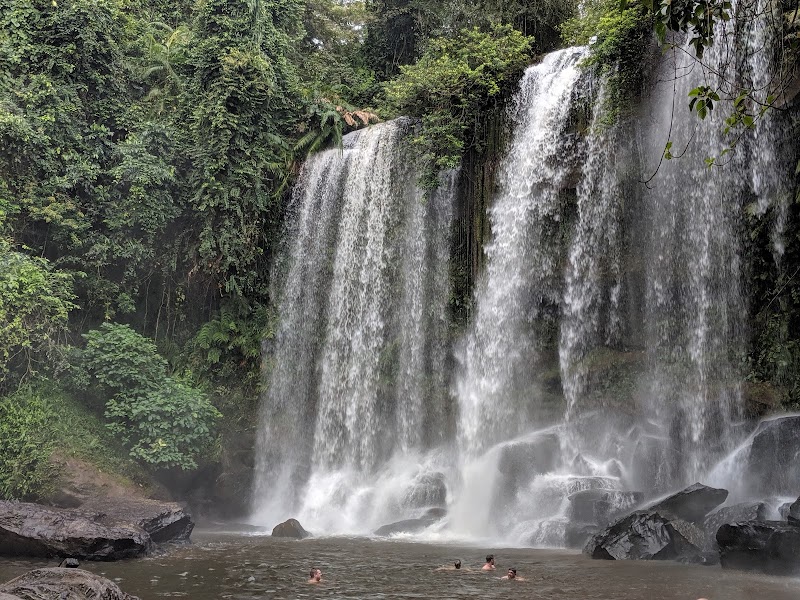
Phnom Kulen National Park: Waterfalls and Sacred History
Traveller reviews praise Phnom Kulen for its waterfalls, forest scenery and sacred sites linked to the origins of the Khmer Empire.