Bamberg Old Town: Medieval Streets and Riverside Views
Bamberg’s UNESCO-listed centre combines medieval character, Baroque architecture, riverside houses and a strong tradition of smoked beer.

More photos
Photos published by travelers on Google, not AI generated.
What stands out
- Medieval and Baroque architecture
- Altes Rathaus over the river
- Hilltop cathedral with four spires
- Regnitz riverside houses
- Smoked beer and lively cafes
Worth knowing
- Cathedral interiors are relatively restrained
- Smoked beer has a distinctive flavour
Don't miss
What comes up most in public reviews
- See Altes Rathaus
- Walk beside the Regnitz River
- Visit Bamberg Cathedral
- Cross Untere Brücke
- Try Bamberg smoked beer
Worth the trip?
Why the old town stands out
Bamberg’s historic centre holds a 4.8 Google rating from 6462 reviews. Public feedback regularly points to the preserved architecture, compact layout and lively streets. Travellers tend to describe it as a small, charming Bavarian town best explored on foot. Much of its atmosphere comes from the medieval fabric, while prominent Baroque buildings lend grandeur to the area around the cathedral and former episcopal quarter.
No single monument accounts for the appeal. It is the old town in full: warm-toned streets running between churches, shops, restaurants and cafes, then the change of scene beside the Regnitz River, where waterside paths pass rows of houses. Reviewers frequently recommend wandering without rushing. There is enough history and visual detail to fill at least half a day.
The essential landmarks
Altes Rathaus is the sight mentioned most often. Bamberg’s old town hall stands in a striking position over the river, serving as an architectural focal point and an obvious stop on a walk through the centre. The nearby bridges and riverbanks also provide some of the historic centre’s most memorable views.
On higher ground, Bamberg Cathedral is another consistent highlight. Reviews note its four spires and the building’s place in the city’s historical story. Some visitors find the interior relatively restrained, especially if they arrive expecting extensive ceiling paintings or large quantities of stained glass. Even so, the cathedral’s scale, hilltop position and surrounding historic architecture remain central to the experience.
Public reviews also link Bamberg’s development to Heinrich II and to the city’s emergence as a spiritual and political centre. For travellers interested in how the cathedral, bishop’s residence and surrounding streets relate to one another, a knowledgeable guide can supply useful context.
Riverside walks and local flavour
The Regnitz is not simply scenery. Travellers praise the houses along both sides of the river, as well as the views from Untere Brücke. Historic architecture and present-day street life meet here. That includes the prominent fractured-head sculpture, Centurione I by Igor Mitoraj, which appears against the riverfront setting.
Food and drink come up often in visitor impressions, too. Restaurants, cafes and local shops offer easy pauses during a walking tour. Bamberg’s smoked beer is repeatedly named as a signature local experience. The distinctive flavour will not suit every palate, but it gives visitors a direct connection to the city’s brewing culture.
Editorial verdict
Taken together, public ratings and reviews present Bamberg Old Town as an excellent choice for architecture, history and relaxed exploration. The centre can be covered comfortably on foot, but there is enough variety to justify taking it slowly, particularly beside the Regnitz, around Altes Rathaus and during the climb towards the cathedral.
It is especially well suited to couples, cultural travellers and anyone who values atmospheric streets over a checklist of isolated attractions. The strongest visit pairs a self-guided walk or historical tour with time beside the Regnitz, followed by a meal featuring the city’s famous smoked beer.
Plan the rest of the trip
Ask anything
Looking for somewhere else?
Keep exploring around Bamberg
More from Germany

Germany · Rüdesheim am Rhein
Niederwald Monument: Rhine Views and German History
The Niederwald Monument combines a major historic statue, landscaped grounds and wide Rhine views above Rüdesheim am Rhein.
Germany · Cochem
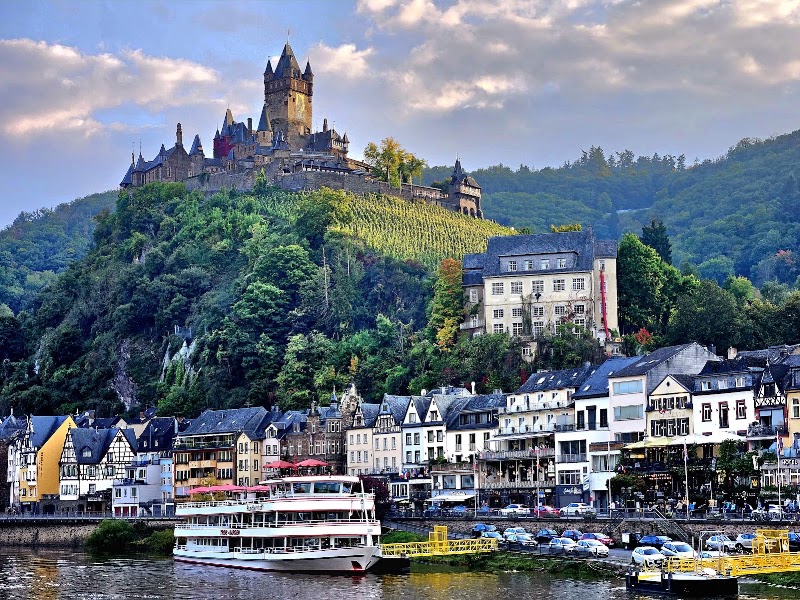
Cochem Castle Rewards the Climb with Moselle Valley Views
Reichsburg Cochem combines a steep approach, guided interiors and broad views over the town and Moselle Valley.

Germany · Vogtei
Centre of Germany: A Quiet Stop in Vogtei
Public reviews describe a clean, peaceful place near a lake, with one important caveat: visitors disagree about which point marks Germany’s true centre.
Germany · Dortmund
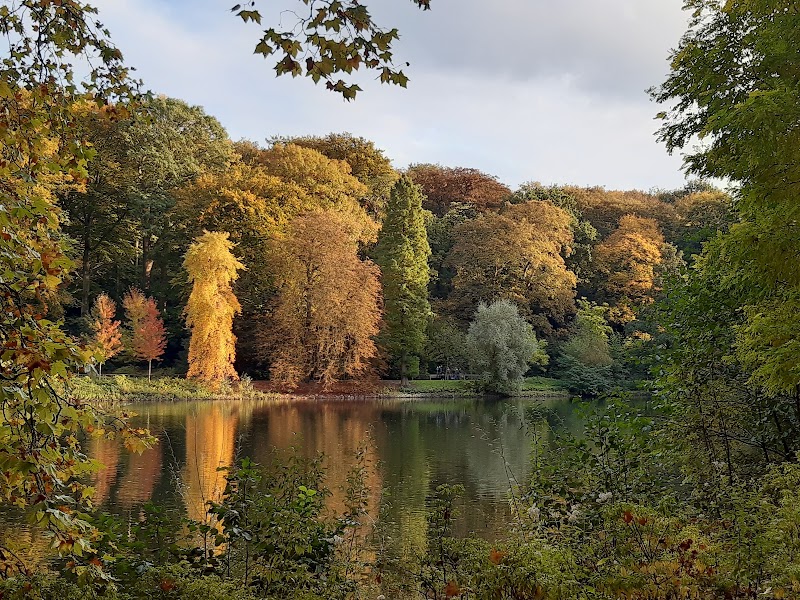
Rombergpark Botanical Garden, Dortmund’s Green Escape
Rombergpark Botanical Garden combines open parkland, seasonal blossoms, varied planted areas and tropical greenhouses in a calm Dortmund setting.