Ballenberg brings historic rural Switzerland to life
Historic buildings, working crafts and water-powered machinery make this expansive open-air museum worth at least half a day.
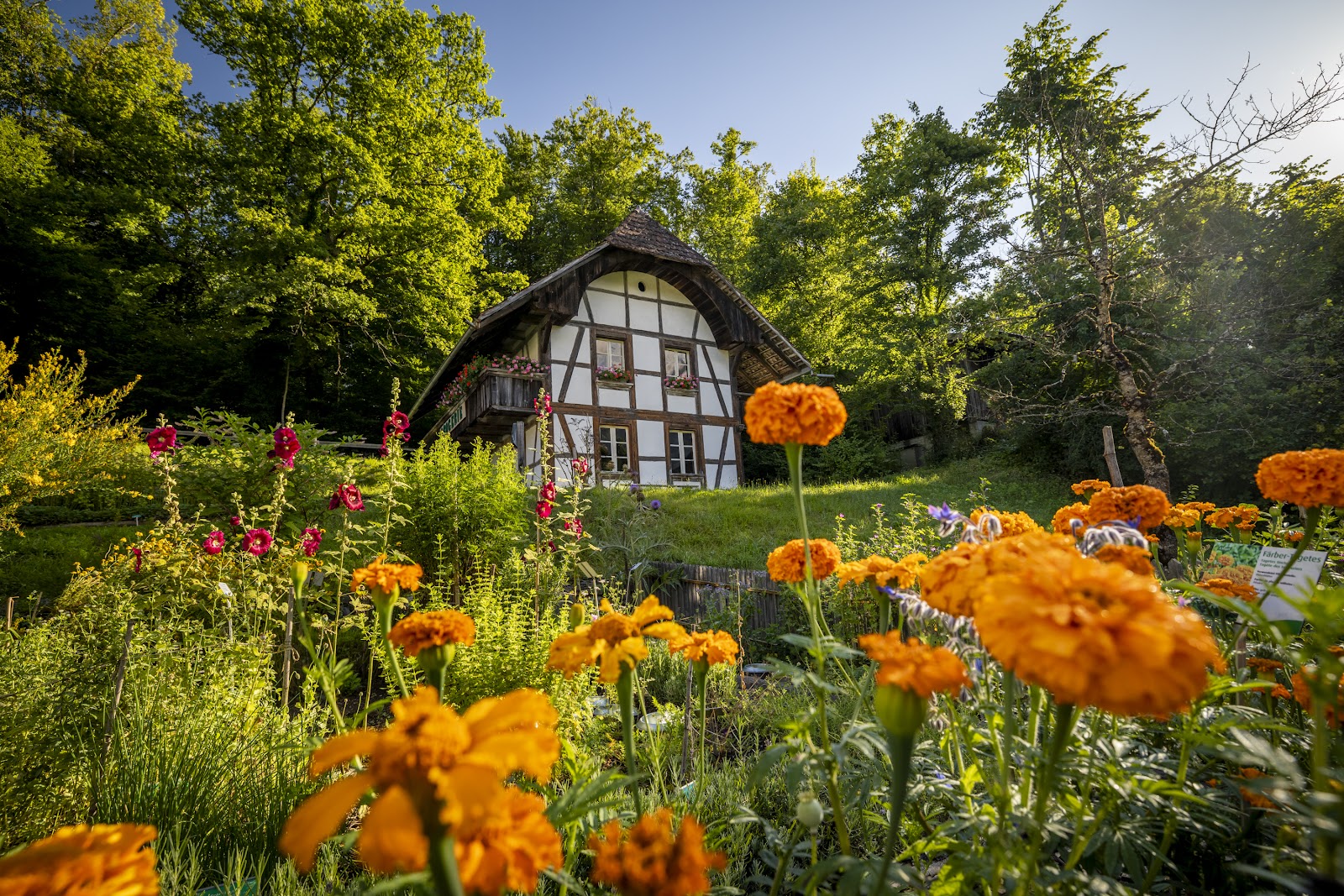
More photos
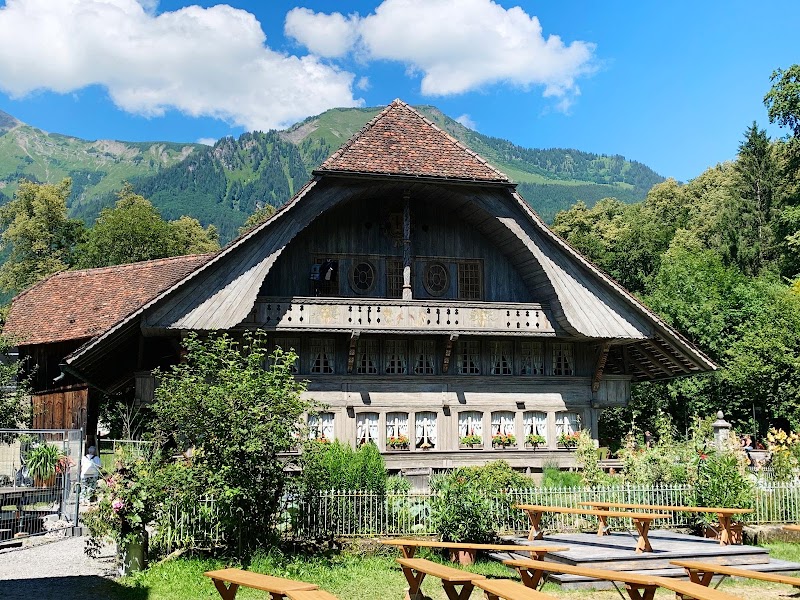
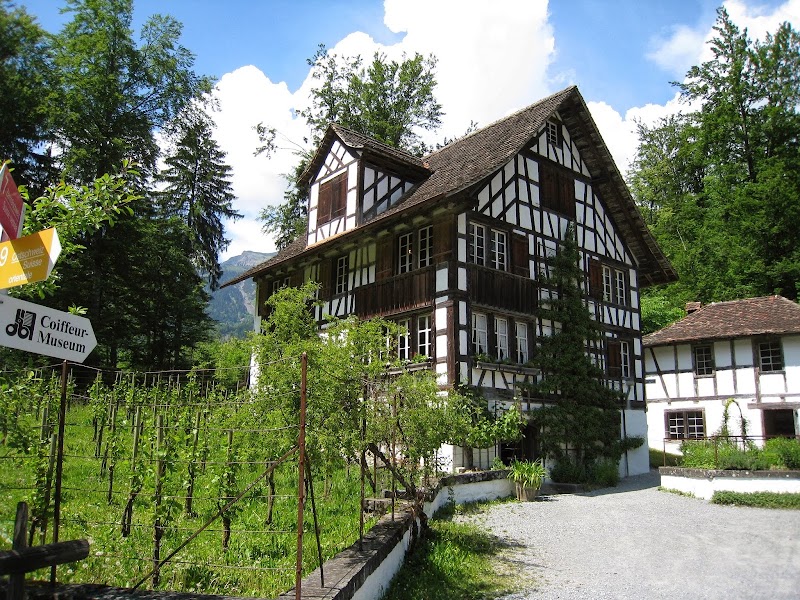
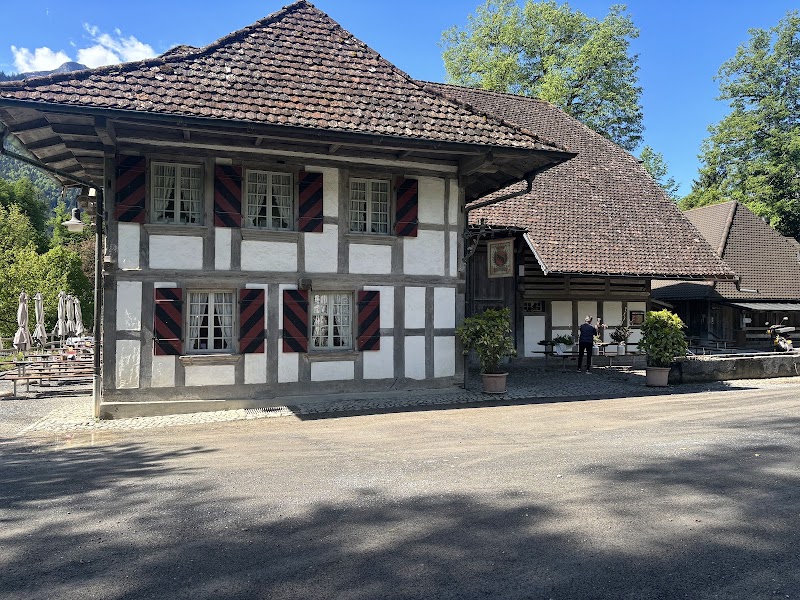


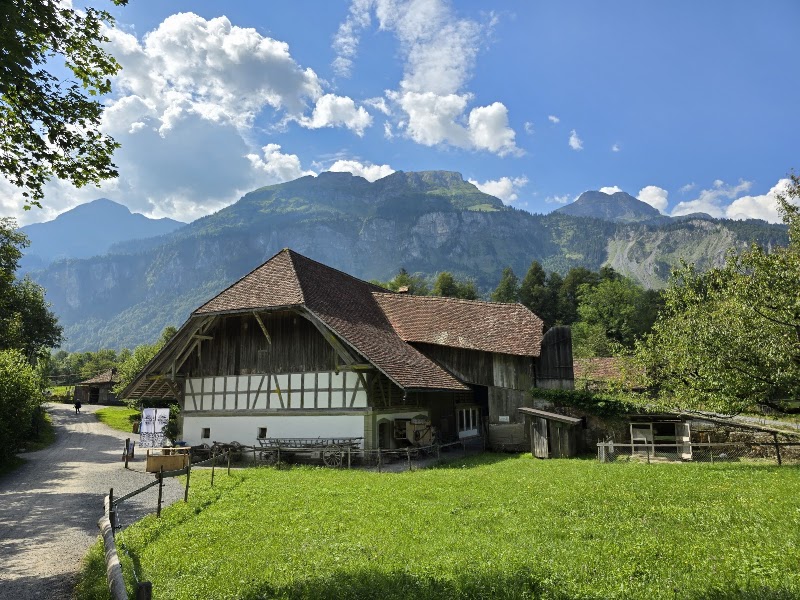
Photos published by travelers on Google, not AI generated.
What stands out
- Historic Swiss buildings
- Live traditional craft demonstrations
- Water-powered machinery
- Bread, cheese and butter making
Worth knowing
- The grounds require substantial walking
- A late arrival can feel rushed
- Some activities have age restrictions
Don't miss
What comes up most in public reviews
- The working water wheel and timber saw
- Live craft demonstrations
- Historic workshops, farmhouses and smokehouses
Worth the trip?
A broad view of rural Swiss history
Ballenberg is less a conventional museum than a preserved landscape of Swiss domestic and working life. Historic farmhouses, workshops, smokehouses and civic buildings represent different trades, social roles and ways of living. Public reviews repeatedly praise both the variety of structures and the depth of the preservation.
This assessment synthesizes Ballenberg’s Google rating of 4.7 from 7142 reviews with the supplied traveller reports. The strongest consensus is that the museum is much larger and more absorbing than first-time visitors often expect. Rather than presenting history through display cases alone, Ballenberg allows people to move between buildings, fields and working spaces, seeing how homes and trades fitted together.
Demonstrations make the difference
The live demonstrations are among the most frequently praised parts of the experience. Reviewers describe watching craftspeople bake bread, make cheese and demonstrate traditional skills. One account also mentions making and eating butter. These activities help explain the practical effort behind everyday food production and manual work.
Water-powered machinery is another recurring highlight. Visitors single out the large water wheel and the sight of timber being sawn using mechanical power generated by water. The combination of wood, gears and moving machinery gives the museum a more tangible quality than static historical interpretation. It also provides an accessible way to understand how energy once powered essential work.
The buildings remain attractions in their own right. Reviews mention old workshops and smokehouses alongside homes associated with different levels of society, from farm labour to local civic life. Collectively, they present a wider picture than a single reconstructed village or farmhouse could offer.
Time and walking matter
Several reviews warn against treating Ballenberg as a short stop. One visitor arrived only 2.5 hours before closing and wished they had allowed at least half a day; another arrived at 3pm for a 5pm close and found the visit rushed. Some travellers are reportedly told that the site can justify a return visit because there is so much to cover.
The scale also means substantial walking. A warm spring day was uncomfortable for one reviewer, so a mild day and an earlier start should make the grounds easier to explore. Internal transport should not be assumed to run frequently, based on one report of seeing the bus only twice while walking.
Who will enjoy it most
Ballenberg should work particularly well for families with older children, craft enthusiasts, social-history followers and travellers who prefer active museums. The demonstrations add movement and personality, while the broad collection rewards visitors prepared to explore at an unhurried pace.
Families should check participation rules before promising specific hands-on activities. One reviewer reported that an engraving activity was limited to children aged 14 and over because of its difficulty. Overall, Ballenberg earns its strong public reputation through scale, preserved architecture and practical demonstrations, but the best visits are planned as a substantial outing rather than a brief diversion.
Ask anything
Looking for somewhere else?
Keep exploring around Hofstetten bei Brienz
More from Switzerland
Switzerland · Thun
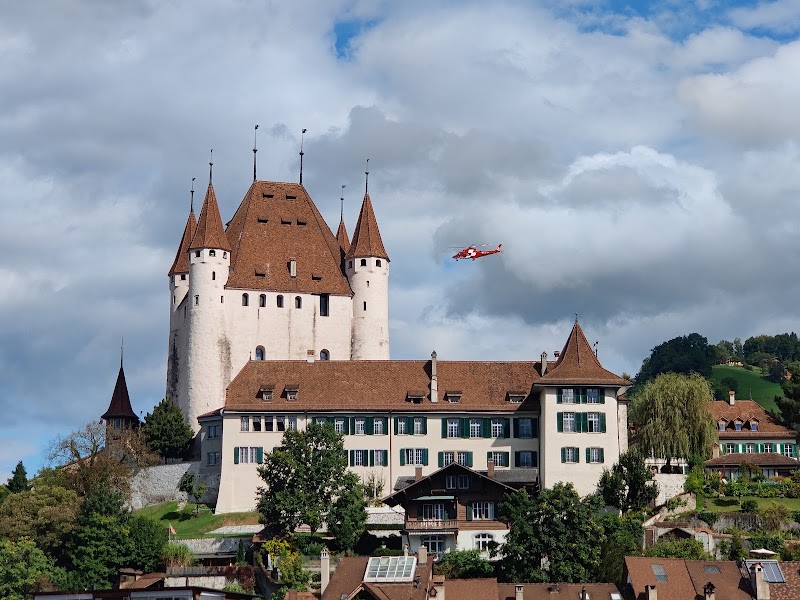
Thun Castle pairs medieval architecture with sweeping views
Public reviews praise this landmark above Thun for its historical exhibits, distinctive roof structure and views across the lake and mountains.
Switzerland · Schmitten
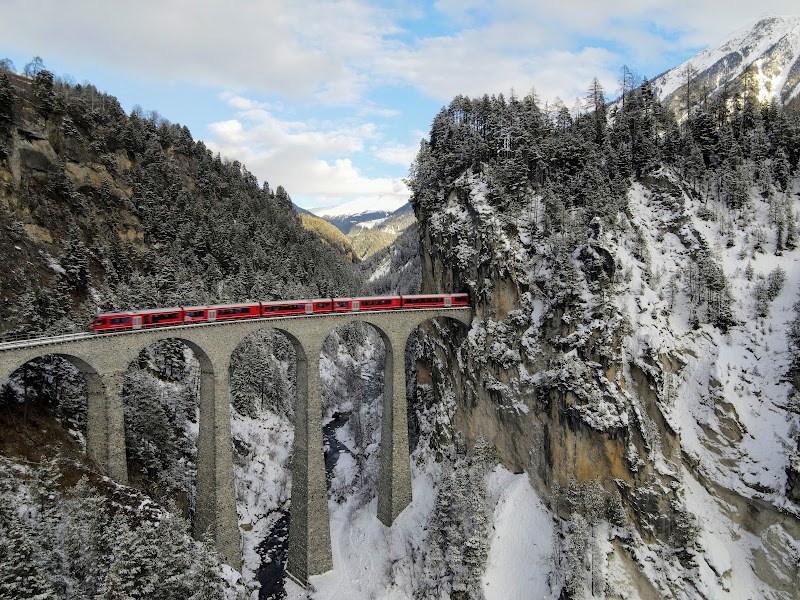
Landwasser Viaduct: Big Views and Memorable Train Crossings
A short walk from Filisur leads to striking views of this towering railway viaduct, especially when a red train crosses its curved span.
Switzerland · Bern
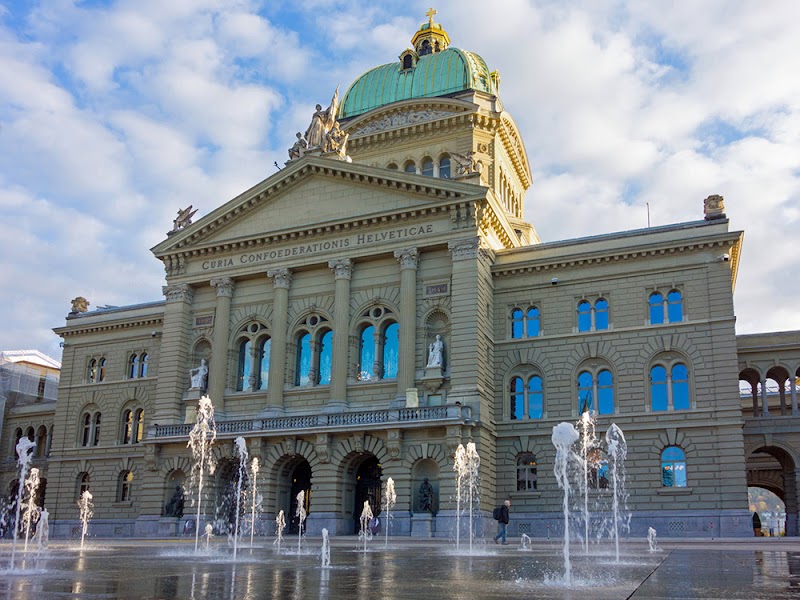
Parliament Building: Bern’s civic and architectural centre
Bern’s Federal Palace pairs imposing civic architecture with a lively square, guided interior access and broad views towards the river.
Switzerland · Château-d’Œx
Gruyère Pays-d’Enhaut: mountain walks and winter fun
This regional park around Château-d’Œx earns praise for its mountain scenery, relaxed walks, snowy slopes and seasonal aerial adventures.