Bahla Fort: Grand Scale and Centuries of Omani History
A vast mud-brick fortress of courtyards, towers and passages, Bahla Fort rewards unhurried exploration despite limited interpretation.
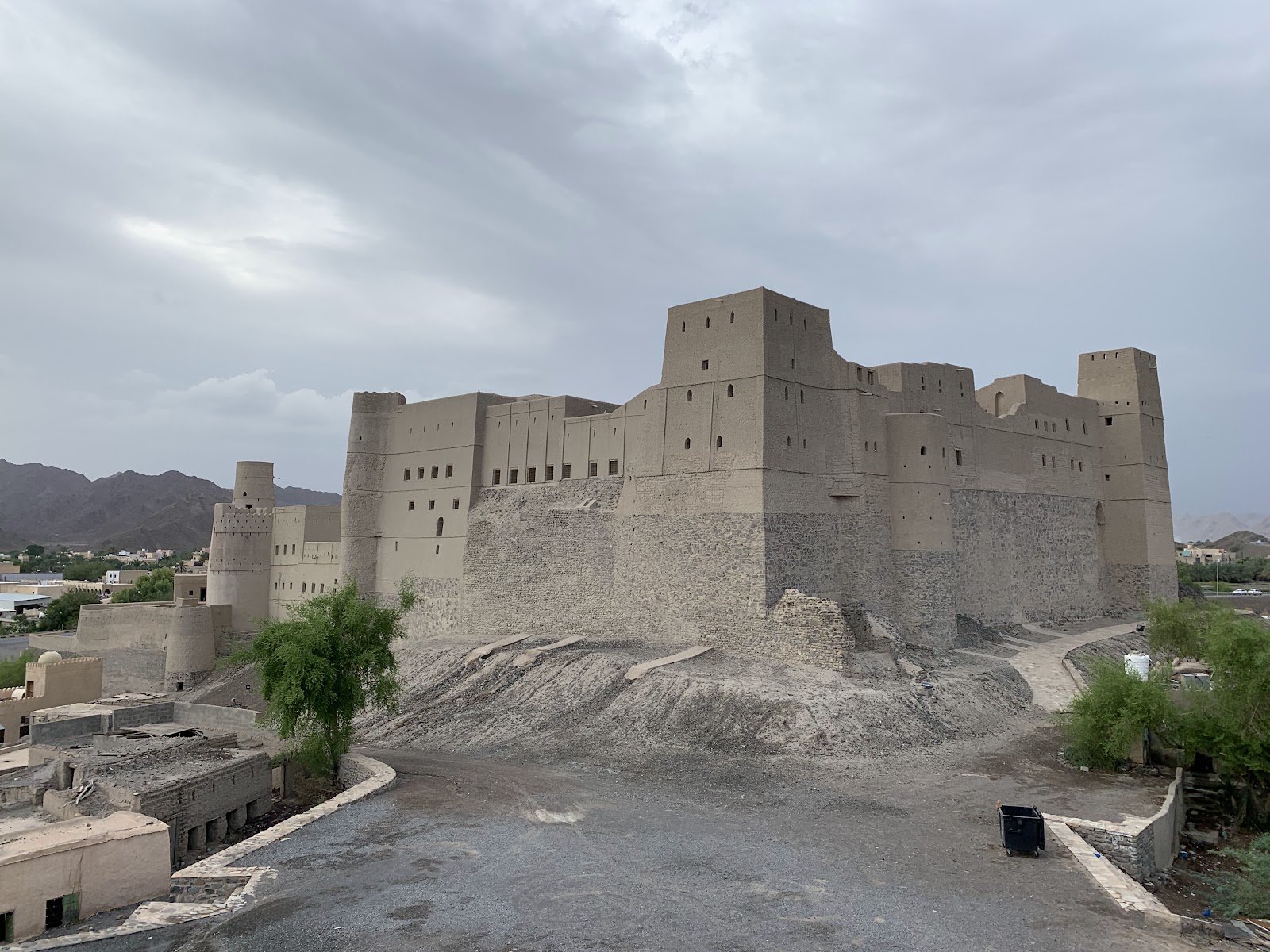
More photos
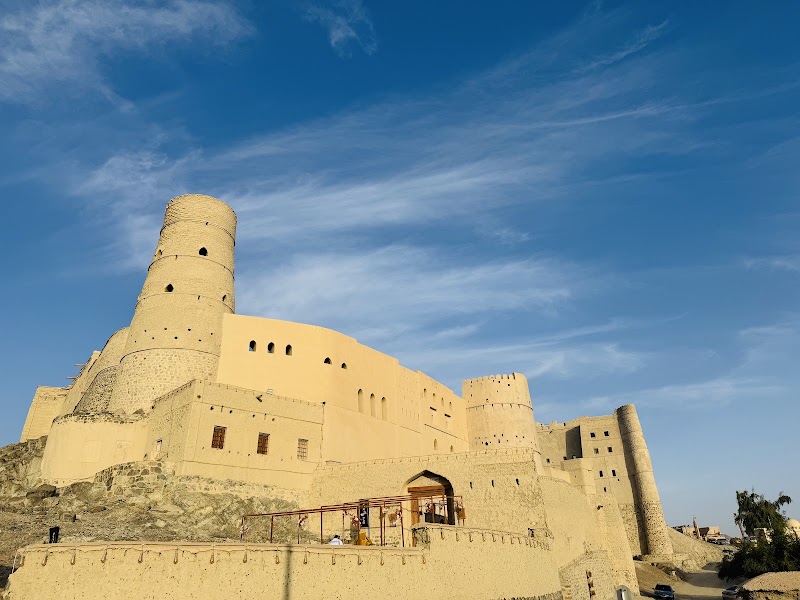


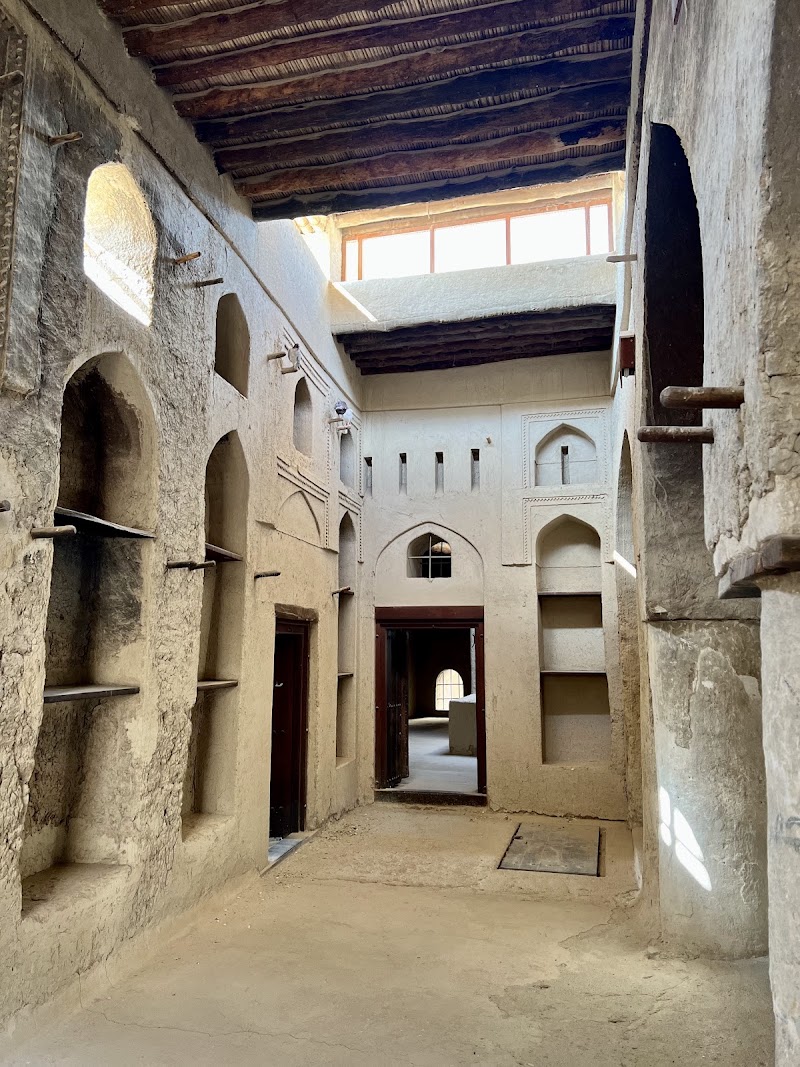
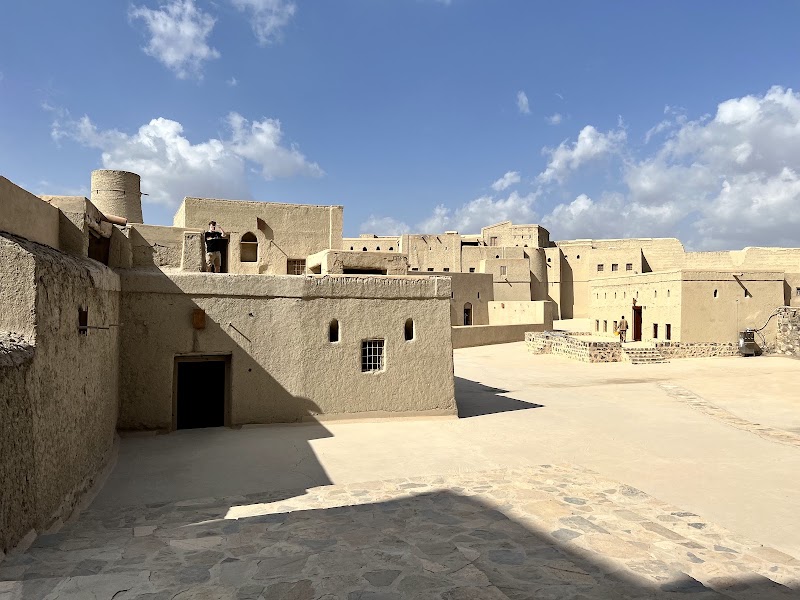

Photos published by travelers on Google, not AI generated.
What stands out
- Expansive mud-brick fortress
- Restored rooms, corridors and courtyards
- Towers and elevated viewpoints
- Intricate wooden doors
- Broad views over the surrounding area
Worth knowing
- Limited historical explanations
- Exposed outdoor areas in strong sun
- Some sections may be closed
Don't miss
What comes up most in public reviews
- Walk through the restored corridors and passages
- Explore the towers and courtyards
- Look for the intricate wooden doors
- Take in the views from higher sections
Worth the trip?
Why Bahla Fort stands out
Across public ratings and reviews, Bahla Fort is regularly described as one of Oman’s most impressive historic landmarks. Its Google rating is 4.5 from 3948 reviews. Travellers tend to focus on the sheer size of the place, the restored architecture and how much of it is open to explore. Comparisons with Nizwa Fort are common, particularly when reviewers discuss the number of rooms, corridors and walkways.
UNESCO World Heritage status gives Bahla Fort international significance, though reviews suggest that its physical presence leaves the deeper impression. Substantial mud-brick walls rise around defensive towers and courtyards arranged in layers. It feels like a full complex, not one building. Visitors can enter numerous interior spaces, rather than being limited to viewing the fort from outside.
What the visit is like
Most visitors explore independently. Public reviews describe moving between corridors, towers, courtyards, rooms and passages, with intricate wooden doors standing out among the architectural details. From the elevated sections, views open across Bahla and the surrounding landscape.
The restoration is generally well received. Reviewers find the fort clean and well maintained without feeling stripped of its historic character. Families also report rewarding visits, although stairs and uneven historic surfaces can slow things down with younger children. Some sections are outdoors and exposed.
Around two hours appears comfortable for travellers who want a proper look without rushing. Visitors interested in architecture, defensive design or photography may stay longer, working through the different levels and viewpoints. Bahla Fort’s location near Nizwa also makes it a practical stop during a wider heritage-focused day in the region.
Where expectations need managing
Interpretation is the main weakness raised in public feedback. Some reviewers find that there are too few explanations of how individual rooms were used or where different parts of the fort fit into its historical context. Anyone looking for more than the visual experience may want to read about Bahla and Omani fort architecture beforehand. It may also be worth asking whether guided interpretation is available.
Reviews also note that parts of the route may occasionally be closed. That does not seem to spoil the visit overall, but access to some non-essential sections can be limited.
Practical verdict
A large part of the visit is outdoors, including the courtyards and exposed walkways. Reviewers are direct about the strength of the sun. Cooler hours make sense, as do sun protection and drinking water. Parking is described as being below the roadside fort, with a walk uphill to the entrance.
Bahla Fort rewards a slow visit rather than a quick photo stop. Scale is a major part of its appeal, along with the atmosphere and architectural variety. Detailed signage is in short supply, and that remains the clearest drawback. Even so, the range of accessible spaces and the views from higher points place it among the more substantial fort visits described by travellers in Oman.
Ask anything
Looking for somewhere else?
Keep exploring around Bahlat
More from Oman
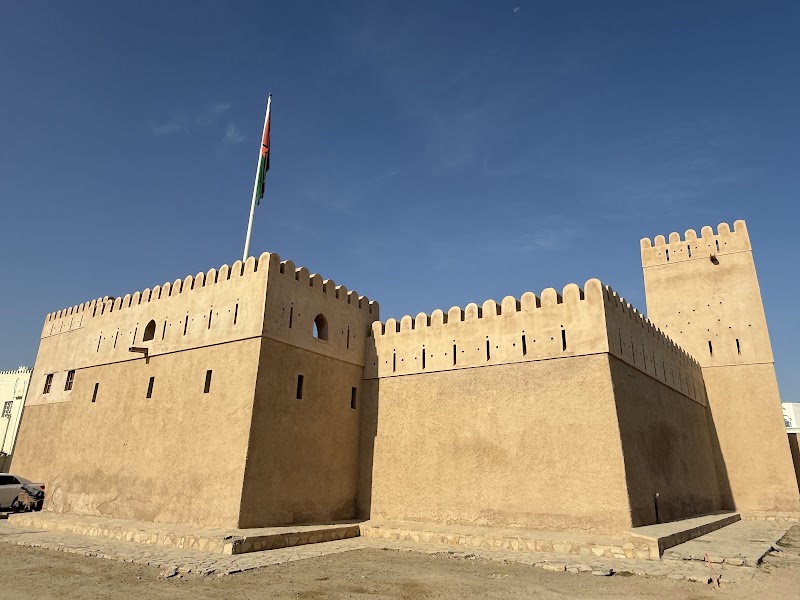
Oman · Sur
Al Ayjah Castle: A Brief Look at Sur’s Fort Architecture
This compact, renovated castle in old Sur offers accessible towers and rooms, but limited interpretation and sparse interiors.
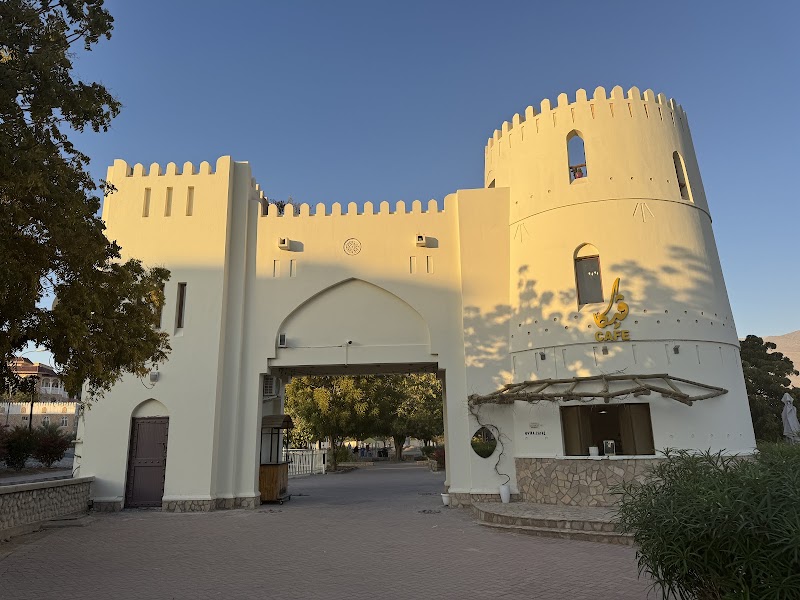
Oman · Nizwa
Falaj Daris Park: Green Space and Irrigation Heritage
This relaxed Nizwa park pairs lawns and family space with flowing water from Oman’s historic Falaj Daris irrigation system.
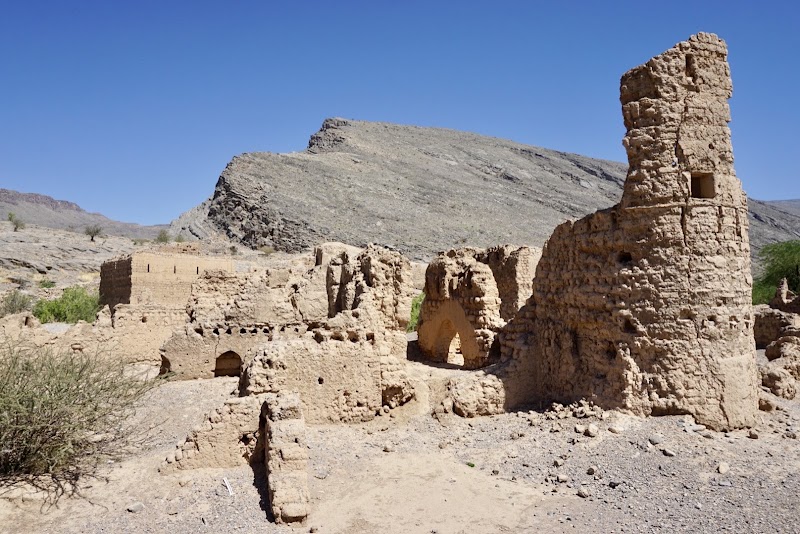
Oman · Tanuf
Tanuf Castle Ruins: A Quiet Window into Old Oman
Near Nizwa, these atmospheric ruins offer traditional architecture, uncrowded exploration and strong photography potential in a compact stop.
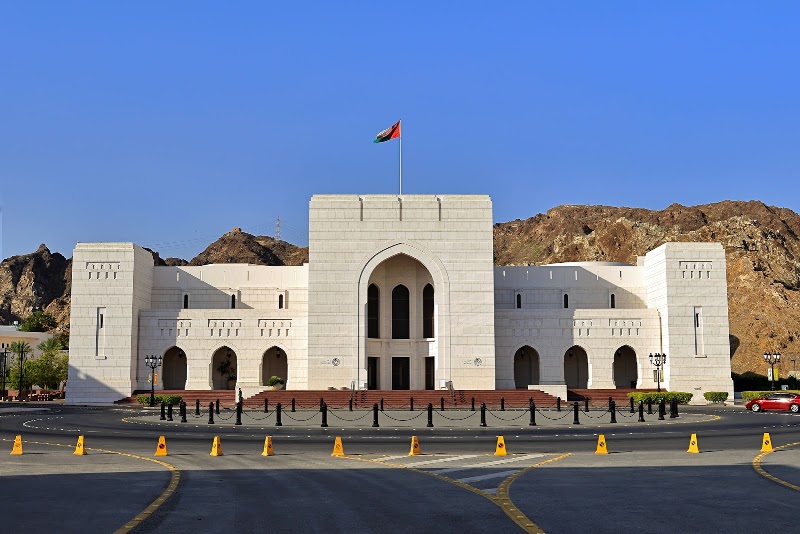
Oman · Muscat
The National Museum of Oman: A Clear Guide to the Sultanate
Muscat’s National Museum earns strong marks for thoughtful displays covering Omani history, maritime ties, faith, culture and royal heritage.