Badagry Heritage Museum Makes Difficult History Personal
Public reviews describe a well-kept, reflective museum where knowledgeable guides explain Badagry’s role in Nigeria’s slave-trade history.
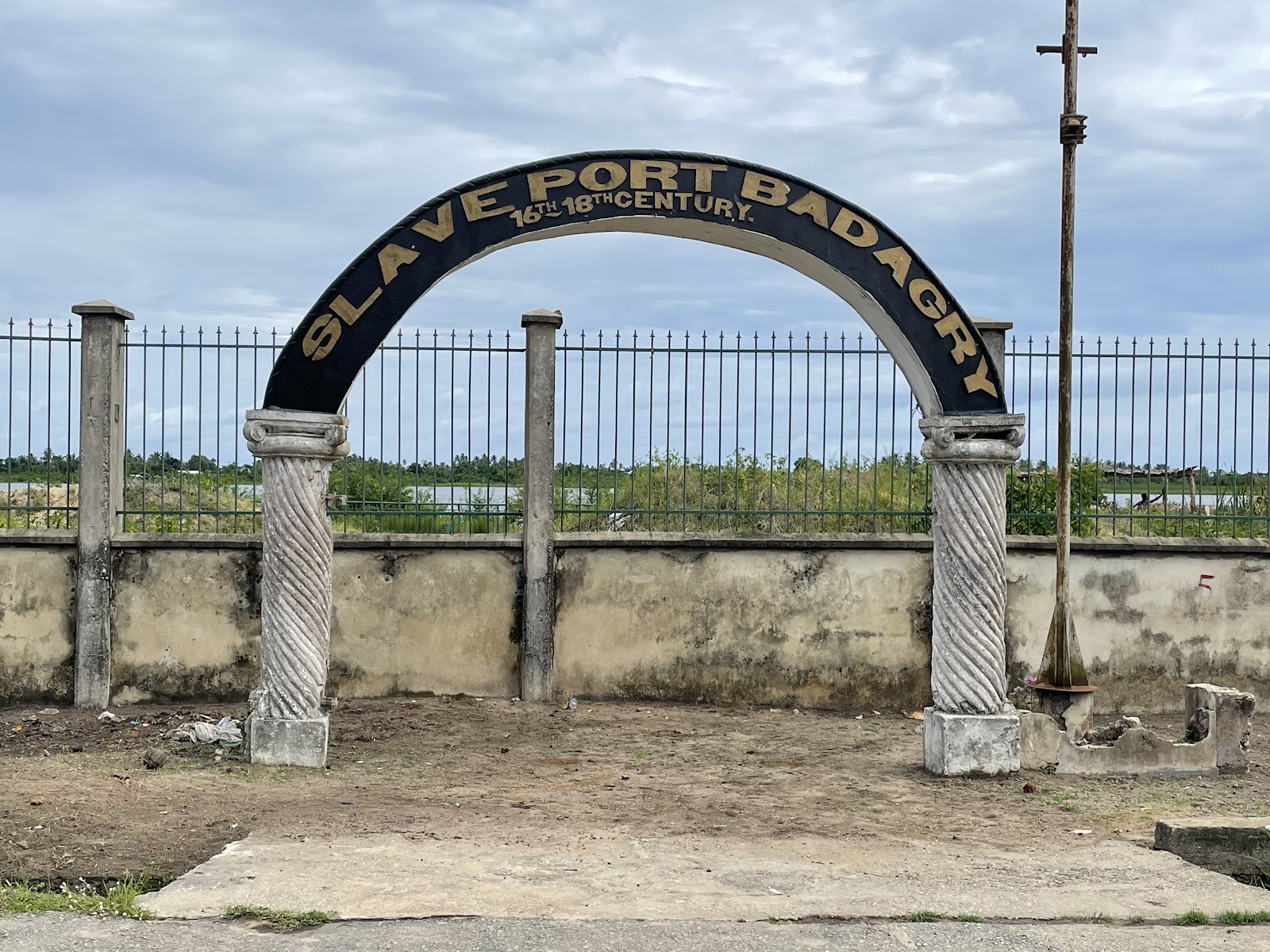
More photos
Photos published by travelers on Google, not AI generated.
What stands out
- Knowledgeable, calm guides
- Well-kept museum setting
- Historic slave-trade interpretation
- Sculpture depicting the slave era
- Welcoming local reception
Worth knowing
- The subject matter is emotionally difficult
- Check current guided-visit charges before arrival
Don't miss
What comes up most in public reviews
- See the slave-era sculpture
- Ask about Nigeria’s role in the transatlantic slave trade
Worth the trip?
What the reviews show
Badagry Heritage Museum is a history-focused attraction in Badagry, Nigeria, centred on the country’s connection to the transatlantic slave trade. Public ratings give it 4.3 from 448 reviews, a strong signal that visitors find the experience worthwhile. The comments are not casual sightseeing notes. They repeatedly describe a visit that prompts reflection, learning and difficult questions about the past.
Several reviewers mention bringing children during the school holidays so they can understand what the slave trade looked like and what earlier generations endured. That makes the museum particularly relevant for families looking for a serious educational stop. The subject matter is painful, and the visit is unlikely to feel light or purely recreational.
The guide shapes the experience
The museum’s guides receive some of the clearest praise in the available reviews. Visitors describe the narrator as friendly and calm. Another review calls the guide exceptional, highlighting both historical knowledge and the ability to explain the subject clearly. This matters here. The museum deals with a complex history, and a thoughtful explanation can give structure to what visitors see.
A guided visit appears to be the more useful choice for people who want context rather than a quick walk through exhibits. One public review specifically distinguishes between visiting with a guide and visiting without one, though the review’s quoted prices should be checked before arrival because charges can change. The available listing marks the price level as unknown.
Exhibits and atmosphere
Reviews describe the museum as nicely equipped and well kept. A sculpture depicting historic representations of the slave era is singled out as one of the most compelling features. The comments suggest that the displays do more than present dates or labels. They create a visual connection with the human reality behind the historical record.
The atmosphere is best understood as reflective. Visitors speak of being enlightened and of confronting one of the most painful chapters in human history. That tone sets expectations clearly. The museum suits travellers who want to learn about Nigeria’s past and are prepared to engage with challenging material.
Who should go
Families with older children, history-minded travellers and visitors interested in Badagry’s heritage are the clearest fit. The reviews also point to a warm reception from local people, which adds to the sense that the museum is part of a wider historical experience rather than an isolated indoor stop.
A guide should be requested at the start, especially for a first visit. Visitors should allow time to listen, ask questions and consider the exhibits rather than treating the museum as a brief photo stop. The strongest reason to visit is not spectacle. It is the chance to understand how the slave trade shaped Nigeria’s history, presented through an accessible museum and well-regarded narration.
Plan the rest of the trip
Ask anything
Looking for somewhere else?
Keep exploring around Badagry
More from Nigeria
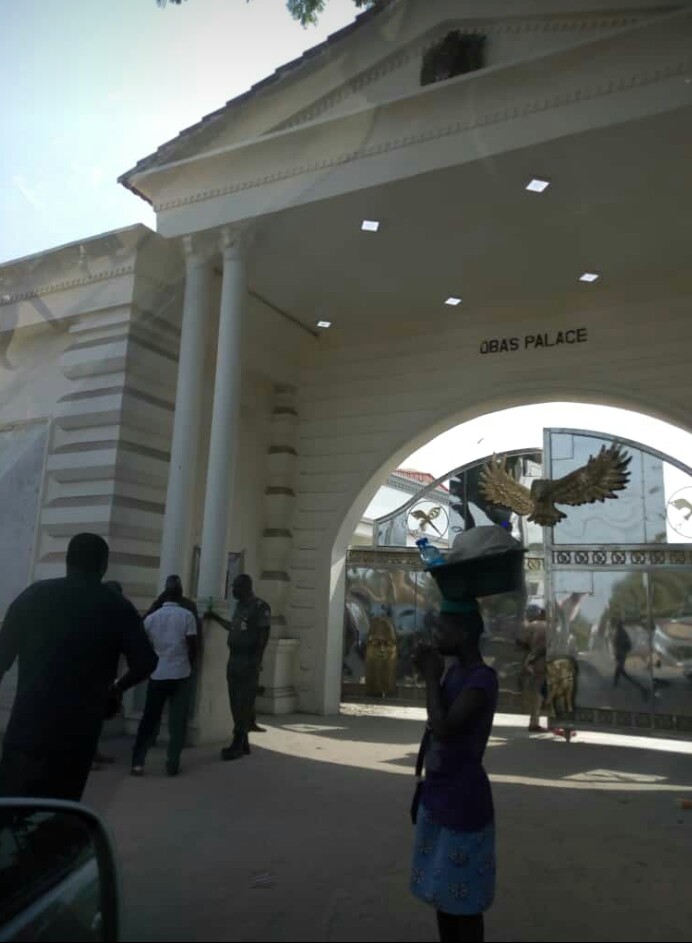
Nigeria · Benin City
Oba Palace, Benin City’s Living Centre of Benin Royal Tradition
Public reviews describe Oba Palace as a culturally important place for learning about the Benin monarchy, with visits shaped by royal protocol.
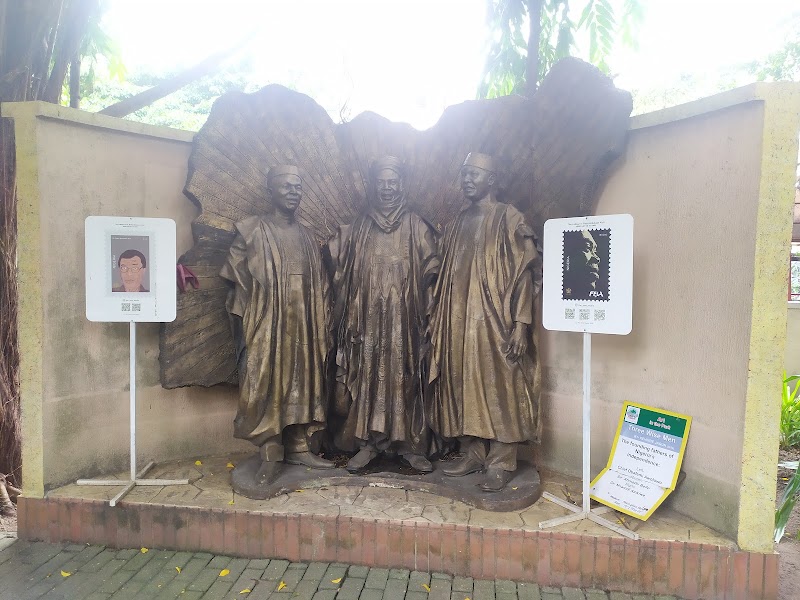
Nigeria · Lagos
Old Lagos Prison: Freedom Park’s History in Focus
Freedom Park turns a former colonial prison into a reflective cultural landmark, with museum displays, historic stories and space for creative expression.
Nigeria · Kano
Goron Dutse Hill: Kano’s Historic High Point
Goron Dutse Hill offers wide views over Kano and a glimpse of the city’s long history, though visitors should expect a lightly developed landmark.
Nigeria · Ife
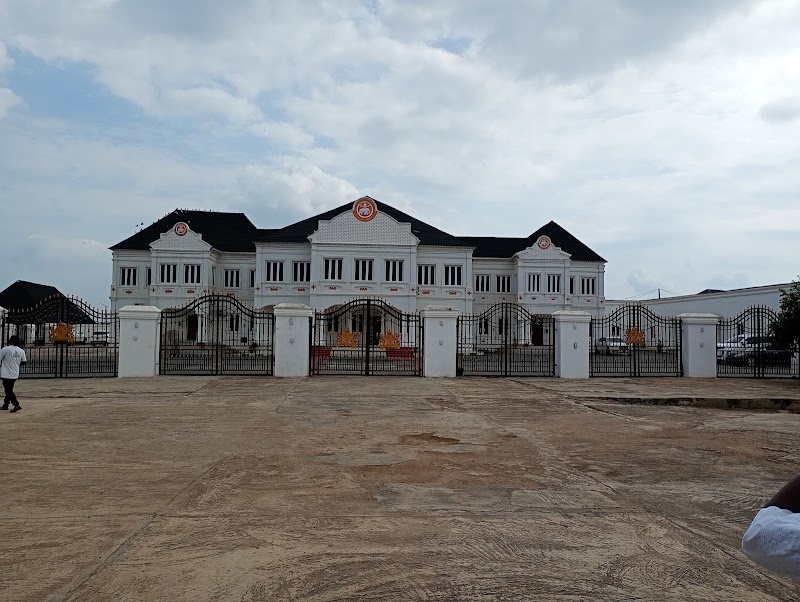
Ile Nla, the Ooni of Ife’s Historic Palace
Public reviews describe a significant Yoruba and Ife heritage site, with access conditions that visitors should clarify before arriving.