Ayo Rock Formations: Boulders, Trails and Ancient Art
A compact Aruban nature stop with massive boulders, winding paths, elevated views and rock drawings linked to the island’s early inhabitants.
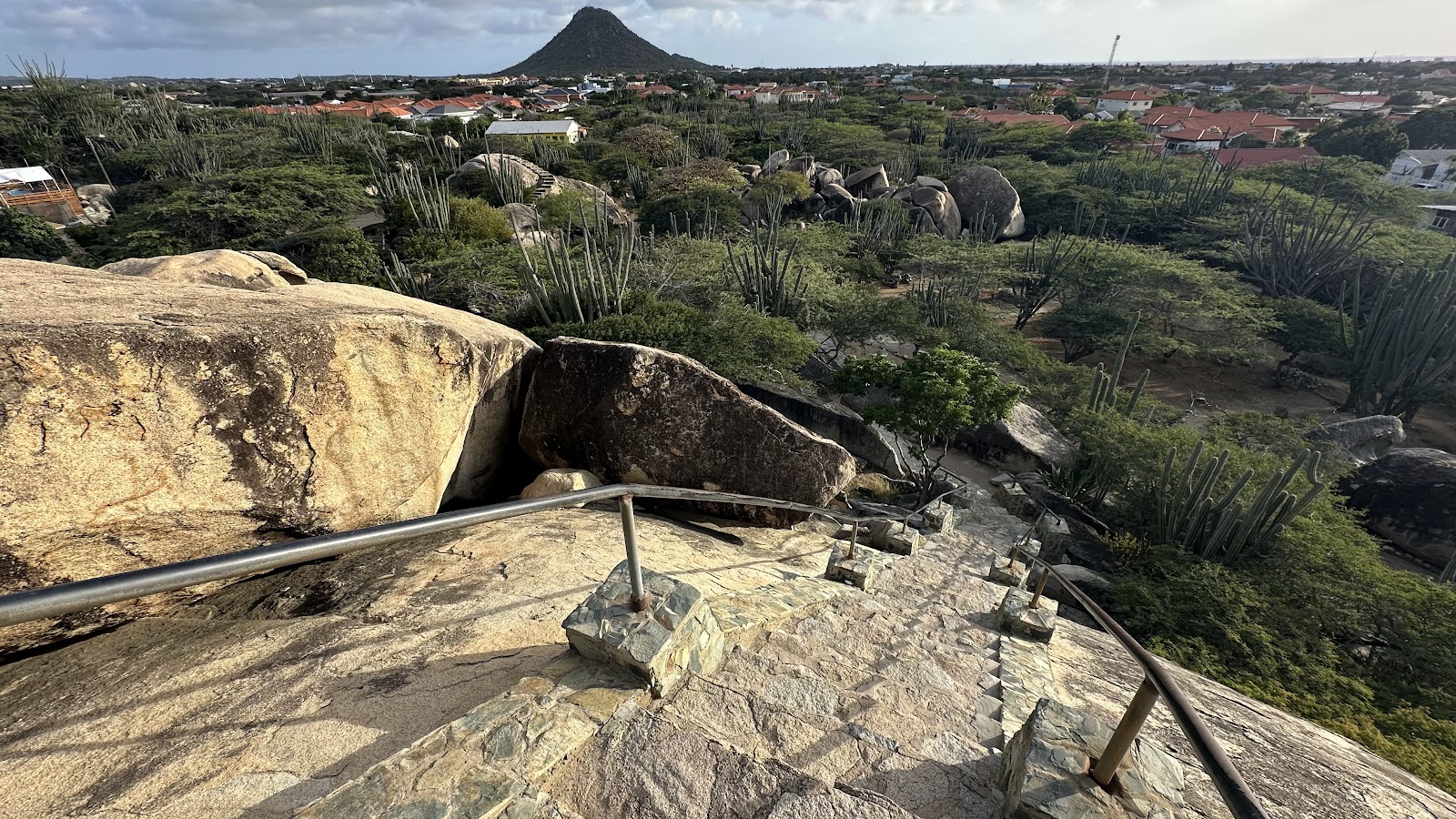
More photos
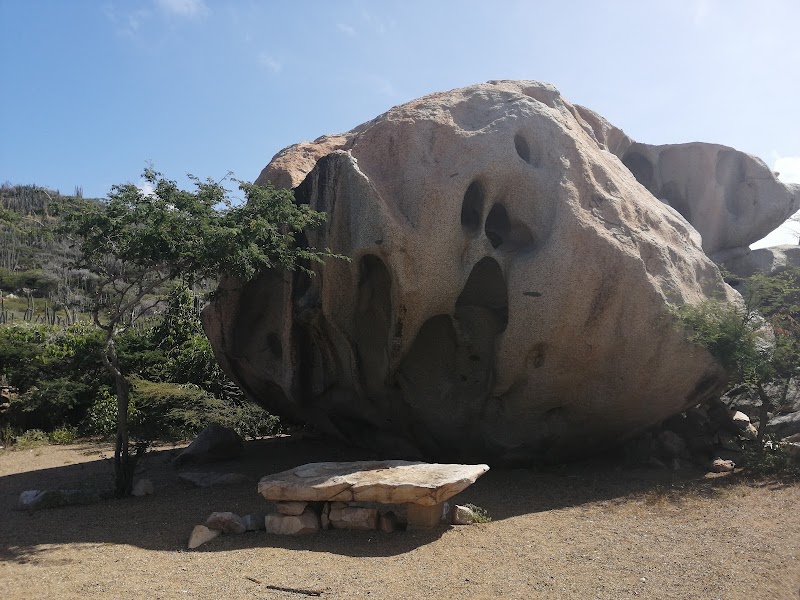
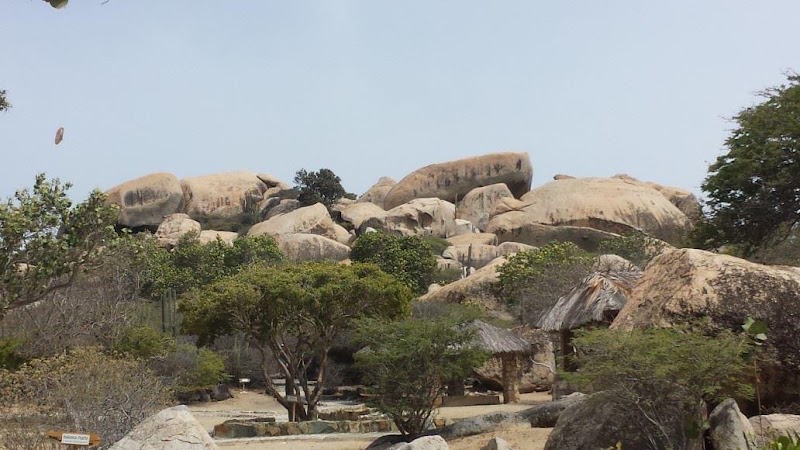
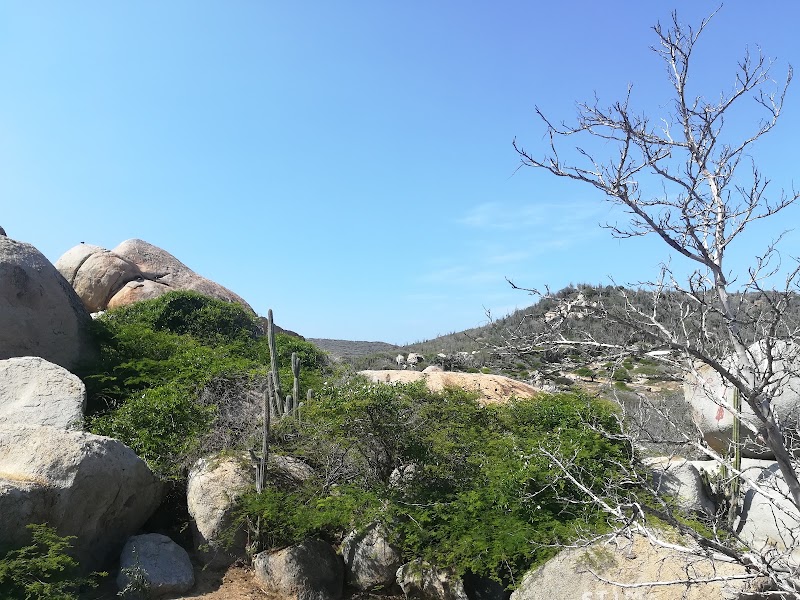


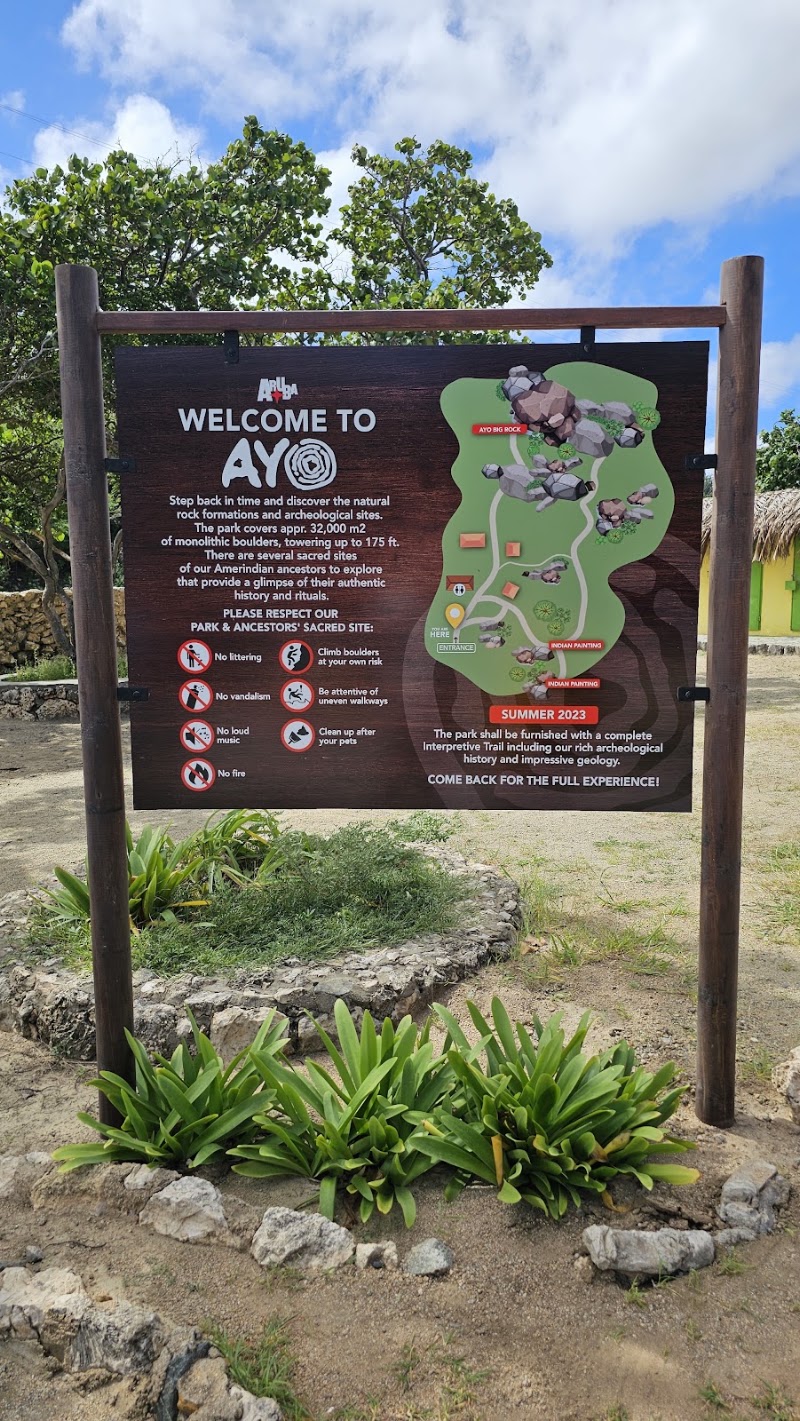
Photos published by travelers on Google, not AI generated.
What stands out
- Massive boulders in a desert landscape
- Easy and steeper walking routes
- Ancient rock drawings
- Steps leading to elevated viewpoints
- Native plants and visible wildlife
Worth knowing
- Tight passages and steep trail sections
- Unsupervised climbing areas
- Bathrooms may be locked
Don't miss
What comes up most in public reviews
- Ancient Arawak rock drawings
- The longer trail through the boulders
- Stairs leading toward the upper viewpoint
- Historical and native-plant signs
Worth the trip?
Why visitors stop here
Based on a Google rating of 4.6 from 1054 reviews and recurring traveller feedback, Ayo Rock Formations delivers a short but memorable change from Aruba’s beaches. Enormous boulders rise abruptly from the dry landscape, creating passages, steps and natural viewpoints that make the site feel more varied than its compact size suggests.
Public reviews commonly describe Ayo as an interesting place for a walk, with enough unusual geology and cultural context to reward a dedicated stop. Visitors also appreciate its budget-friendly nature and its proximity to Casibari Rock Formations, which one reviewer placed only a short drive away. Ayo works particularly well as one part of a broader island sightseeing route rather than as a full-day attraction.
Trails, steps and tight passages
The paths are central to the experience. Reviews mention both easier walking options and steeper routes that climb through or around the boulders. Some sections pass through tight spaces, while stairs lead toward higher points and broader views across the surrounding terrain. One account notes that the continuation of a trail was not immediately obvious because stairs were located on the far side of a boulder.
That variety gives visitors some flexibility. Travellers with limited mobility have reported using an easier path while skipping the steepest sections. Those choosing the longer route should expect uneven surfaces, steps and some route-finding around large rocks. Reviews also characterize the park as unsupervised, so any scrambling or climbing beyond the defined path requires particular caution.
The park is repeatedly described as small, making it suitable for a short walk rather than an extended hike. Even so, the longer trail appears to provide enough twists, passages and elevation changes to feel engaging.
Rock drawings and desert nature
Ayo is not solely a geological stop. Several reviews highlight ancient rock drawings or cave paintings associated with Aruba’s original Arawak inhabitants. Informational signs explain aspects of the area’s historical significance, adding useful context to what might otherwise look like a collection of striking boulders.
The surrounding nature also receives attention. Traveller reports mention native plants, descriptive signs and a surprising amount of visible wildlife. The combination of desert vegetation, cultural material and monumental rocks gives the park several points of interest within a relatively limited area.
Practical expectations
Ayo is best approached as a brief outdoor excursion. There is no review-based consensus on the best season or time of day, but the exposed terrain and physical nature of the steeper paths make sensible footwear and an honest assessment of mobility worthwhile.
Facilities may be unreliable. One reviewer reported that the bathrooms were padlocked unless official tours were taking place, so visitors should not assume restrooms will be available. The lack of supervision is another recurring practical consideration, especially around steep steps, narrow gaps and optional rock climbing.
Overall, public feedback presents Ayo Rock Formations as a worthwhile, budget-friendly stop for travellers interested in geology, short walks and Aruban history. Its strongest appeal lies in the mix of dramatic boulders, navigable trails and ancient drawings, all within a visit that can fit comfortably into a wider day of island exploration.
Ask anything
Looking for somewhere else?
Keep exploring
More from Aruba

Aruba · Savaneta
Vader Piet Entrance: A Practical Route Into Arikok
This Arikok National Park gateway offers a comparatively manageable drive toward caves, ancient paintings and Aruba’s natural side.
Aruba · Noord
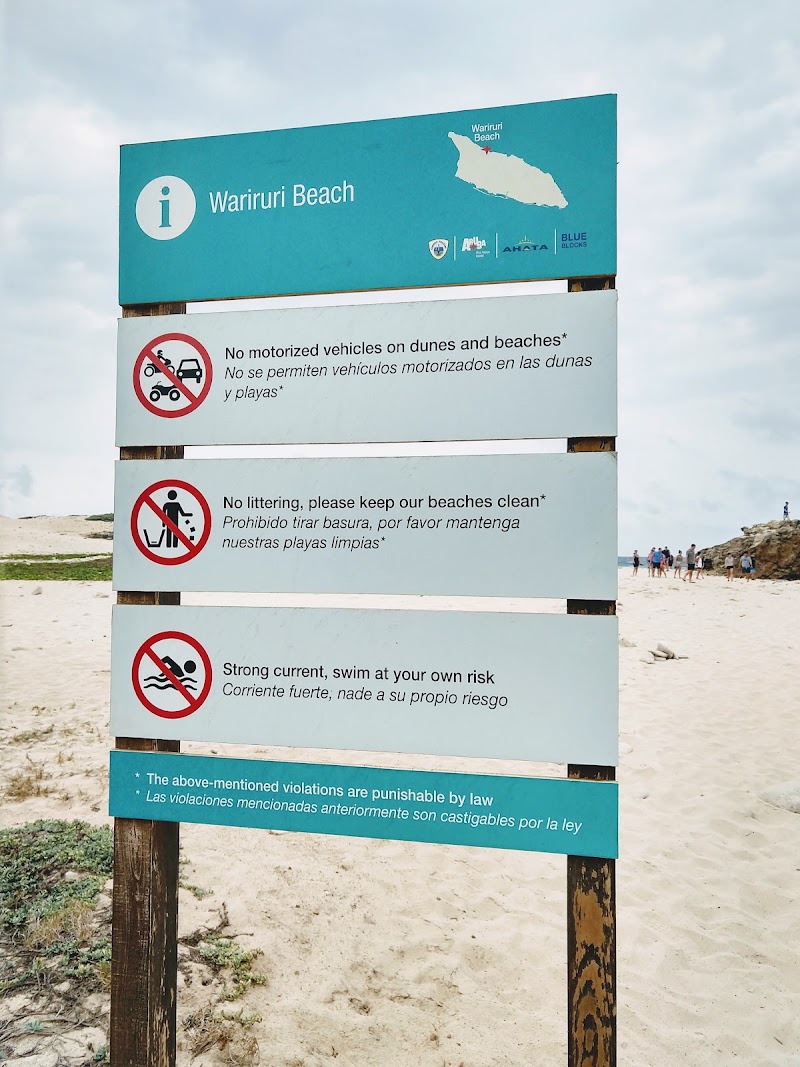
Wariruri Beach: Wild Surf and Aruba’s Baby Bridge
Wariruri Beach pairs a rugged north-coast setting with a small natural bridge, though difficult access and washed-up rubbish can affect the visit.

Aruba · San Nicolas
Museum of Industry: Aruba’s Economic Story in San Nicolas
This compact two-floor museum uses artefacts, photographs and oral histories to explain how industry shaped Aruba’s economy and communities.

Aruba · Noord
Bubali Bird Sanctuary: Easy Wildlife Watching in Noord
Public reviews point to a relaxed nature stop with ducks, turtles and lizards, although dense vegetation can limit views of larger birds.