Atomic Bomb Dome: Hiroshima’s stark memorial to war
Preserved beside Peace Memorial Park, the Atomic Bomb Dome confronts Hiroshima’s wartime destruction while expressing a lasting appeal for peace.
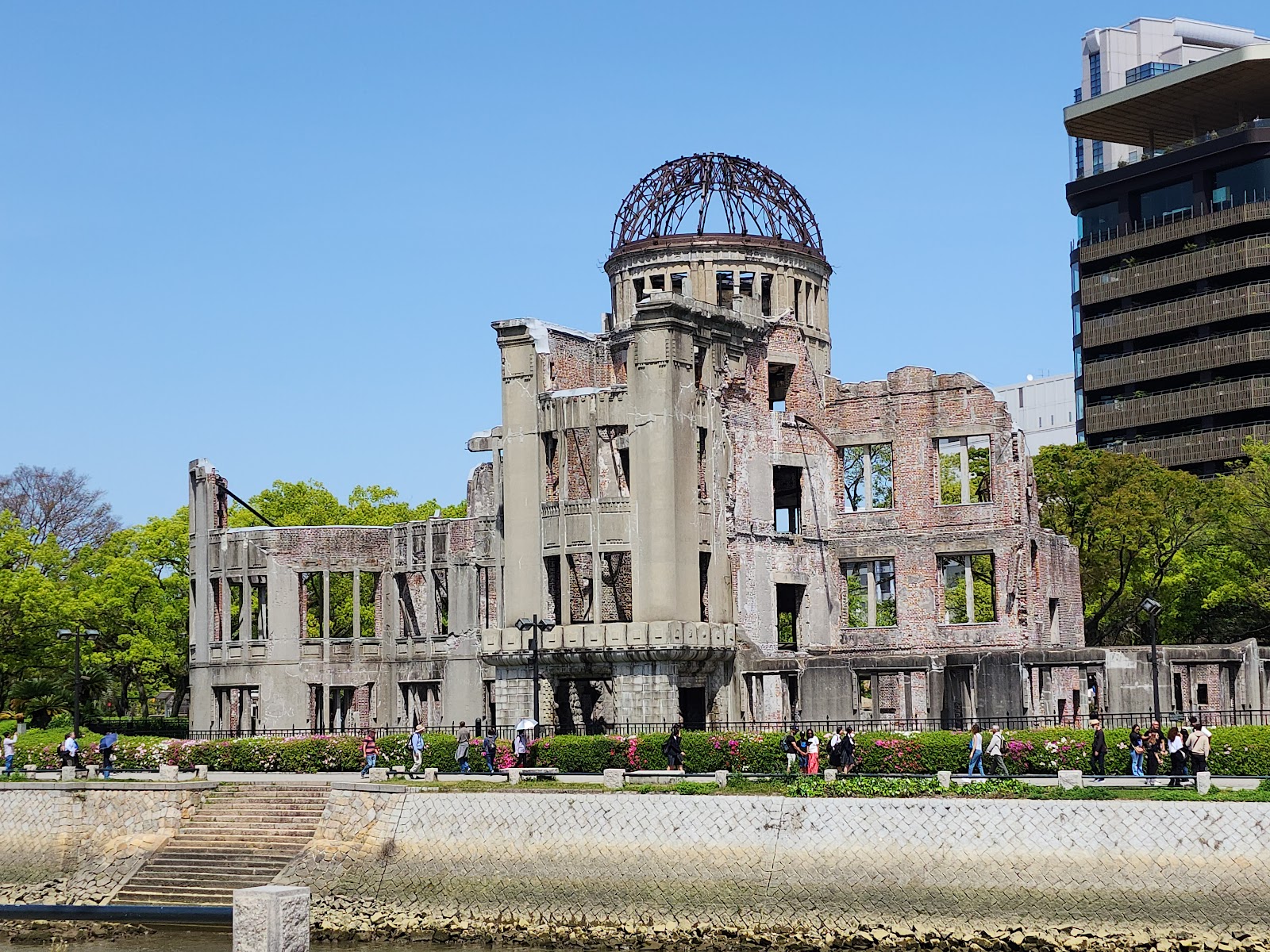
More photos
Photos published by travelers on Google, not AI generated.
What stands out
- Preserved skeletal ruins
- Powerful wartime history
- Contrast with serene Peace Memorial Park
- Symbol of peace and recovery
- UNESCO World Heritage status
Worth knowing
- Emotionally intense subject matter
- Not a conventional entertainment attraction
Don't miss
What comes up most in public reviews
- View the preserved Dome from outside
- Walk through Peace Memorial Park
- Pause to study the skeletal framework
- Consider the contrast with rebuilt Hiroshima
Worth the trip?
Why it matters
Public ratings and reviews place the Atomic Bomb Dome, also known as the Genbaku Dome, among Hiroshima’s most powerful and emotionally demanding landmarks. It has a Google rating of 4.7 from 34354 reviews. Across the sampled accounts, the same words appear again and again: sobering, moving and unforgettable.
What survives is the skeletal remainder of an industrial exhibition hall that stood close to the hypocentre of the 1945 atomic bombing. The surrounding area was devastated, yet part of the building remained upright. Its damaged walls and exposed framework were preserved, leaving a direct physical record of the destruction. Photographs do not carry the weight of standing before the ruins, reviewers often say.
The experience on the ground
This is not a conventional attraction. Visitors view the ruin from outside, its scarred shell set against the calm, landscaped surroundings of Peace Memorial Park. Public reviews return often to that contrast. The building reflects the bombing’s sudden violence, while the park speaks to remembrance, recovery and the hope that such destruction will not happen again.
Several reviewers describe stopping in silence rather than treating the Dome as another point on a sightseeing route. The response is visual, historical and deeply reflective. Its preserved metal framework is the most recognisable feature, but the scale and rough texture of the surviving walls make the loss feel more immediate.
The Dome is a UNESCO World Heritage site and an enduring symbol of Hiroshima. It draws families, international travellers and those interested in modern history. Reviews from visitors of different backgrounds tend to reach the same conclusion: it is an essential stop for understanding the city’s tragedy and the renewal that followed.
Pairing it with Peace Memorial Park
The strongest visitor accounts approach the Dome and Peace Memorial Park as a single, connected experience. Within the park, there is room to walk, stop and consider the wider consequences of atomic warfare. Many reviews mention the serenity of the setting today. That quiet can make the remains more affecting, not less.
Half a day allows the area more breathing room than a quick photo stop. Viewing the Dome itself may not take long, but public feedback suggests its meaning emerges through time spent nearby, taking in the relationship between the ruin, the park and the rebuilt city around them.
Editorial verdict
The Atomic Bomb Dome is about witness and remembrance, not entertainment. Its force comes from what can still be seen: a building caught in destruction, preserved as Hiroshima grew and recovered around it.
Judging by the volume and tone of public feedback, this is Hiroshima’s defining historical sight. It is best suited to travellers ready for a serious encounter with the human cost of war. Some visitors may find the emotional intensity difficult, particularly families explaining the events to children. Even so, the recurring view is that the experience feels meaningful rather than gratuitous. Given time and approached with respect, the Dome and adjoining park make a clear, enduring appeal for peace.
Plan the rest of the trip
Ask anything
Looking for somewhere else?
Keep exploring around Hiroshima
More from Japan
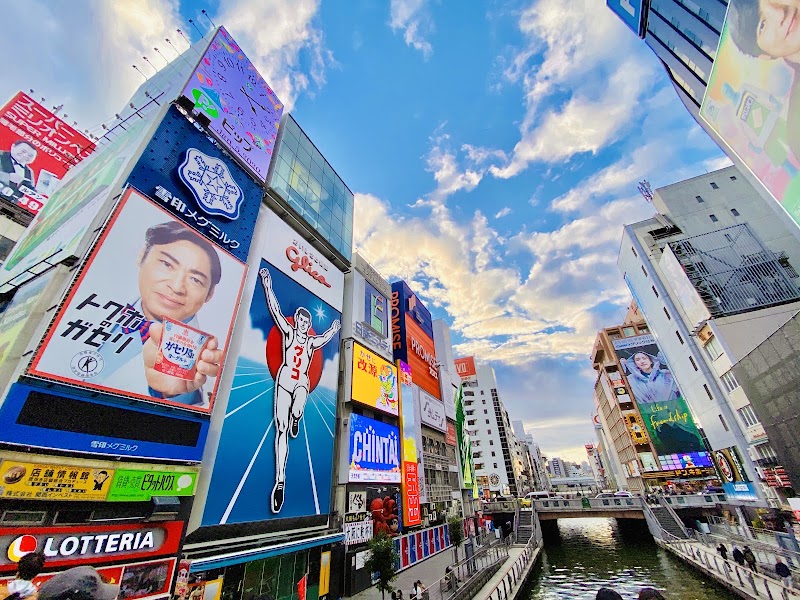
Japan · Osaka
Dotonbori After Dark: Osaka’s Neon-Filled Riverfront
Dotonbori delivers Osaka’s biggest concentration of neon signs, food spots, shops and canal-side energy, with the Glico running man at its centre.
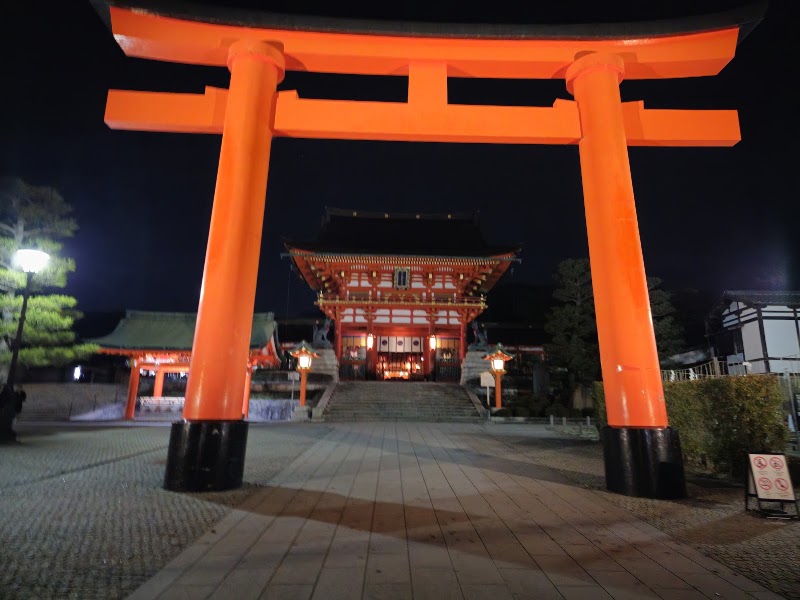
Japan · Kyoto
Fushimi Inari Taisha: Kyoto’s Torii-Gate Mountain Walk
Fushimi Inari Taisha pairs iconic vermilion torii gates with a demanding mountain route that grows quieter and more atmospheric higher up.
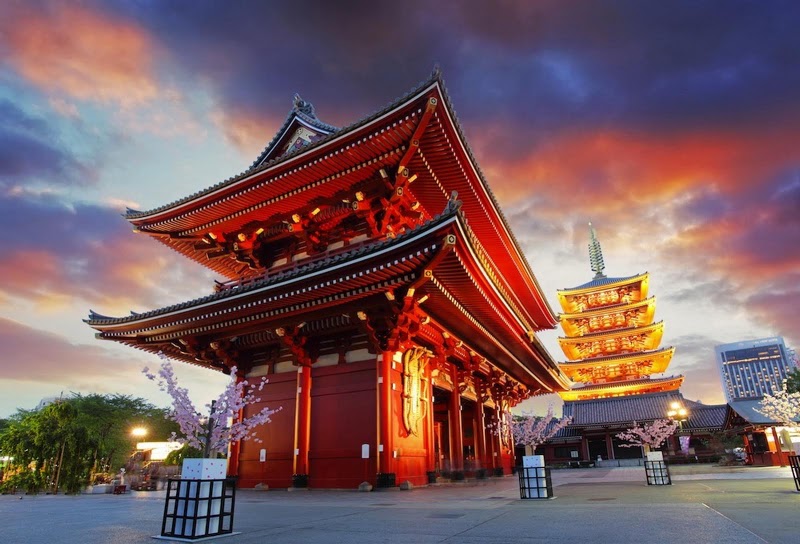
Japan · Taito City
Sensō-ji, Tokyo’s Enduring Temple Landmark
Sensō-ji gives visitors a vivid introduction to Buddhist tradition, historic architecture and the busy street life of Asakusa.
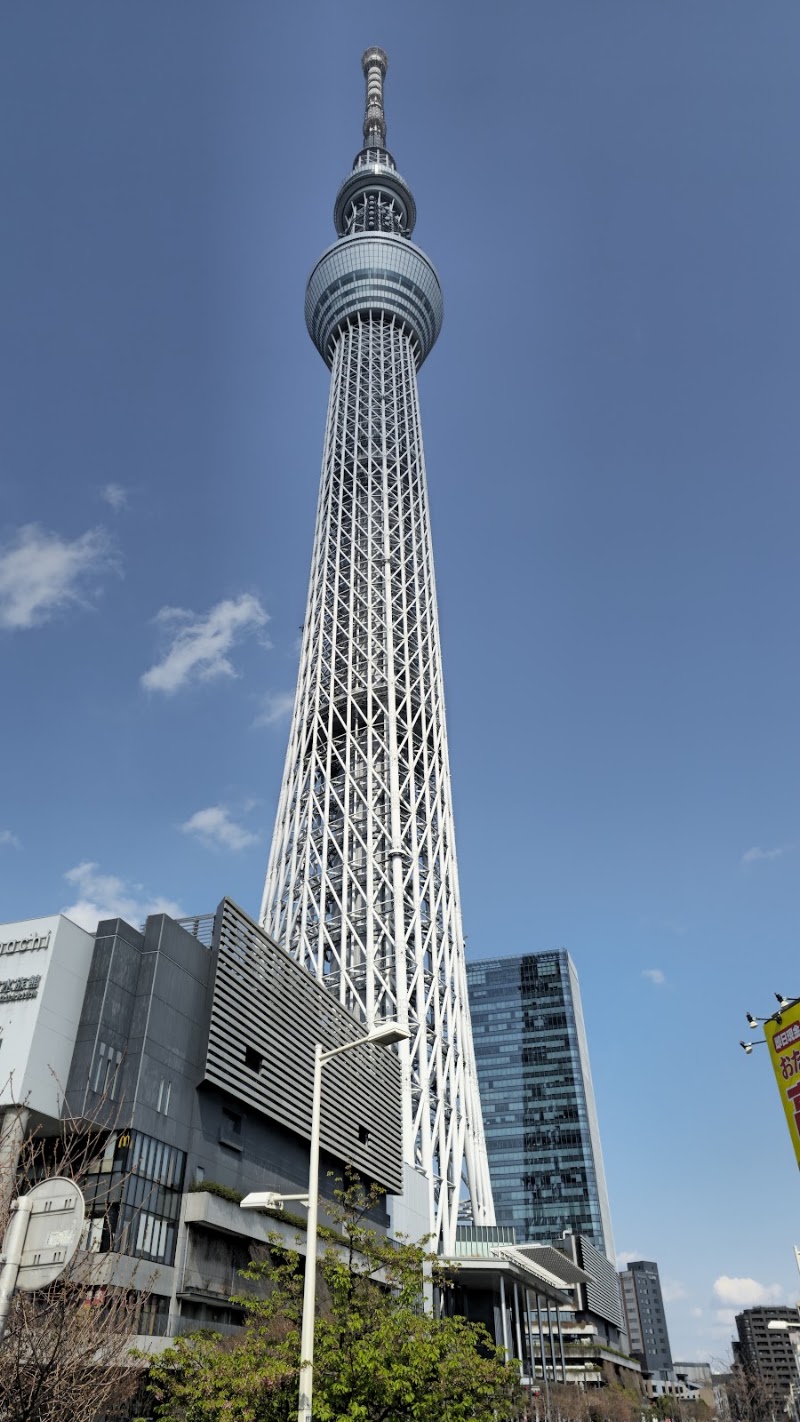
Japan · Sumida City
Tokyo Skytree Delivers Wide-Ranging Views Across Tokyo
Public reviews praise Tokyo Skytree for its panoramic observation decks, smooth organization and strong day-to-night views.