Atashgah Fire Temple: layered faiths on Baku’s outskirts
A compact museum complex where public reviews consistently praise the intertwined Zoroastrian, Hindu and Sikh history.
More photos
Photos published by travelers on Google, not AI generated.
What stands out
- Zoroastrian, Hindu and Sikh connections
- Central fire altar
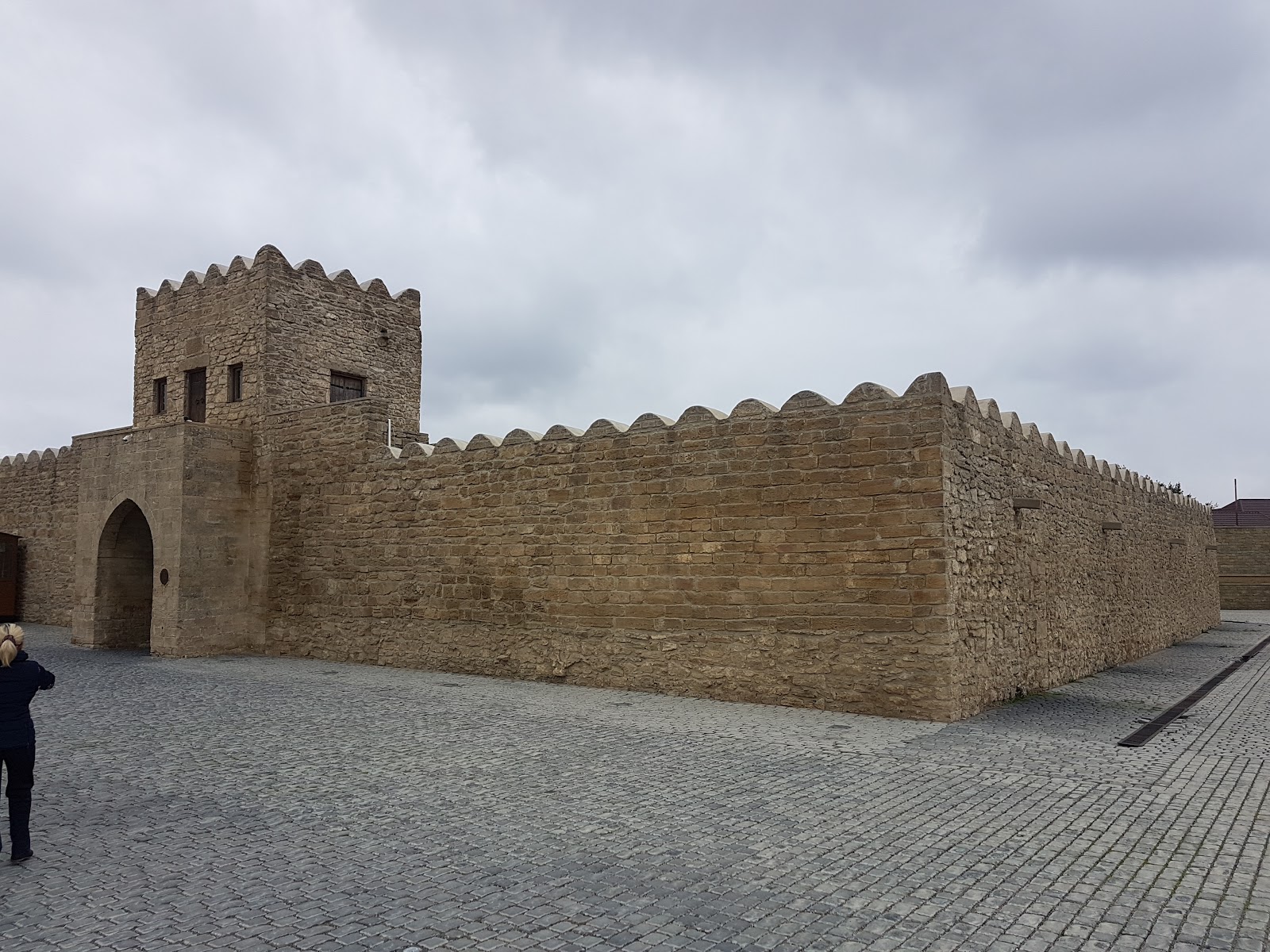
- Fortress-like temple complex
- Informative museum interpretation
Worth knowing
- Some concern about site maintenance
- Compact visit rather than a full-day attraction
Don't miss
What comes up most in public reviews
- Central fire altar
- Cells surrounding the courtyard
- Displays on Hindu and Zoroastrian history
- Ask about the temple’s changing religious uses
Worth the trip?
Why visit
Atashgah Zoroastrian Fire Temple stands out less for scale than for the religious history concentrated within its walls. Public feedback repeatedly highlights the site’s connection with fire worship and the way Zoroastrian, Hindu and Sikh traditions intersect here. For travellers interested in belief systems, pilgrimage routes or Baku’s wider identity as the “Land of Fire,” that overlap is the principal reason to make the journey to Surakhany.
The attraction has a Google rating of 4.4 from 3128 reviews. In the supplied public comments, visitors commonly describe the experience as interesting, meaningful and unexpectedly educational. Several arrived with a particular interest in Zoroastrianism but left talking just as much about Hindu influence and the broader mix of faiths represented by the complex.
What visitors find inside
The focal point is the fire altar within a pentagonal, fortress-like enclosure. A detailed public review also points to the surrounding cells, which help communicate the site’s former role as a place of pilgrimage and worship. Today, the complex is presented as a museum, with interpretation doing much of the work of explaining how fire, natural gas and religious practice became connected here.
One reviewer specifically praised information displayed in three languages, including English. Others valued the amount they learned in a single stop, particularly about how Hindu worshippers came to use the temple and how different religious communities interacted with Baku over the centuries. The physical setting is relatively compact, so the visit is driven by reading, context and discussion rather than by a long walk through extensive ruins.
Guides and interpretation
The strongest individual review credits a guide with providing a deeper account of the temple’s development and the changing mix of religions and cults in the region. Although that is only one reported experience, it suggests that guided interpretation can add substance for visitors who want more than a quick circuit of the displays.
Independent travellers should allow time for the written material rather than treating the central altar as the entire attraction. The most rewarding approach is to compare the different traditions represented, examine the cells around the courtyard and follow the explanation of why natural fire became a focus of worship. Reviewers who engaged with that history tended to describe the visit as insightful rather than merely photogenic.
Practical verdict
Atashgah appears best suited to history-minded travellers and those curious about Zoroastrianism or South Asian religious connections in Azerbaijan. One review reported finding no crowds, but the sample is too limited to establish a reliably quiet period. Another mentioned seeing children in traditional dress during a pre-Nowruz celebration, though visitors should not assume such an event will coincide with every trip.
The main reservation is upkeep. One reviewer wished the site were maintained more carefully, while the otherwise positive feedback focuses overwhelmingly on the learning experience. Because the complex can be explored fairly quickly, it works well as a focused excursion rather than a full-day attraction. Its value lies in stopping to understand the layered history, not simply photographing the flames and leaving.
Plan the rest of the trip
Ask anything
Looking for somewhere else?
Keep exploring around Baku
More from Azerbaijan
Azerbaijan · Baku
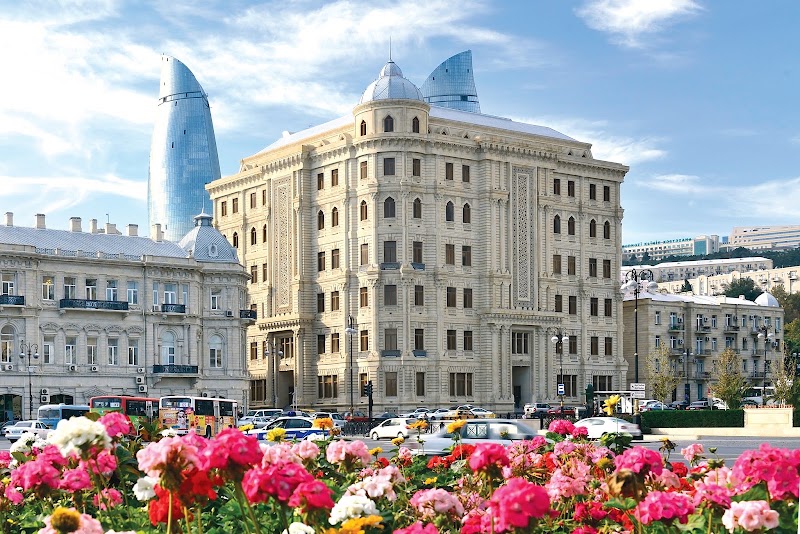
Azneft Square: Baku’s Scenic Waterfront Meeting Point
Azneft Square brings together Caspian Sea views, landscaped public space, photo spots and several nearby Baku attractions.
Azerbaijan · Baku
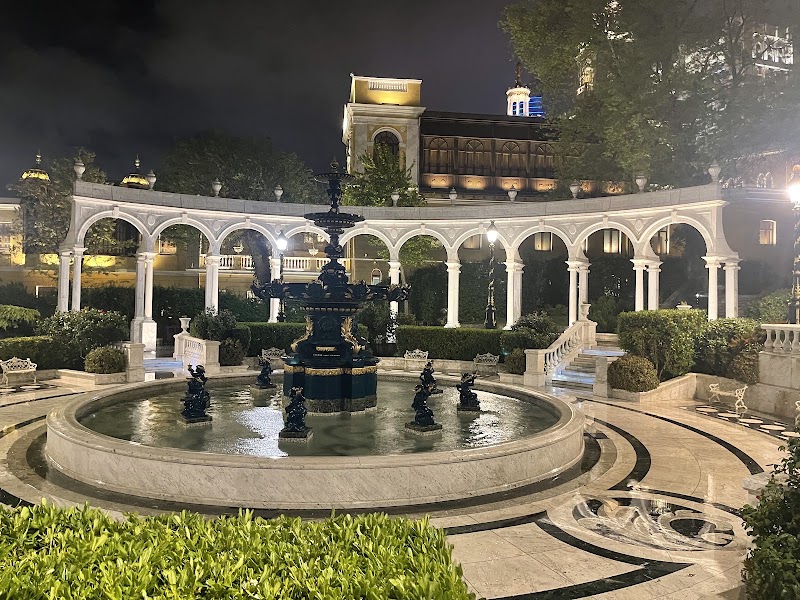
Philarmonia Garden: A Quiet Pause Beside Baku’s Old City
A polished green space near Baku’s Old City, valued in public reviews for its fountains, shaded paths, classical details and calm atmosphere.

Azerbaijan · Baku
Heydar Mosque: A Striking Landmark in Baku
Public reviews praise Heydar Mosque for its white modern architecture, peaceful interior and dramatic appearance after dark.

Azerbaijan · Bakı
I Love Baku Sign: A Quick Viewpoint Stop
This photogenic Baku landmark pairs a simple city sign with open park space and views toward the Flame Towers and the Caspian Sea.