Askari Monument: Dar es Salaam’s Brief History Stop
A small, well-kept landmark in central Dar es Salaam, valued for its history, flowers and easy pairing with the nearby National Museum.
More photos
Photos published by travelers on Google, not AI generated.
What stands out
- 1927 bronze askari statue
- Colourful monument garden
- Central Dar es Salaam location
- Free-to-enter public landmark
- Near the National Museum
Worth knowing
- Busy traffic circle
- Extra care needed when taking photographs
- Some visitors note maintenance needs
Don't miss
What comes up most in public reviews
- See the bronze soldier and lowered bayonet
- Read up on the askaris and World War I
- View the colourful garden
- Pair the stop with the National Museum
Worth the trip?
What the monument is
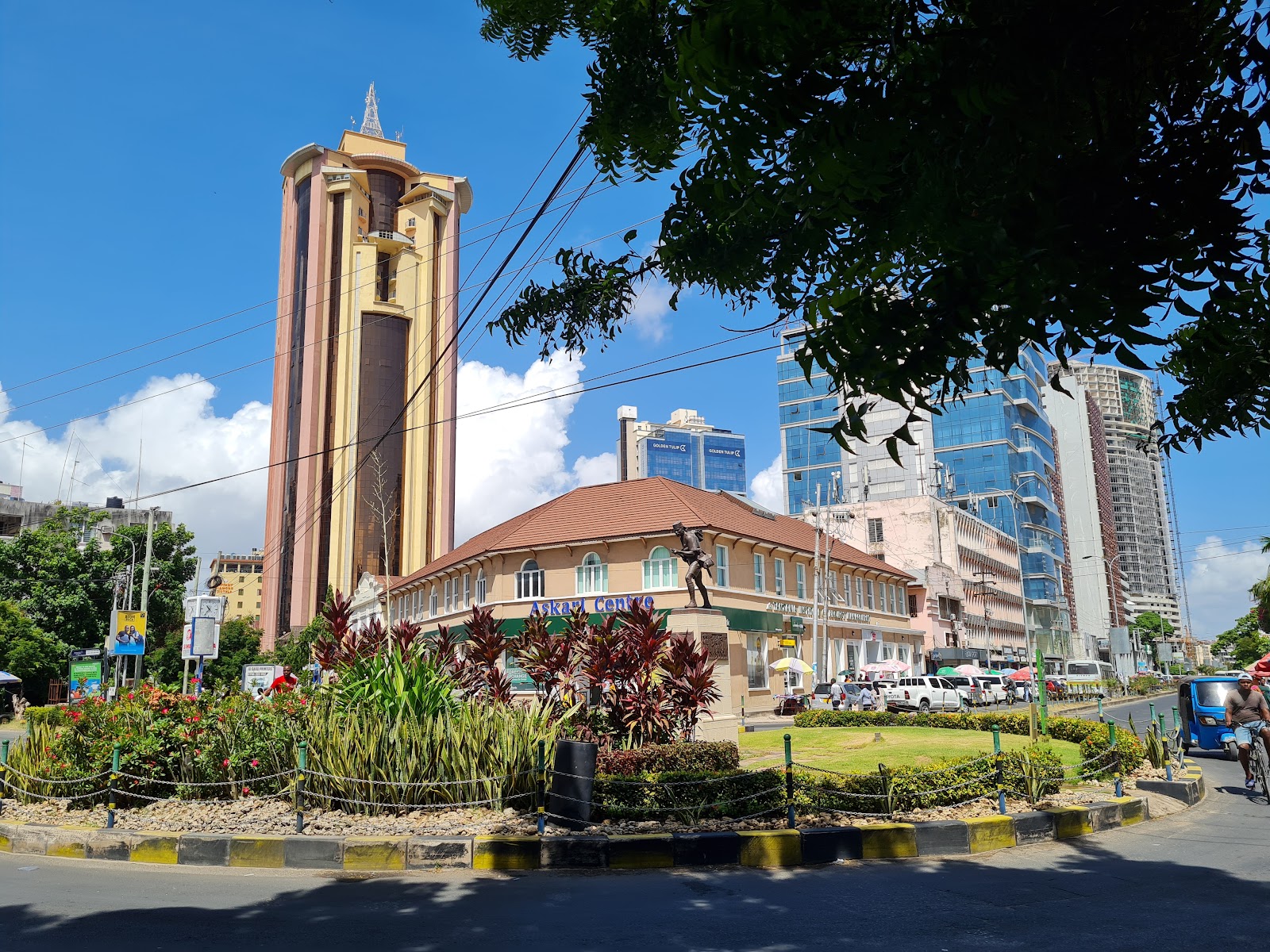
Askari Monument, also known as Mnara wa Askari, is a central Dar es Salaam landmark with a clear historical purpose. Public listing information and traveller reviews identify it as a tribute to African soldiers, known as askaris, who served in the British Carrier Corps during World War I. The bronze figure shows a uniformed soldier standing in a marching pose, with a rifle and its bayonet pointed downwards.
The monument was unveiled in 1927. Reviews also connect its story to the colonial history of Tanganyika, which was under German rule before the territory came under British control after World War I. That context gives the statue more weight than its modest size might suggest.
What visitors notice
This is a small monument rather than a long museum visit. Several public reviews describe it as a convenient stop while travelling through the city centre, with no payment required to enter. Its garden and colourful flowers add some visual appeal, and the site is generally described as nicely cared for. One review calls it an icon of Dar es Salaam.
The Google listing shows a rating of 4.5 from 1,053 reviews. The overall pattern is positive, though not uncritical. One visitor felt that the monument needed some maintenance. The strongest reason to stop is the historical reminder, not the amount of time spent on site.
Safety and setting
Traffic is the main practical issue. The monument stands within a busy traffic circle, and reviews repeatedly point to heavy city-centre traffic during workdays. Visitors should focus on reaching a safe position before taking photographs. The roadside setting is not suited to wandering casually around the monument or lingering in the carriageway.
A short visit works best when combined with another nearby attraction. The National Museum is specifically mentioned by reviewers as a useful companion stop, particularly for visitors who want more background before or after seeing the statue. Researching the monument’s history in advance also comes recommended by the public feedback. That preparation can make the brief visit more meaningful.
Who should go
Askari Monument suits travellers interested in Dar es Salaam’s history, public landmarks and colonial-era context. It also works for visitors already moving through the central district who want a quick, free stop with photographic interest. The site is not presented in reviews as a destination requiring several hours.
The best approach is simple: view the bronze soldier from a safe area, notice the garden, consider the monument’s difficult historical setting and continue to the National Museum if time allows. Visitors should treat the stop as a compact piece of city history, not as a full attraction complex. Its value lies in the story it prompts and its place in Dar es Salaam’s urban landscape.
Plan the rest of the trip
Ask anything
Looking for somewhere else?
Keep exploring around Dar es Salaam
More from Tanzania

Tanzania
Africa Natural Tours L.T.D: Tanzania Safaris Built Around Wildlife
Public reviews describe a highly rated Tanzania tour operator known for knowledgeable local guides, carefully managed itineraries and major safari destinations.

Tanzania · Zanzibar
Turkuaz Beach Zanzibar: Friendly Service, With Caveats
Public reviews praise the spacious rooms, attentive staff and family atmosphere, while one serious complaint flags maintenance and power reliability concerns.

Tanzania · Kizimkazi Dimbani
Bella Vista Resort Zanzibar: Quiet South-Coast Escape
Public reviews point to a peaceful coastal resort with welcoming staff, sea views and inconsistent restaurant and facilities service.

Tanzania · Zanzibar
Baraza Resort and Spa Zanzibar: Villa Luxury by the Sea
Public reviews point to a polished Zanzibar resort with striking villas, highly attentive service, strong dining and a full set of leisure facilities.