Aruba Aloe Factory Museum and Store Review
A compact Oranjestad attraction combining island history, aloe fields, factory views and a well-stocked skincare shop.

More photos
Photos published by travelers on Google, not AI generated.
What stands out
- Aloe industry history and artefacts
- Guided and self-guided tours
- Upstairs views into the factory
- Wide selection of aloe skincare
- Friendly, informative staff
Worth knowing
- Some visitors find the shop products expensive
Don't miss
What comes up most in public reviews
- Upstairs factory viewing windows
- Historical aloe displays and artefacts
- A guided or self-guided tour
- The aloe product store
Worth the trip?
Why it stands out
Aruba Aloe Factory Museum and Store offers more substance than a typical souvenir stop. Public feedback repeatedly highlights its mix of local history, manufacturing insight and retail, with visitors learning how aloe became an important part of Aruba’s economy while also seeing where modern products are made. The attraction holds a Google rating of 4.6 from 3112 reviews, and much of that enthusiasm centres on the approachable staff and informative tour experience.
The setting also makes an impression. Reviewers mention the surrounding aloe fields as an attractive introduction to the site, while the museum’s displays explain the crop’s wider role on the island. For travellers interested in understanding Aruba beyond its beaches, the visit adds useful historical and industrial context without feeling overly academic.
Museum and factory experience
The museum is arranged across two floors, according to public reviews. Downstairs, visitors encounter facts, historical artefacts and the retail area. Upstairs, windows provide a view into the factory, including production equipment and, when reviewers visited, products being prepared. This behind-the-scenes perspective is one of the most consistently praised parts of the experience.
Both guided and self-guided visits are mentioned. Those joining a guide often describe staff as friendly, knowledgeable and willing to explain the aloe-making process. Independent visitors also report finding the museum easy to explore at their own pace. That flexibility makes the attraction suitable for travellers who want a structured introduction as well as those fitting it into a broader day of sightseeing around Oranjestad.
Shopping for aloe products
The store occupies a prominent place in the experience rather than feeling like a small exit shop. Reviews describe a broad selection of aloe-based body and skincare products, including lotions, creams, face washes, body mists and soaps. Product displays are generally praised, and some visitors particularly enjoy being able to examine or test items before deciding what to buy.
Quality receives positive comments, with several reviewers leaving enthusiastic about their purchases. However, at least some public feedback describes the goods as expensive. The museum portion can still appeal to travellers who are not planning to shop, while buyers may want to browse carefully before choosing among the larger product range.
Overall verdict
Synthesizing the public reviews, this is a polished, accessible attraction with a clear sense of place. Its main strengths are the explanation of Aruba’s aloe industry, the visible factory machinery and production areas, and staff members who make the subject engaging. The guided and self-guided options also give visitors control over the pace of the experience.
It works particularly well as a short cultural stop for curious travellers, skincare shoppers and families looking for an educational activity. Those expecting a large conventional museum may find the scope compact, but the combination of fields, artefacts, factory views and retail gives the visit enough variety to justify a dedicated stop.
Plan the rest of the trip
Ask anything
Looking for somewhere else?
Keep exploring around Oranjestad
More from Aruba

Aruba · Oranjestad
Druif Beach: A Quieter Stretch of Aruba Coast
Public reviews describe Druif Beach as a peaceful, easygoing place for swimming, walking and sunset views, with fewer crowds than Aruba’s busier shores.
Aruba · Noord
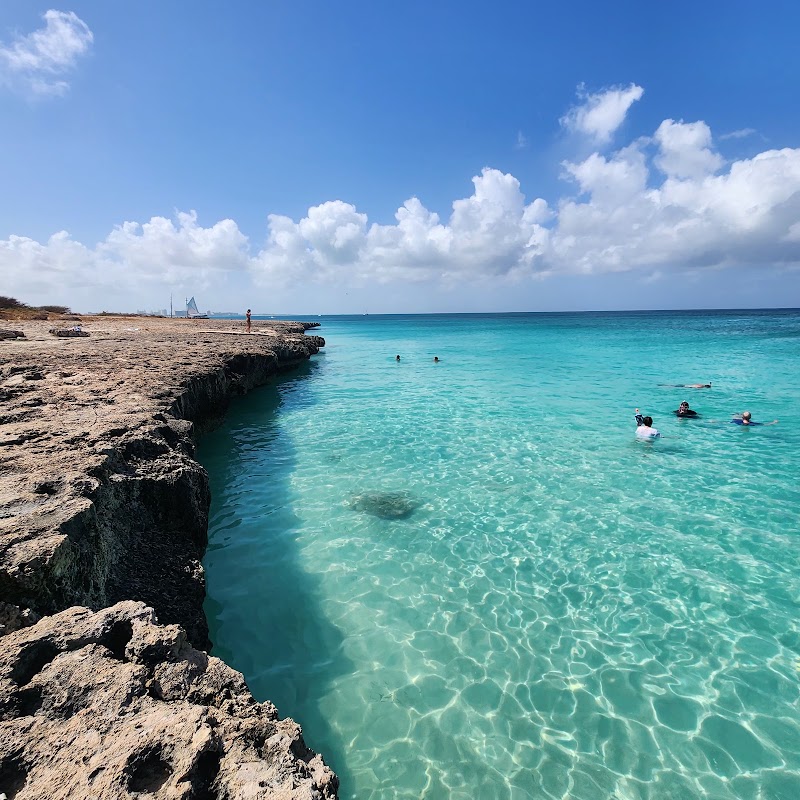
Tres Trapi Beach: Clear Water and Close-Up Sea Life
Tres Trapi is a rocky shore entry near Noord where calm, exceptionally clear water draws snorkelers, turtle watchers and sunset visitors.
Aruba · Noord · $$
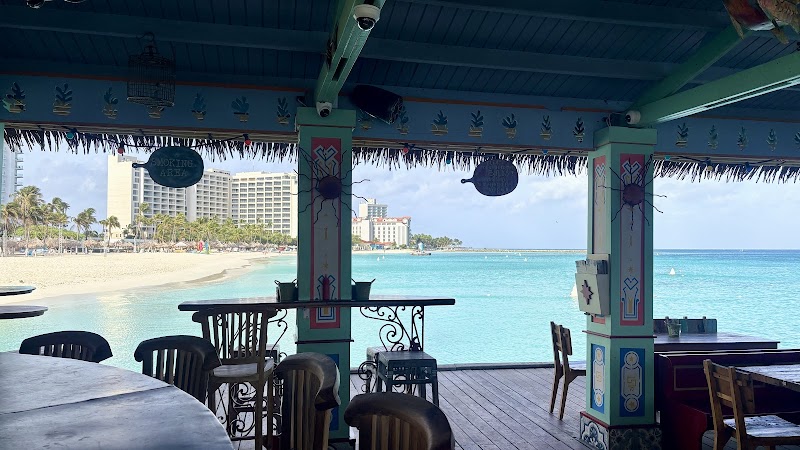
Bugaloe Brings Waterfront Dining and Live Music to Noord
Public reviews point to a casual waterside bar and grill with fresh seafood, friendly service, live music and sunset views near Palm Beach.

Aruba · Oranjestad
Aruba Cruise Terminal: A Practical Start in Oranjestad
A well-reviewed cruise gateway with walkable downtown access, shops, streetcar connections and a few heat-related drawbacks.