Ark of Bukhara: Citadel Museums and City Views
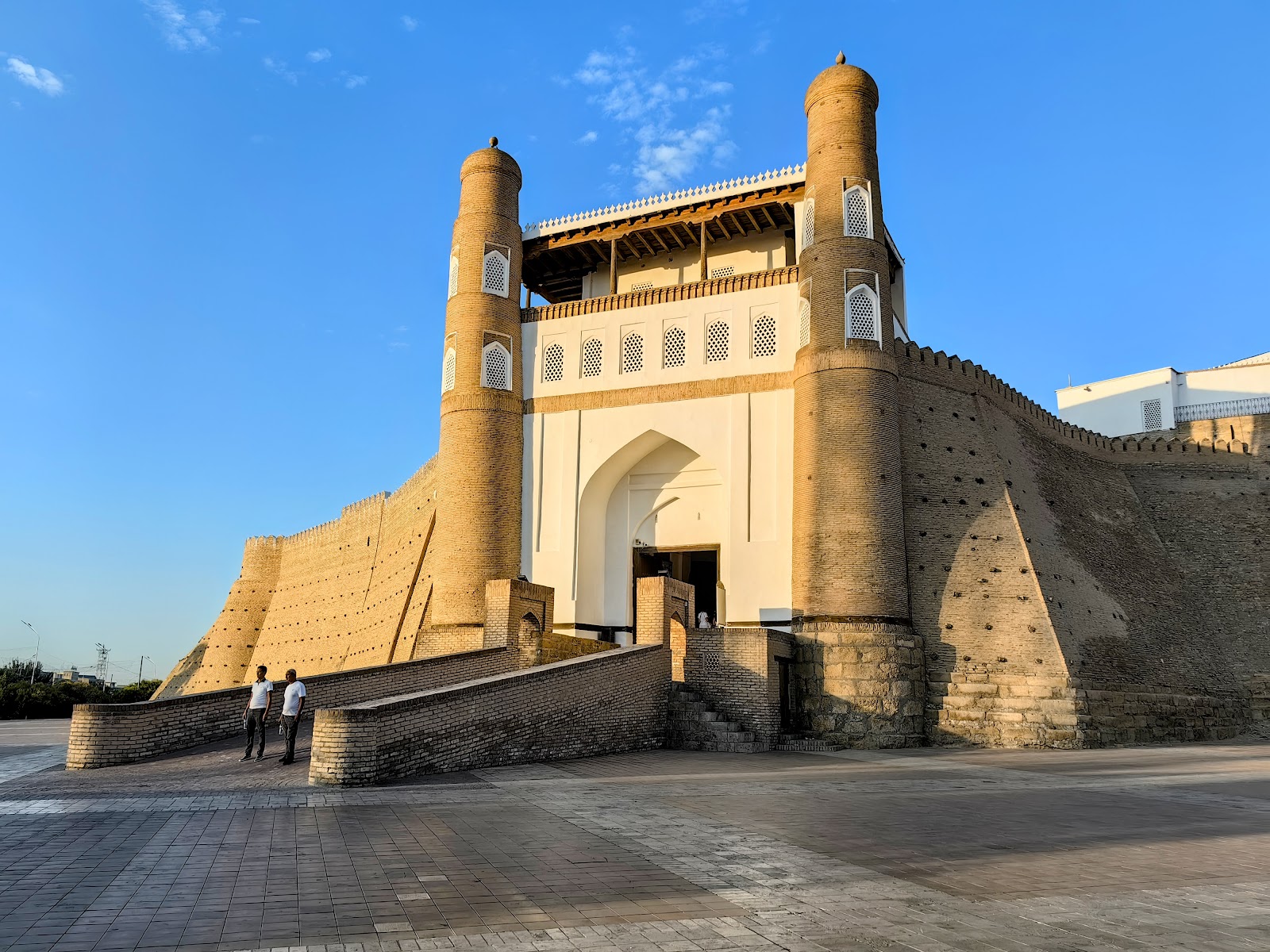
Bukhara’s monumental hilltop citadel combines surviving palace spaces, compact museums, courtyards and broad views across the city.
More photos


Photos published by travelers on Google, not AI generated.
What stands out
- Hilltop views across Bukhara
- Preserved palace courtyards
- Mosque architecture and decoration
- Multiple historical exhibitions
- Former seat of the emirs
Worth knowing
- Some exhibitions can feel disconnected
- The volume of displays may be tiring
- Much of the former complex is lost
Don't miss
What comes up most in public reviews
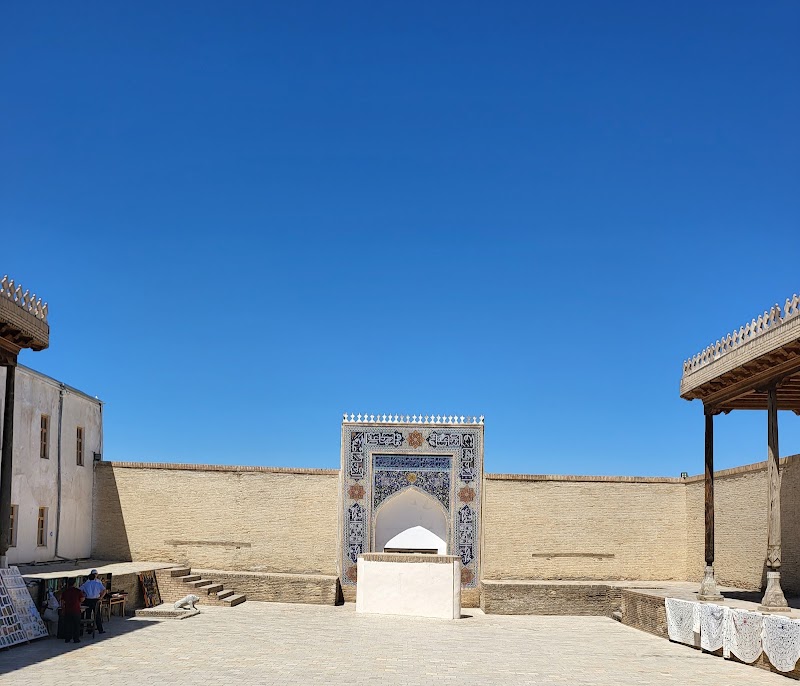
- See the throne courtyard
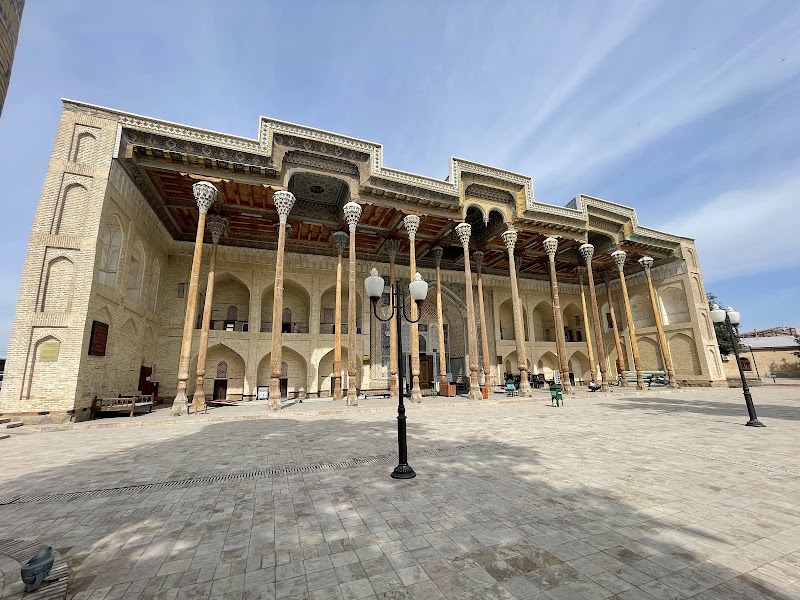
- Visit the mosque
- Explore the small history museum
- Take in the city views
- Ask a guide for historical context
Worth the trip?
Why the Ark matters
The Ark of Bukhara is widely treated by reviewers as one of the city’s essential historical landmarks. Rising above its surroundings, the former seat of the emirs served as both a fortified stronghold and a centre of political power. Its scale remains impressive even though much of the original complex survives only in fragments or reconstructed form.
This assessment is synthesized from public ratings and traveller reviews, including a Google rating of 4.6 from 4858 reviews. The recurring appeal lies less in any single room than in the combination of monumental walls, palace remnants, religious architecture, museum displays and elevated views. Visitors frequently describe it as a place that adds context to Bukhara’s wider story.
What visitors see
Inside, the route passes through a series of small courtyards, preserved structures and exhibition spaces. The throne courtyard is repeatedly singled out, with one reviewer noting its refurbishment. The mosque also receives strong praise for its architecture and artistic detail, while the small history museum helps explain parts of the citadel’s past.
Several museums and exhibitions are spread through the complex. These displays cover aspects of local and Uzbek history, though public feedback is mixed on their presentation. Some travellers find the amount of material rewarding and can spend two to three hours exploring at an unhurried pace. Others feel that a few exhibits seem disconnected from the palace setting or placed mainly to fill otherwise empty rooms.
The Ark’s position is another major strength. Reviewers consistently mention the outlook from the upper areas, where the surrounding city and Bukhara’s low-rise historic fabric come into view. That perspective helps explain the fortress’s defensive presence and former authority over the city.
How to get more from a visit
A guide can make the experience more coherent. The surviving buildings and scattered displays do not always provide a clear narrative on their own, and reviewers report that historical stories and context make the citadel considerably more meaningful. Travellers particularly interested in the emirs, palace life or the Ark’s changing uses should consider arranging an informed explanation.
A half-day visit allows enough time for the courtyards, mosque, museum displays and viewpoints without rushing. Those mainly interested in architecture and panoramas may need less, while museum-focused visitors can comfortably spend two to three hours.
Editorial verdict
The Ark is strongest as a large-scale historical setting rather than a perfectly preserved palace. Its walls, courtyards and surviving ceremonial spaces convey the former power of Bukhara’s rulers, while the elevated views add an immediate visual reward.
The uneven exhibitions prevent the interior from feeling consistently polished, and the amount of material can become tiring. Even so, the mosque, throne courtyard, small history museum and city overlook give the complex enough variety to justify its must-see reputation. It is best approached with time, realistic expectations about the surviving remains and, where possible, a guide who can connect the individual spaces.
Ask anything
Looking for somewhere else?
Keep exploring around Bukhara
More from Uzbekistan
Uzbekistan · Shahrisabz
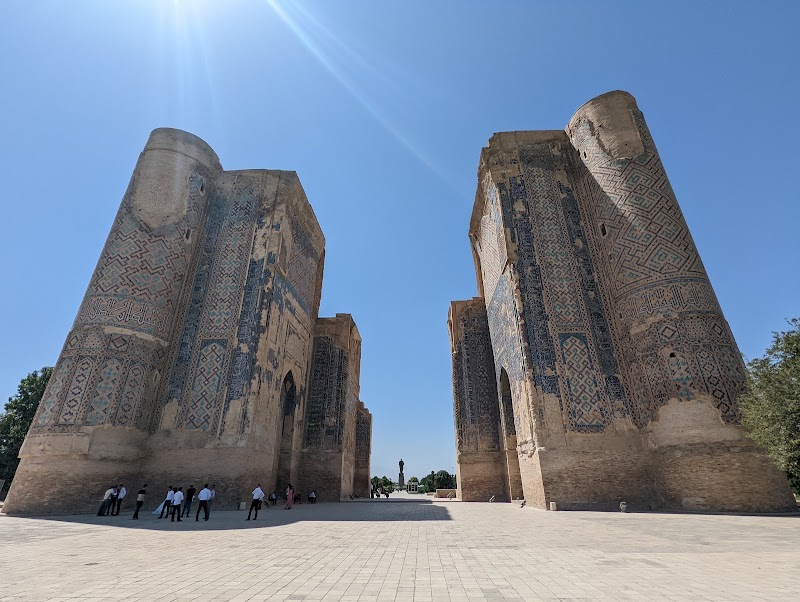
Ak-Saray Palace: Monumental Ruins in Shahrisabz
Timur’s ruined palace impresses with its towering portal and massive walls, though the journey from Samarkand divides opinion.
Uzbekistan · Samarqand
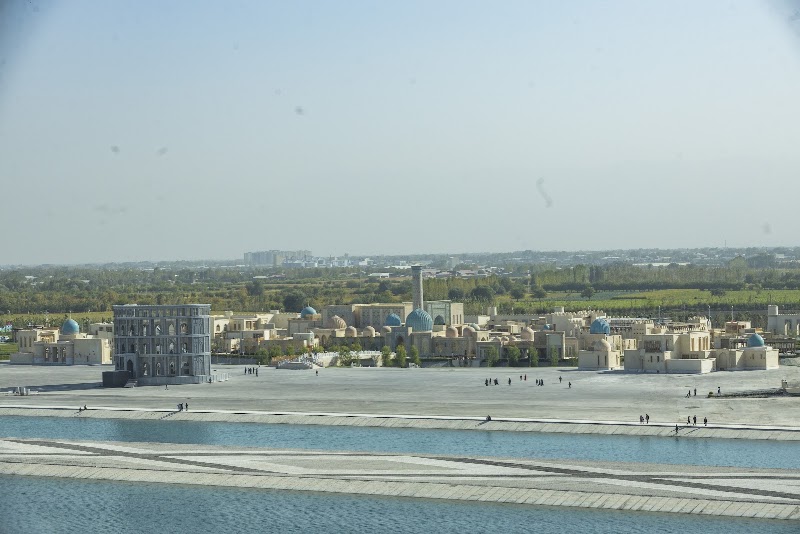
The Eternal City: a polished take on Silk Road Samarkand
The Eternal City is a polished Silk Road-themed ethnopark for photos, food and evening strolls, though reviews question its authenticity and convenience.
Uzbekistan · Khiva
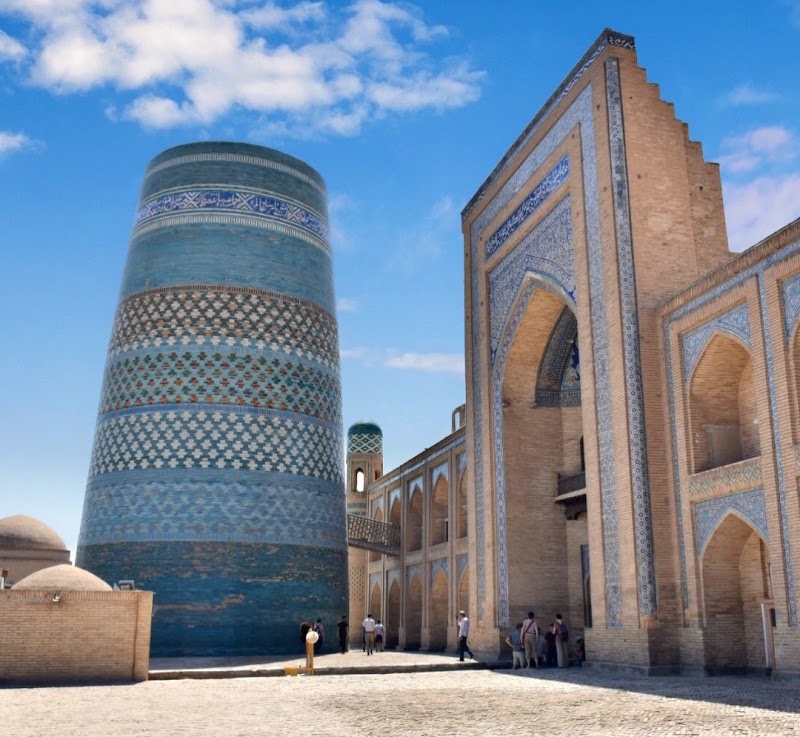
Kalta Minor Minaret: Khiva’s Unfinished Turquoise Icon
This broad, brilliantly tiled minaret near Ichan-Qala’s western gate is one of Khiva’s most recognisable landmarks and photo stops.
Uzbekistan · Buxoro
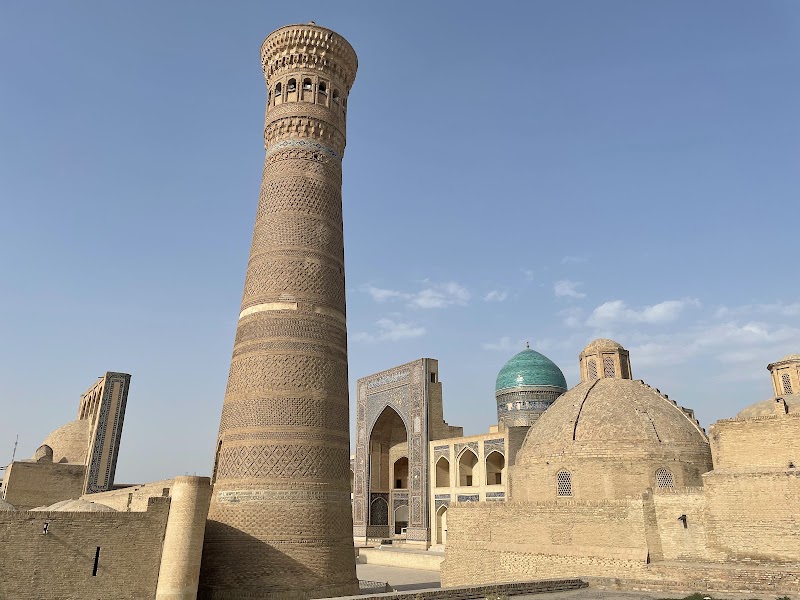
Kalan Minaret, Bukhara’s Defining Brick Landmark
Public reviews praise Kalan Minaret for its patterned brickwork, commanding presence and striking illumination after dark.