AREWA House: Northern Nigerian history in Kaduna
A museum and research centre where cultural galleries, archives and the former home of Sir Ahmadu Bello bring Northern Nigeria’s history into focus.

More photos

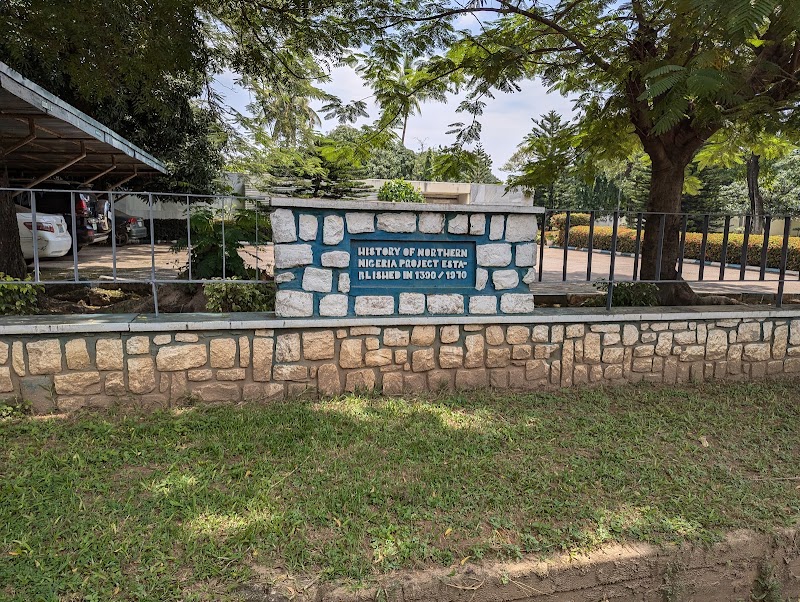
Photos published by travelers on Google, not AI generated.
What stands out
- Northern Nigerian cultural artefacts
- Historical photographs and books
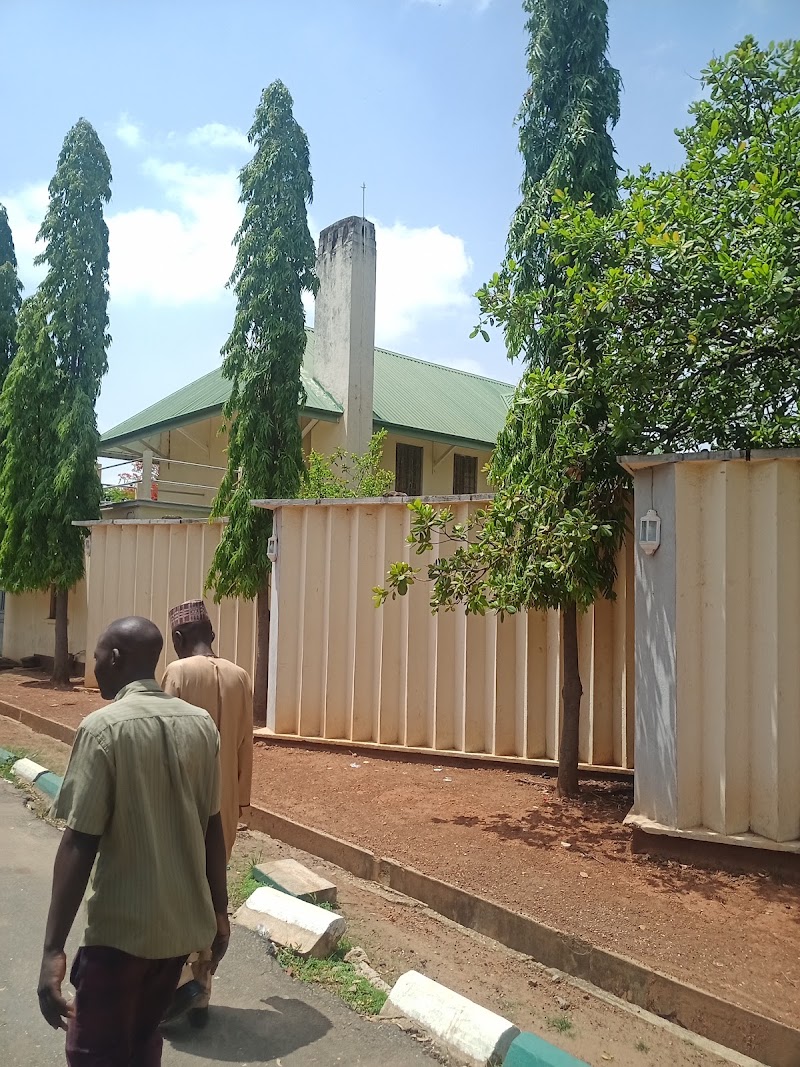
- Former home of Sir Ahmadu Bello
- Galleries representing Northern states
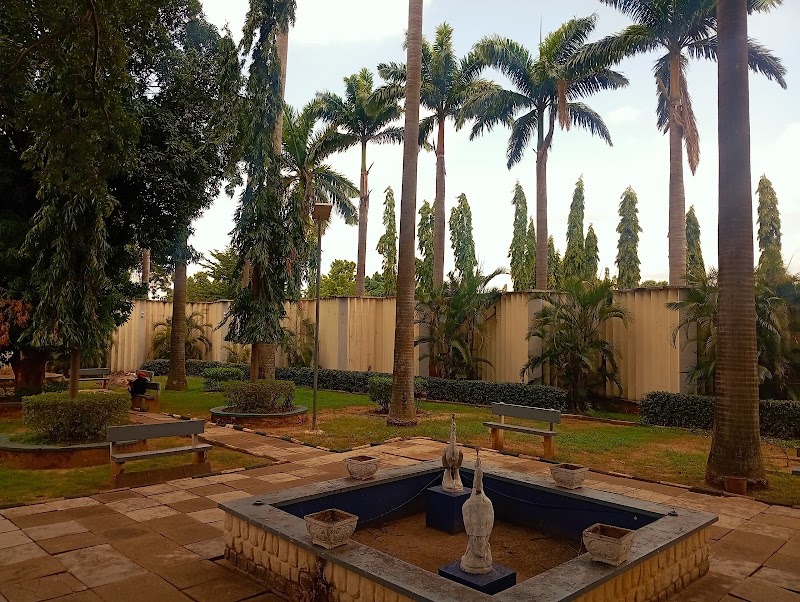
- Neat grounds with notable trees
Worth knowing
- Photography may be restricted in some areas
- Confirm museum and gallery access before visiting
Don't miss
What comes up most in public reviews
- Tour Sir Ahmadu Bello’s former home
- See Sir Ahmadu Bello’s personal items
- Explore the Northern states galleries
- Browse the photographs and books
Worth the trip?
The overview
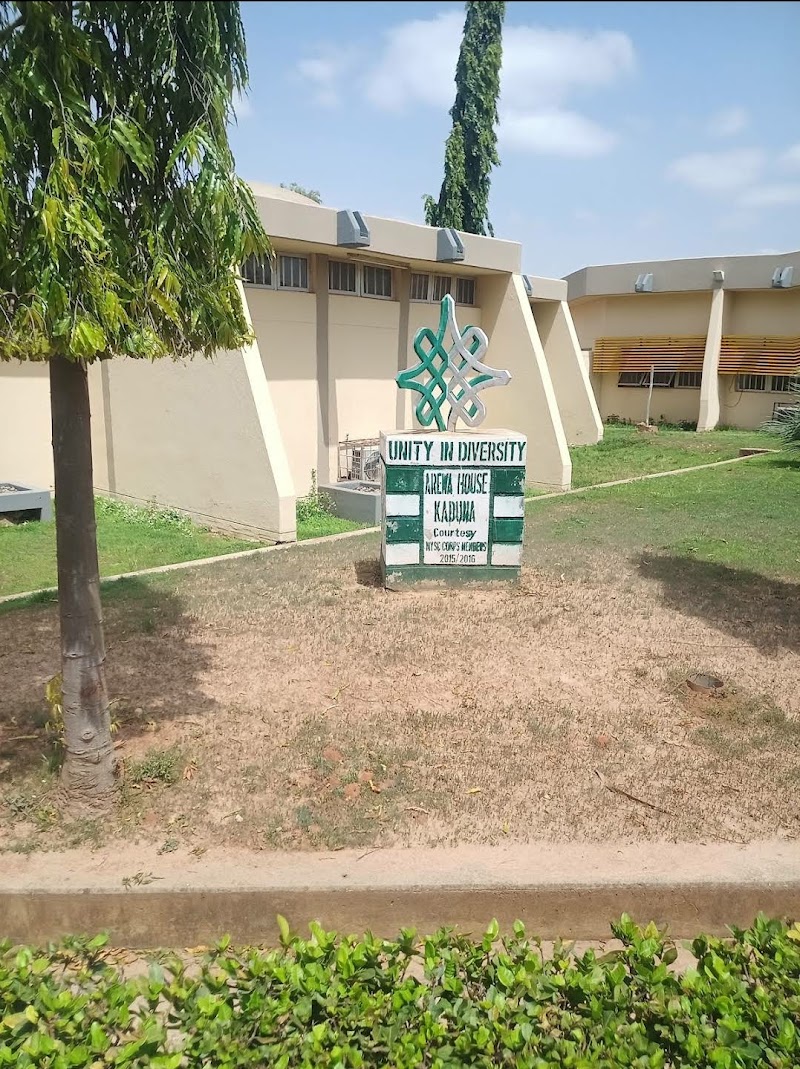
AREWA House is more than a conventional museum. Public reviews describe a Kaduna research and historical documentation centre with collections devoted to Northern Nigeria’s cultures, political history and civic life. It has a Google rating of 4.1 from 703 reviews, with visitors frequently praising the breadth of its material and the calm, well-kept setting.
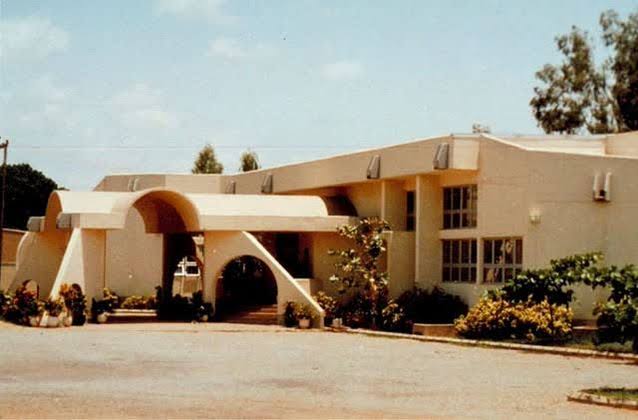
The institution operates under Ahmadu Bello University, Zaria, according to reviewers. Alongside its museum spaces, it functions as a library, archive, research centre and events venue. That mixed identity shapes the experience: it feels less like a polished tourist attraction and more like an active educational complex where exhibitions, books, conferences and historical records share the same grounds.
What visitors come to see
The strongest thread in public feedback is the collection of cultural artefacts, photographs and books. One detailed review also identifies 19 satellite galleries presenting the cultures and civilisations of individual Northern states. These displays appear to offer a broad introduction to the region rather than concentrating on a single community or period.
The former residential home of Sir Ahmadu Bello, the Sardauna of Sokoto, receives particularly warm attention. Reviewers mention seeing his personal belongings, family photographs and images of events connected with the house. For visitors interested in Nigerian political history, this is likely to be the most memorable part of the complex. The grounds also contain notable trees and plants, adding another layer to a visit that is otherwise centred on documents, objects and interiors.
Photography restrictions may apply around personal items or particular displays. Anyone hoping to document the visit should ask staff before taking pictures rather than assuming that photography is permitted throughout.
Beyond the museum
Reviews repeatedly describe AREWA House as a working venue. Its facilities include auditoriums, conference and banquet halls, and it hosts public and professional events. One visitor attending an International Women’s Day programme praised the atmosphere, while others noted the ample parking, clean restrooms and generally secure, tidy environment.
There are also references to a restaurant, rooms and postgraduate hostel accommodation within the property. These are secondary to the attraction itself, and public comments provide too little consistent detail to assess them as visitor facilities. Travellers should confirm access and availability directly if any of these services are important to their plans.
Editorial verdict
Based on the available ratings and reviews, AREWA House is best suited to travellers who value context, archives and regional history over interactive displays or entertainment-led attractions. Its appeal rests on the combination of Northern Nigerian cultural collections and the preserved domestic setting associated with Sir Ahmadu Bello.
The museum, library and research functions may not always operate like a single streamlined visitor experience, so checking opening arrangements and gallery access in advance would be sensible. Even so, the recurring praise for its artefacts, photographs, books, historical rooms and orderly grounds makes it a worthwhile cultural stop in Kaduna. A few hours should allow time to explore the principal displays without rushing.
Ask anything
Looking for somewhere else?
Keep exploring around Kaduna
More from Nigeria
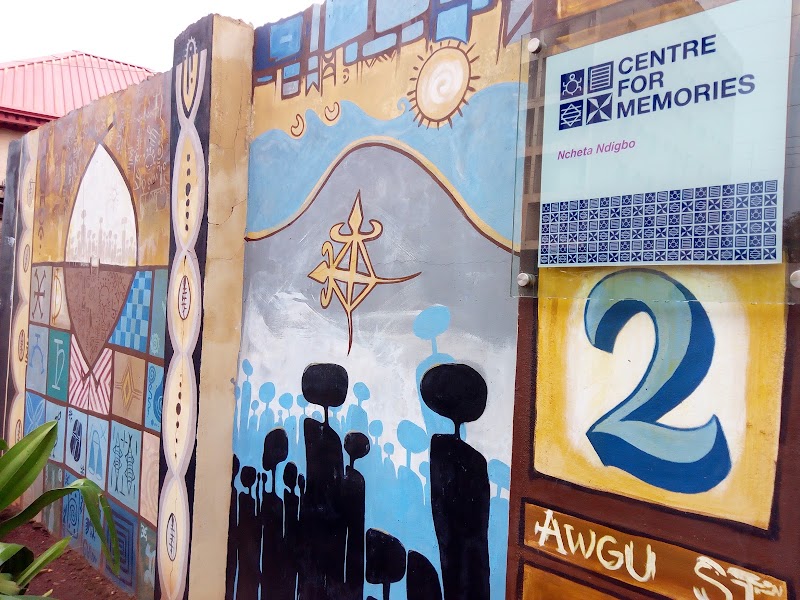
Nigeria · Enugu
Centre For Memories: Igbo History and Culture in Enugu
Public reviews praise this Enugu museum for its thoughtful presentation of Igbo history, traditions, art and survival stories.
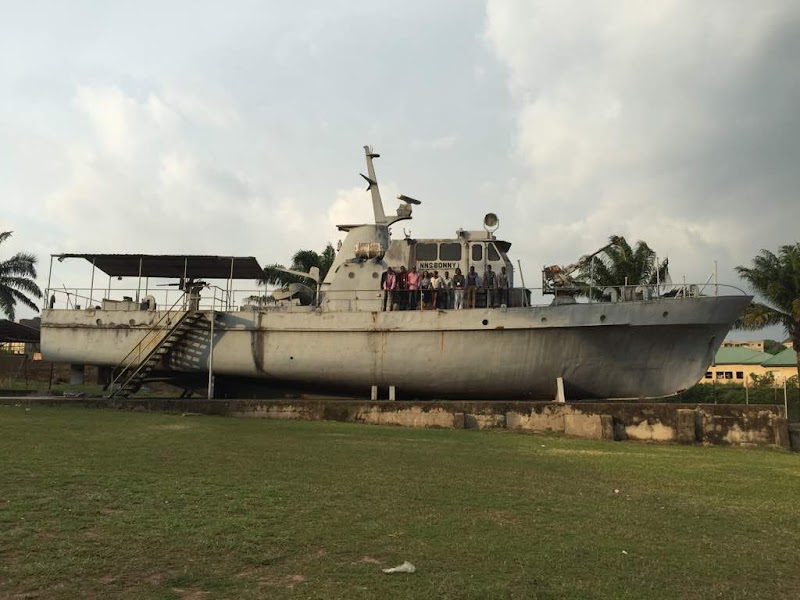
Nigeria · Umuahia
National War Museum, Umuahia: History and Wartime Relics
Public reviews praise the Nigerian Civil War collection and informed interpretation, while repeatedly raising concerns about upkeep and photography rules.
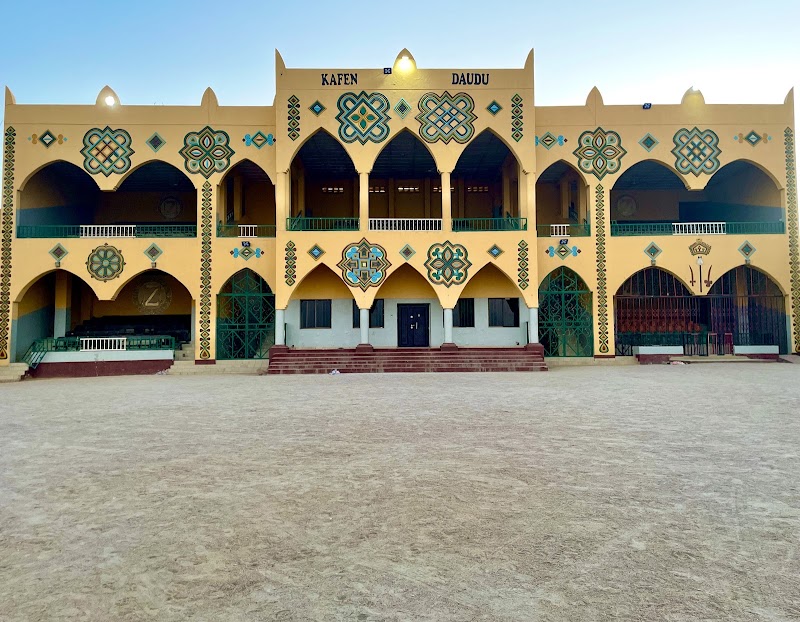
Nigeria · Zaria City
Zazzau Emir's Palace: Living History in Zaria City
Traditional architecture, royal history and welcoming palace staff make this Zaria landmark a compelling stop for culture-focused travellers.
Nigeria · Kano
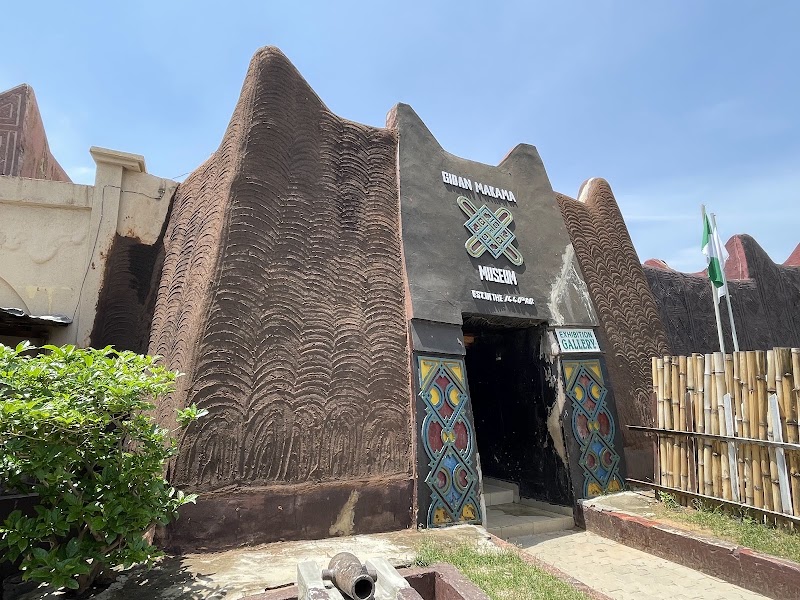
Gidan Makama Museum: Kano’s history through art and objects
Public reviews praise this Kano museum for its broad historical collections, detailed interpretation and guides, though power cuts can affect comfort.