Areni-1 Cave: Armenia’s Compact Archaeological Time Capsule
A small, accessible cave where archaeological finds illuminate Armenia’s ancient winemaking and cultural history.
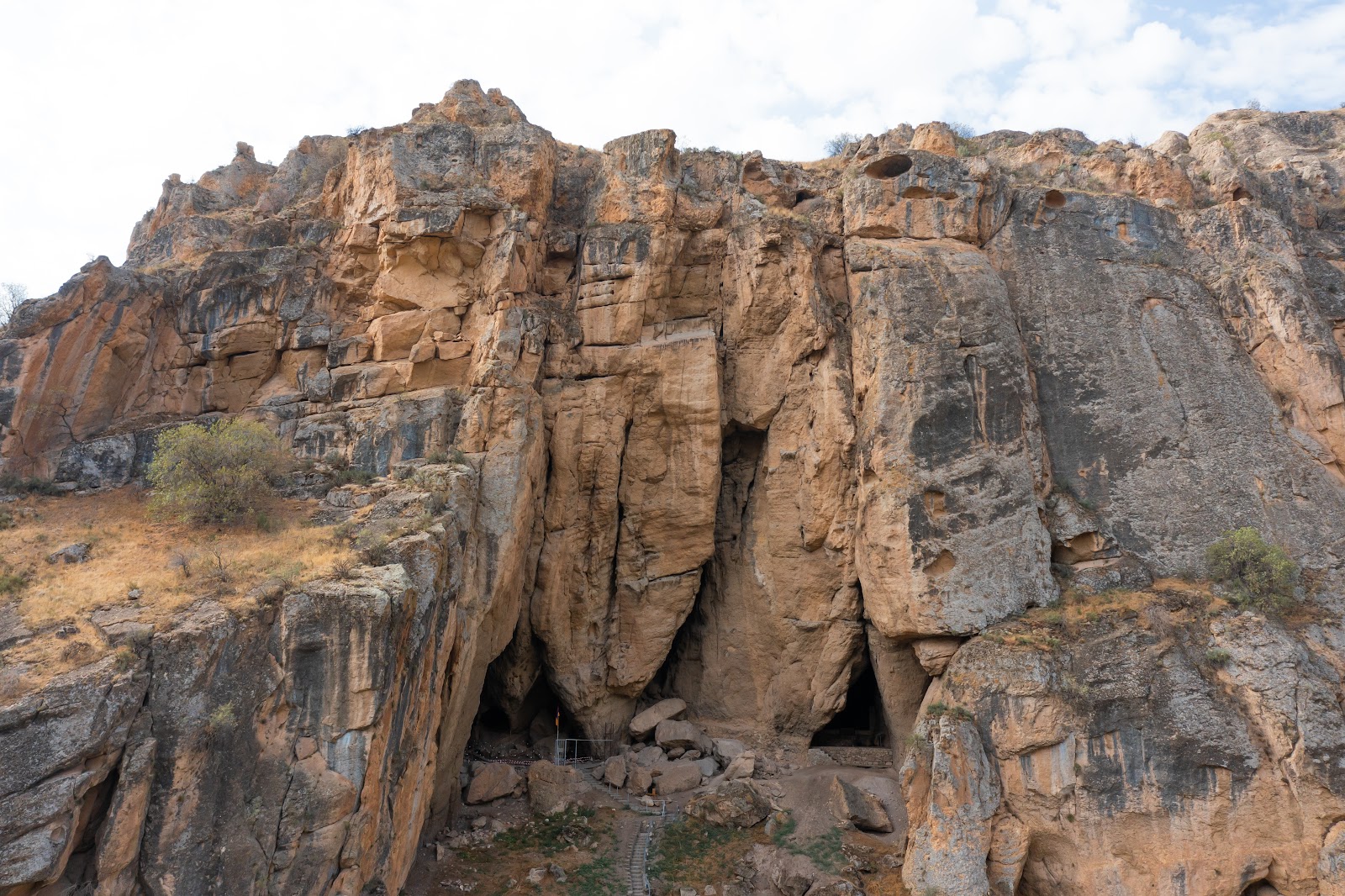
More photos
Photos published by travelers on Google, not AI generated.
What stands out
- Evidence of ancient winemaking
- Compact, structured public pathway
- Lighting and safety fences
- 5,500-year-old leather shoe discovery
Worth knowing
- The cave is relatively small
- Guided-tour quality may vary
- Some visitors may feel rushed
Don't miss
What comes up most in public reviews
- Ask about the early winemaking evidence
- Request guided interpretation of the archaeological finds
Worth the trip?
Why Areni-1 Cave stands out
Areni-1 Cave is less about dramatic caverns and more about the history uncovered within them. Public feedback repeatedly focuses on archaeological evidence associated with early winemaking, described by reviewers as dating back roughly 6,000 to 6,200 years. Visitors also highlight the discovery of a leather shoe said to be around 5,500 years old.
That historical context helps explain the attraction’s strong reception. Areni-1 Cave has a Google rating of 4.5 from 1000 reviews, and the available comments suggest that many travellers leave surprised by how much cultural significance is concentrated in a relatively small space. It is frequently treated as an important stop for understanding Armenia’s past rather than simply another cave visit.
What the visit is like
Reviewers consistently describe the cave as compact. Anyone expecting a long underground system may find the physical scale modest, but that can also make the attraction manageable for travellers fitting it into a broader day around Areni.
One review specifically praises the structured pathway, lighting and safety fences. These features appear to make the public route straightforward to follow while preserving a sense of entering an active archaeological setting. The compact layout means that the quality of the visit depends heavily on understanding what was found there and why it matters.
The archaeological story is the main event. Early winemaking evidence receives the most enthusiastic attention, with reviewers describing it as surprising and memorable. The ancient leather shoe discovery adds another tangible link to daily life in the distant past, although visitors should ask for clarification about the find rather than assume every important object is displayed inside the cave.
A guide can make a difference
Public reviews indicate that guided interpretation can substantially improve the experience. One visitor strongly recommends taking a guide to gain a fuller understanding of the site, particularly its winemaking history. Another mentions combining the tour with a wine-tasting experience and considered it worthwhile.
The feedback on guiding is not uniformly positive, however. One reviewer reports an unwelcoming guide, rushed pacing and explanations that felt underdeveloped. According to that account, guided tours had only recently been introduced at the time of the visit. The contrast suggests that guide quality may vary, so visitors may want to ask what the tour covers before starting and confirm whether there will be enough time for questions.
Is it worth adding to an Areni itinerary?
For travellers already exploring Areni or Armenia’s wine heritage, the cave is an easy recommendation. Its appeal rests on the age and significance of the discoveries, not on size or visual spectacle. Archaeology enthusiasts, culturally curious visitors and wine-history followers are most likely to find it rewarding.
Areni-1 Cave works best as a focused stop rather than a full-day attraction. Allowing time for a guided explanation can turn a brief walk through a small cave into a much richer encounter with Armenia’s ancient cultural record. The inconsistent comments about guiding are worth noting, but they do not outweigh the recurring enthusiasm for the site itself.
Plan the rest of the trip
Ask anything
Looking for somewhere else?
Keep exploring around Areni
More from Armenia
Armenia
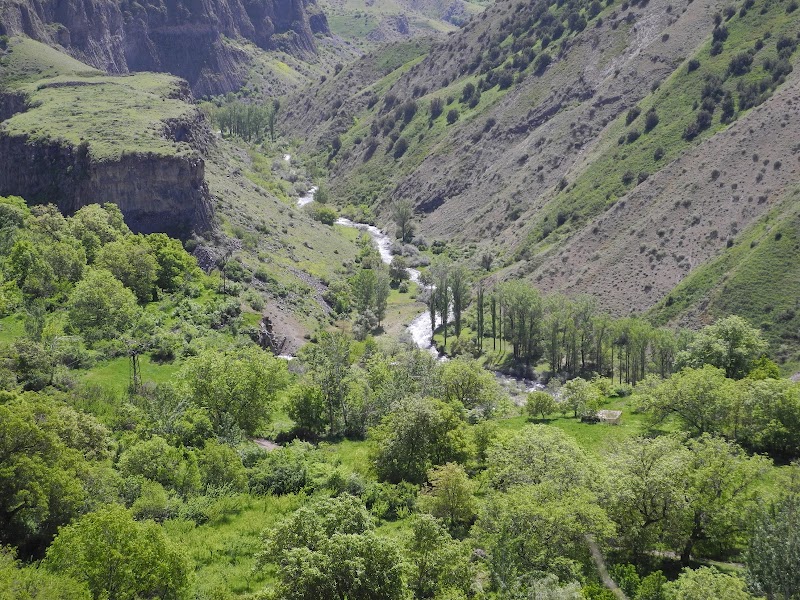
Khosrov Forest State Reserve: hikes, history and wild weather
Khosrov Forest State Reserve pairs short and long hikes with riverside greenery, wildlife interest and a deeply rooted historical narrative.
Armenia · Vagharshapat
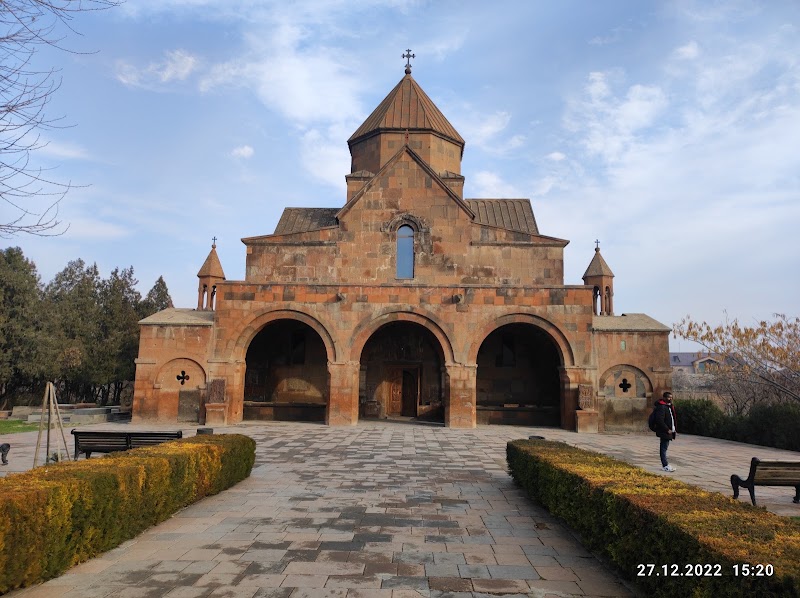
Saint Gayane Church: A Quieter Vagharshapat Stop
Strong reviews, striking church architecture and a calm garden make Saint Gayane Church a worthwhile companion to Vagharshapat’s cathedral complex.
Armenia · Tsaghkadzor
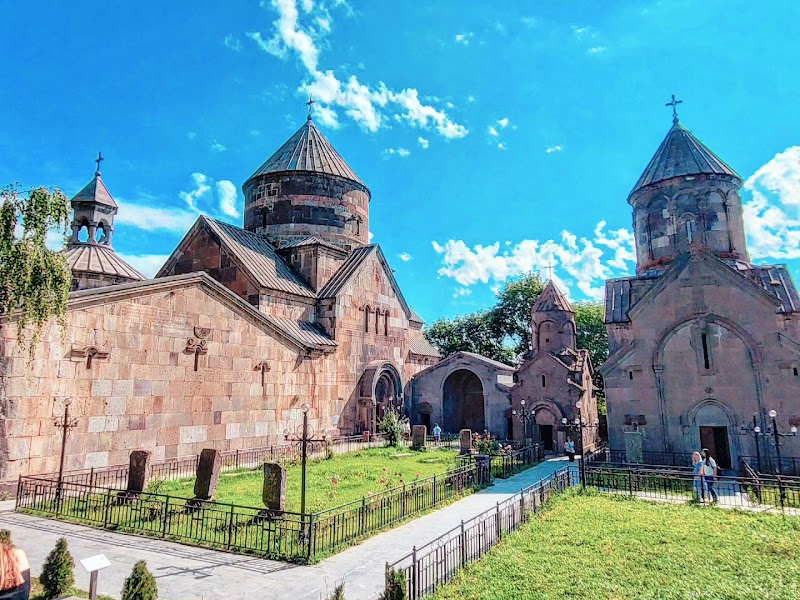
Kecharis Monastery: Stone Architecture and Quiet Atmosphere
Tsaghkadzor’s much-admired monastery complex pairs striking stone churches with a contemplative atmosphere, although renovation work may affect a visit.
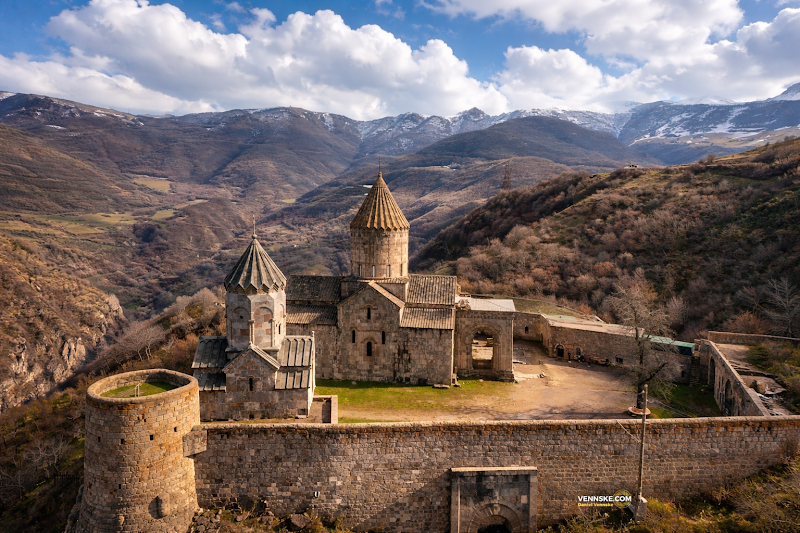
Armenia · Tatev
Tatev Monastery: Armenia’s Cliffside Monastic Complex
A dramatic monastery of churches, khachkars and weathered passages, reached by road or the memorable Wings of Tatev ropeway.