Arctic Museum Nanoq: Polar history in Jakobstad
Volunteer-built structures, Arctic artefacts and exploration stories make this Jakobstad museum rewarding for a leisurely half-day visit.
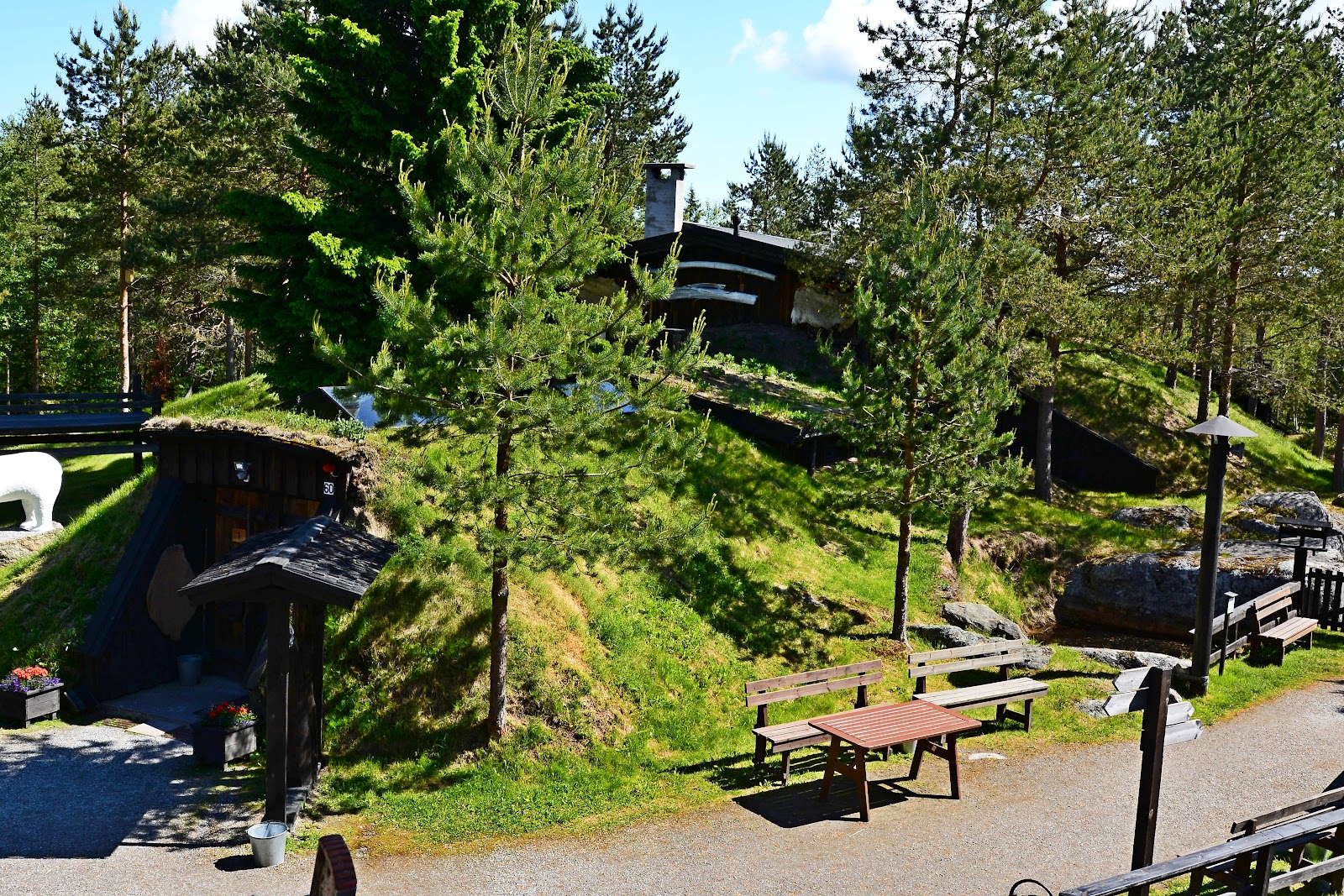
More photos
Photos published by travelers on Google, not AI generated.
What stands out
- Furnished replica buildings
- Arctic tools, arts and crafts
- Polar discovery and adventure stories
- Greenland and Arctic peoples exhibits
- Knowledgeable volunteer-led interpretation
Worth knowing
- Limited café selection
- Some displays feel densely packed
- Use the designated visitor parking area
Don't miss
What comes up most in public reviews
- Tour the furnished historical buildings
- Explore the Arctic pioneer stories
- Ask about the founder’s Greenland journeys
- Examine the traditional tools and crafts
Worth the trip?
What visitors find
Arctic Museum Nanoq earns a strong Google rating of 4.7 from 377 reviews, with public feedback repeatedly praising its unusual breadth and the enthusiasm behind the collection. Rather than presenting Arctic history through display cases alone, the museum combines objects, furnished interiors and separate structures to explore northern communities, polar pioneers and expeditions.
Visitors describe spending two hours or more examining tools, arts and crafts, household objects and historical buildings. Several reviews suggest that the museum works best at an unhurried pace. The appeal lies not only in individual artefacts but also in the stories they prompt about discovery, adventure and daily life in severe northern environments.
Buildings and collections
The reconstructed and replica buildings are among the most frequently praised features. Reviews mention rustic houses, chalet-like structures and a church interior, with furniture and accessories helping to create a stronger sense of period and place. These spaces appear to make the museum more immersive than a conventional indoor exhibition.
The central focus is Arctic life, including Greenland and the experiences of polar pioneers. Reviewers also note material about different Arctic peoples. Finnish history extends the scope, with one visitor highlighting the Winter War displays. That range can make the collection feel eclectic, but it also gives visitors several routes into the subject, whether their main interest is exploration, traditional tools, domestic life or military history.
Some feedback suggests the displays are densely packed and could benefit from tighter editing. For curious visitors, that abundance may be part of the attraction. For those who prefer clearly distilled interpretation and minimalist galleries, parts of the museum may feel crowded with objects.
People and atmosphere
Public reviews often connect Nanoq’s character to its founder and volunteers. Their evident interest in polar regions, particularly Greenland, gives the museum a personal, enthusiast-led quality. Some of the structures were reportedly built by volunteers, reinforcing the sense that the site developed through sustained commitment rather than as a polished institutional project.
Docents receive positive mentions, including for their knowledge and the availability of some English-language guidance. Speaking with a guide may add useful context to collections that otherwise risk seeming like a large accumulation of historical material. The stories behind the founder’s Greenland journeys, the reconstructed buildings and the lives of Arctic communities are likely to be especially worthwhile discussion points.
Planning a visit
A half day is a sensible allowance. One reviewer found that an easy two hours or more passed simply looking through the objects, while others refer to a long visit across the different buildings and scenes. Visitors arriving by car should use the designated visitor parking area.
Food options appear limited. Reviews describe a sparse café or self-service selection focused on tea, coffee, a bread roll and ice cream, with calls for more substantial sandwiches or similar choices. Anyone expecting a full museum café may prefer to eat before or after the visit.
Overall, Nanoq looks best suited to visitors interested in Arctic culture, exploration history and volunteer-built historical environments. Its presentation may be crowded in places, but the range of objects, furnished structures and personal stories gives it considerable depth.
Plan the rest of the trip
Ask anything
Looking for somewhere else?
Keep exploring around Jakobstad
More from Finland
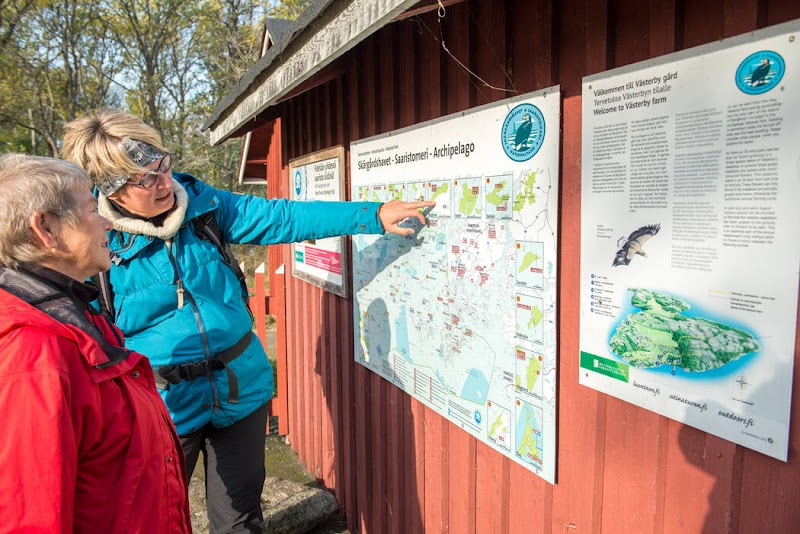
Finland · Kasnäs
Archipelago National Park rewards sailors most
Beautiful, quiet island scenery earns strong praise, but limited land access can frustrate visitors expecting straightforward hiking and camping.
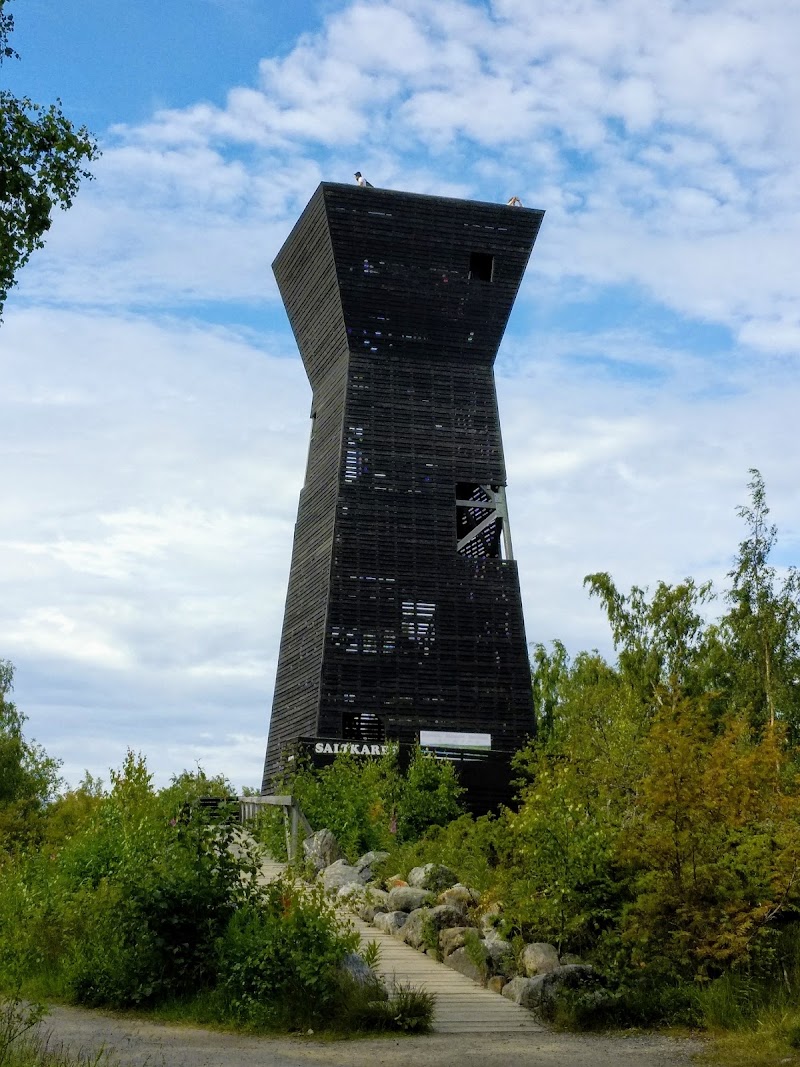
Finland · Björköby
Saltkaret Observation Tower: Woodland Walks and Wide Views
A tall wooden lookout reached by a marked trail through woods and marsh, Saltkaret earns praise for its peaceful scenery and wildlife.

Finland · Tarttila
Visavuori: Finnish sculpture, architecture and caricature
Emil Wikström’s home and studio pair national romantic architecture with sculpture, gardens and Kari Suomalainen’s incisive cartoons.
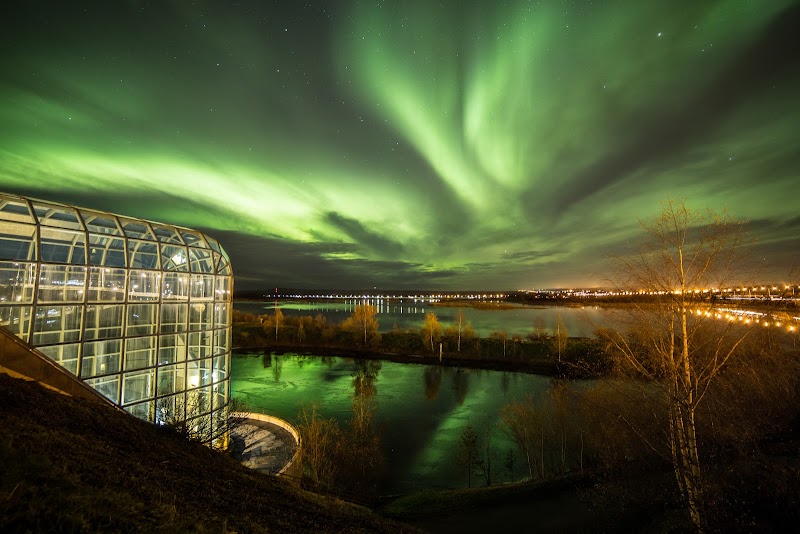
Finland · Rovaniemi
Arktikum brings Lapland’s history and nature into focus
Rovaniemi’s Arktikum combines Arctic science, regional history, wildlife displays and photography in exhibitions praised for their depth and presentation.