Tombs of the Kings: Rock-Cut History on the Cyprus Coast
Monumental underground tombs, imposing stone architecture and Mediterranean views make this one of the Paphos area's leading archaeological sights.
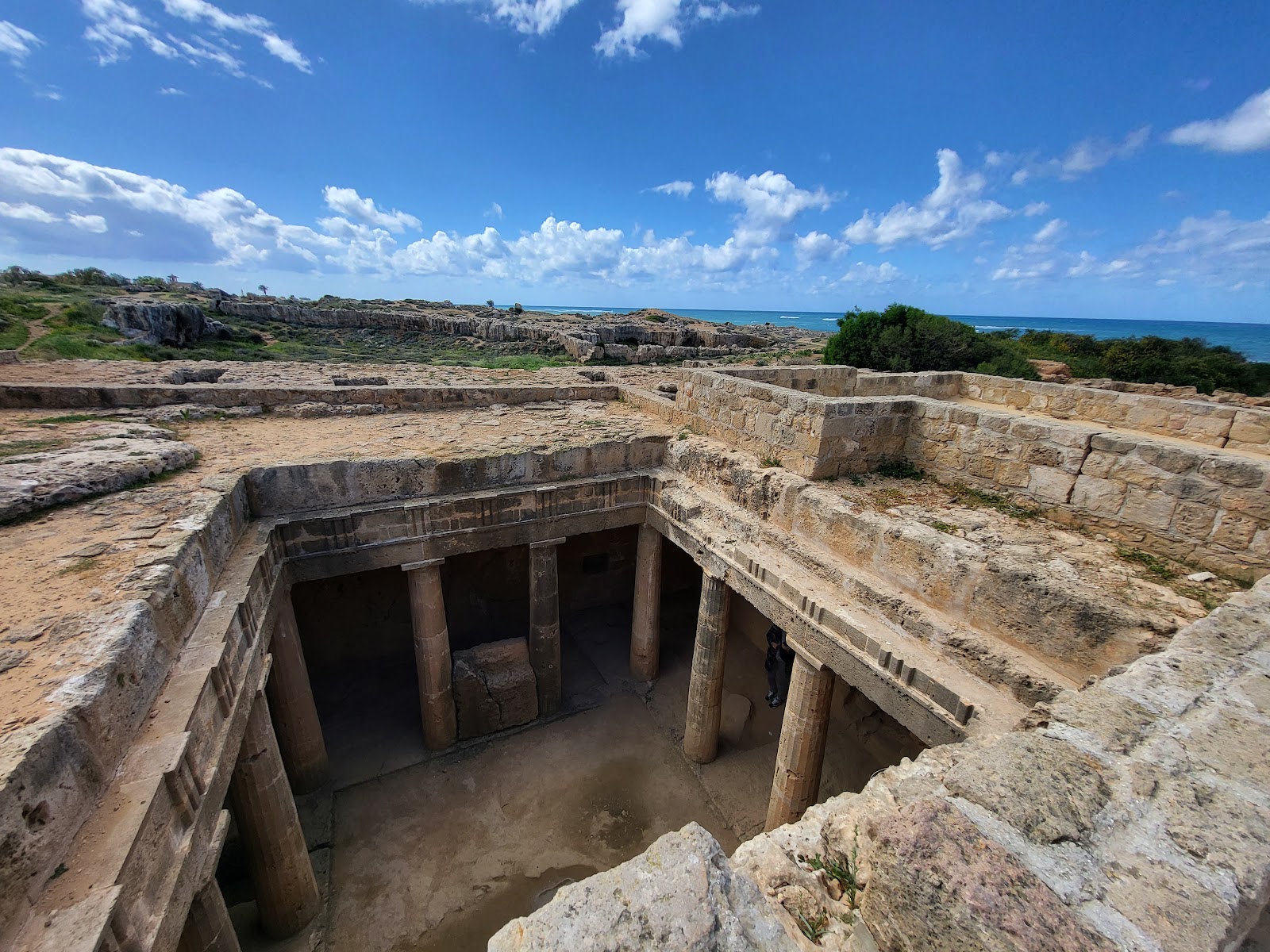
More photos
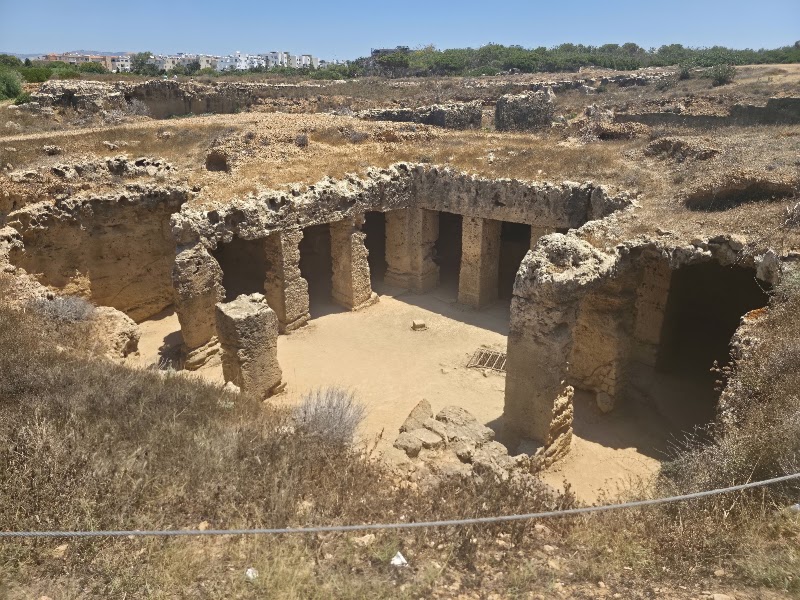
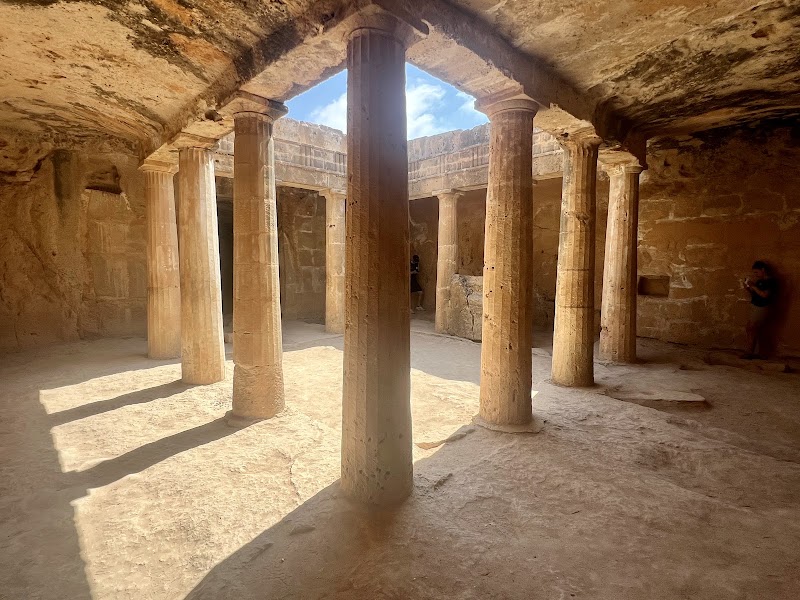
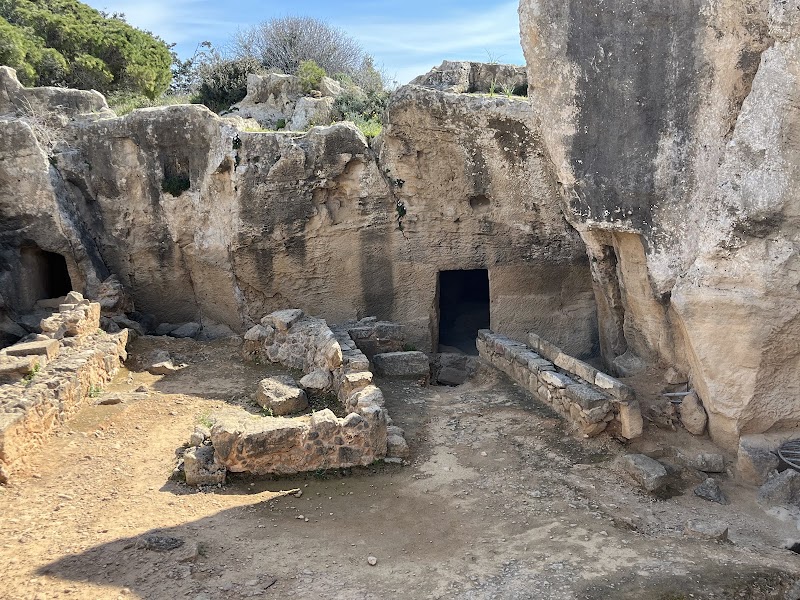


Photos published by travelers on Google, not AI generated.
What stands out
- Vast underground rock-cut tombs
- Large chambers and stone columns
- Mediterranean coastal views
- Clean, organised archaeological grounds
Worth knowing
- Very limited shade
- Intense summer heat
- Uneven rock and steps
Don't miss
What comes up most in public reviews
- Descending into the underground tombs
- Exploring the largest rock-cut chambers
- Examining the columned architecture
- Pausing for Mediterranean coast views
Worth the trip?
The overall verdict
Across public ratings and reviews, the Archaeological Site of the Tombs of the Kings comes through as an impressive, large-scale landmark, especially for travellers drawn to history and archaeology. Its Google rating is 4.4 from 18291 reviews. In the sample comments, visitors often point to the scale of the rock-cut tombs, the coastal location and the chance to step inside ancient underground chambers.
The name can mislead. Reviewers clarify that kings were not buried here. What holds their attention is the monumental architecture and the feeling of walking through a deliberately carved funerary landscape. Some chambers are unexpectedly spacious. Columns and open courtyards make a far stronger impression than the fairly plain entrance areas may suggest.
Reactions are not uniform. One reviewer thought a 20 to 30 minute walk was enough, while others explored for around two hours. Much seems to depend on the visitor's interest in archaeology, and on how willing they are to wander across an exposed, rocky site.
Tombs, chambers and coastal scenery
The underground tombs take centre stage in the reviews. Visitors repeatedly mention caves and burial spaces cut straight into the rock, with the biggest chambers making the strongest impression. Going down into them changes the nature of the visit. This is not a museum display seen from behind a barrier or at the end of a distant path. The scale, stonework and layout of the chambers can be examined at close range.
Then there is the Mediterranean coastline. Reviews note the attractive sea views and describe a setting that remains calm despite the site's popularity. Weathered stone, open ground and blue water make the walk visually rewarding, including for visitors whose interest in ancient history is fairly casual.
The grounds are described as clean and organised. One reviewer also found the entry process straightforward and the staff pleasant. According to the supplied feedback, tickets are available at the entrance.
Timing and practical considerations
Heat is the warning that appears most consistently. Most of the archaeological grounds are open, with little shade, and a summer visit can become uncomfortable fast, particularly in the middle of the day. Reviewers advise carrying water and using personal sun protection, such as an umbrella or a light-coloured covering.
Based on the reviews, early morning is the strongest practical time to arrive. Conditions should be cooler, and visitors may have time to explore before the site gets busier. Comfortable footwear also makes sense on the uneven rock, steps and wide walking area. Access should still be judged against each visitor's own mobility.
Who should make time for it
The Tombs of the Kings is best suited to history enthusiasts, archaeology followers and travellers who like atmospheric ruins in an outdoor setting. A visitor with a tight focus can cover part of the site quite quickly. Those planning to enter several tombs, look closely at the architecture and stop for the coastal views should set aside closer to two hours.
The range of reactions suggests that the site is better approached as an active exploration than as a quick photo stop. Its most striking moments are below ground, where the true scale of the carved chambers and columned spaces comes into view. For a Paphos-area itinerary, public reviews support its standing as a major historical landmark, as long as the timing takes the sun into account.
Ask anything
Looking for somewhere else?
Keep exploring around Chlorakas
More from Cyprus
Cyprus · Dali
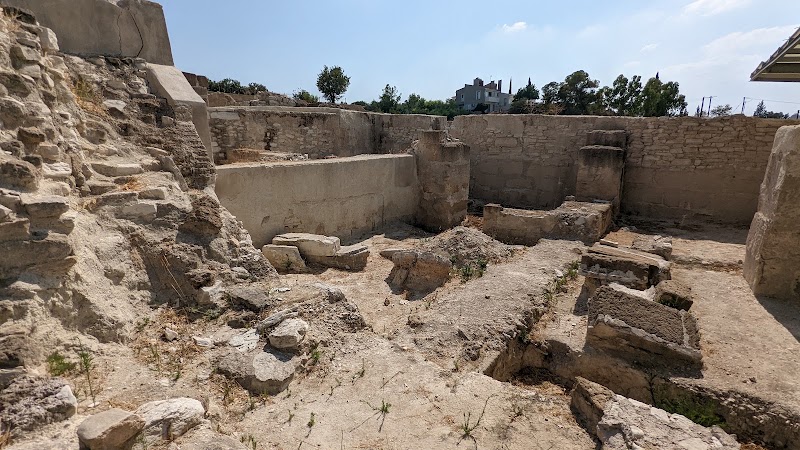
Archaeological Site of Idalion: A Compact Ancient City
Informative boards, elevated walkways and a nearby museum make this small archaeological site a worthwhile stop near Dali.
Cyprus · Paphos
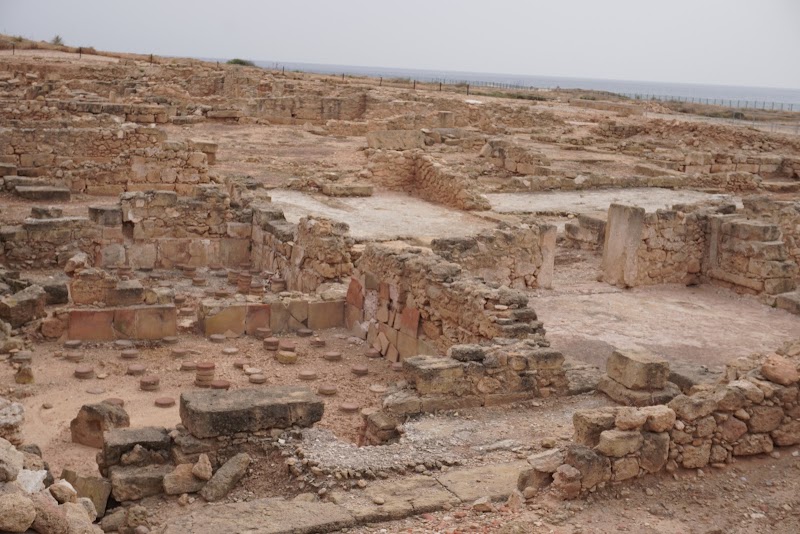
House of Orpheus: Mythology in Mosaic at Kato Paphos
This ancient villa rewards mythology enthusiasts with detailed floor mosaics, though covered sections can make the experience feel incomplete.
Cyprus · Kalavasos
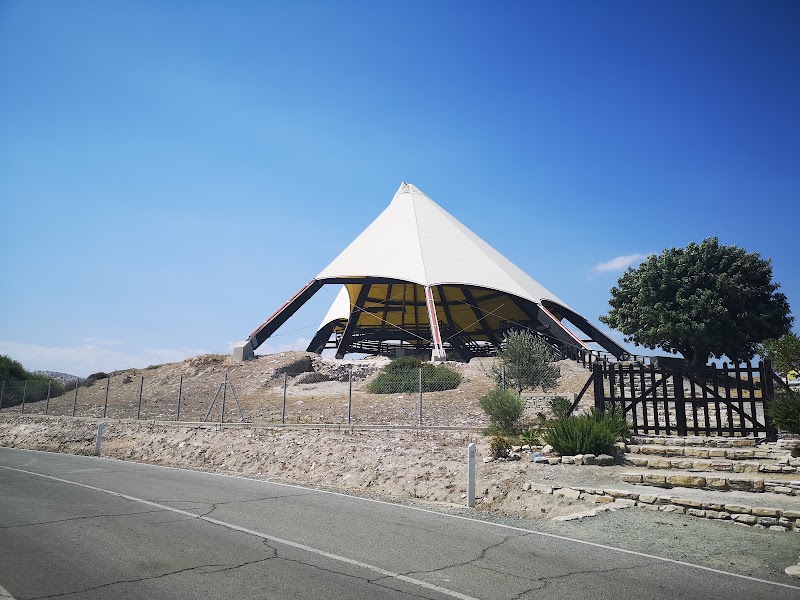
Tenta at Kalavasos: A Compact Neolithic Site
A vast protective canopy, circular building remains and clear displays make this archaeological site a rewarding short stop near Kalavasos.
Cyprus · Paphos
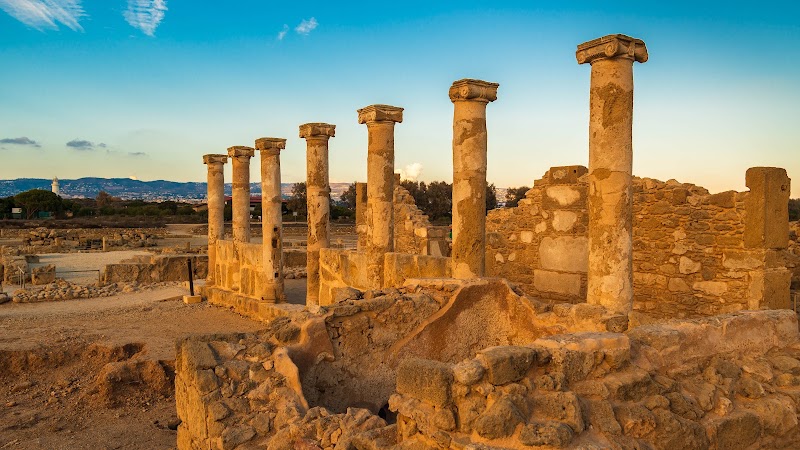
Villa of Theseus in Paphos, Cyprus
What 254 public reviews say about Villa of Theseus, synthesized by Anya Sokolova.