Palaepaphos: Aphrodite, archaeology and a compact museum
Kouklia’s UNESCO-listed archaeological site combines ancient sanctuary ruins, wide views and a small museum focused on the cult of Aphrodite.

More photos
Photos published by travelers on Google, not AI generated.
What stands out
- UNESCO-listed archaeological setting
- Museum pieces spanning several eras
- Association with the cult of Aphrodite
- Spacious grounds and broad views
- Helpful, knowledgeable staff
Worth knowing
- Construction or renovation may affect access
- Parking and toilets may be temporary
- Limited on-site water options
Don't miss
What comes up most in public reviews
- The small on-site museum
- The indoor information screening
- Ruins linked to the cult of Aphrodite
- Ask staff for historical context
Worth the trip?
The verdict
The Archaeological Site of Palaepaphos earns a 4.4 Google rating from 1206 reviews, with visitors repeatedly praising its historical importance, peaceful atmosphere and welcoming staff. The remains span several eras, from the Late Bronze Age through Greek, Roman and Lusignan periods, but the strongest thread is the site’s association with the cult of Aphrodite.
This is not an archaeological complex defined by monumental, intact buildings. Its appeal lies in context: scattered ruins, an open landscape and the knowledge that Palaepaphos was one of the ancient Mediterranean’s major centres of worship. Reviewers interested in mythology and early Cypriot history tend to find the visit especially rewarding.
What the visit includes
The grounds are described as clean, spacious and well maintained. Visitors pass archaeological remains on the approach to a small, castle-like building that houses the museum. Reviews consistently characterise the museum as compact but interesting, with notable objects that help make sense of the wider site.
An indoor screening room provides additional background. That interpretive material is useful because many of the outdoor remains are fragmentary and can be difficult to understand without explanation. Public feedback also singles out the staff for kindness, knowledge and practical help. One reviewer reported that guidance around the grounds transformed the experience, suggesting that asking staff for context is worthwhile when assistance is available.
The admission ticket covers both the archaeological area and the museum. Taken together, they form a manageable visit rather than an all-day undertaking. A couple of hours should suit most travellers, with additional time useful for anyone who likes reading displays closely or lingering over the views.
Atmosphere and timing
Several reviews focus less on spectacle and more on the site’s mood. Its connection with the legend and worship of Aphrodite gives the ruins a reflective quality, particularly when the grounds are quiet. One January visitor found the site almost empty in the morning and described the experience as notably peaceful.
That makes a winter morning an appealing choice for visitors prioritising calm conditions. The open setting and broad views also contribute to the experience, while the relatively uncrowded layout allows the different layers of the site to emerge at an unhurried pace.
Practical considerations
One public review mentions construction or renovation work, along with temporary parking and toilet arrangements. Conditions may change as work progresses, so current access information is worth checking before arrival. That review also indicates that drivers may need to stop briefly near the entrance for tickets before continuing to the designated parking area.
Water provision appears limited to a vending machine mentioned by one reviewer. Carrying water is sensible, especially in warmer weather. Overall, Palaepaphos is best approached as a compact, interpretation-led landmark: the museum, screening room and staff guidance add essential detail to ruins whose significance is greater than their surviving scale might initially suggest.
Plan the rest of the trip
Ask anything
Looking for somewhere else?
Keep exploring around Kouklia
More from Cyprus

Cyprus · Pegeia
Coral Beach Hotel & Resort review: beachside comfort in Pegeia
Public reviews point to a clean, well-serviced resort with strong food, attractive pools and a convenient Coral Bay setting.
Cyprus · Ayia Napa
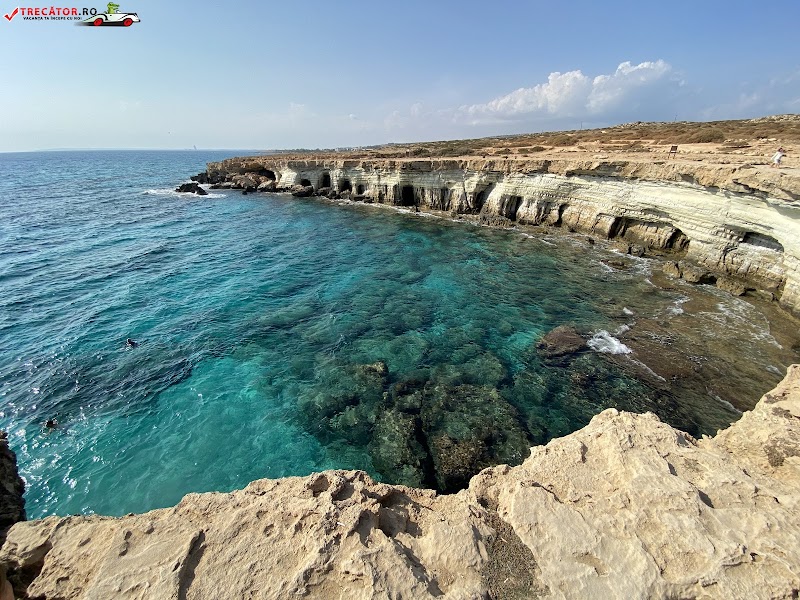
Sea Cave Palaces of Cape Greco: Cliffs, Views and Swimming
Public reviews give this Cape Greco viewpoint a 4.9 rating, with visitors praising its scenery, parking and opportunities for jumping and swimming.
Cyprus · Pissouri
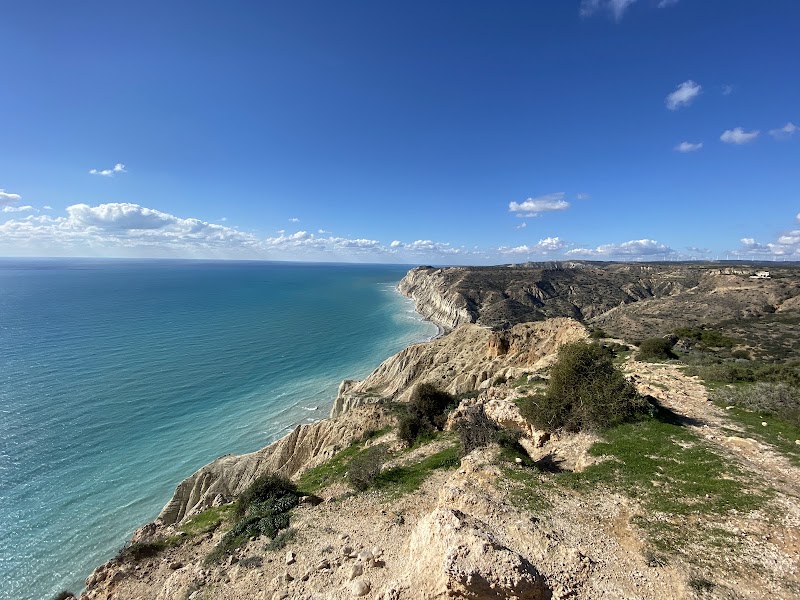
Cape Aspro: A Wild Coastal Hike Above Pissouri
Cape Aspro offers dramatic coastal scenery and a demanding trail, with loose ground, steep edges and a rocky swimming spot.
Cyprus · Cedar Valley
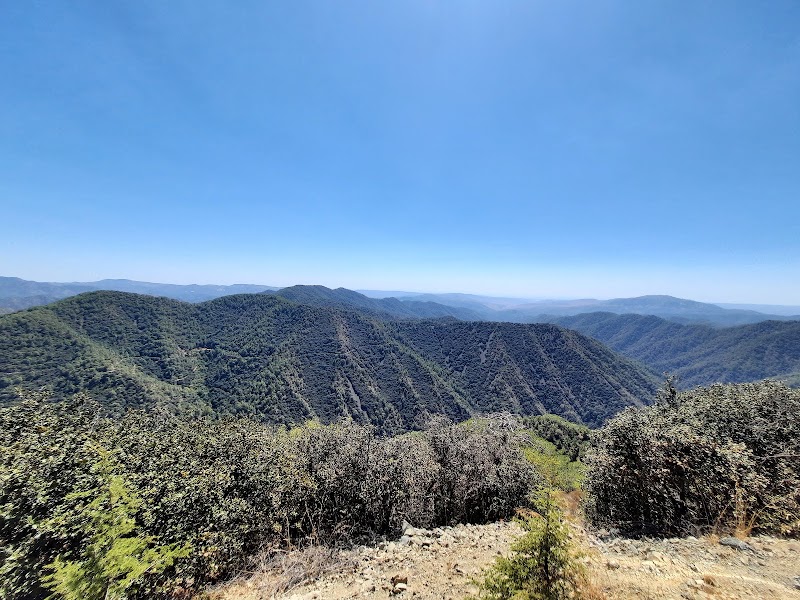
Paphos Forest: Pine Trails and Mountain Quiet
Paphos Forest offers expansive scenery, cool pine-scented air and nature trails across the Cedar Valley area, with rough roads in more remote sections.