Jerash: A Monumental Roman-Era City in Jordan
Vast colonnaded streets, theaters and plazas make Jerash one of Jordan’s most impressive, if sometimes challenging, archaeological visits.
More photos
Photos published by travelers on Google, not AI generated.
What stands out
- Vast Roman-era cityscape
- Long colonnaded streets
- Grand theaters and plazas
- Well-preserved monumental ruins
- More than 2,000 years of history
Worth knowing
- Pushy guides, sellers and hawkers
- Limited maps or inconsistent labelling
- Steep slopes and uneven accessibility
Don't miss
What comes up most in public reviews
- Walk the great Roman avenue
- See the colonnaded streets
- Explore the theaters and plazas
- Look for the temples
- Ask where the museums are located
Worth the trip?
The overall verdict
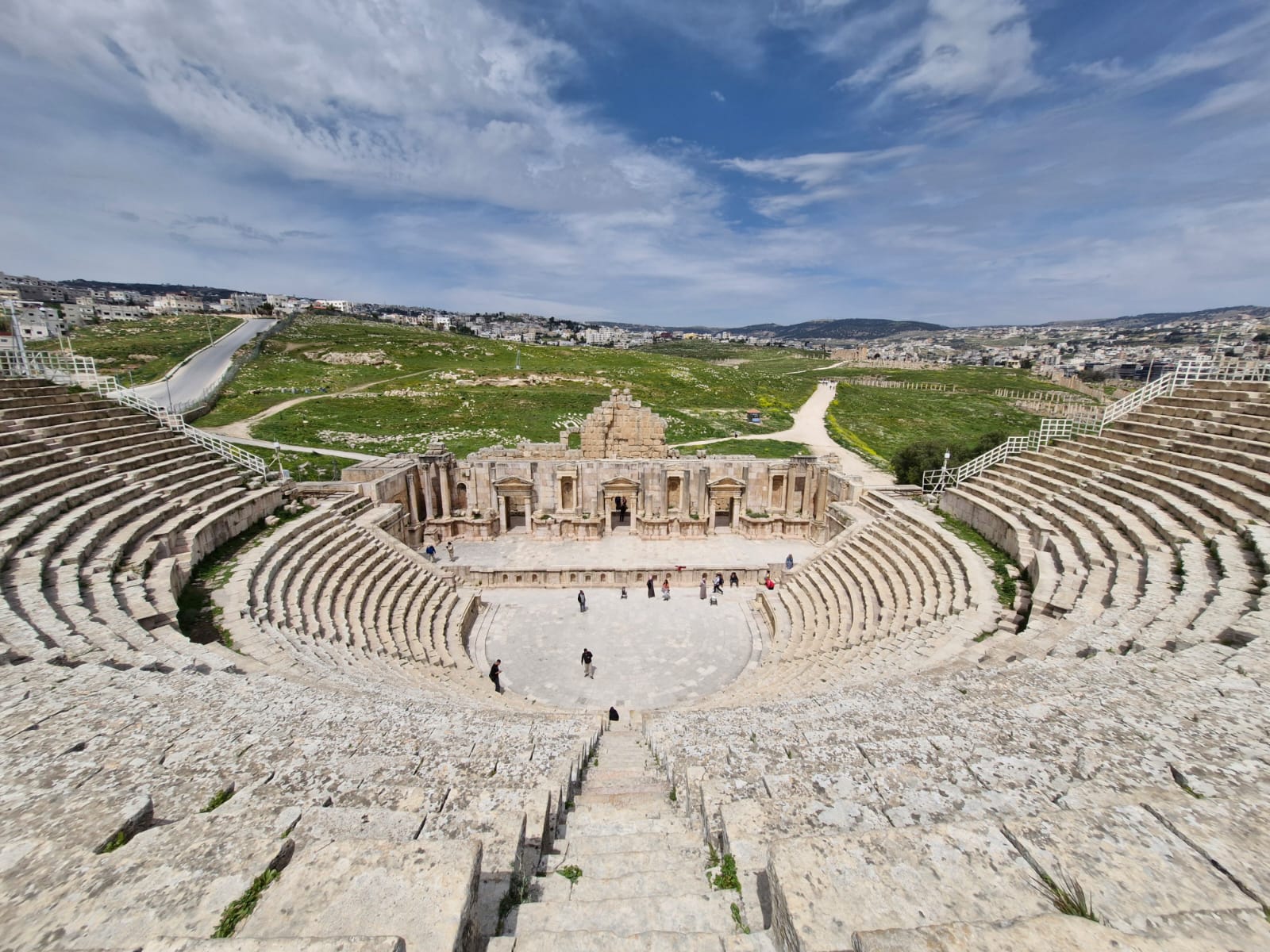
Public feedback presents the Archaeological Site of Jerash as an exceptionally substantial Roman-era complex rather than a brief collection of scattered ruins. Its Google rating of 4.6 from 22165 reviews reflects the strength of that impression. Visitors repeatedly describe an ancient city on a grand scale, with long colonnaded streets, imposing columns, theaters, plazas and temples spread across a large open-air site.
Reviewers are especially struck by how much of the urban layout remains legible. The experience is often described as walking through a city rather than viewing isolated monuments. Jerash’s history stretches back more than 2,000 years, and its period as part of the Roman Decapolis gives the surviving architecture much of its significance.
What makes Jerash stand out
Scale is the defining feature. The great Roman avenue and its columns create a strong sense of progression through the site, while theaters and formal plazas add variety beyond the main route. Reviews also praise the ruins as remarkably intact, well maintained and visually impressive. The combination makes Jerash rewarding both for dedicated history enthusiasts and for travellers who simply want to experience monumental ancient architecture.
The site’s size also allows visitors to feel immersed in the former city. Rather than following a short circuit, they move through a sequence of streets, monuments and spaces once associated with public life and worship. Several reviews suggest that the deeper stories behind the stones are important, particularly around the temples and buildings dedicated to ancient gods.
Planning the visit
Jerash is vast, exposed and best approached as a substantial outing. Summer heat can make the open-air setting demanding, so reviewers recommend carrying a hat or umbrella in hot weather. Comfortable preparation matters because exploring the main avenue and surrounding monuments involves covering considerable ground.
A guide may help explain the history and significance of individual structures. However, feedback about guides is sharply mixed. Some visitors recommend guided interpretation, while others report pushy approaches and requests for excessive payment. Agreeing on expectations before accepting help would reduce the chance of an uncomfortable encounter.
Navigation attracts similarly divided comments. One reviewer found the site well signposted, but another struggled without a portable map and wanted clearer labels, particularly for the museums. Visitors with specific priorities may benefit from identifying the main monuments and museum locations before entering.
Accessibility and visitor pressures
Travellers using wheelchairs should plan cautiously. One review describes discreet access and assistance entering the site, but also reports a steep slope along the great Roman avenue that prevented a return by the same route. That visitor exited through an intermediate parking area. The account suggests that parts of Jerash may be accessible with help, while the terrain and gradients can still limit an independent circuit.
The entrance and souq area may also feel intense. One family reported distress caused by persistent sellers, hawkers and guides. This does not define the archaeological experience, but it is a relevant concern for visitors who prefer quiet arrivals or are sensitive to forceful sales approaches. Once inside, the scale and preservation of the ancient city remain the dominant themes across public reviews.
Plan the rest of the trip
Ask anything
Looking for somewhere else?
Keep exploring around Jerash
More from Jordan
Jordan · Wadi Rum Village
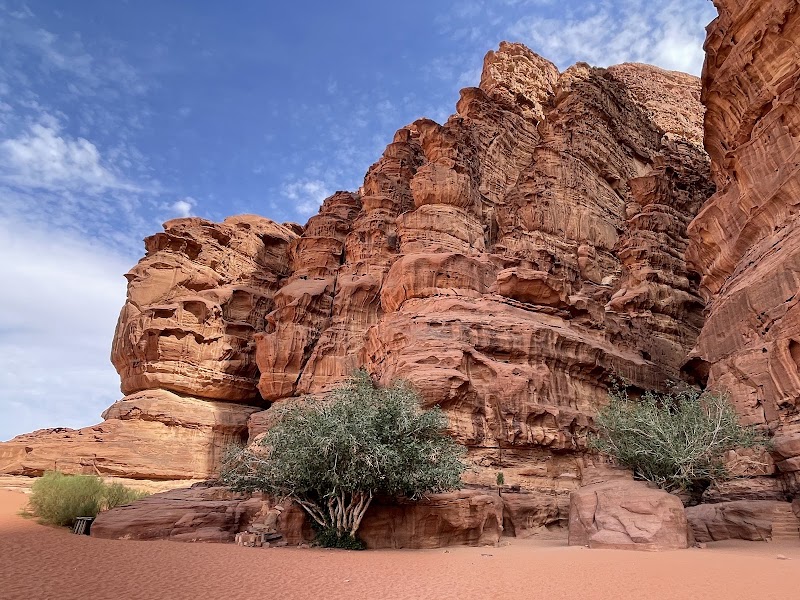
Khazali Canyon: Ancient Inscriptions in Wadi Rum
A short walk into sandstone walls reveals ancient inscriptions, petroglyphs and one of Wadi Rum’s most atmospheric stops.
Jordan · Amman
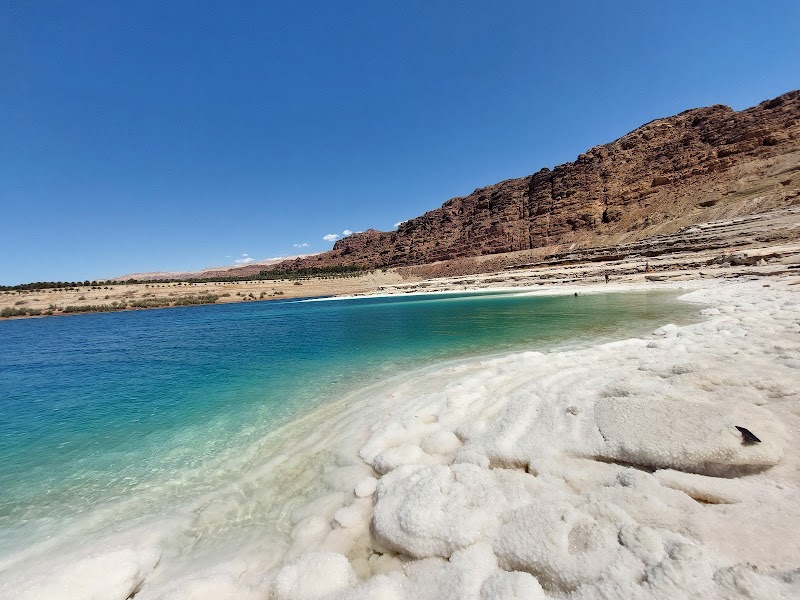
Salt Beach: A Raw, Scenic Dead Sea Stop
Salt Beach offers striking shoreline formations and free access, with a rough approach and limited facilities that reward prepared visitors.
Jordan · Aqaba
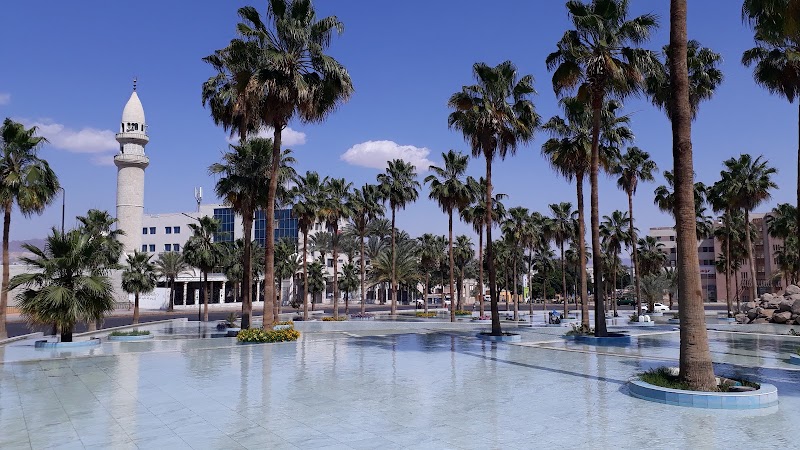
Aqaba Marine Reserve for Easy Coastal Relaxation
Public reviews describe Aqaba Marine Reserve as a peaceful place for family time, meeting friends and enjoying lunch or dinner in Aqaba, Jordan.
Jordan · Wadi Musa
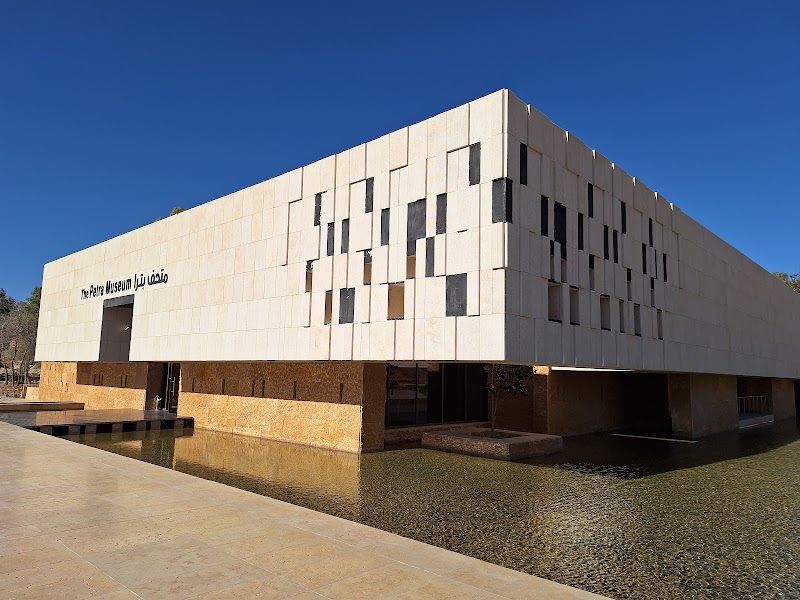
Petra Museum: A Clearer Introduction to Nabataean Petra
This compact museum in Wadi Musa adds context to Petra with archaeological finds, accessible displays and a concise account of Nabataean history.