Hattusha: Monumental Ruins in a Vast Ancient Landscape
Turkey’s Hittite capital rewards archaeology enthusiasts with monumental remains, striking carvings and an expansive open-air setting.
More photos


Photos published by travelers on Google, not AI generated.
What stands out
- Expansive ancient city landscape
- Stone foundations and reconstructed sections
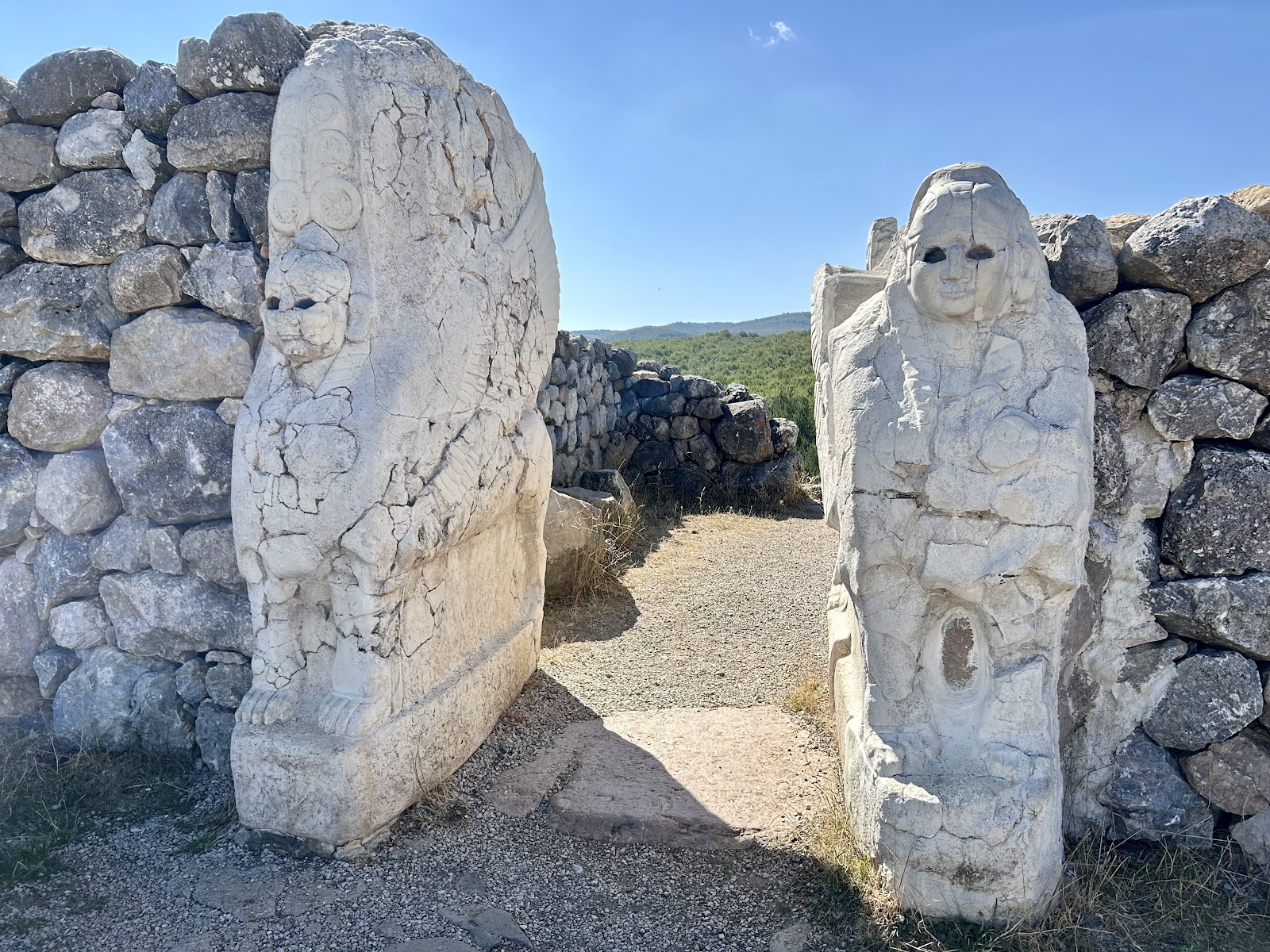
- Bas-relief sculptures and statues
- Beautiful open-air scenery
- Atmospheric sense of history
Worth knowing
- The site is large and may require a vehicle
- Limited interpretation without a guide
- Many remains are foundations or recreations
Don't miss
What comes up most in public reviews
- The mysterious green stone
- Bas-relief sculptures and statues
- The museum in town
Worth the trip?
What the reviews reveal
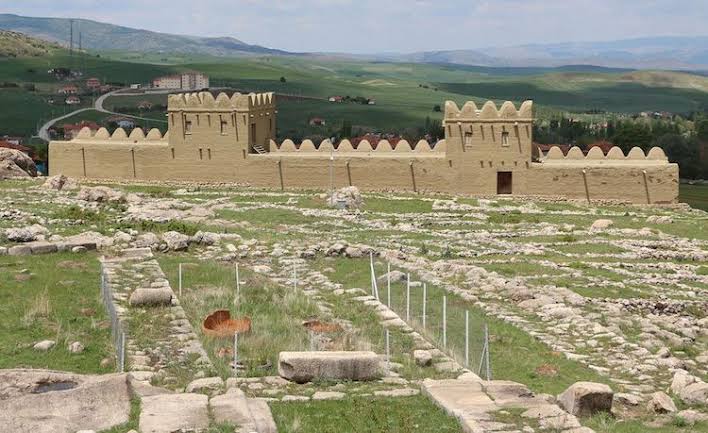
Hattusha earns a Google rating of 4.8 from 1566 reviews, with travellers repeatedly describing it as impressive, atmospheric and rich in history. The archaeological site covers the ancient city rather than a compact cluster of monuments, so its scale is central to the experience. Public feedback particularly recommends it to visitors interested in archaeology and ancient civilisations.
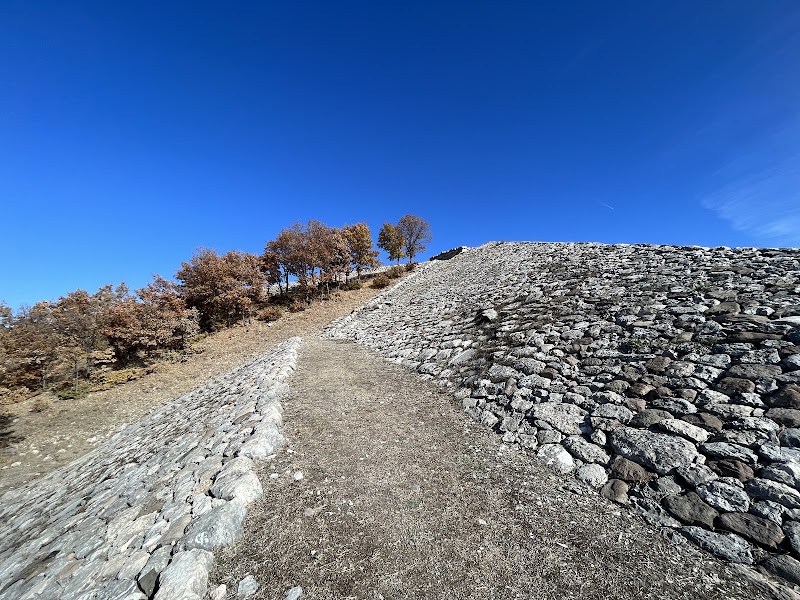
The landscape adds much of the appeal. Reviewers mention beautiful scenery alongside walls, stone foundations, statues and relief carvings, creating a visit that feels as much like an exploration of an ancient urban setting as a conventional landmark stop. Several accounts convey a strong sense of stepping back in time, even where the surviving structures require interpretation.
What survives at Hattusha
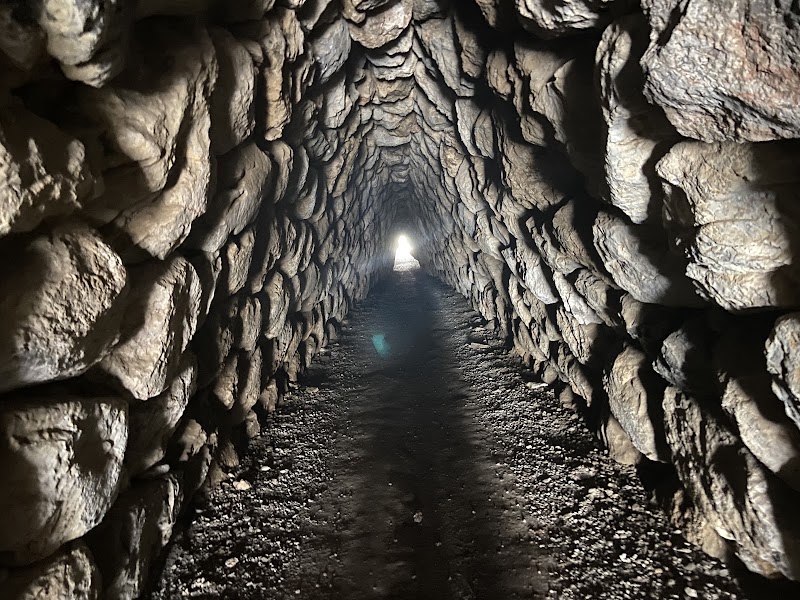
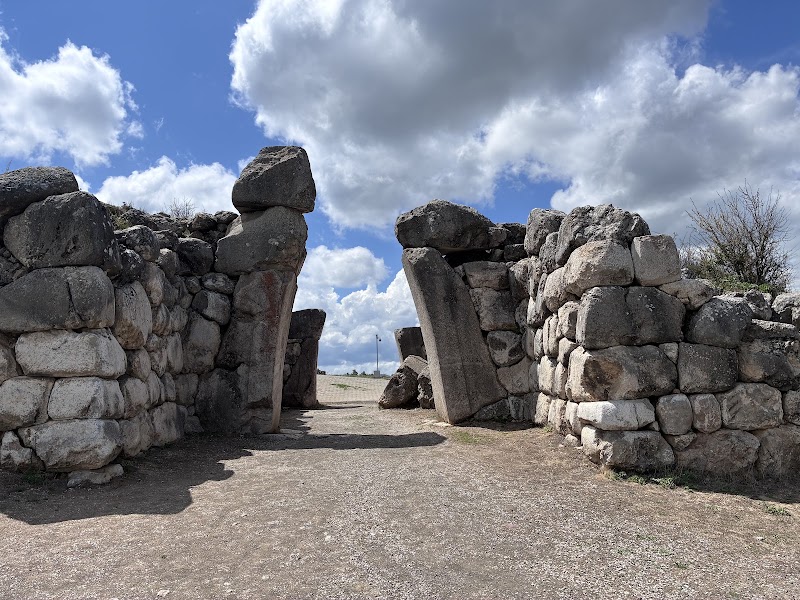
Expect ruins rather than complete buildings. One detailed review notes that much of the original construction used mud brick above stone foundations, leaving the lower courses as the most visible remains. This context helps explain why some areas can initially look like low walls, stone outlines or scattered debris rather than intact architecture.
The more visually immediate features include bas-relief sculptures, statues and the site’s mysterious green stone. These details provide focal points within the much larger archaeological landscape. Reviewers also value the atmosphere and the relationship between the remains and their open surroundings.
Not every visitor is equally convinced by the presentation. One review observes that numerous elements are recreations and feels that relatively little original material remains visible. Hattusha is therefore likely to work best for travellers prepared to engage with foundations, reconstructed sections and archaeological context, rather than those expecting an extensively preserved stone city.
Planning the visit
Its sheer size is the most consistent practical consideration. Reviews describe Hattusha as a huge open-air territory and suggest that some form of vehicle may be useful for seeing it fully. Anyone trying to cover the entire ancient city on foot should allow ample time and be prepared for considerable distances between features.
Interpretation can also be limited. Travellers report being largely left to explore independently, while one reviewer found an excursion guide especially valuable for explaining what remained and why it mattered. A guided visit should help make the stone foundations, reconstructed elements and wider city plan more legible.
Visitors hoping to see portable objects excavated at Hattusha should note that the museum is in the town, not inside the archaeological site. Combining the ruins with that museum would provide a fuller picture, linking the extensive outdoor remains with historical items recovered from them.
Editorial verdict
Synthesised public feedback presents Hattusha as a memorable landmark whose strengths are scale, atmosphere and archaeological significance. It is not a polished collection of intact monuments, and independent visitors may find parts difficult to interpret. With enough time, suitable transport and preferably a knowledgeable guide, the site offers a compelling encounter with an ancient city and its surrounding landscape.
Ask anything
Looking for somewhere else?
Keep exploring
More from Türkiye
Türkiye
Titanic Deluxe Lara: a polished family resort near Antalya
Strong service, varied dining and standout children’s activities make this large Lara hotel a persuasive choice for family beach holidays.
Türkiye
Çatalhöyük: Neolithic history brought into focus
Near Konya, this Neolithic settlement pairs a restrained excavation site with an interactive museum praised for making prehistory accessible.
Türkiye
Aphrodisias: Marble Monuments and a Remarkable Stadium
A peaceful archaeological city where monumental ruins, intricate carvings and an impressive stadium reward the journey inland.
Türkiye
Perge Ancient City: Monumental Ruins Near Antalya
Perge combines imposing Roman engineering, layered Anatolian history and straightforward access from Antalya in one extensive archaeological site.