Archaeological Site of Carthage: Ruins Above the Sea
Carthage combines Punic and Roman remains, coastal views and peaceful walking, though limited interpretation can make planning essential.
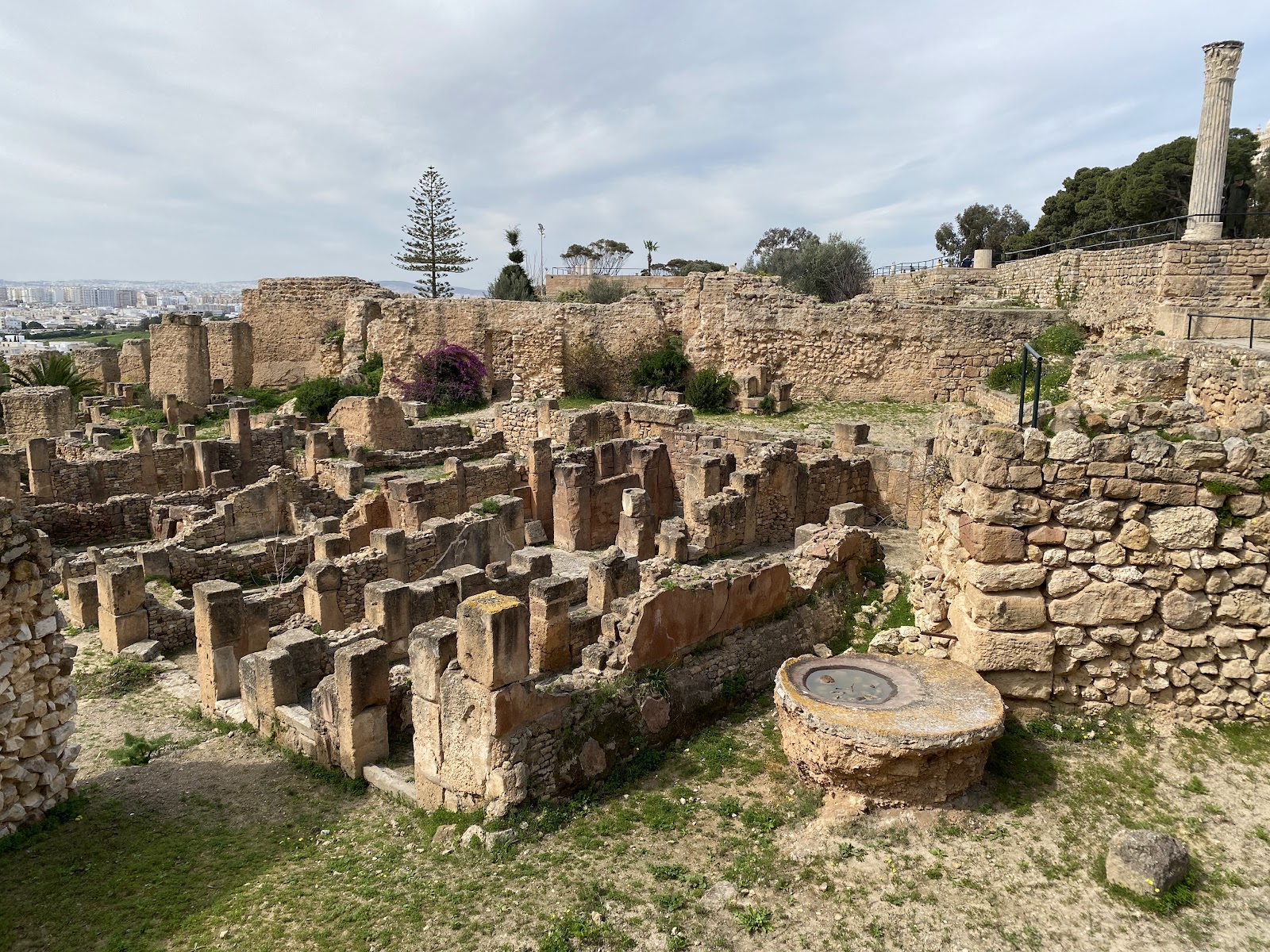
More photos
Photos published by travelers on Google, not AI generated.
What stands out
- Mediterranean views from the ruins
- Peaceful, lightly crowded archaeological areas
- Punic and Roman remains
- Strong photography opportunities
- Several sites covered in one outing
Worth knowing
- Limited signs and interpretation
- Some areas may be overgrown or closed
- Sites are spread across Carthage
Don't miss
What comes up most in public reviews
- Explore the Antonine Baths
- Climb Byrsa Hill for the views
- See the Punic Ports
- Look for the ancient Odeon
- Ask about a multilingual guide
Worth the trip?
The overall impression
The Archaeological Site of Carthage holds a 4.5 Google rating from 2165 reviews, with travellers repeatedly praising its historical atmosphere, sea views and relative calm. Rather than a single enclosed ruin field, Carthage is experienced through several archaeological areas spread around the modern district. That layout rewards visitors who arrive with a plan, but it can surprise anyone expecting one compact attraction.
Public reviews describe an evocative mix of broken columns, foundations, baths and performance spaces. The ruins are particularly photogenic in clear, sunny weather, while elevated areas provide broad views towards the Mediterranean. Several travellers also value how uncrowded and peaceful the sites can feel, allowing time to look closely at the remains without moving through dense tour groups.
What to see
The Antonine Baths, Byrsa Hill, Punic Ports and the Odeon are among the specific places mentioned by reviewers. Together, they show different sides of ancient Carthage rather than repeating the same experience. The baths provide monumental Roman remains, Byrsa Hill combines archaeology with expansive views, and the ports connect the site to Carthage’s maritime past. The Odeon is singled out as an impressive ancient theatre, although some visitors report that information around it is limited.
A cathedral beside the archaeological area is another recurring visual landmark. One reviewer reports that it was covered by the same admission arrangements during their visit, but access conditions can change and should be confirmed locally. A combined ticket or pass is commonly recommended for travellers intending to visit several zones.
Planning the visit
A quick stop at one section can take roughly 20 to 25 minutes, according to one public review. Seeing several principal areas is better treated as a half-day outing because the remains are dispersed. Hiring a guide may add considerable value, particularly for visitors who want help connecting the Punic and Roman layers or identifying ruins with little signage. One reviewer specifically notes that multilingual guiding was available.
Access reports are inconsistent. Some visitors describe paid combined admission, while another reports free entry. Closures can also affect individual locations. Checking current opening arrangements before setting out is therefore sensible, especially when a particular ruin is the main reason for visiting.
Limitations and verdict
Carthage’s strongest qualities are its setting, historical scale and lack of heavy crowds. Its weaknesses are presentation and upkeep. Reviews mention overgrown sections, barriers, designated paths and insufficient explanatory material. These issues can make some remains difficult to interpret without a guide or prior reading.
Even with those shortcomings, the site remains one of Tunisia’s most significant historical experiences. It works best for travellers prepared to move between separate areas and spend time understanding what survives. Those seeking polished displays may find the presentation uneven, but visitors drawn to archaeology, coastal scenery and atmospheric ruins are likely to consider Carthage a rewarding half-day excursion.
Plan the rest of the trip
Ask anything
Looking for somewhere else?
Keep exploring around Site archéologique de Carthage
More from Tunisia
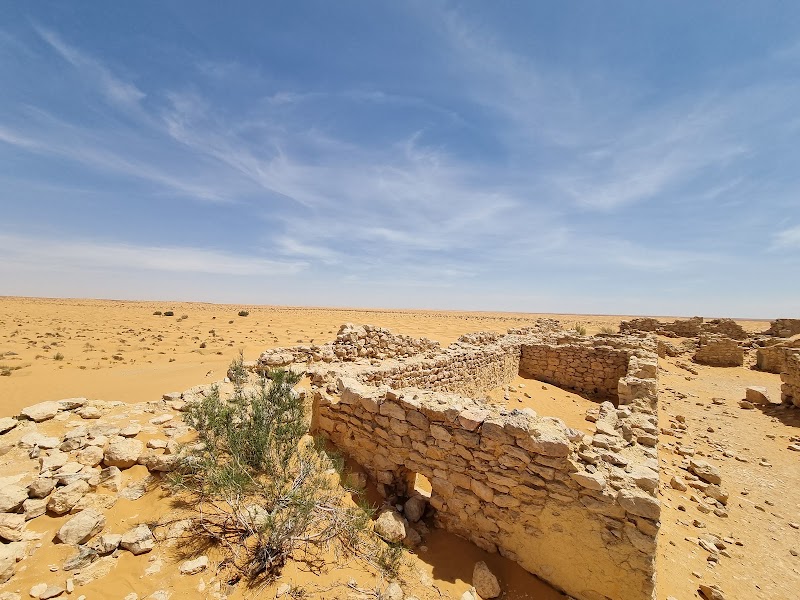
Tunisia · Ksar Ghilane
Ksar Ghilane: Oasis, Dunes and Roman Remains
A warm spring, Sahara excursions and sunset views make Ksar Ghilane a rewarding stop despite limited transport options.
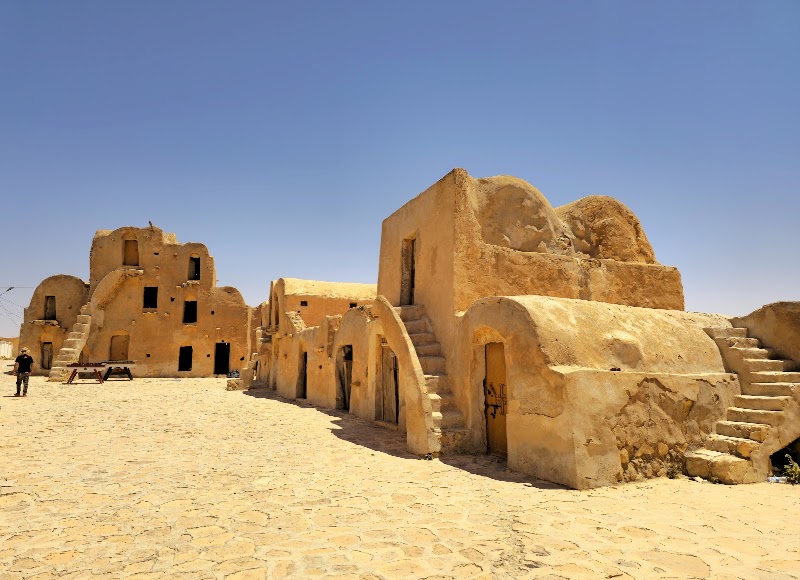
Tunisia · Tataouine
Ksar Ouled Soltane: A Compact, Characterful Landmark
Strong preservation, distinctive architecture and a Star Wars connection make this small Tataouine landmark a rewarding short stop.
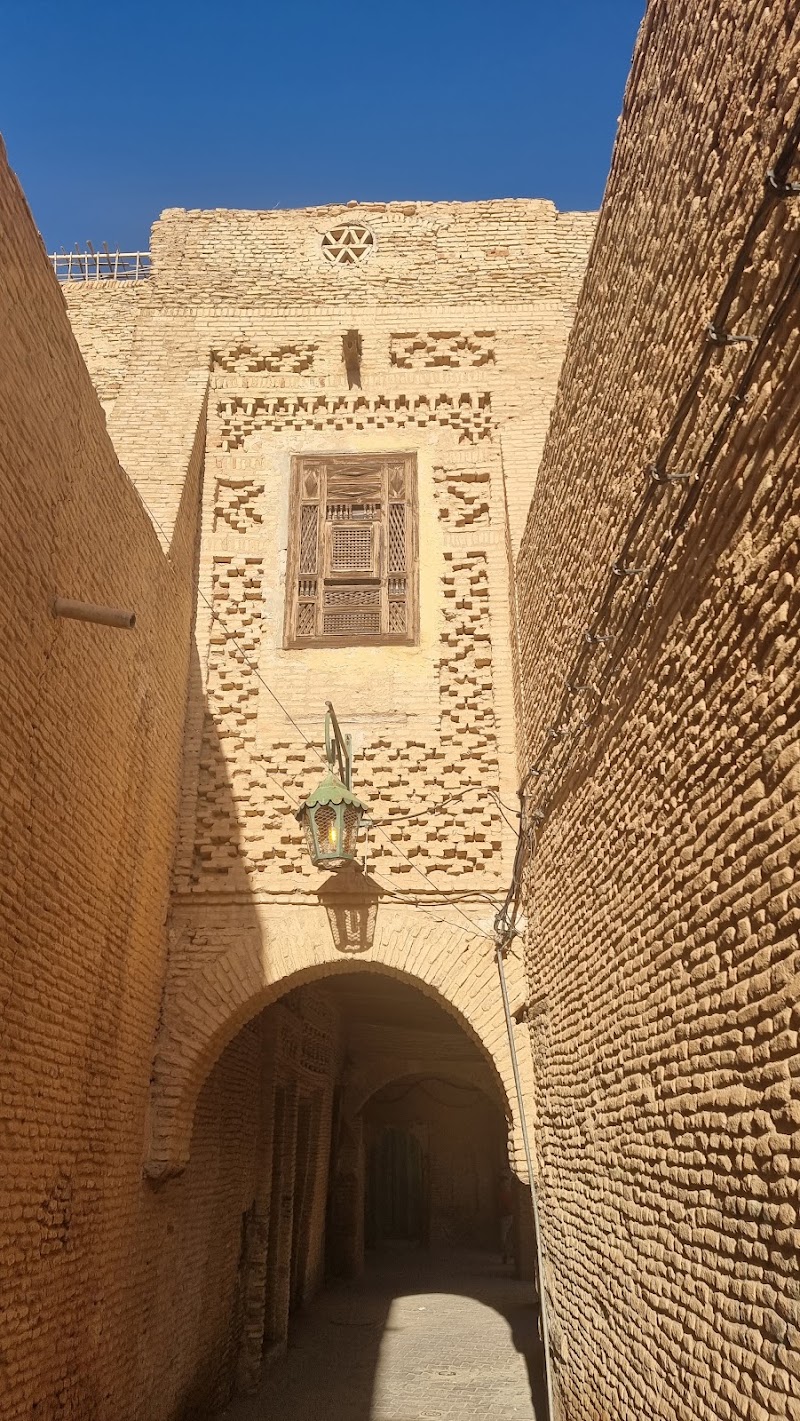
Tunisia · Tozeur
Medina of Tozeur: Brickwork, Alleys and Local Life
Tozeur’s old quarter rewards an unhurried walk with patterned brickwork, traditional doors, small shops and a relaxed residential atmosphere.

Tunisia · Tunis
WildyNess review: Tailored tours across Tunisia
Strong public feedback highlights thoughtful planning, capable guides and flexible itineraries spanning Tunis, southern Tunisia and the Sahara.