‘Ārahurahu Marae: a quiet window into Tahiti’s past
This compact historical site near Pā‘ea pairs stone structures and sculptures with a peaceful setting, but limited interpretation makes preparation essential.

More photos


Photos published by travelers on Google, not AI generated.
What stands out
- Quiet, beautiful setting
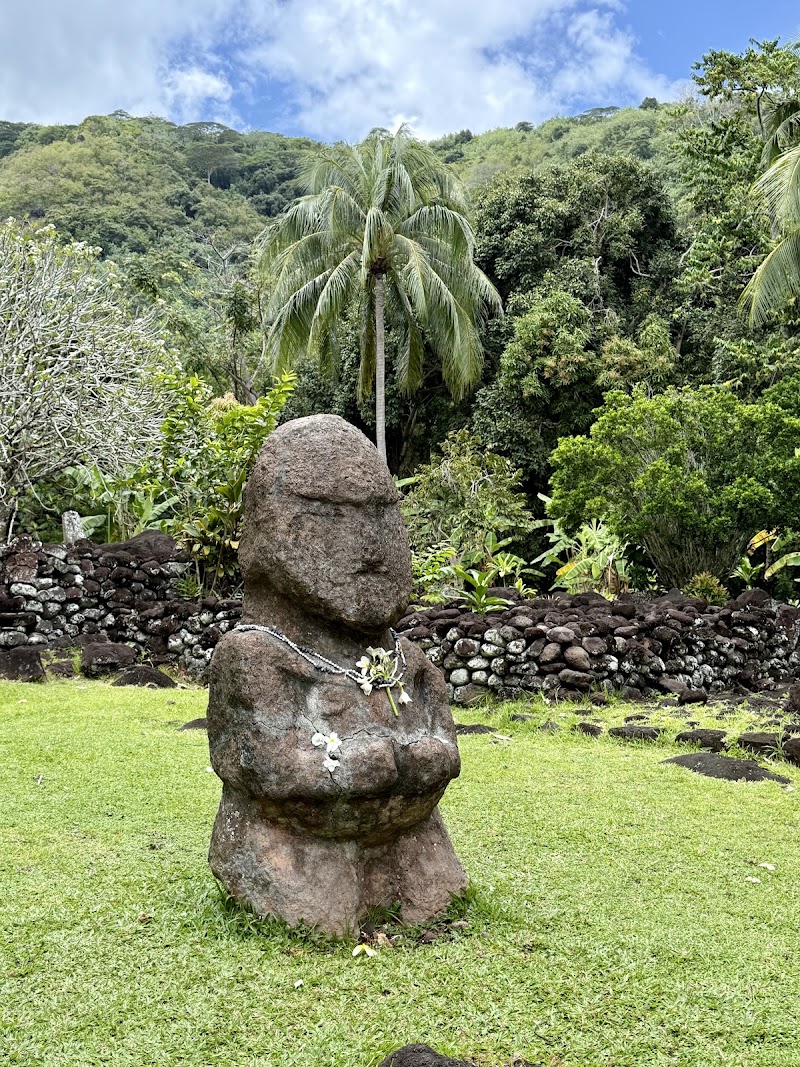
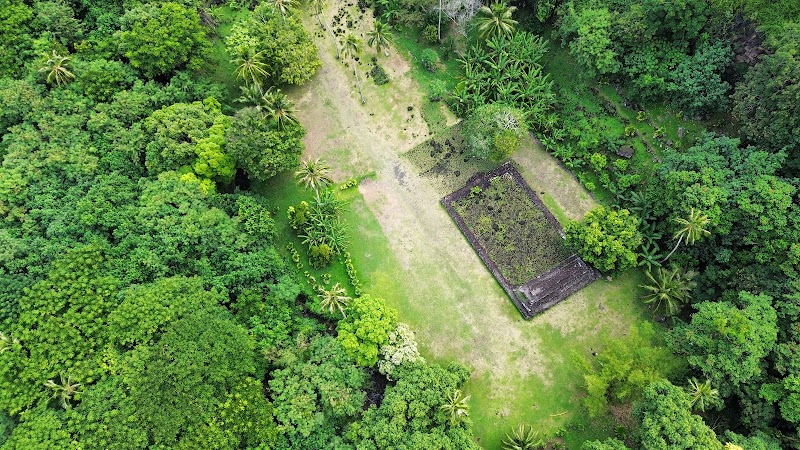
- Stone structures and sculptures
- Short walking areas
- Ample parking and restrooms
Worth knowing
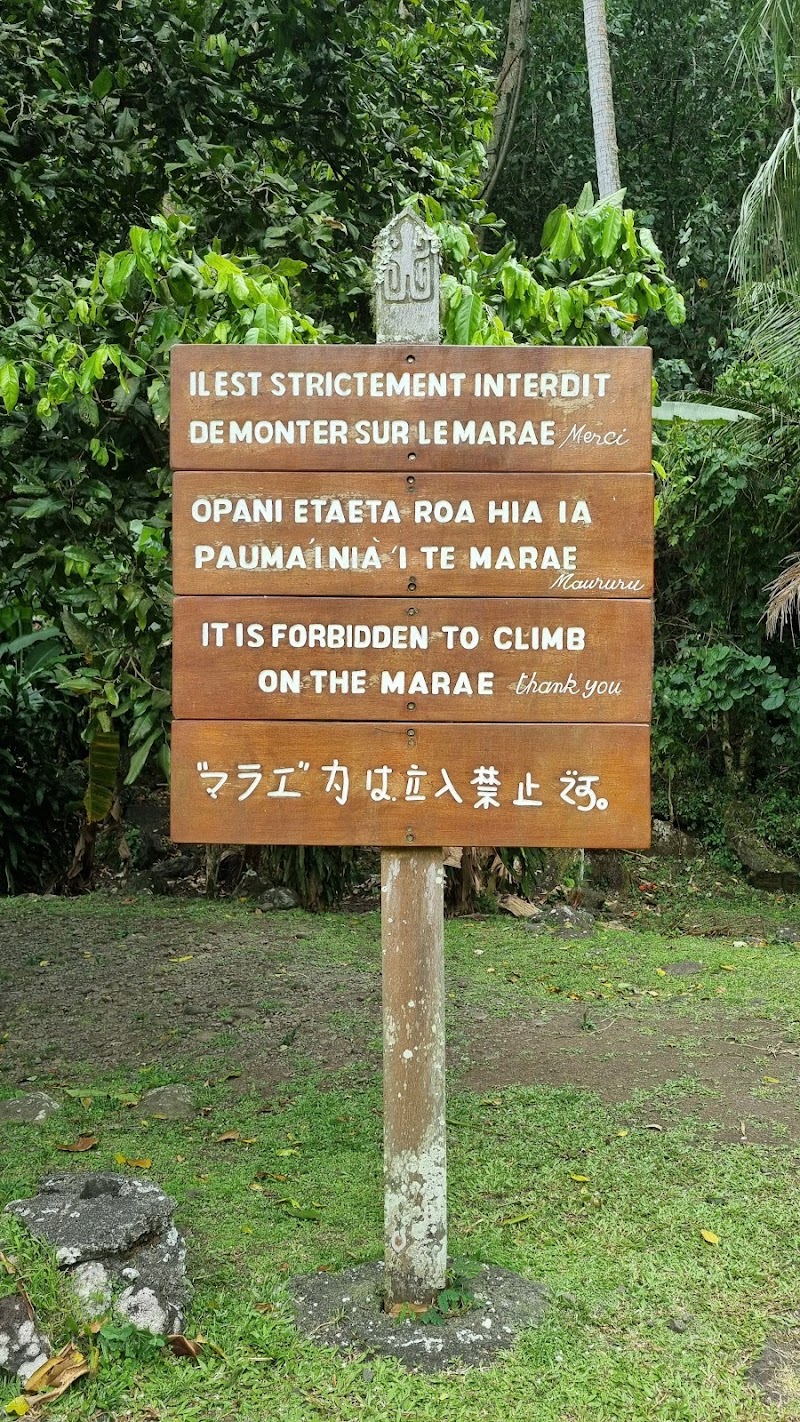
- Limited historical information on site
- Poor directional signage
- Bumpy gravel approach road
Don't miss
What comes up most in public reviews
- Walk around the stone structures
- View the statues without touching them
- Research the marae before visiting
- Consider visiting with a guide
Worth the trip?
Why visit
A 4.5 Google rating from 285 reviews reflects what travellers tend to like about ‘Ārahurahu Marae: its beauty, stillness and link to French Polynesia’s past. The park is compact, with stone structures, sculptures and space for a short walk. This is not a sprawling archaeological complex. For most visitors, it is a focused stop, not a full-day attraction.
Reviews suggest the site is particularly worthwhile for those interested in Polynesian history, sacred places or photography. Respect matters here. Several travellers stress that the statues should not be touched, as oils from hands may damage their surfaces. The marae is also reported to remain in use for special occasions, another reason to behave with care.
Historical context
According to one detailed review, the site is a reconstruction of a pre-contact Polynesian temple. It was built in the 1950s with stones from three deconsecrated temples that once stood farther inland. That history gives the arrangement of stones and sculptures added weight, although reviewers repeatedly note the shortage of information boards and interpretive signage.
Travellers arriving without background reading or a knowledgeable guide may struggle to understand what the structures represent and how the space would have been used. The visual impact is immediate. The cultural and historical meaning takes more context. For visitors drawn by the history, advance research or a guided stop appears to change the experience substantially.
What the visit is like
Across public reviews, ‘Ārahurahu Marae is regularly described as small, peaceful and beautiful. One traveller spent about 30 minutes there, which matches the broader picture: enough time to walk around, look closely at the statues and take photographs. Its quiet setting also suits anyone wanting a reflective pause during a wider tour of Tahiti.
Reviewers report practical facilities, including restrooms and ample parking. Access is by a side road described as gravel and bumpy, though manageable for ordinary vehicles. The entrance may take a little more effort to find. Multiple visitors mention poor directional signage, so checking navigation before departure is wiser than depending on roadside signs alone.
Editorial verdict
‘Ārahurahu Marae is best treated as a short cultural stop alongside other sights around Pā‘ea. Reviews consistently praise the stonework, sculptures and tranquil atmosphere. The chief drawbacks are its limited scale and sparse interpretation. Photographers will find appealing compositions, but this is more than scenery and should be treated with the respect due to a sacred cultural place.
Those who arrive with some historical context, ideally provided by a guide, are likely to get the most from the visit. Travellers expecting extensive exhibits, detailed labels or a large park could leave disappointed. For visitors who come prepared, it provides a calm, visually memorable introduction to aspects of French Polynesian heritage.
Ask anything
Looking for somewhere else?
Keep exploring around Pā'ea
More from French Polynesia
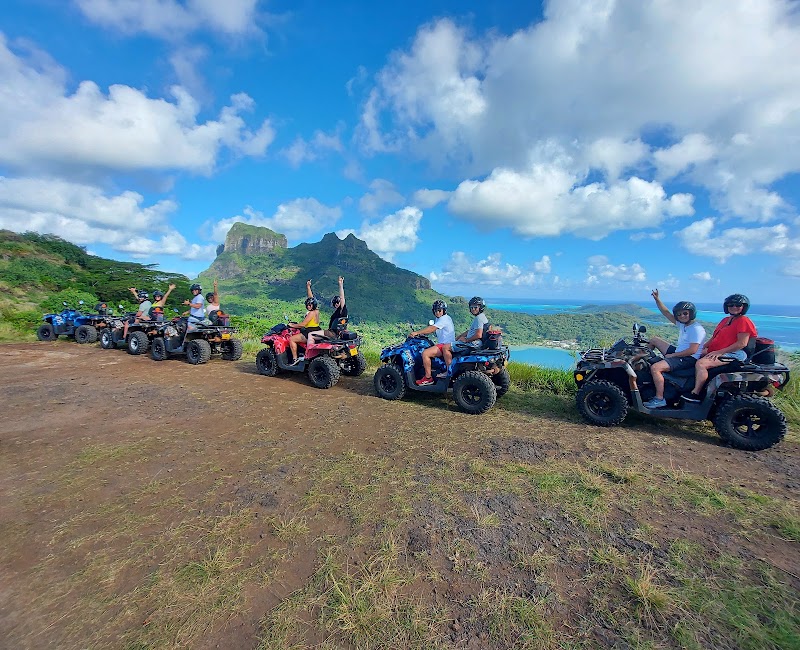
French Polynesia · Bora-Bora
Bora Bora Adventures ATV Tours: Lagoon Views by Quad
A lively island circuit combining mountain tracks, lagoon panoramas, cultural context and local fruit tasting.
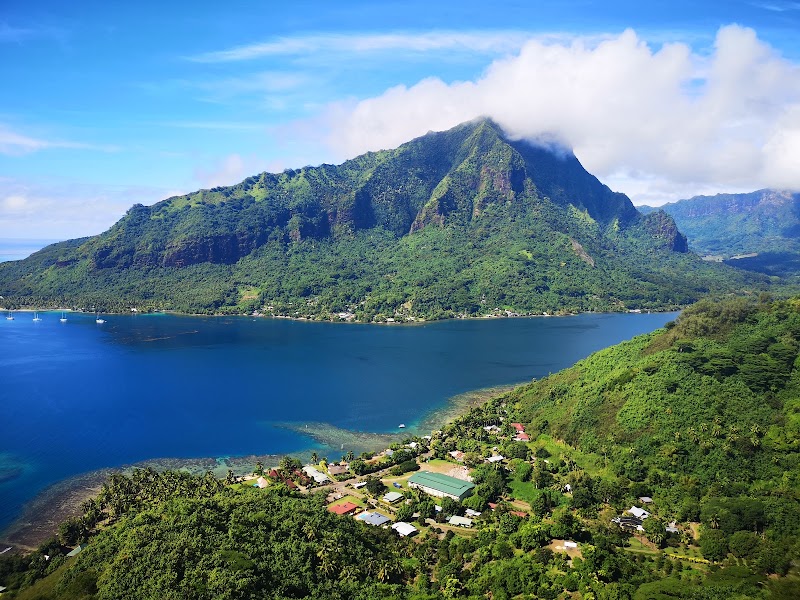
French Polynesia · Papeete
Magic Mountain Overlook: A Steep Climb to Mo'orea Views
Superb lagoon and mountain panoramas reward a demanding ascent, whether visitors hike the steep road or arrive as part of a guided tour.
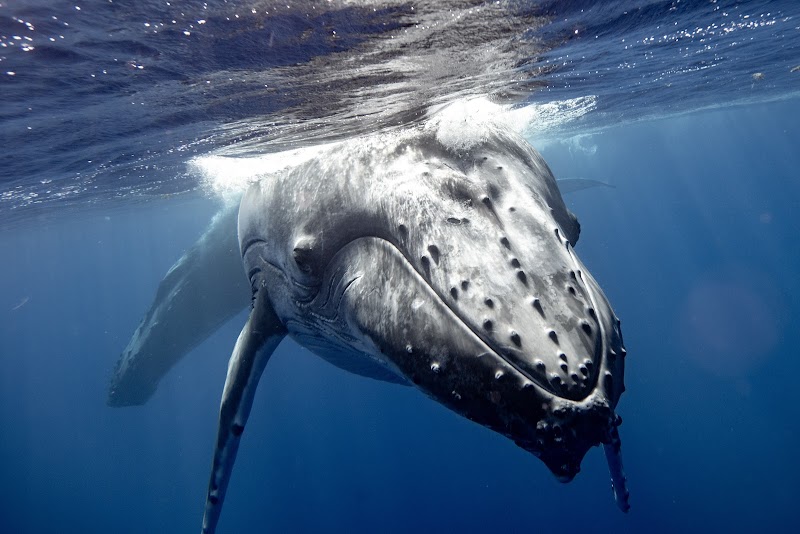
French Polynesia · Moorea
Moorea Ocean Adventures: Wildlife Encounters With Care
Private ocean tours combine knowledgeable guiding, close attention to safety and a consistently respectful approach to Moorea’s marine life.
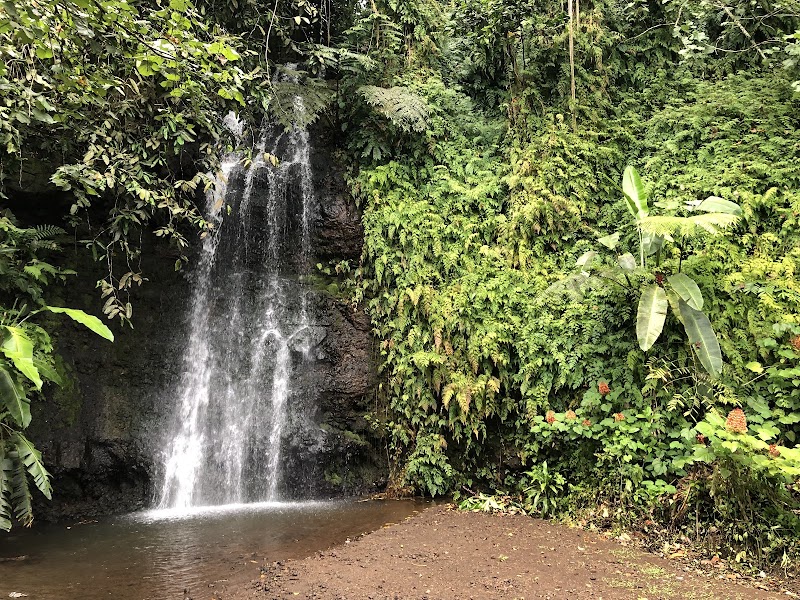
French Polynesia · Teva I Uta
Water Gardens Vaipahi: ponds, flowers and waterfall walks
A highly rated botanical stop in Teva I Uta, pairing an easy garden circuit with ponds, tropical planting and more demanding waterfall trails.