Arabian Oryx Sanctuary: A Remote Al Wusta Wildlife Trip
A peaceful but logistically demanding wildlife reserve where advance access planning and a suitable vehicle are central to the experience.

More photos
Photos published by travelers on Google, not AI generated.
What stands out
- Arabian oryx sightings
- Gazelles within the reserve
- Peaceful, remote atmosphere
- Long off-road approach through Al Wusta
Worth knowing
- Outdated Google Maps directions reported
- Advance reservation or gate access may be required
- Concerns about some animals kept in cages
Don't miss
What comes up most in public reviews
- Arabian oryx
- Gazelles
- Confirming the correct Haima-Duqm road turn-off
- Checking gate access before departure
Worth the trip?
What the reviews suggest
The Arabian Oryx Sanctuary, also referred to by reviewers as the Al Wusta oryx conservation park, holds a 4.3 Google rating from 142 reviews. Public feedback presents it as a quiet, remote wildlife experience rather than a polished, easy-access attraction. The principal draw is the opportunity to see Arabian oryx, with gazelles and other animals also mentioned.
Several visitors describe the setting as peaceful, meaningful and genuine. That sense of stillness appears to be a major part of its appeal, particularly after the long journey across central Oman. It suits travellers who value wildlife, open landscapes and a destination that feels far removed from the country’s busier tourism circuits.
Access requires preparation
Getting there is the recurring practical issue. Reviews place the sanctuary far from Muscat and describe a lengthy approach from the Haima to Duqm road. One account advises turning off roughly 62 kilometres from Haima junction, followed by about 48 kilometres on a maintained, flat track. Another describes an off-road section of around 65 kilometres. These reports are not fully consistent, so current directions should be checked before departure.
Google Maps is specifically described as outdated by one reviewer, who says it directed travellers towards an old route. A four-wheel-drive vehicle or double-cab is recommended in the feedback, even where the track is reported to be in reasonable condition. Fuel, water and other essentials should be arranged before the final approach because of the sanctuary’s isolation.
Advance reservation may also be necessary. One visitor arranged entry through a local contact, who called someone to open the gate and drive the group inside. Another mentions an entrance gate several kilometres before the park. Access procedures may therefore be more informal than visitors expect, making direct confirmation with the reserve or a knowledgeable local operator important. Reports also indicate that a vehicle entry charge may apply.
Wildlife experience and welfare concerns
Arabian oryx are the clear highlight, while gazelles receive repeated mentions. Reviews suggest that a half-day visit can provide enough time for the drive within the conservation area and wildlife viewing, although the approach makes the overall excursion considerably longer.
Not all feedback is positive. One reviewer felt the experience resembled a zoo because animals other than oryx and gazelles were kept in cages, with some enclosures described as distressingly small. That is a significant concern for travellers who are sensitive to animal-welfare standards. The available reviews do not establish whether those conditions are permanent, temporary or representative of the entire reserve, but the criticism deserves consideration.
Editorial verdict
This is best approached as a specialist wildlife outing for well-prepared road trippers, not a casual roadside stop. The peaceful atmosphere and sightings of Arabian oryx can make the journey worthwhile, but unreliable mapping, possible advance-entry requirements and conflicting impressions of animal care reduce its broad appeal. Travellers should confirm the route, gate arrangements and current visitor procedures before setting out.
Plan the rest of the trip
Ask anything
Looking for somewhere else?
Keep exploring
More from Oman
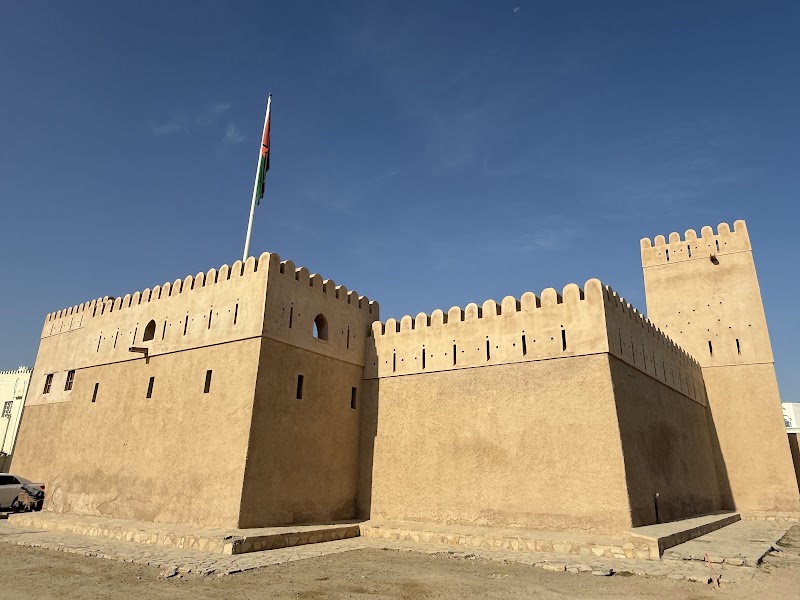
Oman · Sur
Al Ayjah Castle: A Brief Look at Sur’s Fort Architecture
This compact, renovated castle in old Sur offers accessible towers and rooms, but limited interpretation and sparse interiors.
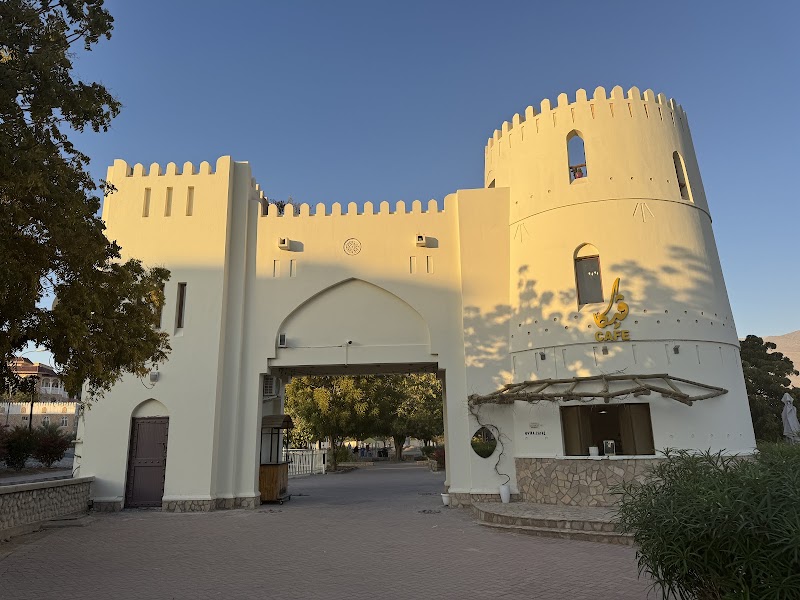
Oman · Nizwa
Falaj Daris Park: Green Space and Irrigation Heritage
This relaxed Nizwa park pairs lawns and family space with flowing water from Oman’s historic Falaj Daris irrigation system.
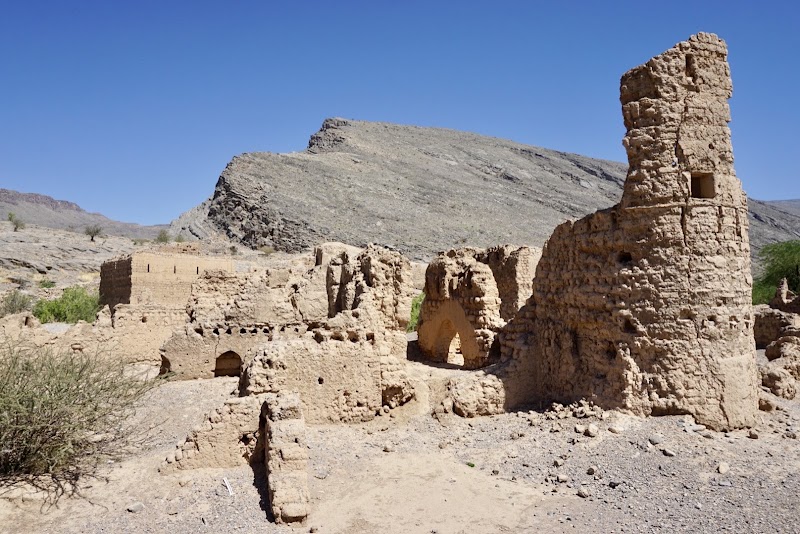
Oman · Tanuf
Tanuf Castle Ruins: A Quiet Window into Old Oman
Near Nizwa, these atmospheric ruins offer traditional architecture, uncrowded exploration and strong photography potential in a compact stop.
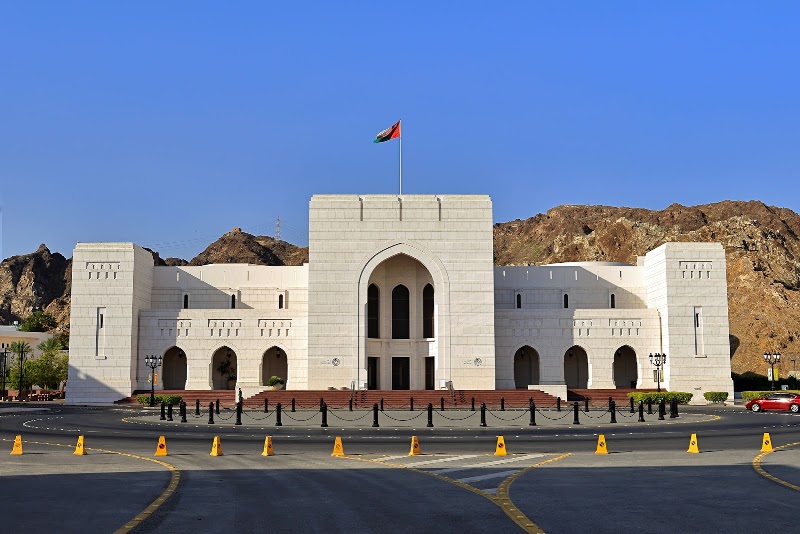
Oman · Muscat
The National Museum of Oman: A Clear Guide to the Sultanate
Muscat’s National Museum earns strong marks for thoughtful displays covering Omani history, maritime ties, faith, culture and royal heritage.