Apollonia Archaeological Park: ruins, views and quiet
Ancient ruins, a well-regarded museum and a peaceful hilltop setting make Apollonia one of Albania’s most rewarding historical stops.

More photos
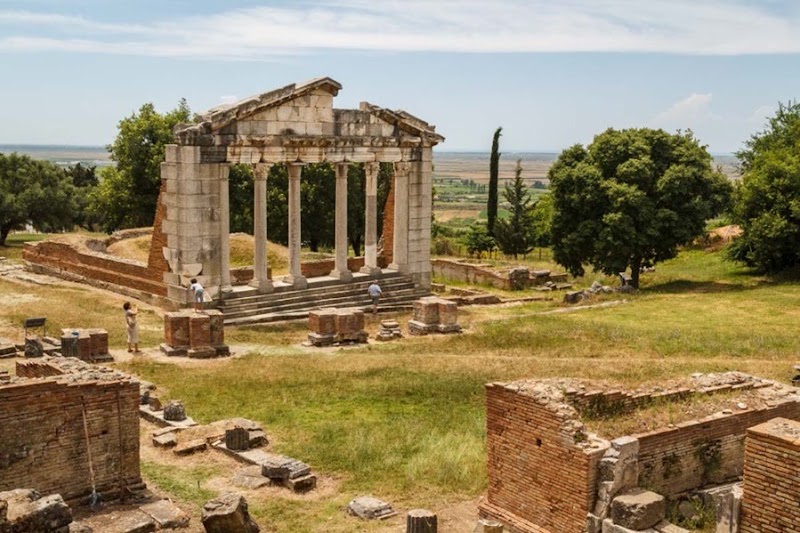

Photos published by travelers on Google, not AI generated.
What stands out
- Peaceful, spacious archaeological grounds
- Hill and countryside views
- Museum covering different historical periods
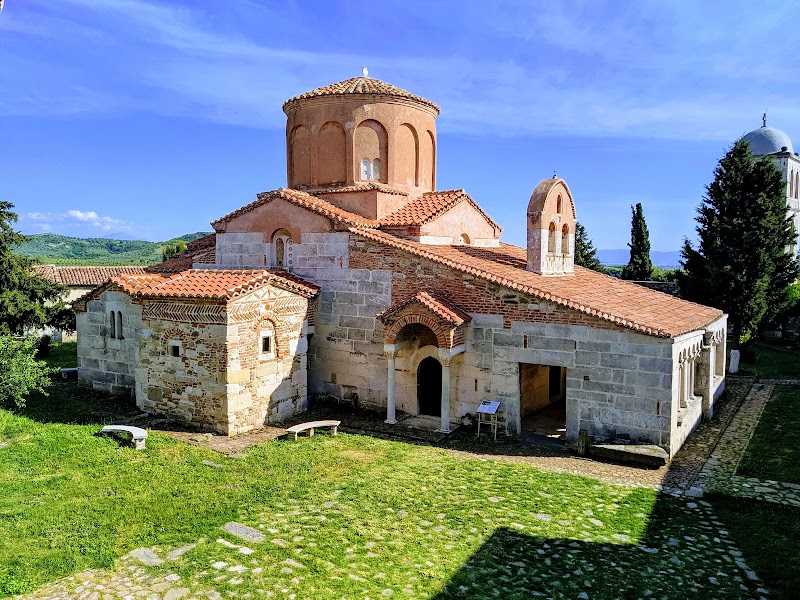
- Well-preserved church complex
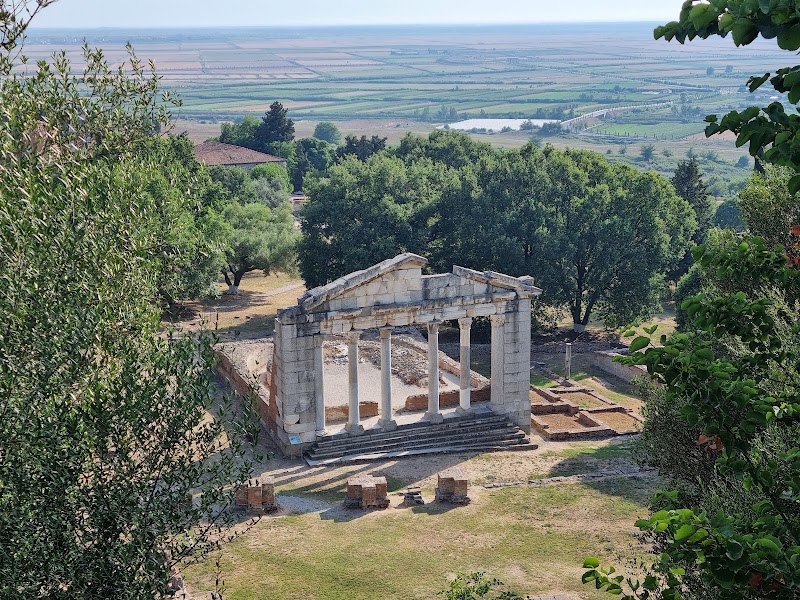
- Ruins among olive trees and nature
Worth knowing
- Limited or unclearly ordered information
- Some ruins remain difficult to identify
- Comfortable walking shoes are advisable
Don't miss
What comes up most in public reviews
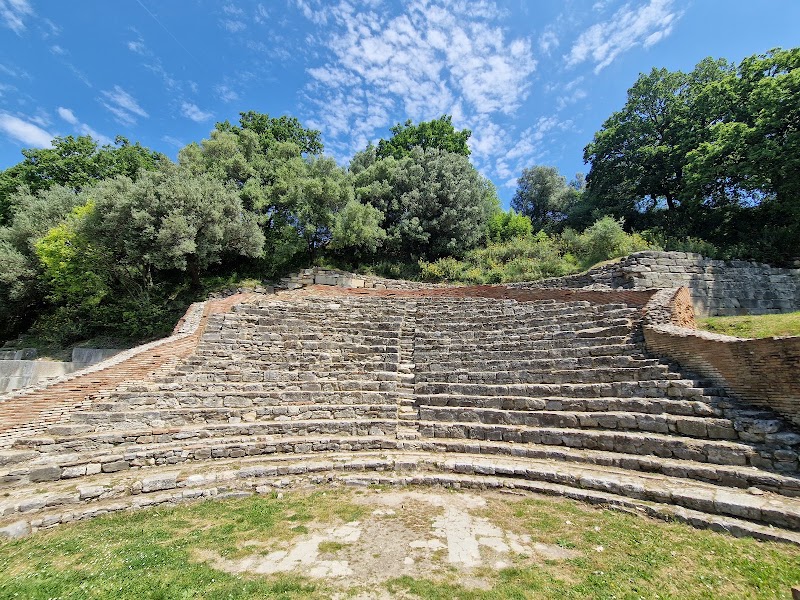
- Walk through the ancient ruins
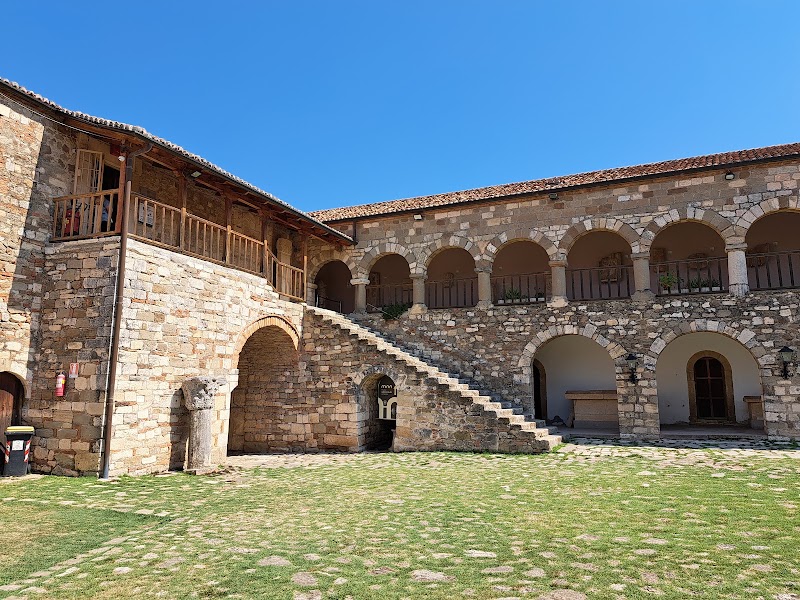
- Visit the on-site museum
- Explore the church complex
- Pause for the views across the surrounding hills
Worth the trip?
The overall experience
Apollonia Archaeological Park earns a Google rating of 4.5 from 3348 reviews, with public feedback repeatedly praising its balance of history, scenery and calm. Visitors describe a spacious site where ruins sit among hills, olive trees and open countryside. The atmosphere is frequently called peaceful, authentic and notably free from the heavy crowds or overt commercialism associated with some major landmarks.
That quiet setting is central to the appeal. Reviews mention birdsong, broad views in several directions and plenty of room to explore without feeling hemmed in by other groups. Even travellers who offer reservations about the presentation tend to regard the park as a worthwhile stop and, for some, a highlight of a wider trip through Albania.
Ruins and historical context
The surviving remains give visitors a sense of Apollonia’s former scale and its connections with Illyrian and later civilizations. Walking through the site is the main experience, rather than following a tightly choreographed visitor route. That looser arrangement suits travellers who enjoy wandering slowly and looking closely, but it may frustrate those expecting every structure to be fully excavated or clearly interpreted.
Several reviews suggest that much of the ancient city remains difficult to identify, with some visitors feeling that further excavation and clearer explanations would improve the experience. Information across the park can also seem limited or presented without an obvious sequence. A little independent reading before arrival may therefore help visitors understand what they are seeing, although the on-site museum supplies useful context.
Museum and church complex
The museum is one of the most consistently praised parts of the visit. Reviewers highlight works of art from different periods and say the collection helps place the outdoor ruins in a broader historical framework. It is especially useful for anyone who finds the archaeological remains hard to interpret on their own.
The church complex is another recurring highlight. Visitors commend its state of preservation and the details visible on both the exterior and interior. Together, the museum and church add variety to a visit that might otherwise consist mainly of open-air ruins and landscape views.
Who should go
Apollonia works best for history enthusiasts, photographers and travellers who prefer unhurried cultural sites to highly managed attractions. The grounds are extensive enough to reward a few hours, particularly when the museum, church complex and viewpoints are included. Public reviews encourage comfortable shoes and a slow pace, both sensible given the amount of walking involved.
The park’s strength is not a dense concentration of monumental remains. It is the combined effect of archaeology, nature and quiet. Visitors expecting exhaustive signage or a fully excavated ancient city may leave wanting more, but those willing to explore patiently are likely to find Apollonia an atmospheric and rewarding landmark.
Ask anything
Looking for somewhere else?
Keep exploring around Pojan
More from Albania
Albania
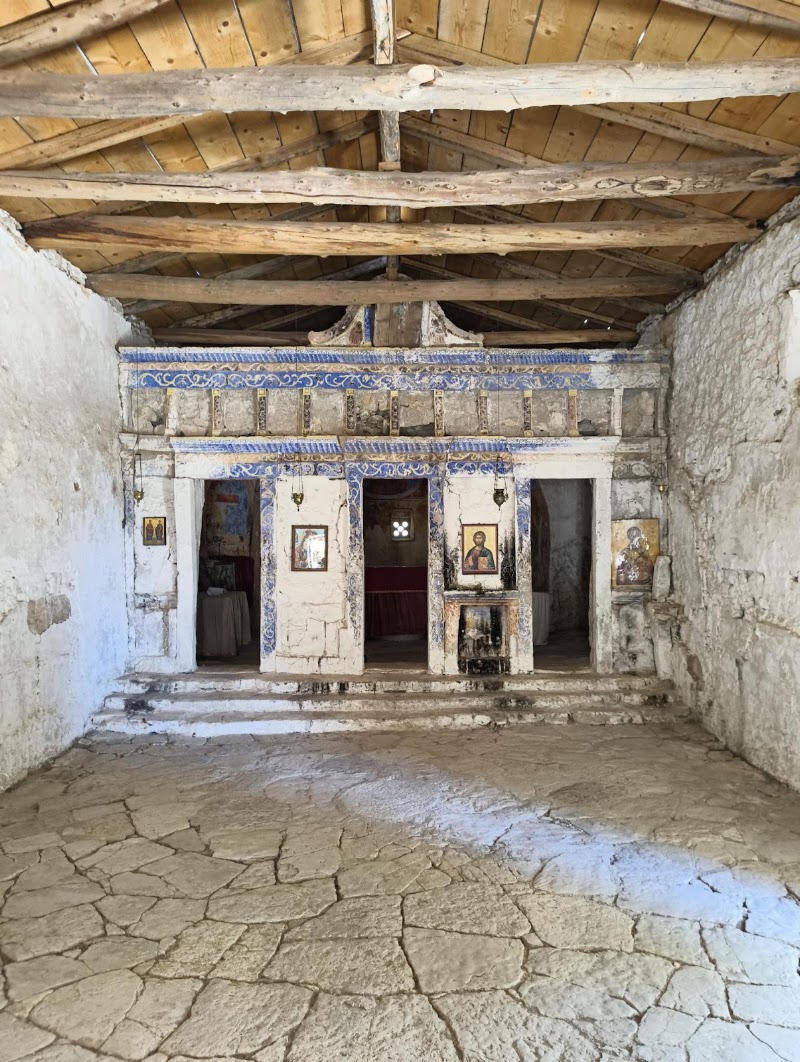
Himara Old Town: Castle Ruins and Sweeping Coastal Views
Above modern Himarë, this inhabited old village combines weathered fortifications, historic churches, mountain scenery and broad views of the coast.
Albania · Gjirokastër
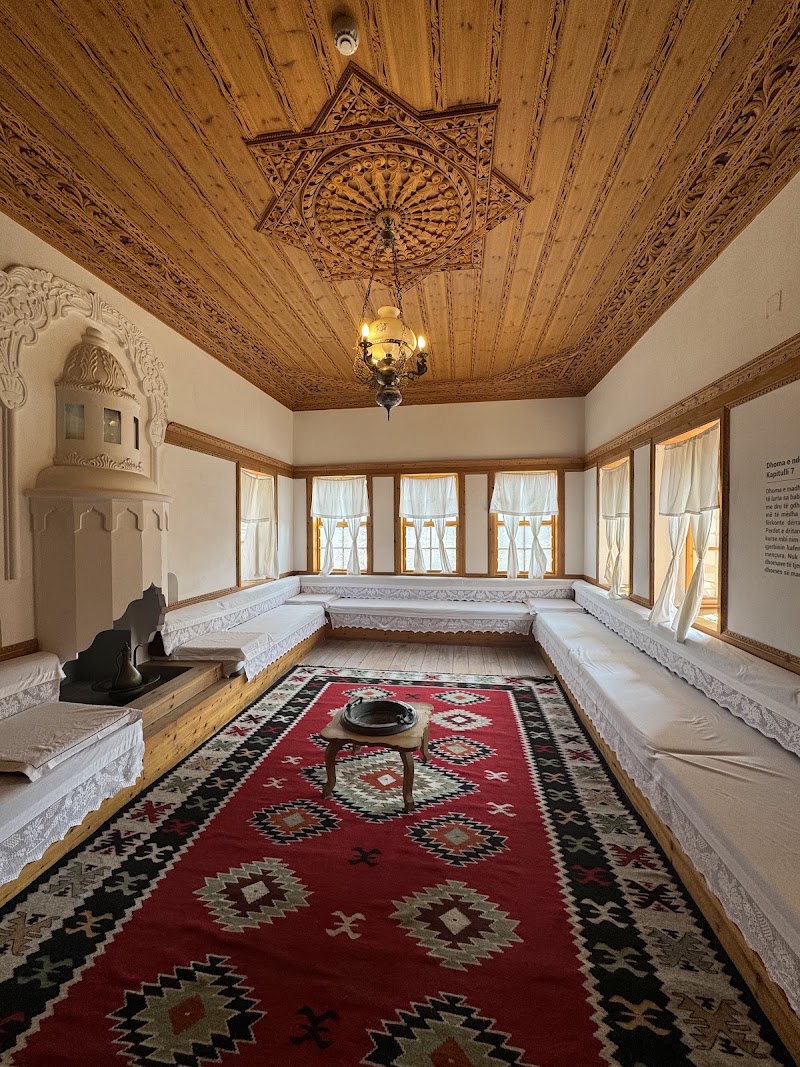
Ismail Kadare’s House: Stylish, Sparse and Divisive
This reconstructed Gjirokastër house offers a reflective introduction to Kadare’s childhood, though reviews question its depth and modern restoration.
Albania · Vlora
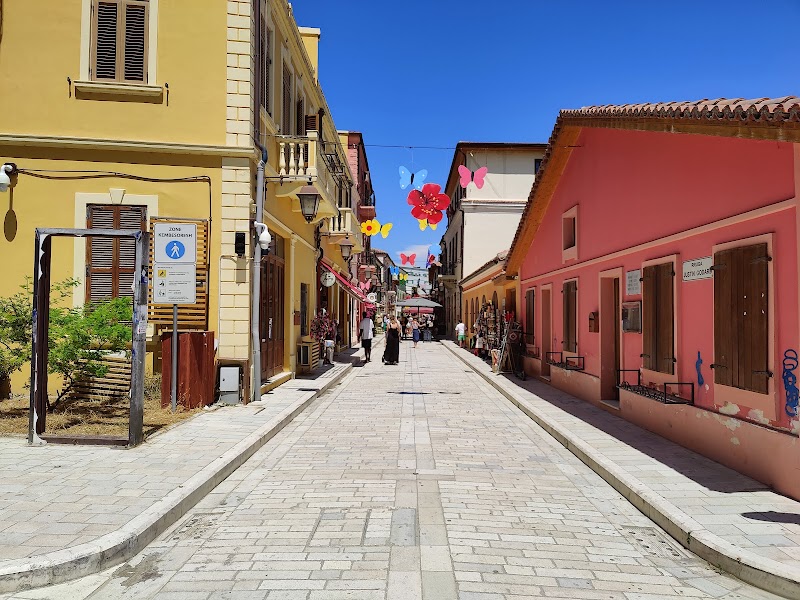
Vlora Old Town: A Compact Quarter for a Leisurely Stroll
Restored façades, pedestrian lanes, cafés and nearby monuments make this small historic quarter a pleasant, if brief, Vlora stop.
Albania · Qarrishtë
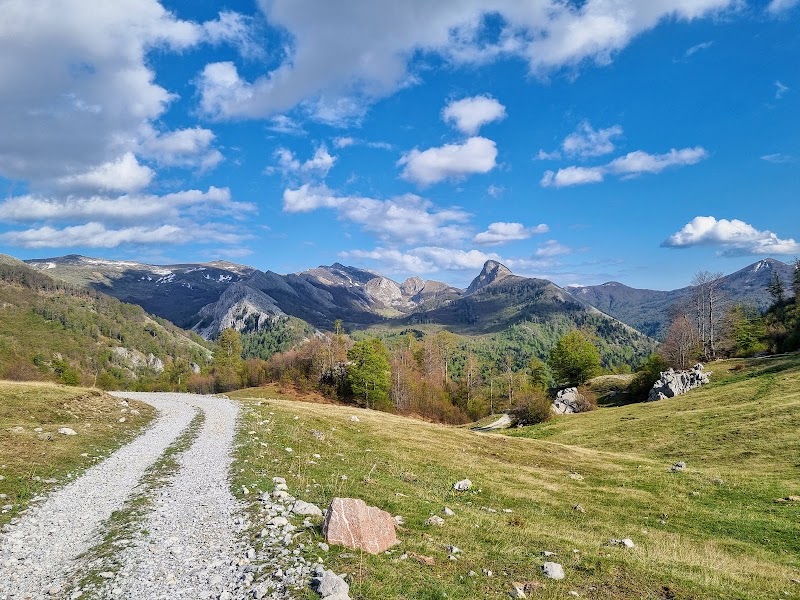
Shebenik National Park: Wild Landscapes Near Librazhd
Public reviews praise this southeastern Albanian park for its mountain scenery, biodiversity, picnic areas and untamed character.