Anthony’s Shaft: Inside Idrija’s Mercury Mining Past
A guided underground route brings Idrija’s 500-year mercury-mining story to life through tunnels, expert interpretation and a Baroque chapel.
More photos

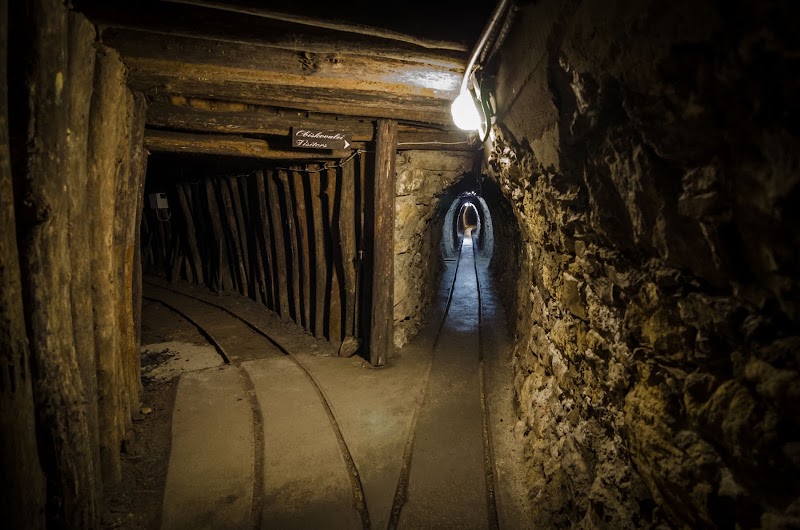
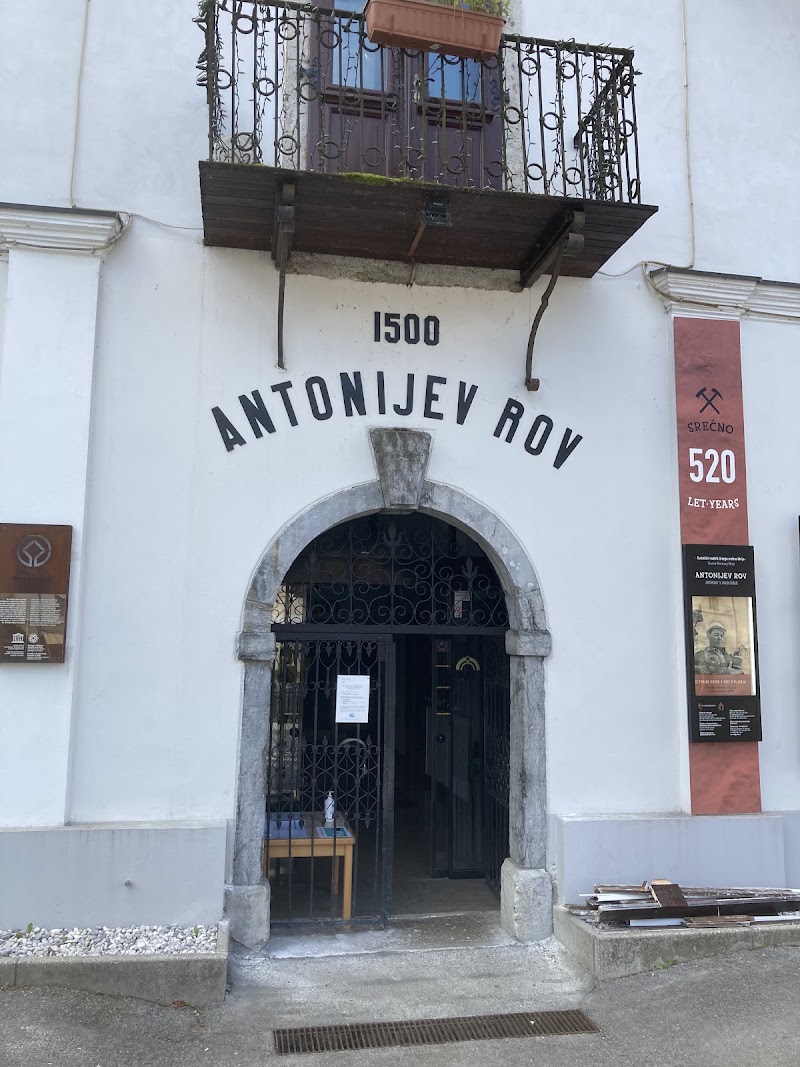
Photos published by travelers on Google, not AI generated.
What stands out
- Guided walk through the former mercury mine
- Knowledgeable explanations of mining systems
- Introductory film about Idrija and the mine
- White Baroque Chapel of the Holy Trinity
- 500 years of mercury-mining history
Worth knowing
- Guided tours may run longer than 90 minutes
- Some sections are wet and slightly steep
- Parts of the tour can feel rushed
Don't miss
What comes up most in public reviews
- Watch the introductory film about Idrija
- See the Chapel of the Holy Trinity
- Ask about ventilation and mine maintenance
- Pair the mine with the Smelting Plant
Worth the trip?
What the visit covers
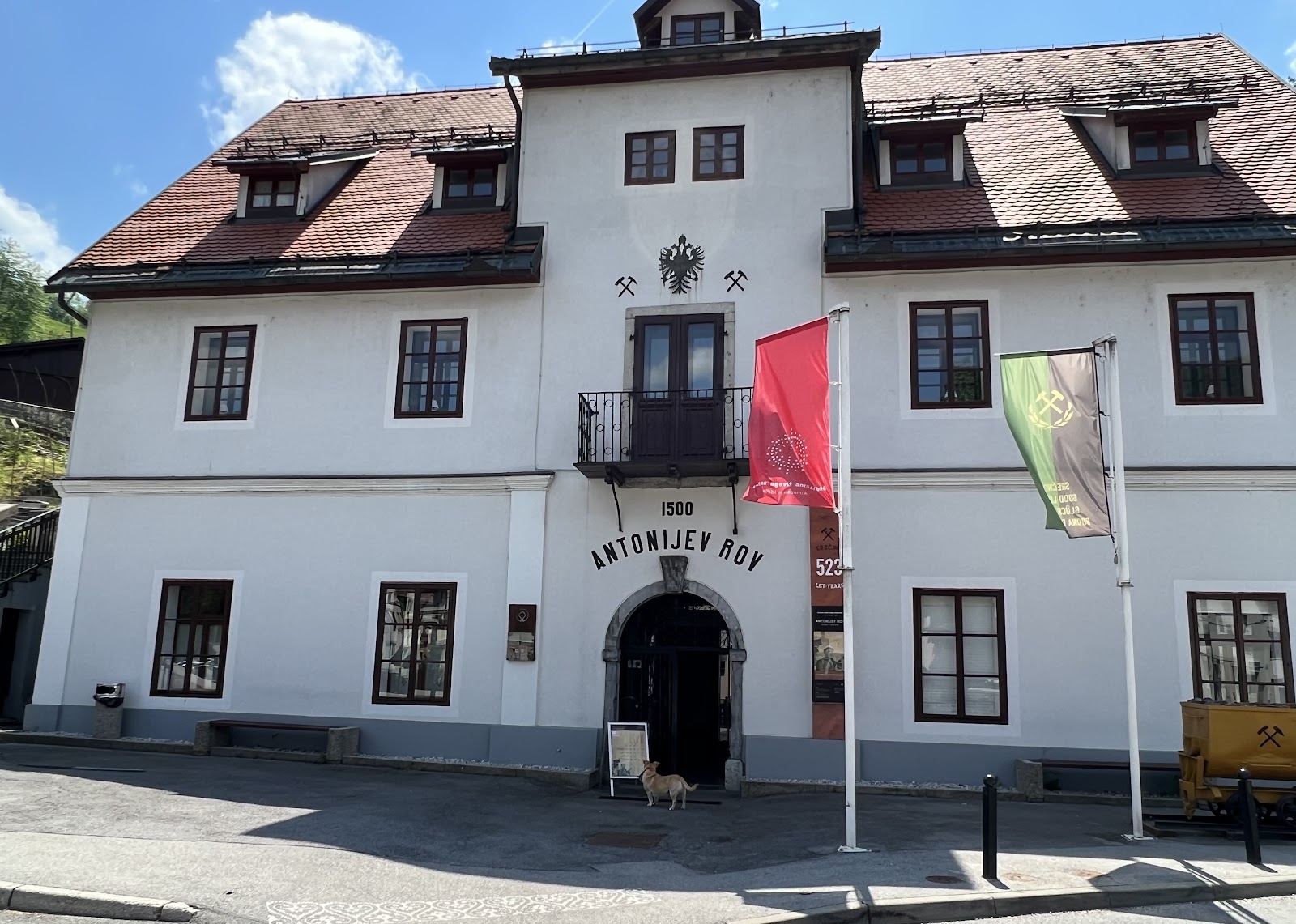
Anthony’s Shaft Mining Museum offers an underground account of the mercury industry that shaped Idrija for roughly 500 years. This assessment is synthesized from its 4.8 Google rating from 1252 reviews and the recurring themes in public visitor feedback.
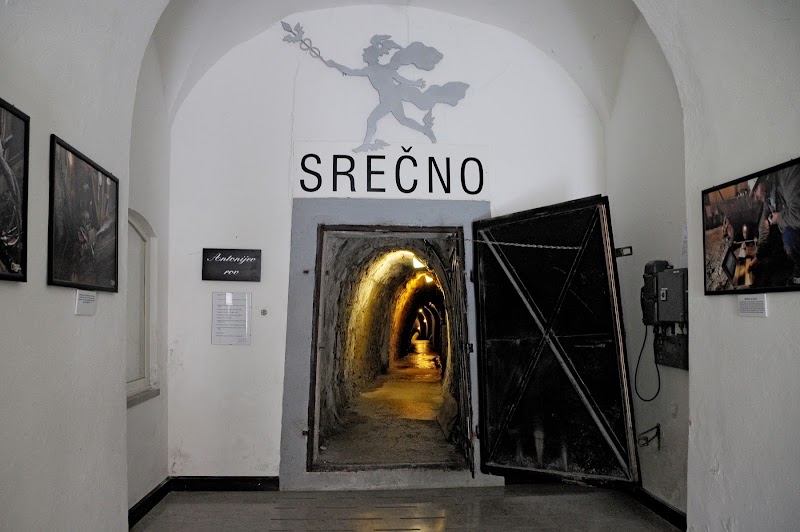
The experience is available only as a guided tour. Reviews describe an introductory film of about 20 minutes covering the mine and Idrija, followed by a clothing change and the underground walk. Although the tour is sometimes presented as lasting around 90 minutes, at least one group reported spending closer to two hours on the full experience. That extra time did not appear to lessen its appeal, with visitors often saying that the storytelling kept the tour moving.
Underground experience
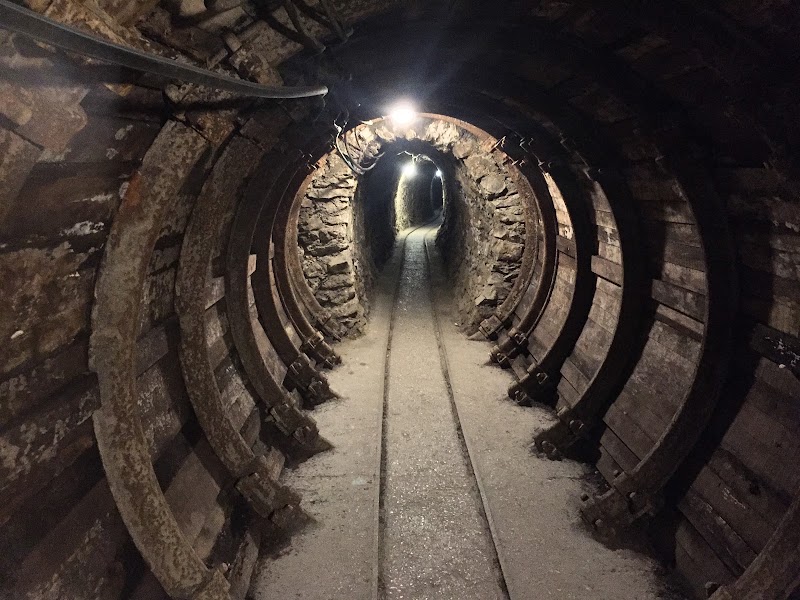
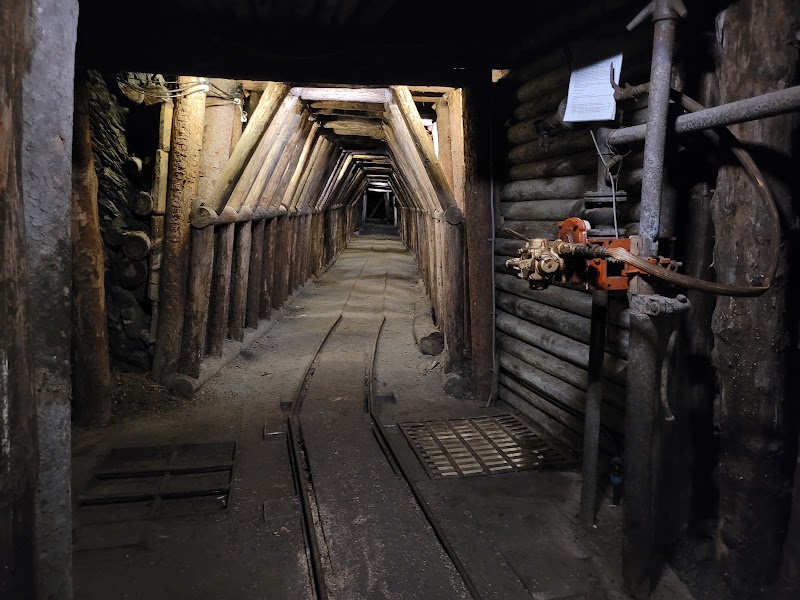
The strongest pattern in reviews is that the mine feels markedly different from a conventional museum. Rather than viewing mining history entirely through cases and panels, visitors walk through part of the former mercury mine and encounter its infrastructure at close range. Reviewers mention learning about ventilation, mine maintenance and the practical realities of working below ground.
Guides receive frequent praise for their knowledge and ability to explain technical material clearly. Several reviewers found the visit engaging even without a prior interest in mining. One account did note that the guide moved through some parts rather quickly, so visitors with detailed questions may want to raise them when opportunities arise.
A particularly memorable feature is the white Baroque Chapel of the Holy Trinity inside the mine. It adds a human and spiritual dimension to the industrial story, while the tunnels themselves communicate the scale and longevity of mercury extraction in Idrija.
Conditions and suitability
The route is generally described as well maintained, but it is still a former mine. Some sections can be wet, and parts of the track are slightly steep. Sensible footwear should therefore be treated as important. One family reported that a four-year-old enjoyed the experience, though that single account should not be taken as a guarantee for every young child. The enclosed setting, tour length and uneven conditions remain worth considering.
Timekeeping also varies. Travellers fitting the mine into a tightly scheduled day should allow more than the nominal 90 minutes, particularly once the film and clothing change are included.
Pairing it with the Smelting Plant
Public reviews repeatedly suggest combining Anthony’s Shaft with the Smelting Plant on the opposite side of Idrija. A practical format is to tour one site, pause for food, and visit the other later. Together, they provide a broader view of mercury production, from extraction underground to processing above ground.
That combination can fill much of a day and is particularly useful when outdoor plans are disrupted by poor weather. For visitors choosing only one site, Anthony’s Shaft stands out for the physical experience of entering the mine, the guide-led interpretation and the unusual chapel below ground.
Ask anything
Looking for somewhere else?
Keep exploring around Idrija
More from Slovenia
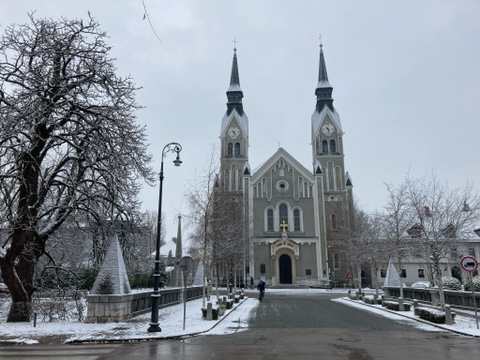
Slovenia · Ljubljana
Plečnik’s Trnovo Bridge: Architecture on the Gradaščica
This tree-planted crossing extends Trnovo Church’s square across the river, combining everyday infrastructure with Plečnik’s distinctive civic design.
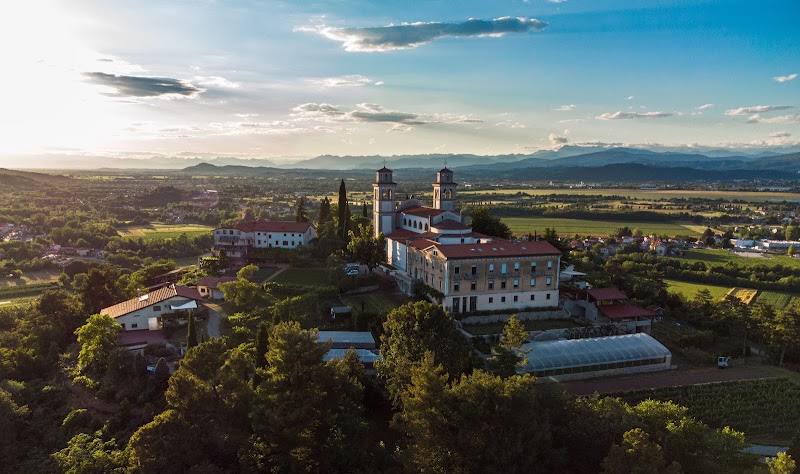
Slovenia · Miren
Miren Castle: A Peaceful Church and Valley Viewpoint
Public reviews frame Miren Castle as a tranquil church site valued more for its natural setting and broad views than for castle architecture.
Slovenia · Velike Lašče
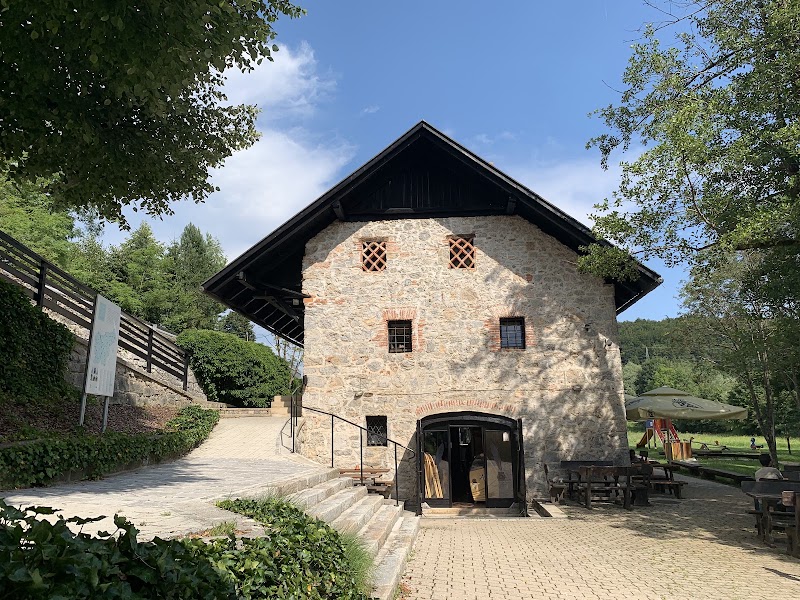
Trubar: Slovenian history beside a working mill
This small museum and riverside homestead combines the story of Primož Trubar with shaded grounds, a cafe-bar and an educational trail.
Slovenia · Šmarješke Toplice
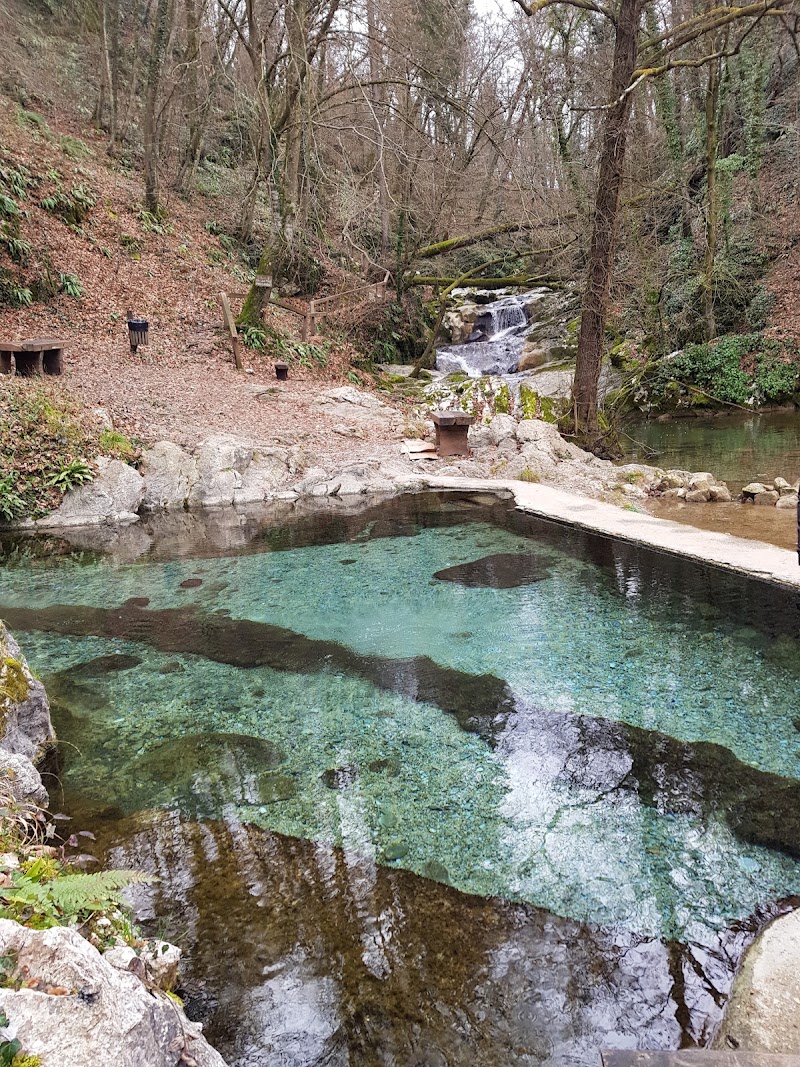
Klevevž Castle: nature and bathing, not castle ruins
Public reviews favor Klevevž for its scenery and natural bathing pool, while warning that little remains of the castle itself.