Annaberg Sugar Plantation: Ruins, Views and Hard History
Well-preserved ruins, sweeping island scenery and thoughtful displays make this a rewarding, sobering stop while exploring St. John.
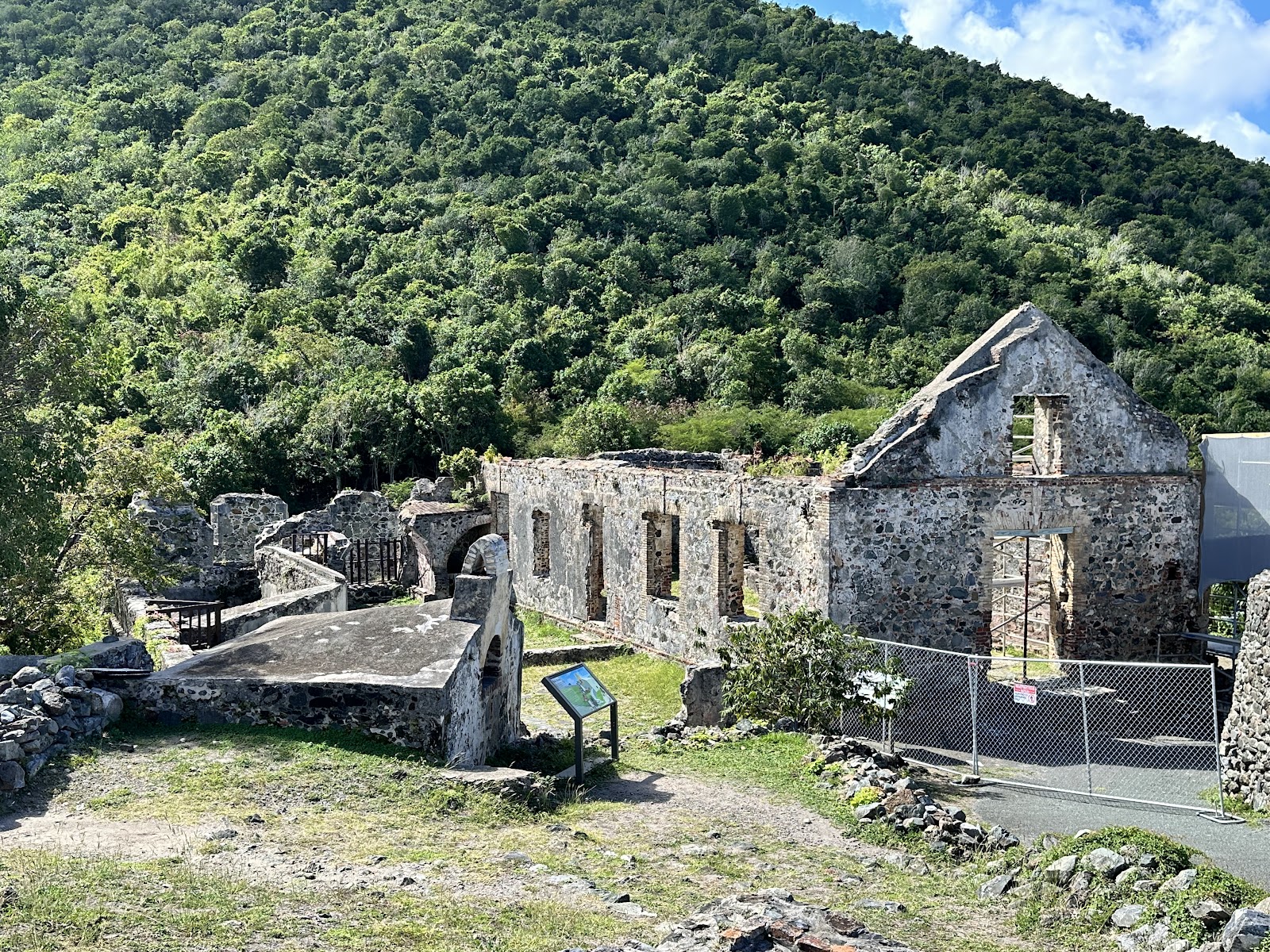
More photos
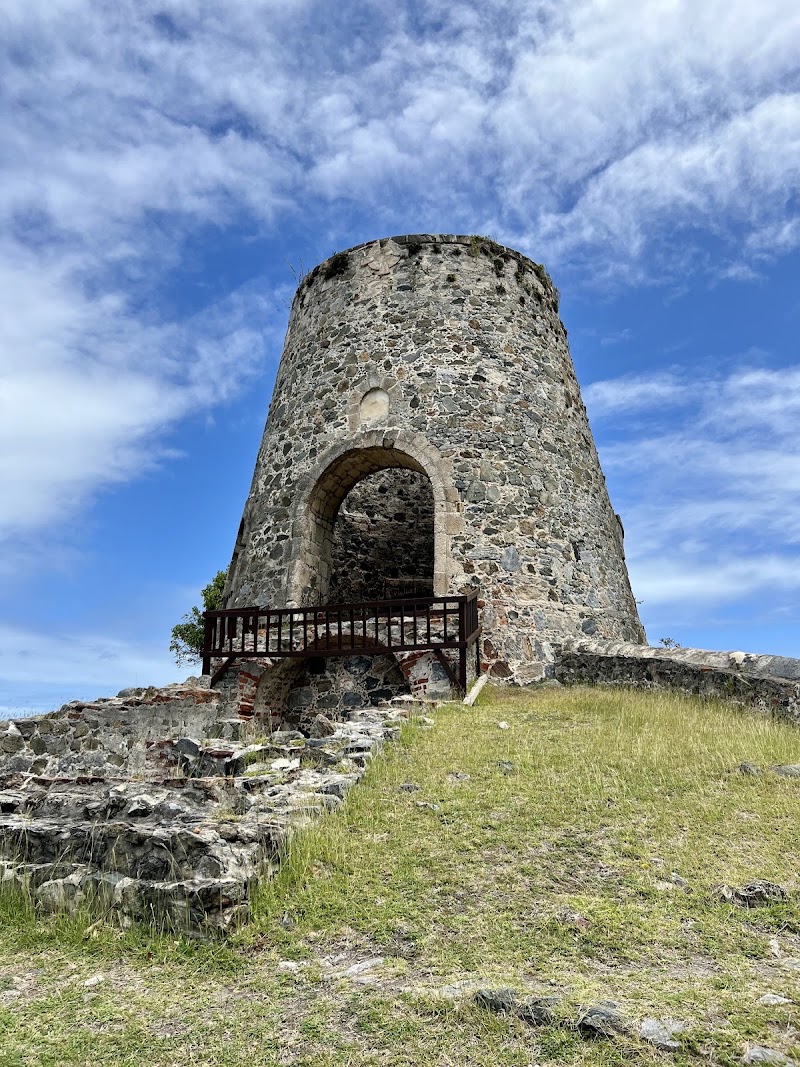
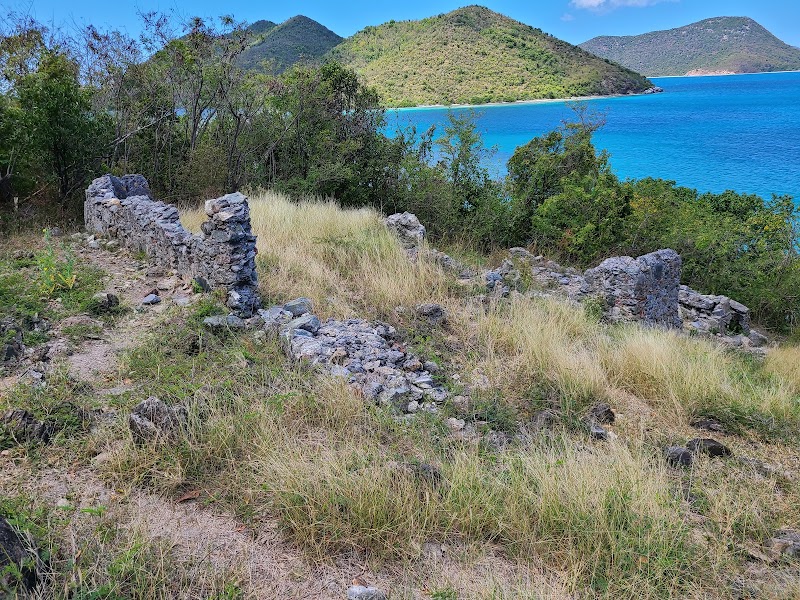
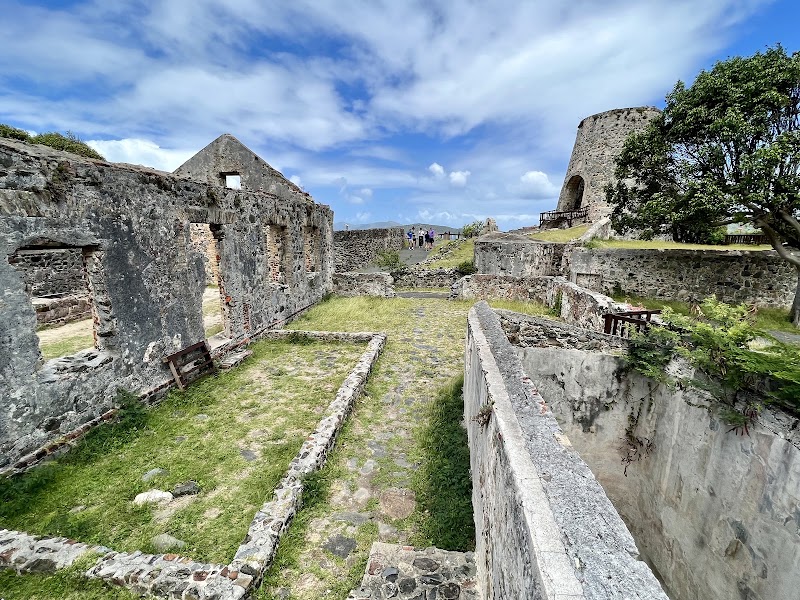
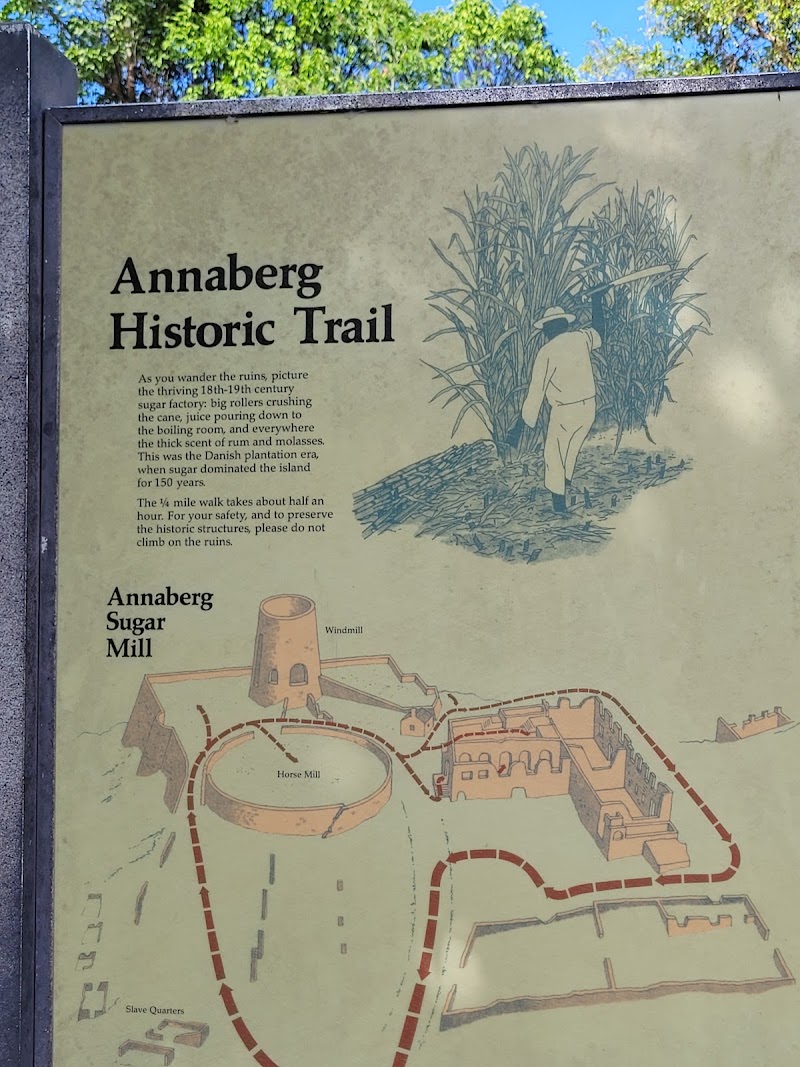
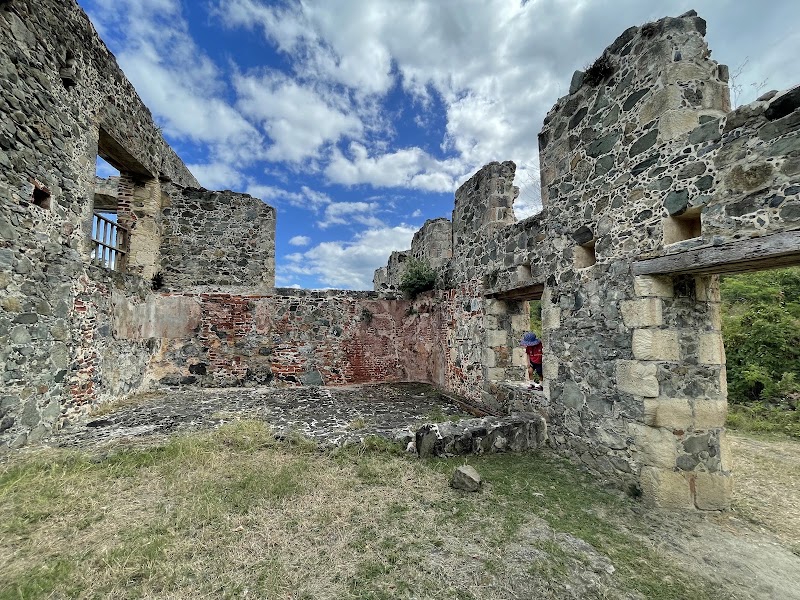

Photos published by travelers on Google, not AI generated.
What stands out
- Well-preserved plantation ruins
- Sweeping views from the upper site
- Displays explaining St. John history
- A compact stop on an island tour
Worth knowing
- Numerous stairs and an uphill walk
- Parking can fill at busy times
- The history of slavery is distressing
Don't miss
What comes up most in public reviews
- Walk among the plantation ruins
- Read the historical displays
- Pause for the views from the upper site
Worth the trip?
Why visit
Annaberg Sugar Plantation holds a 4.7 Google rating from 597 reviews, with travellers repeatedly praising the combination of preserved ruins, wide views and accessible historical interpretation. Many describe it as one of the more interesting stops on St. John rather than simply a scenic roadside attraction.
The setting makes an immediate impression. Reviews frequently mention expansive views from the upper part of the site, where the landscape opens around the plantation remains. The ruins themselves are often described as being in better condition than visitors expected, giving the grounds a strong visual presence and making the workings of the former plantation easier to imagine.
Engaging with the past
This is not a place where the scenery should overshadow the history. Public reviews consistently frame Annaberg as a site for learning about St. John’s past, while some respond more directly to the brutality of slavery and the human suffering behind sugar production. That tension is central to the visit: the remains are striking, but the story they represent is painful.
Displays around the grounds help visitors understand what they are seeing. Reviewers value having context rather than walking among unidentified structures, and several leave with a deeper appreciation of the island’s history. The strongest accounts recommend approaching the site thoughtfully and allowing time to consider the lives of the enslaved people forced to work in dangerous and cruel conditions.
What the visit is like
Annaberg works well as a relatively short stop during a wider day of exploring. One reviewer spent about 45 minutes at the site, while others characterize it as easy to include in an island itinerary. Visitors can walk among the ruins, pause at the displays and take in the scenery without committing half a day.
The route is short but not entirely effortless. Reviews repeatedly mention stairs, along with an uphill walk from the parking area to the main ruins. A walkway through the trees includes flat sections and resting spots, but travellers with limited mobility should not assume the site is level. Comfortable footwear and a measured pace are sensible.
Practical verdict
Parking experiences vary. Some visitors find plenty of space, particularly later in the day, while others report that the lot fills. Cars appear to come and go regularly, so a full lot may require patience rather than a complete change of plans.
Based on public ratings and review patterns, Annaberg Sugar Plantation is most rewarding for travellers interested in history, ruins and landscape. Its visual appeal is considerable, but the site’s value rests equally on confronting the difficult history behind it. The stairs and incline require some effort, yet most reviewers regard the stop as manageable and worthwhile.
Ask anything
Looking for somewhere else?
Keep exploring
More from US Virgin Islands
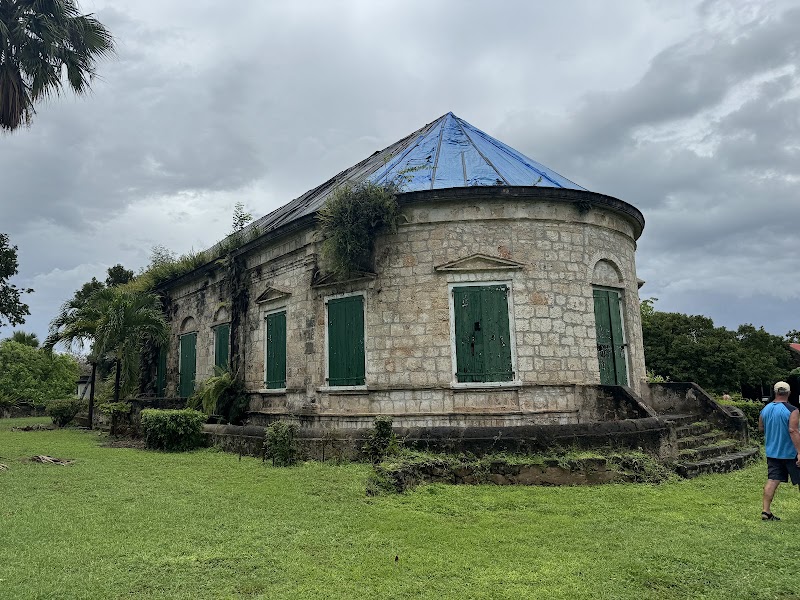
US Virgin Islands · Frederiksted
Estate Whim Sugar Mill: History Amid an Uncertain Recovery
Public reviews praise the historic architecture and peaceful grounds but warn of storm damage, missing signs and inconsistent museum access.
US Virgin Islands
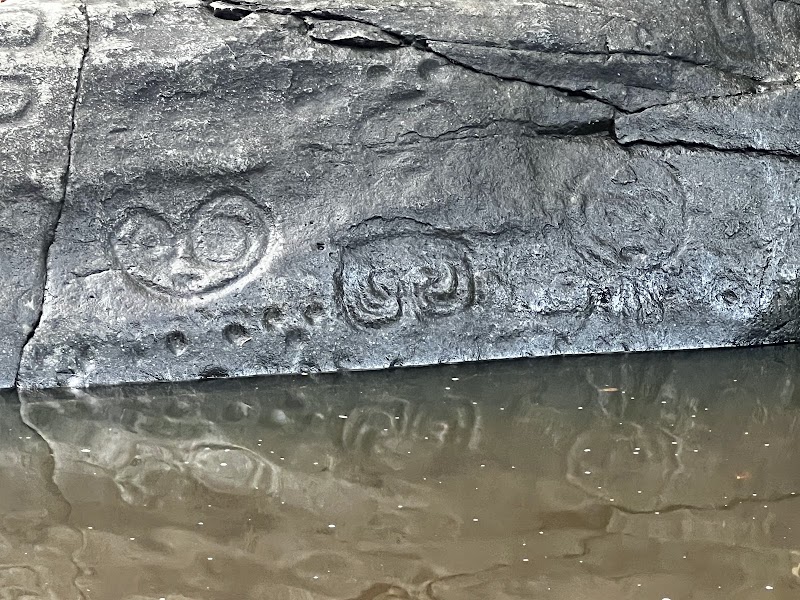
Reef Bay Petroglyphs: A Rewarding Forest Hike
Ancient rock carvings, shaded forest and abundant wildlife reward hikers prepared for a demanding return climb.
US Virgin Islands
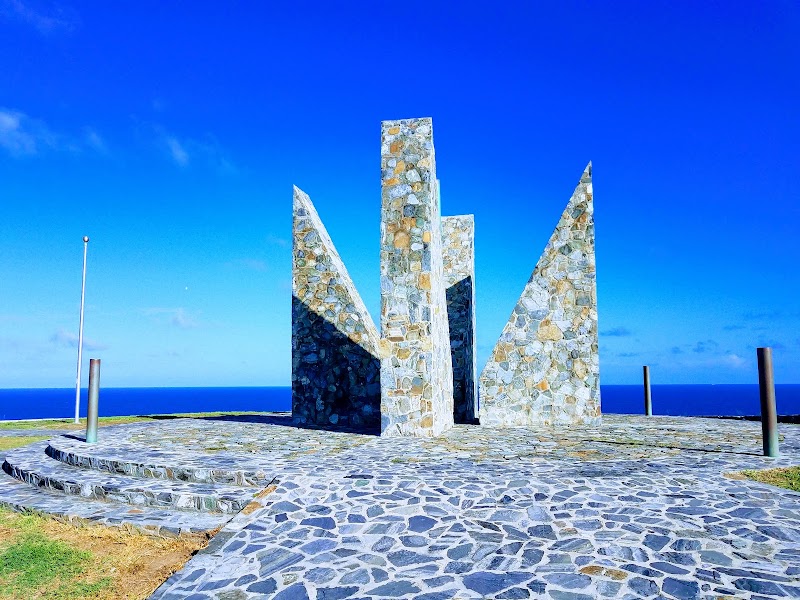
Point Udall: Sunrise Views and Coastal Trails on St. Croix
St. Croix’s eastern landmark pairs memorable sunrise views with monument history, rugged overlooks and hikes toward Isaac and Jack’s Bay.
US Virgin Islands · Frederiksted
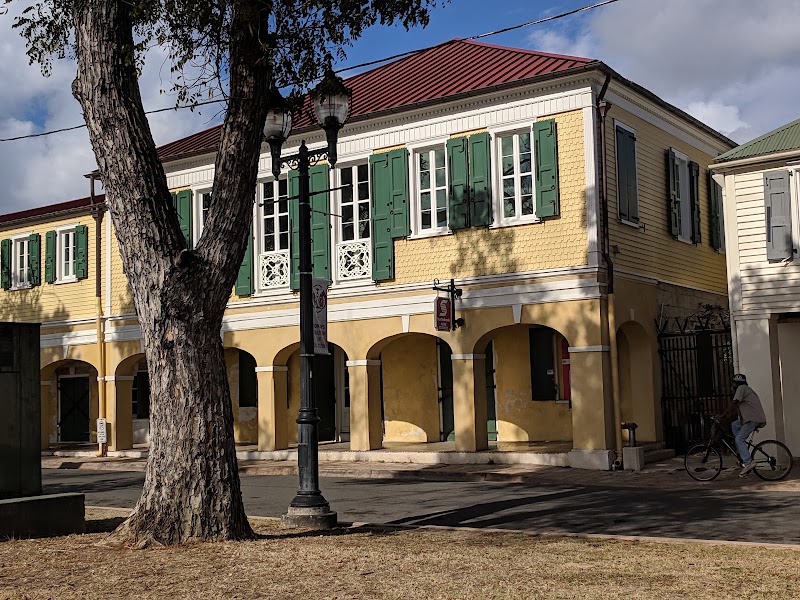
Frederiksted Historic District: History, Food and Sunsets
Frederiksted pairs Caribbean-European streetscapes and a compact historic core with nearby beaches, local food and memorable west-facing sunsets.