Anini Mara'e: Huahine history beside a wild shoreline
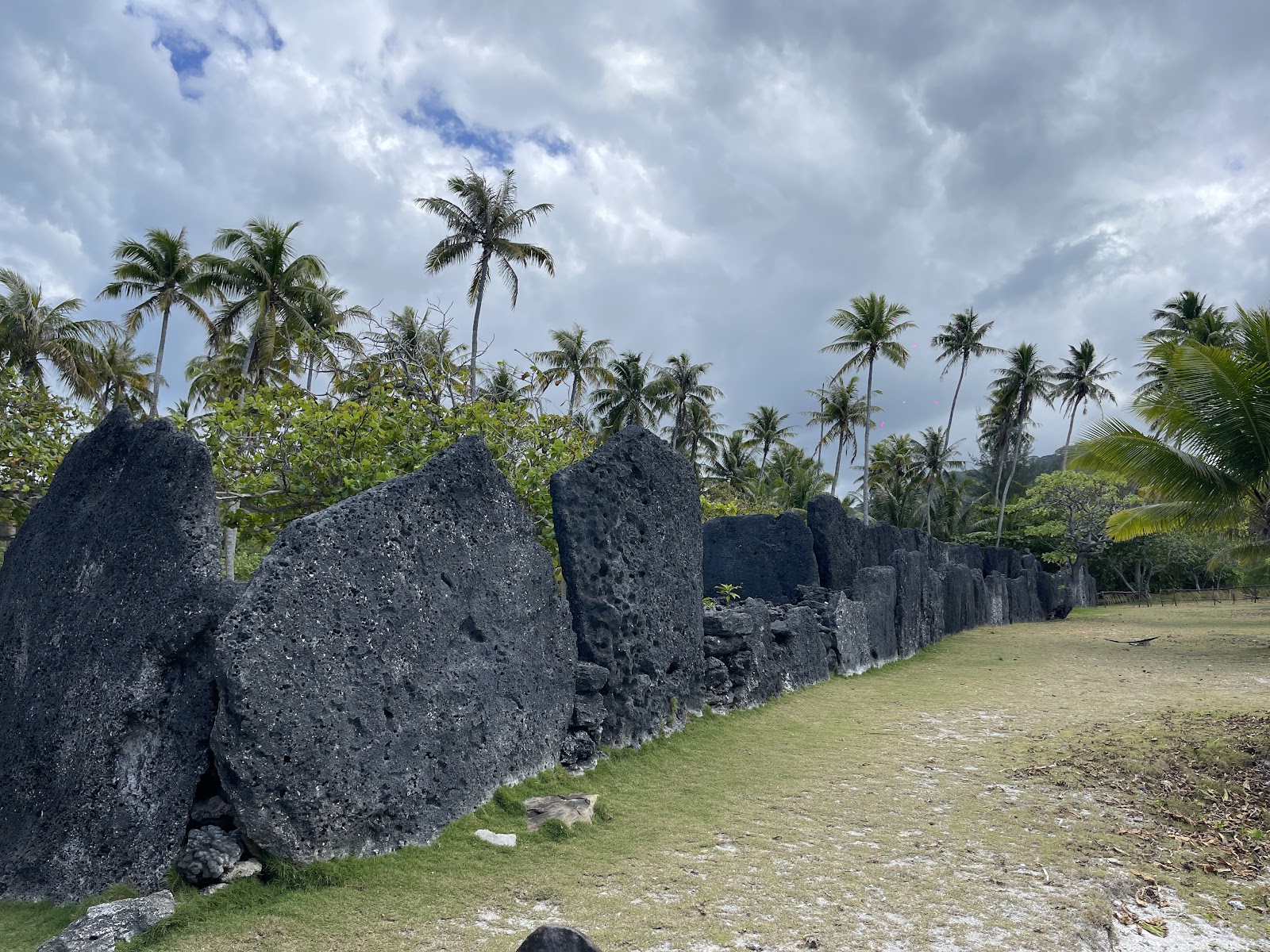
Anini Mara'e pairs a substantial stone landmark with sea views and a pretty beach, though limited on-site interpretation leaves questions unanswered.
More photos
Photos published by travelers on Google, not AI generated.
What stands out
- Sea-edge setting
- Raised rectangular stone structure
- Expansive coastal views
- Pretty nearby beach
Worth knowing
- Limited historical information on site
- Rough beach conditions
- Risk of falling coconuts
Don't miss
What comes up most in public reviews
- The large stone slabs
- Views across the sea
- The nearby beach
Worth the trip?
What public reviews reveal
Anini Mara'e earns a Google rating of 4.5 from 96 reviews, with travellers repeatedly praising its coastal setting, views and cultural interest. The landmark stands near the sea, where a large raised rectangular structure built from substantial stone slabs forms the visual focus. Reviewers describe the place as beautiful and historically compelling, even when they leave without fully understanding its original purpose.
That gap between atmosphere and explanation shapes the experience. Anini Mara'e appears to reward travellers already interested in Huahine’s past, but the site does not seem to provide enough interpretation for a self-contained history lesson. Public feedback repeatedly notes the lack of information at the landmark. Some reviewers recommend researching it online to gain context before or after the visit.
The landmark and its setting
The stone structure is the main reason to stop. Its scale, rectangular form and heavy slabs give visitors something tangible to examine, while the open coastal position adds a strong sense of place. Reviews do not provide a detailed account of the site’s historical function, so travellers should be cautious about drawing conclusions from appearance alone.
One reviewer encountered numerous woven baskets containing food offerings and understood the site to be actively used in some way. That observation suggests visitors may occasionally find signs of contemporary cultural practice, although public reviews do not establish how often this occurs or explain its meaning. Any offerings present deserve respectful distance and should be left undisturbed.
The shoreline contributes nearly as much to the appeal as the landmark. Travellers mention expansive views and a nearby beach that is pretty but rough. This is not presented in the reviews as a calm swimming stop. Its attraction lies more in the scenery, coastal atmosphere and the contrast between the sea and the solid stone platform.
Planning a short visit
Anini Mara'e works best as a focused stop rather than a fully interpreted attraction. The landmark, beach and views can be appreciated together, but travellers seeking detailed historical explanation may need to prepare independently. Looking up background information in advance would make the stone remains easier to place in context and reduce reliance on signage at the site.
A public review reports free parking and free access to the adjacent beach. Conditions can still require care. The beach is described as rough, and falling coconuts are a specific concern beneath nearby palms. Travellers should consider where they stand and where a rental car is parked rather than treating shaded areas as automatically safe.
Editorial verdict
Synthesizing the public feedback, Anini Mara'e is most convincing as a combination of cultural landmark and coastal viewpoint. The impressive stonework, sea-edge location and attractive beach make it a worthwhile stop for history-minded travellers exploring Huahine. Its principal weakness is not the setting or the structure, but the limited information available on site.
Travellers who arrive with some background knowledge are likely to get more from the visit. Those expecting museum-style interpretation may find it underexplained. Even so, the strong public rating reflects a place whose scenery and physical presence communicate plenty, particularly when approached with curiosity and respect.
Plan the rest of the trip
Ask anything
Looking for somewhere else?
Keep exploring around Huahine
More from French Polynesia
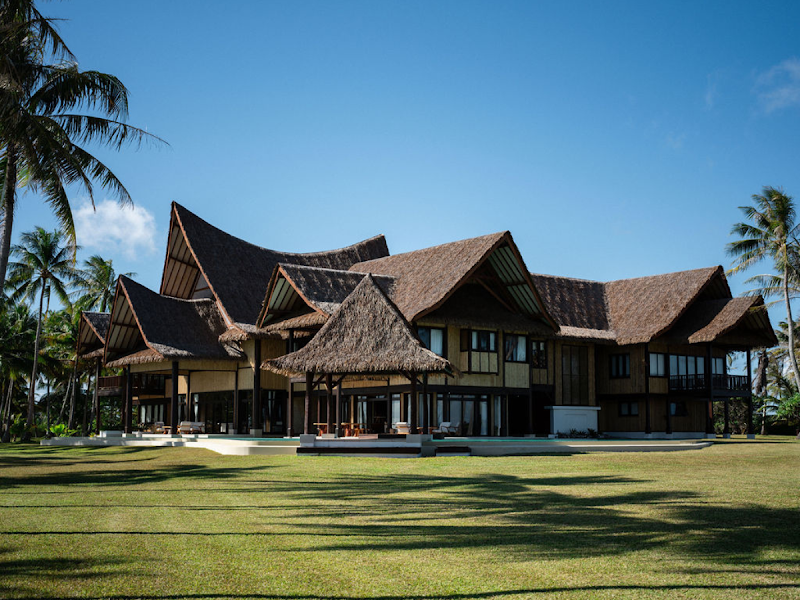
French Polynesia · Tahaa
Vahine Private Island: Quiet Motu Living in Tahaa
Public reviews present Vahine Private Island as a secluded, service-focused escape, with a serious recent warning about cancelled reservations.

French Polynesia · Haapiti
Moorea Beach Villas: Lagoon Access and Easy Island Living
Clean villas, direct lagoon access, complimentary kayaks and warm service make this a strong choice for couples and relaxed Moorea stays.

French Polynesia · Punaauia
Tahiti Lagoon Resort: Strong Views, Uneven Service
A lagoon-front stay in Punaauia with appealing over-water rooms, a popular pool and service that reviewers find inconsistent.
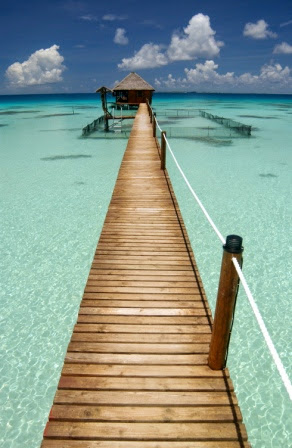
French Polynesia · Fakarava
Havaiki Lodge: Beachfront Calm on Fakarava
Public reviews point to a relaxed waterfront lodge with strong food, memorable views and some cabins that need maintenance.