Angkor Wat rewards time, early starts and close attention
Vast scale, intricate carvings and centuries of history make Angkor Wat the essential centrepiece of a wider Siem Reap temple visit.
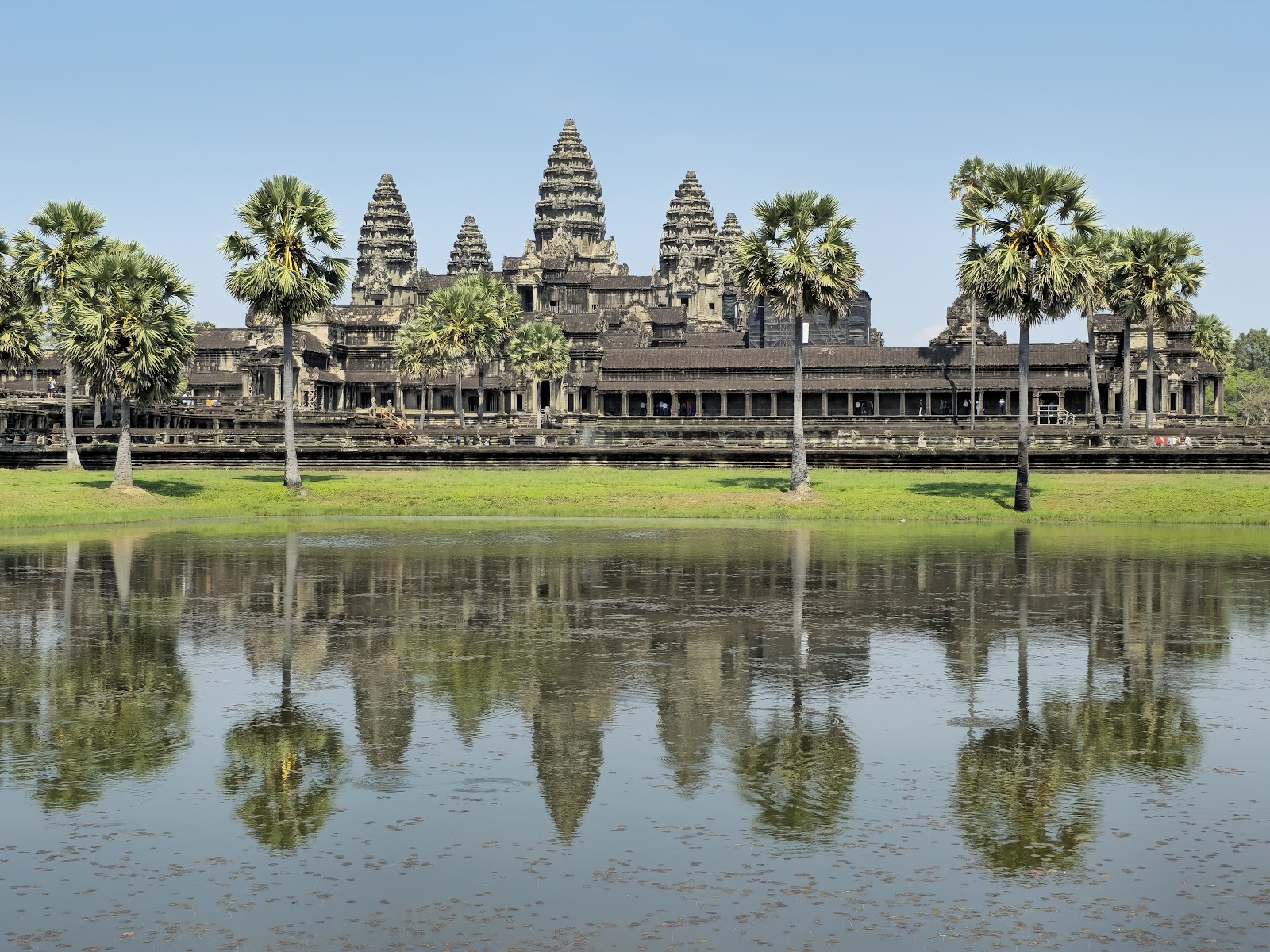
More photos
Photos published by travelers on Google, not AI generated.
What stands out
- Monumental scale and distinctive towers
- Intricate stone carvings
- 12th-century architecture
- Peaceful early atmosphere
- Extensive wider temple complex
Worth knowing
- Extensive walking
- Heat later in the day
- Cloudy sunrise conditions are possible
Don't miss
What comes up most in public reviews
- Inspect the detailed stone carvings
- Walk through the temple’s different sections
- Study the towers and historic architecture
- Arrive early to reduce heat exposure
- Allow extra days for the wider Angkor temples
Worth the trip?
Why public feedback is so strong
Angkor Wat holds a Google rating of 4.8 from 43526 reviews, and the supplied feedback is strikingly consistent. Travellers repeatedly describe the temple as a highlight of their trip, praising its immense scale, detailed stonework and distinctive towers. Several note that the architecture is more impressive in person than photographs suggest.
The sense of history is just as important as the visual impact. Reviewers identify Angkor Wat as a 12th-century religious monument and value the opportunity to move through a place shaped by both Hindu and Buddhist traditions. The listing location should be corrected, however: Angkor Wat stands near Siem Reap in Cambodia, not Thailand.
What the visit feels like
This is not an attraction that reveals itself from a single viewpoint. Public reviews emphasise walking through different sections, studying carvings and taking in changing perspectives on the towers and surrounding structures. The experience combines monumental architecture with smaller details that reward close inspection.
Visitors also mention a peaceful atmosphere, particularly earlier in the day. Even those arriving around 9 a.m. found the complex breathtaking, suggesting that sunrise is not essential to appreciating it. The strongest pattern is one of discovery: each area offers another façade, passage or carved surface to examine.
Comfort depends partly on timing. One early visitor encountered cloudy conditions at sunrise but still appreciated avoiding the worst of the heat. Extensive walking is unavoidable, so an early start has practical value even when the sky does not deliver dramatic colour.
How much time to allow
Angkor Wat can occupy several hours by itself, particularly for travellers interested in architecture and carvings. The wider Angkor area requires considerably more time. One reviewer used a three-day ticket and spent two days visiting ten temples, while also suggesting that a longer pass would suit anyone hoping to explore more thoroughly.
Transport between temples matters because the distances and cumulative walking can become tiring. A reviewer found a two-wheeler convenient for moving around the broader complex. Regardless of transport choice, the feedback suggests avoiding an overpacked schedule. Angkor Wat benefits from a slower pace, while the surrounding temples turn the visit into a multi-day archaeological itinerary.
Editorial verdict
Synthesised public feedback presents Angkor Wat as an exceptional historic site rather than a quick photo stop. Its scale makes the first impression, but the carvings, architecture and layered religious history sustain a longer visit. Crowds are not directly addressed in the supplied reviews, though early arrival is repeatedly useful for cooler walking conditions.
Cloud can undermine sunrise expectations, but not the temple itself. Travellers who allow time to explore beyond the main exterior view are most likely to understand why Angkor Wat receives such emphatic praise.
Plan the rest of the trip
Ask anything
Looking for somewhere else?
Keep exploring around Krong Siem Reap
More from Thailand
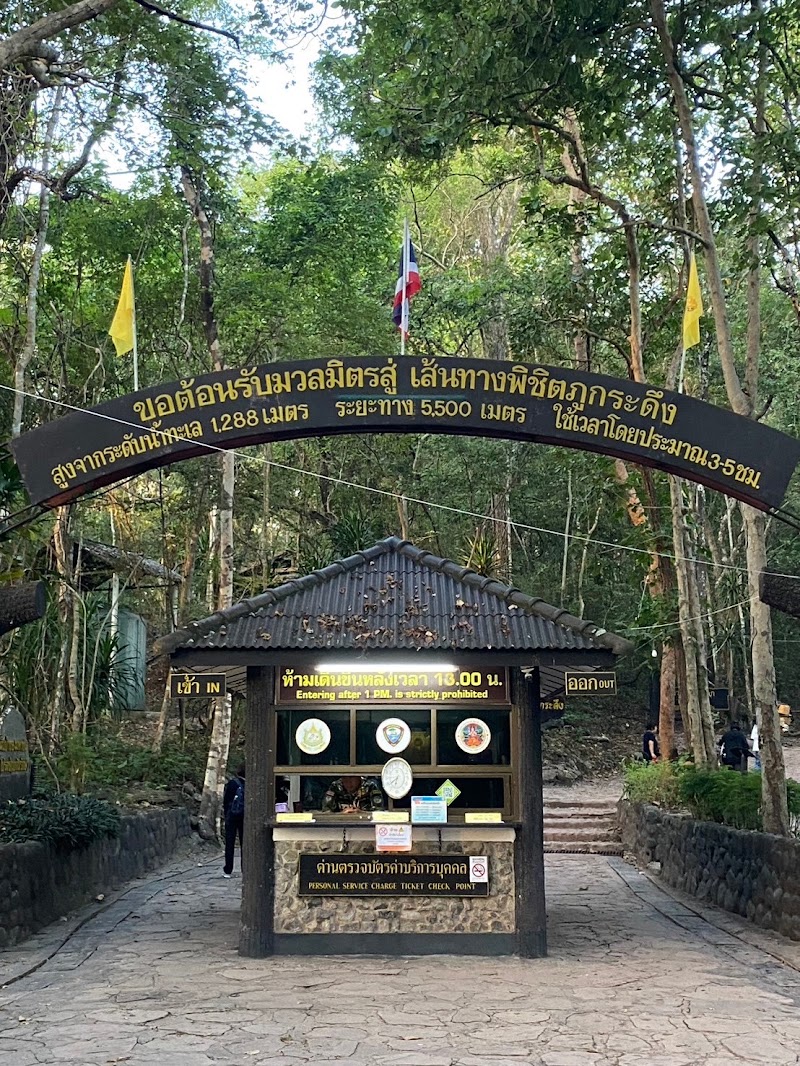
Thailand · Si Than
Phu Kradueng: A Demanding Trek with Big Mountain Rewards
Public reviews describe Phu Kradueng as a challenging but manageable trek, with pine forests, waterfalls, viewpoints and organised camping on the plateau.
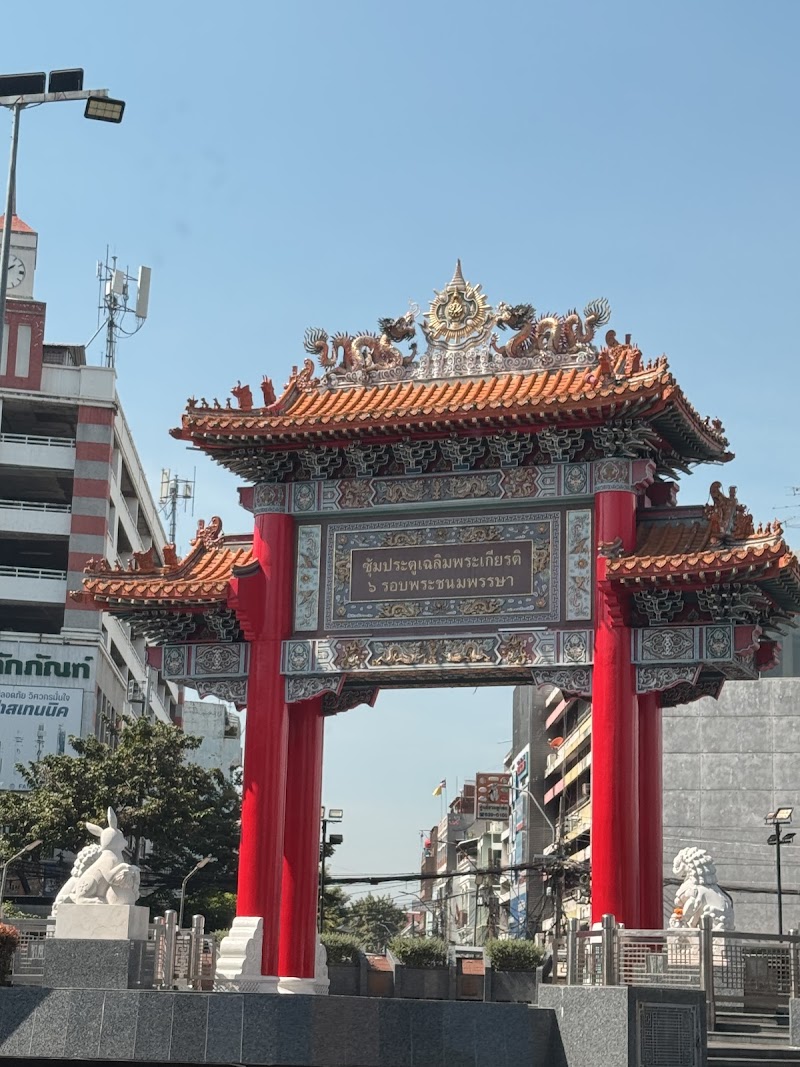
Thailand · Khwaeng Talat Noi
Talat Noi, Bangkok’s Open-Air Street-Art Neighbourhood
Talat Noi rewards slow wandering through mural-lined alleys, old buildings and riverside streets with a more residential feel than Bangkok’s busiest tourist areas.
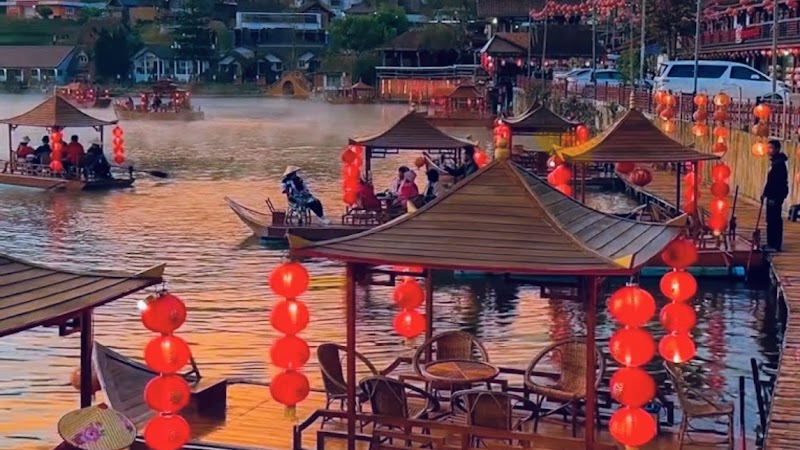
Thailand · Tambon Mok Cham Pae
Ban Rak Thai Boat Trip: Quiet Lake Views in Northern Thailand
A traditional boat ride offers a calm way to see Ban Rak Thai’s lake, tea-covered hills and Yunnanese character from the water.
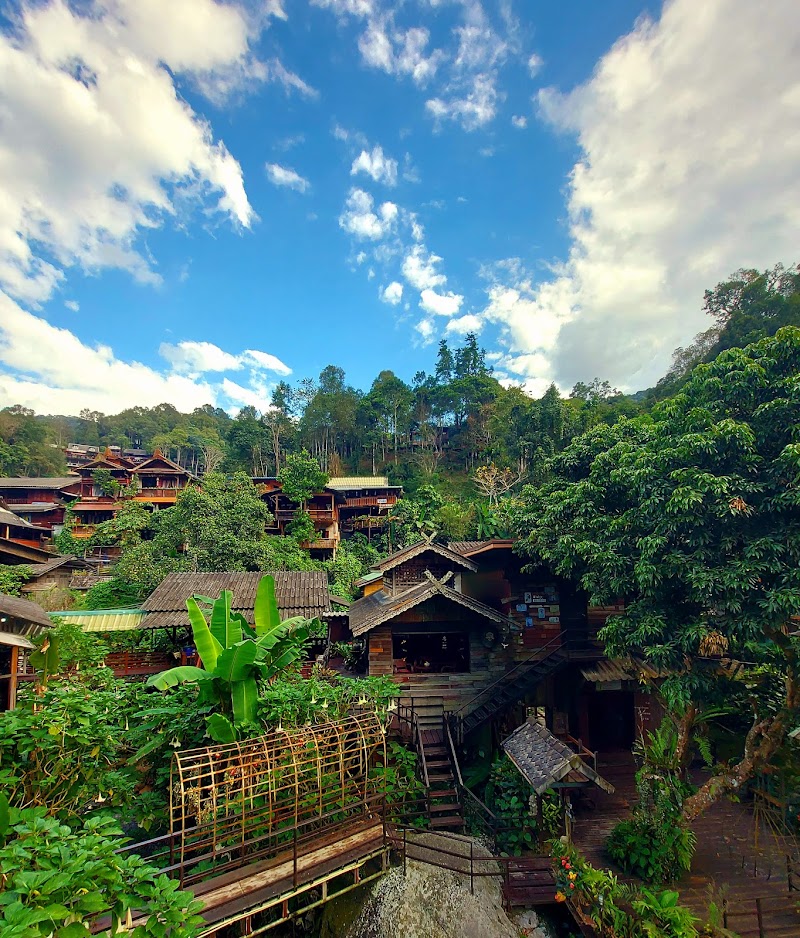
Thailand · Huai Kaeo
Mae Kampong Village: Mountain Air and Wooden Houses
Public reviews describe Mae Kampong as a peaceful mountain village with streams, cafés, greenery and a memorable road in from Chiang Mai.