Andersonville National Historic Site: A Moving Visit
Strong reviews praise Andersonville’s museum, driving route and audio tour while emphasizing the emotional weight of the prison site and cemetery.
More photos


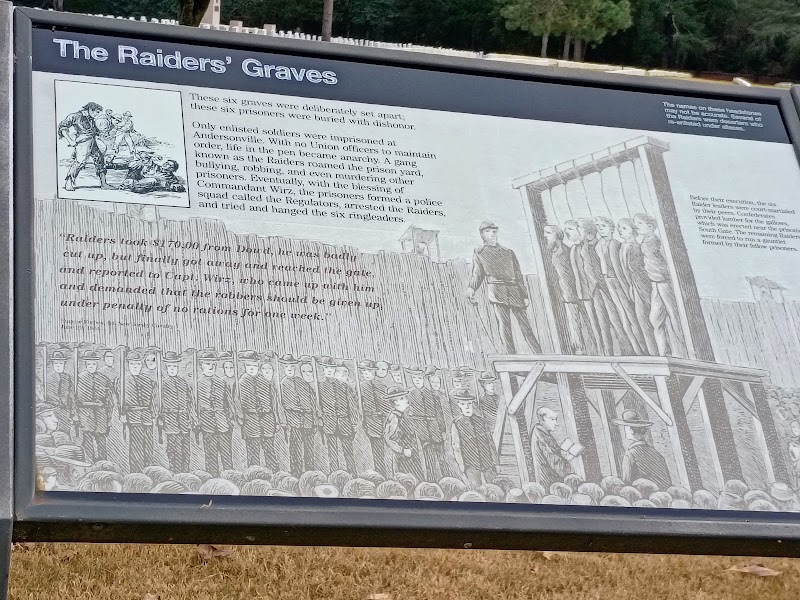
Photos published by travelers on Google, not AI generated.
What stands out
- National Prisoner of War Museum
- Introductory history film
- Driveable historic grounds
- Former prison stockade site
- Andersonville National Cemetery
Worth knowing
- Emotionally difficult subject matter
- A quick drive misses important context
Don't miss
What comes up most in public reviews
- Watch the introductory film
- Listen to the audio tour while driving
- Visit the National Prisoner of War Museum
- See the former prison stockade grounds
- Spend time at Andersonville National Cemetery
Worth the trip?
Why Andersonville matters
Public ratings and traveller reviews consistently describe Andersonville National Historic Site as both deeply affecting and highly informative. It holds a Google rating of 4.8 from 2463 reviews, with recurring praise for the way its museum, former prison grounds and national cemetery connect a difficult chapter of Civil War history.
Also known as Camp Sumter, Andersonville was the largest Confederate prisoner-of-war camp. Reviewers frequently focus on the extreme overcrowding, scarce resources and loss of life endured by Union prisoners. The physical setting appears to make those facts more immediate. Several visitors say the experience stayed with them long after leaving, especially after seeing the former stockade site and rows of graves.
This is not presented in public feedback as a casual sightseeing stop. It is a place for reflection, historical context and remembrance.
Start with the museum
The National Prisoner of War Museum is repeatedly identified as the best starting point. Reviewers unfamiliar with Andersonville’s history strongly recommend watching the introductory film before exploring the wider grounds. The film provides context for the prison camp and helps explain what visitors later encounter outside.
Public feedback also praises the museum’s broader presentation of the American prisoner-of-war experience. Travellers commonly describe the exhibits as well presented and emotionally powerful rather than merely factual. Allowing enough time for the film and displays should make the rest of the visit more coherent.
The subject matter can be painful. Reviews use words such as heartfelt, moving and unforgettable, often noting that the scale of suffering becomes clearer as the visit progresses.
Explore by car and audio tour
The site’s driving route is another consistent strength. Reviews say the principal areas are easy to reach by car, making it possible to move through the landscape at a measured pace. That accessibility also gives visitors room to pause, reflect and take in the surroundings without rushing between locations.
The audio tour earns particularly strong recommendations. Travellers report learning considerably more by listening while driving than they would from simply following the road. Combining the introductory film, museum and audio commentary appears to provide the fullest understanding of the site.
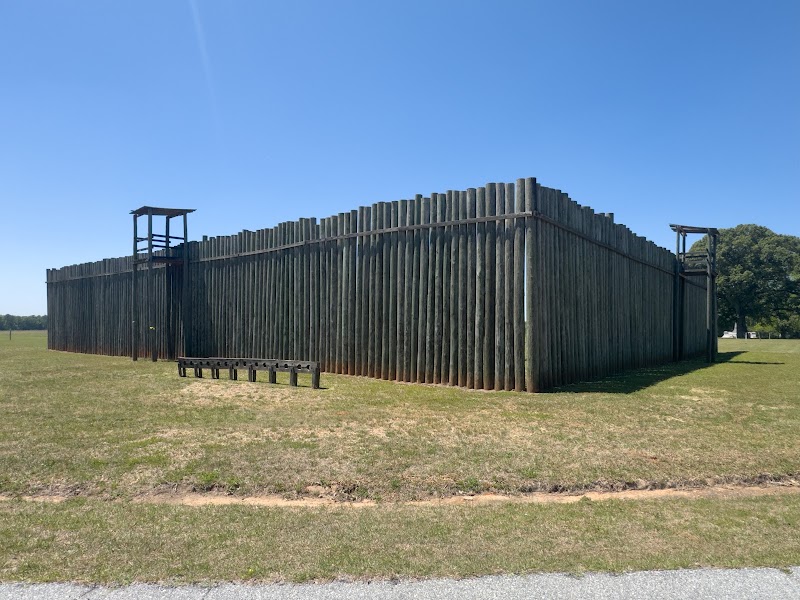
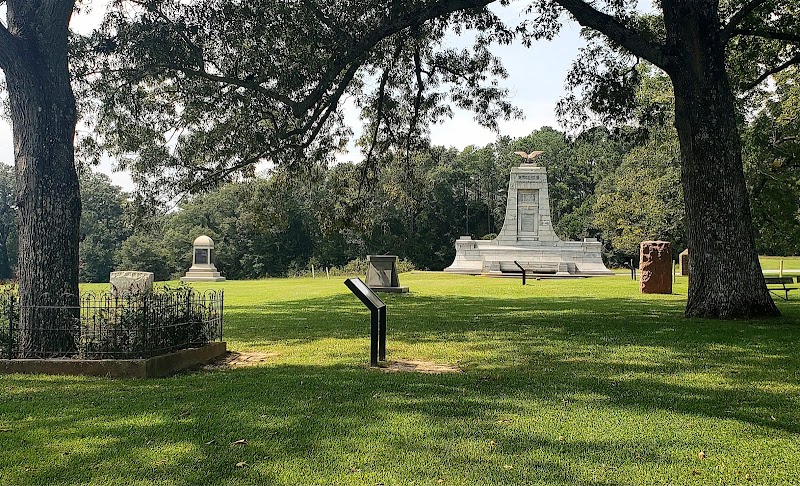
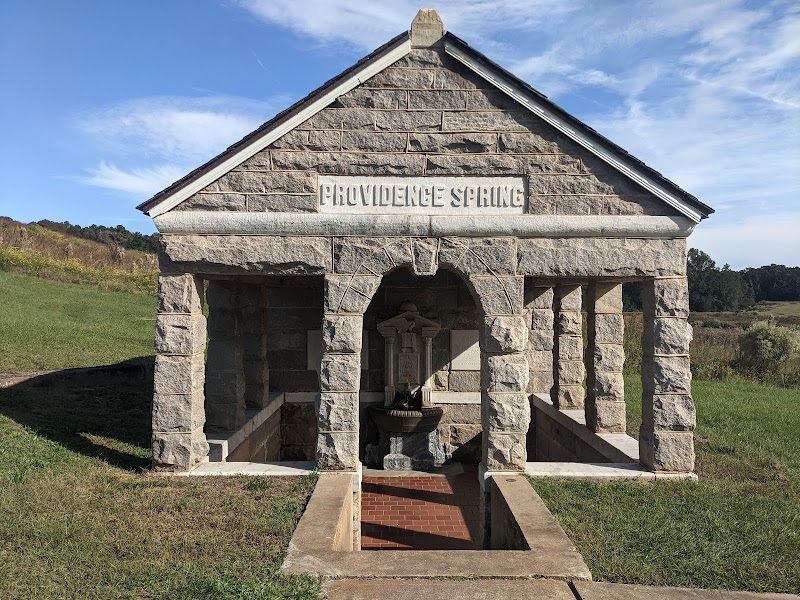
Providence Spring and the former prison stockade grounds are among the specific places mentioned in visitor accounts. The surviving landscape is relatively open, so interpretation is important for understanding the original camp’s layout, confinement and overcrowding.
Cemetery and overall verdict
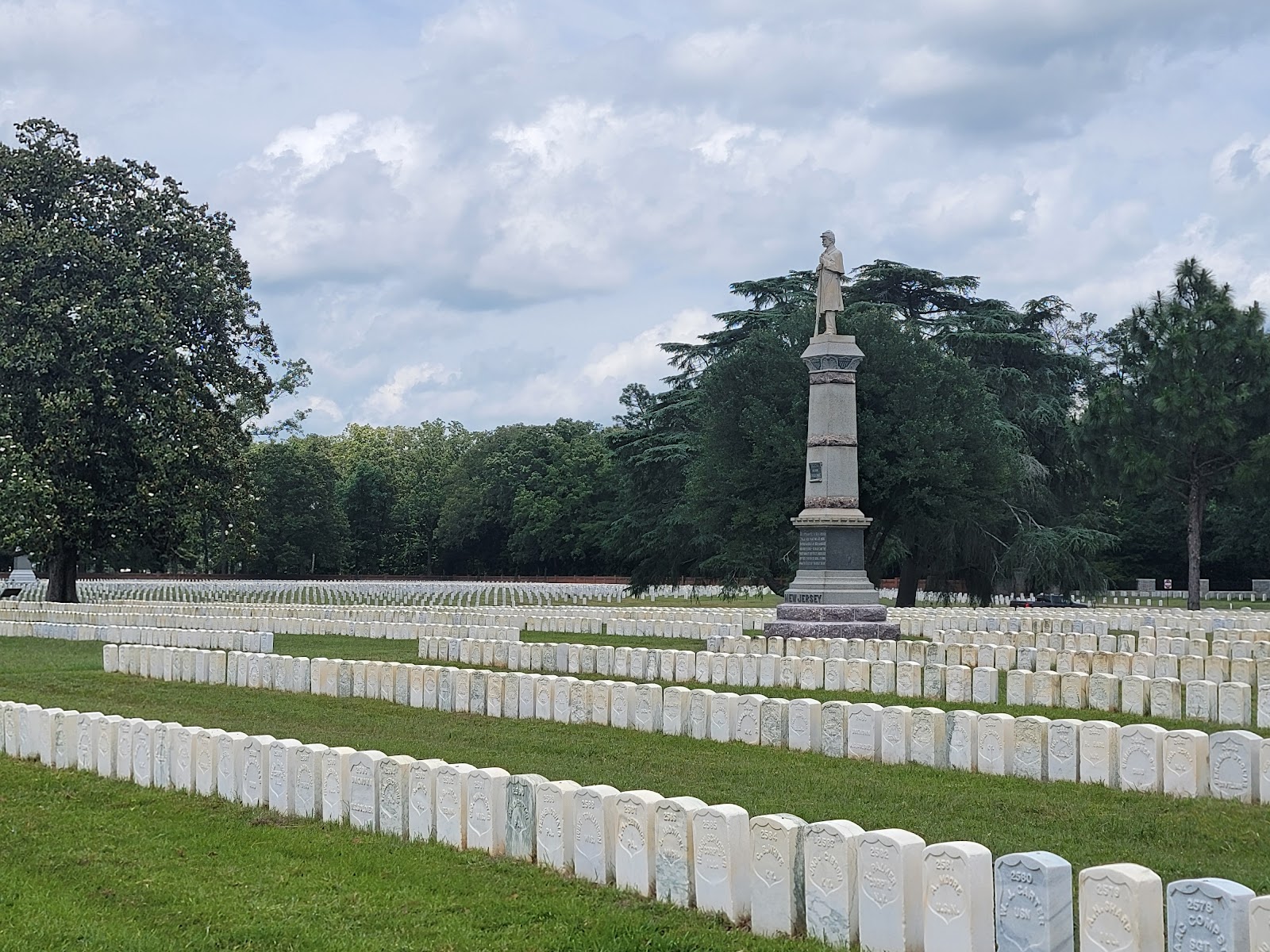
Andersonville National Cemetery is often described as the most sobering part of the visit. Reviewers emphasize the visual impact of the graves and the way the cemetery brings the prison camp’s death toll into focus. It should be approached as an active place of remembrance, not simply another stop on the route.
Synthesizing the available feedback, Andersonville National Historic Site is best suited to travellers with a serious interest in Civil War history, military history or prisoner-of-war experiences. The museum and introductory film establish the facts, while the driving route, audio tour, stockade grounds and cemetery give them physical and emotional weight. Several hours allow a more respectful, complete visit than a quick pass through the grounds.
Ask anything
Looking for somewhere else?
Keep exploring around Andersonville
More from Georgia
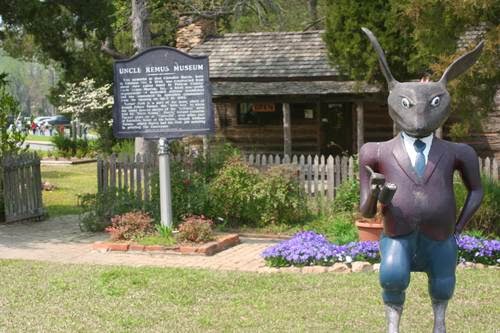
Georgia · Eatonton
Historic Uncle Remus Museum: Stories in a Sobering Setting
Eatonton’s compact museum pairs Uncle Remus memorabilia with informed interpretation inside three relocated former slave cabins.
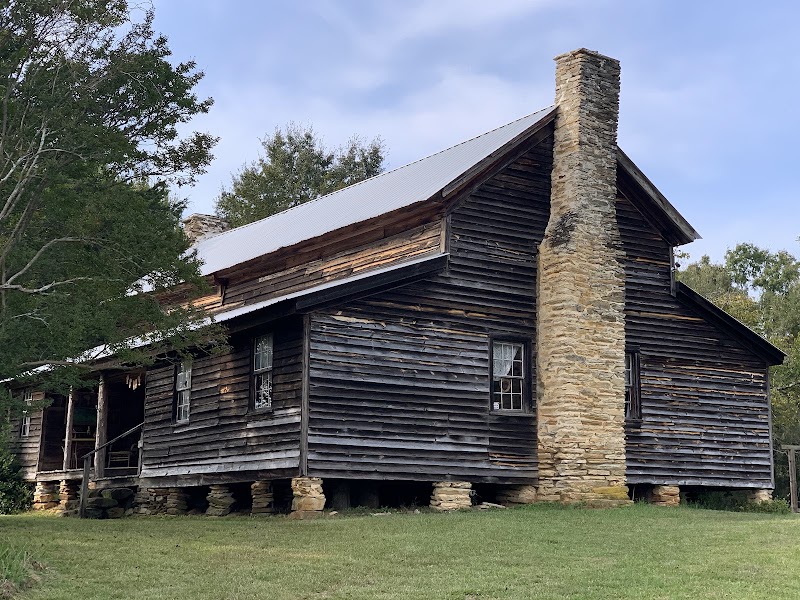
Georgia · Alto
Fort Hollingsworth–White House: A Peaceful Historic Stop
Public reviews describe a beautifully kept collection of old buildings where local history and personal ancestry feel unusually close.

Georgia · Macon
Hay House: Grand Interiors and Standout Guided Tours
Macon’s Hay House earns strong praise for its ornate rooms, thoughtful restoration and guides who bring the property’s history to life.
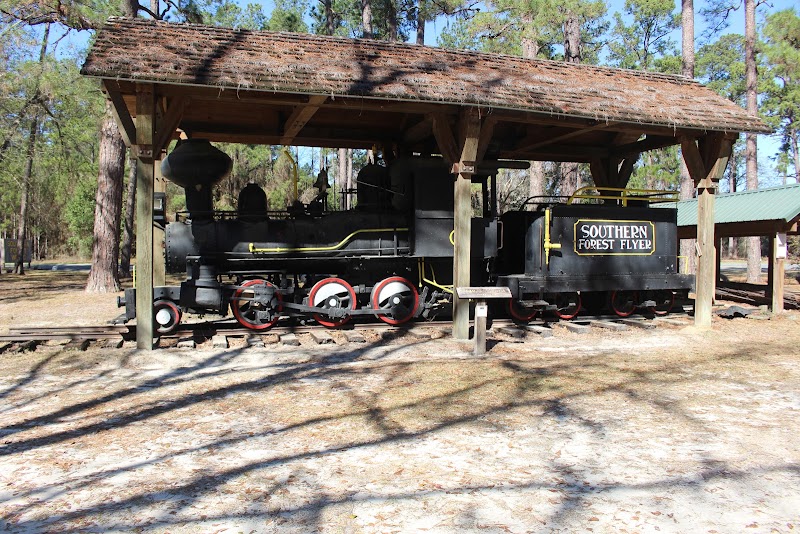
Georgia · Waycross
Southern Forest World: Forestry, Wildlife and Family Fun
Waycross’s forestry museum combines regional history, wildlife displays, interactive exhibits and outdoor space suited to families.