Ancient Theatre of Philippopolis: Plovdiv’s Roman Stage
A remarkably preserved Roman theatre with city views, historic atmosphere and a continuing role as a performance venue.

More photos
Photos published by travelers on Google, not AI generated.
What stands out
- Well-preserved Roman seating and stage
- Views across Plovdiv and the surrounding hills
- Live concerts, operas and theatre performances
- Hillside setting with strong sunset light
Worth knowing
- Earlier closing from November onward
- Interior access requires an entrance fee
- Exterior viewing may feel sufficient for some visitors
Don't miss
What comes up most in public reviews
- Step inside the theatre
- Examine the original-looking seats and stairs
- Look across Plovdiv and the hills
- Check for a concert, opera or theatrical performance
Worth the trip?
Why it stands out
Public ratings and traveller reviews place the Ancient Theatre of Philippopolis among Plovdiv’s strongest historic attractions. It holds a Google rating of 4.7 from 21,379 reviews, with repeated praise for its preservation, hillside position and surviving architectural details.
The theatre was built near the end of the 1st century AD and later disappeared beneath layers of earth. Archaeological excavations rediscovered it in the late 1960s. Travellers now step among original-looking seats, stairs and sections around the stage, gaining a clear sense of how the venue once worked as a gathering place for thousands of spectators.
The setting adds much of the appeal. Reviews mention broad views towards the modern city and surrounding hills, with sunset often singled out as a particularly attractive time to see the site.
What the visit is like
Inside, the scale becomes easier to understand. The rows of seating curve around the performance area, while the stonework and hillside placement give the theatre a strong sense of place. Several reviewers say that seeing it from within is more rewarding than simply viewing it from outside.
The attraction remains connected to performance. Public listings and reviews note that concerts, operas and theatrical performances still take place here. That gives the ancient structure a working identity rather than leaving it as a purely static archaeological site.
A quick exterior look is possible, according to one traveller, and it provides a useful impression of the theatre. The consensus in the stronger reviews is that entering offers the fuller experience, especially for visitors interested in Roman history, architecture or live performance spaces.
Timing and practical points
Opening hours deserve attention in the cooler months. One review says the theatre officially closes at 17:30 from November onward, and that entry was already uncertain shortly before closing. Visitors planning an afternoon stop should check the current schedule and arrive with time to spare.
There is an entrance fee for access inside. One review describes it as not expensive and mentions discounts for children and senior visitors. The supplied listing does not confirm a current price level, so travellers should verify the latest admission details before visiting.
The site can work as a short stop within a wider walk around Plovdiv. One less enthusiastic reviewer found the exterior view sufficient and did not consider the theatre worth a dedicated trip alone. That is a useful distinction: it is a compelling part of a city visit, but not necessarily a full-day destination by itself.
The editorial verdict
The Ancient Theatre of Philippopolis earns its high public rating through a rare combination of preservation, setting and continued use. The views give the visit extra appeal, while the surviving seats and stage area make the history tangible. Sunset is the strongest time suggested by reviews, though late-season visitors need to plan around earlier closing.
For most visitors already exploring Plovdiv, entering the theatre is worthwhile. History-minded travellers should allow enough time to examine the stonework and seating rather than treating it as a photo stop. Those with limited time can still pause outside, but the interior is where the site makes its clearest impression.
Plan the rest of the trip
Ask anything
Looking for somewhere else?
Keep exploring around Plovdiv
More from Bulgaria
Bulgaria · Банско
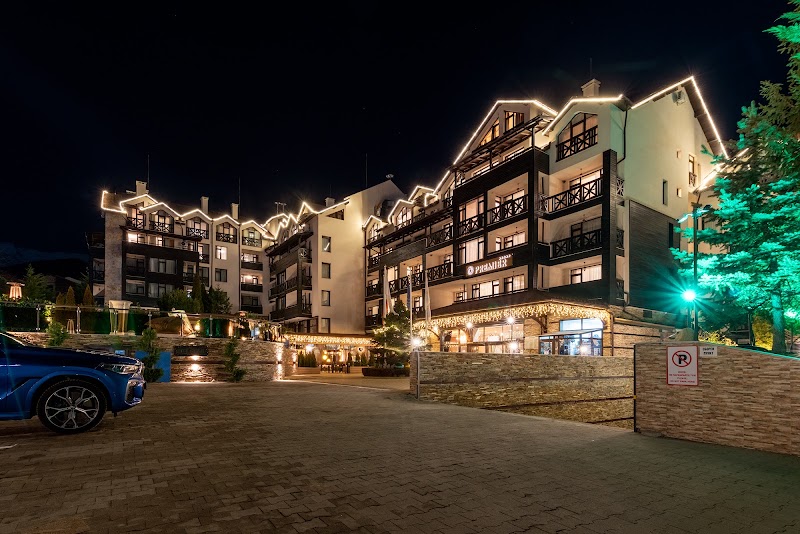
Premier Luxury Mountain Resort: A Mixed Bansko Stay
Public reviews praise the rooms, setting and some staff, but repeated complaints focus on noise, upkeep, food and inconsistent service.

Bulgaria
Utroba Cave: A Rugged Hike to Bulgaria’s Womb Cave
Public reviews rate this striking cave highly, while warning that the upland trail demands sturdy footwear, water and time.
Bulgaria · Veliko Tarnovo
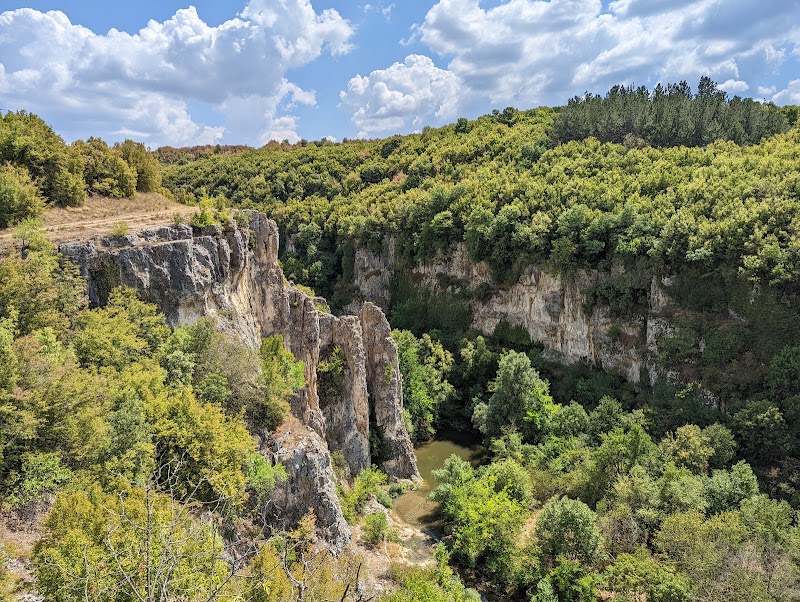
Emen Canyon: Cliff Views and the Momin Skok Waterfall
Public reviews describe an accessible canyon walk near Veliko Tarnovo, with striking limestone scenery and changing trail conditions around Momin Skok.
Bulgaria · Смолян
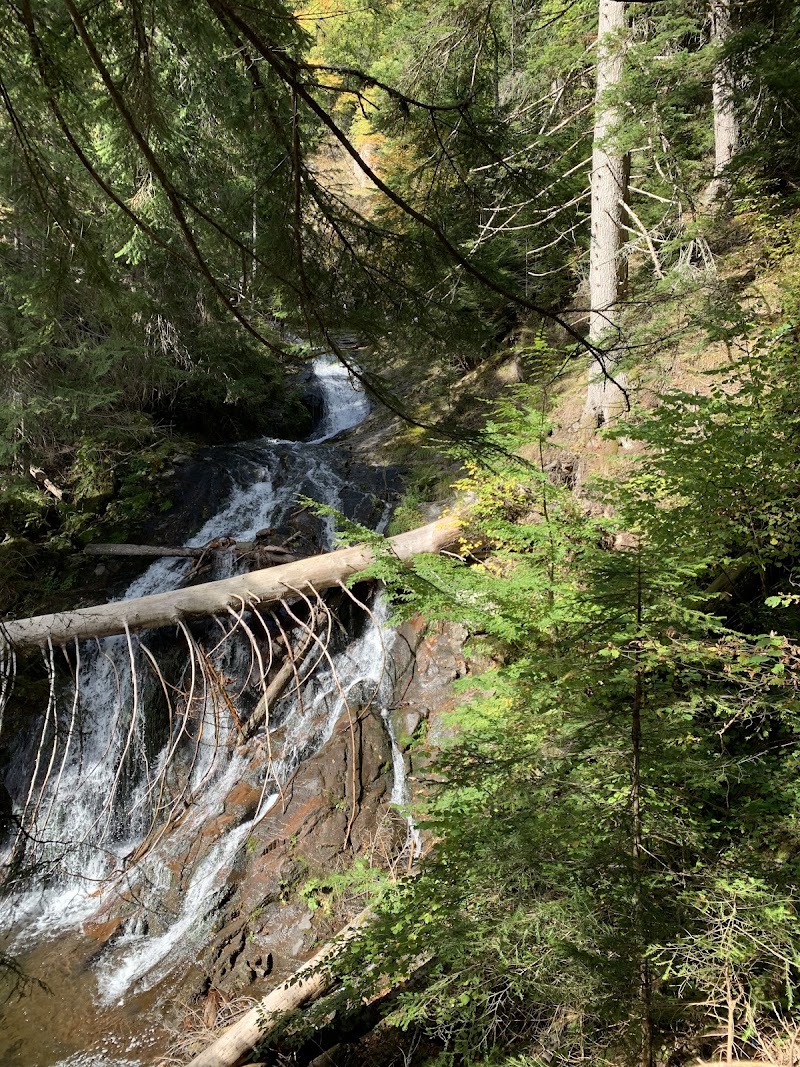
The Waterfalls Canyon: A Forest Trail Above Smolyan
A photogenic woodland hike with bridges, cascades and a panoramic finish, though the rough access road and uneven trail need planning.