Ancient Serdica Reveals Sofia’s Roman Past in Plain Sight
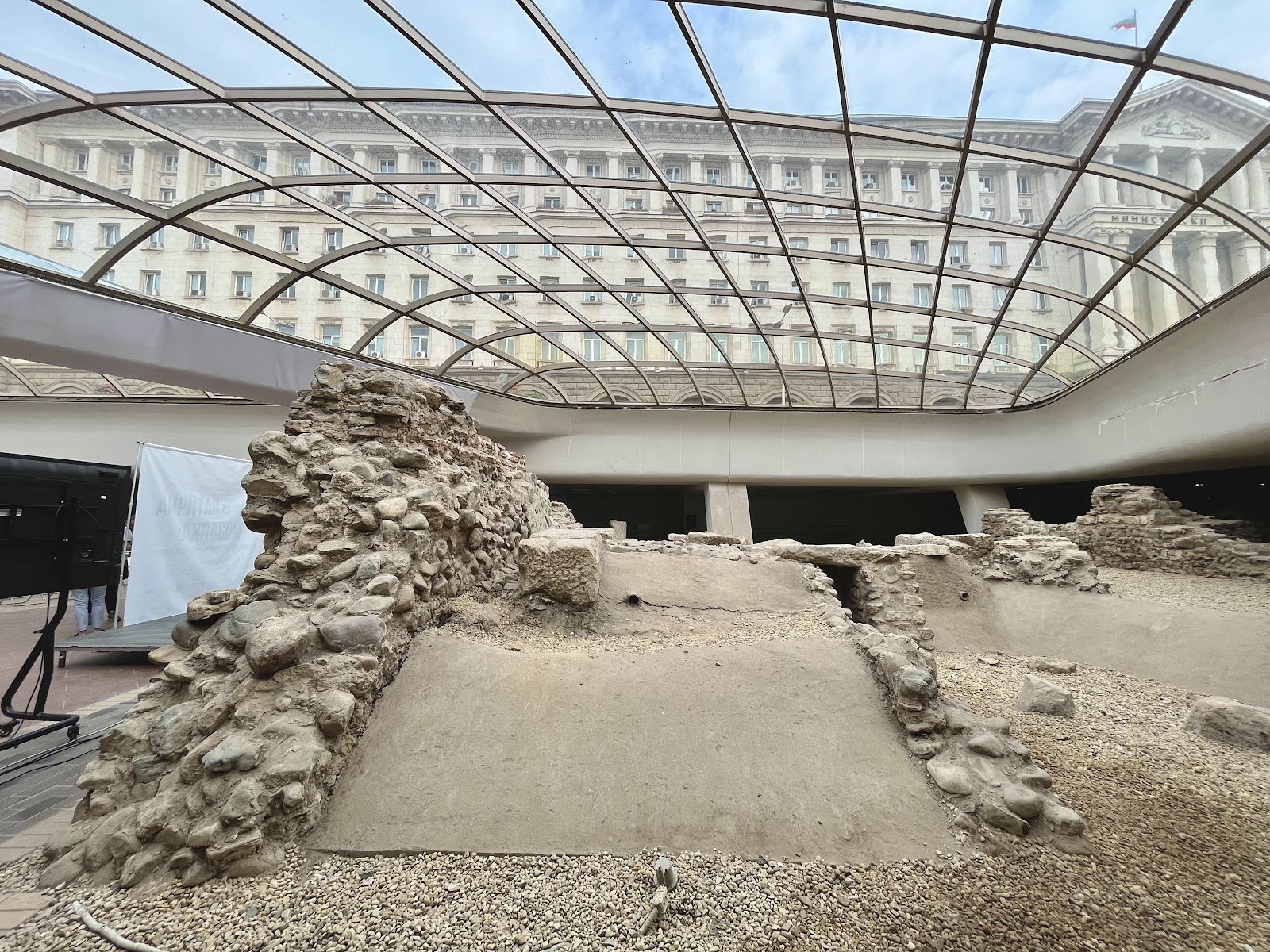
Ancient Serdica Cultural Complex brings preserved Roman ruins into Sofia’s everyday city centre, with clear signage and open public access.
More photos
Photos published by travelers on Google, not AI generated.
What stands out
- Roman ruins in central Sofia
- Accessible from the nearby metro
- Informative signage
- Free public access
- Ruins integrated into daily city life
Worth knowing
- The site is part of a busy public area
- The experience is shorter than a full museum visit
Don't miss
What comes up most in public reviews
- Walk around the preserved Roman ruins
- Read the informative signage
- See how the metro station was built around the remains
- Notice the complex’s integration with the public area
Worth the trip?
Why it stands out
Ancient Serdica Cultural Complex is a historical site that refuses to feel sealed off from modern Sofia. The preserved Roman ruins sit in the centre of the Bulgarian capital, integrated into a busy public area rather than isolated behind museum walls. Public reviews repeatedly focus on that unusual setting. Visitors can encounter ancient remains while moving through the city, including when using the nearby metro station.
The Google listing shows a rating of 4.6 from 1,153 reviews. That response reflects a strong pattern in the public feedback: visitors find the complex accessible, well presented and surprisingly immersive for an open urban site. One reviewer described the experience as feeling like stepping back in time, despite the ease of reaching it.
What visitors see
The remains are identified in public reviews as the Roman ruins of Serdika, the ancient settlement associated with Sofia’s history. Reviewers say a substantial amount of the site has been preserved and made available to walk around. Informative signs explain what visitors are looking at, which helps give the stonework and layout more context.
The presentation is a major part of the appeal. The ruins are not simply visible from a distance. Visitors can move around the complex and examine the preserved remains within the surrounding public space. That makes the site feel immediate. It also means the experience is less formal than a conventional museum visit.
The station built around the ruins
The most memorable detail in the public reviews concerns the site’s discovery during construction of a new train station. Instead of removing or relocating the archaeological remains, the station was built around them. The result is a striking overlap between ancient Serdika and present-day transport infrastructure.
That arrangement shapes the visit. The complex is easy to reach, and the ruins form part of the daily movement of local residents as well as sightseeing routes. Reviewers repeatedly praise this integration. Ancient history is present in the middle of ordinary city life, not separated from it.
Planning a visit
The public feedback presents Ancient Serdica as an easy addition to time spent exploring central Sofia. Entry is described by reviewers as free, and access is considered straightforward. The site suits visitors who want a concise historical stop without committing to a long indoor museum visit.
A short visit can focus on walking around the preserved remains and reading the explanatory signage. It is also worth allowing time to notice how the archaeological complex connects with the metro and surrounding public areas. That relationship is central to the experience.
The site is best understood as an urban archaeological landmark rather than a full-day attraction. Visitors looking for a quiet, controlled museum atmosphere may find the public setting less conventional. For most travellers interested in Sofia’s history, though, the combination of preservation, access and everyday city life makes Ancient Serdica a worthwhile stop.
Plan the rest of the trip
Ask anything
Looking for somewhere else?
Keep exploring around Sofia
More from Bulgaria
Bulgaria · Pliska
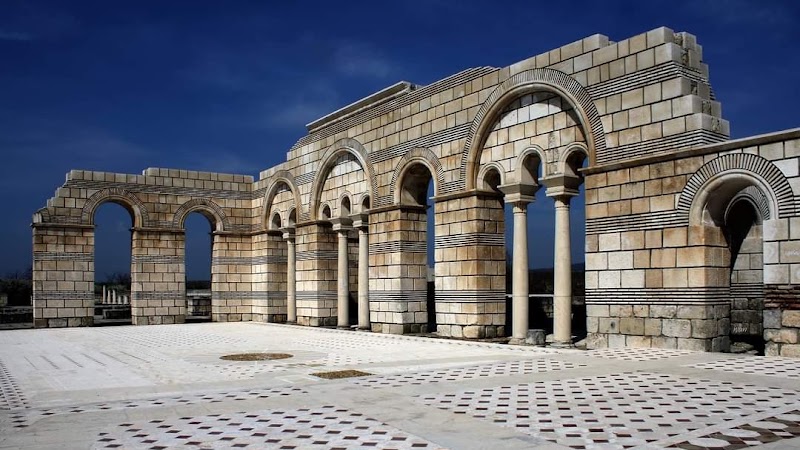
Pliska Museum: Bulgaria’s First Capital in Ruins
Public reviews value Pliska for its scale, quiet ruins and nearby Big Basilica, while the small museum divides opinion.
Bulgaria · Старосел
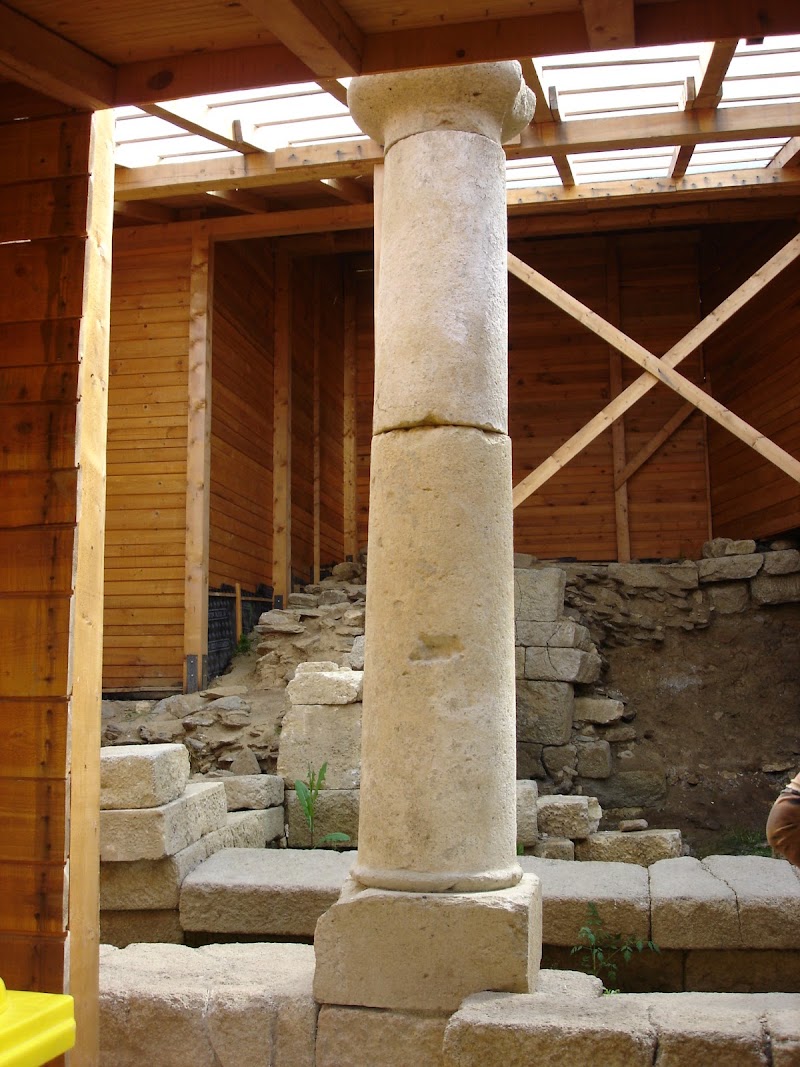
Thracian Cult Temple Starosel: An Intimate Ancient Site
Public reviews praise this evocative Thracian sanctuary near Starosel, while noting limited signage, a small site and a short uphill walk.
Bulgaria · Veliko Tarnovo
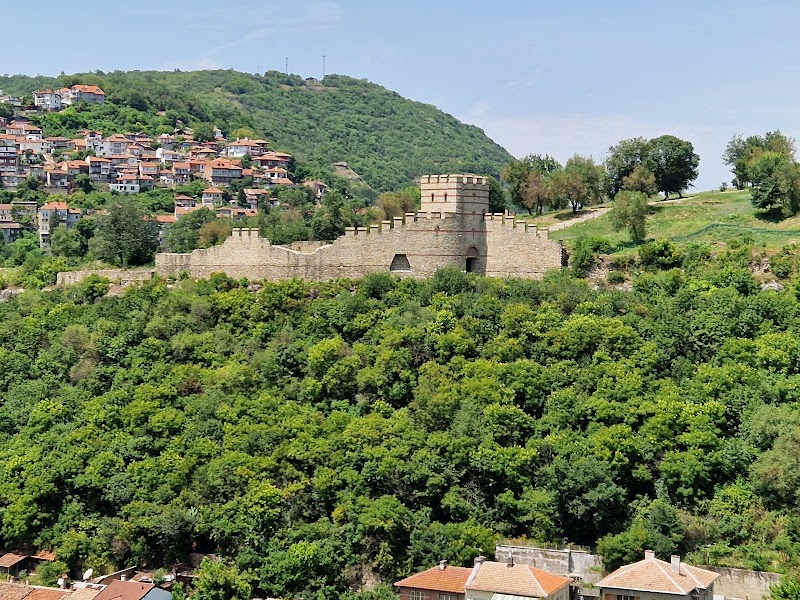
Trapezitsa Fortress: Big Views, Rough Edges
Public reviews praise Trapezitsa Fortress for its scale, history and views, while warning that the ruins need better upkeep and clearer visitor information.
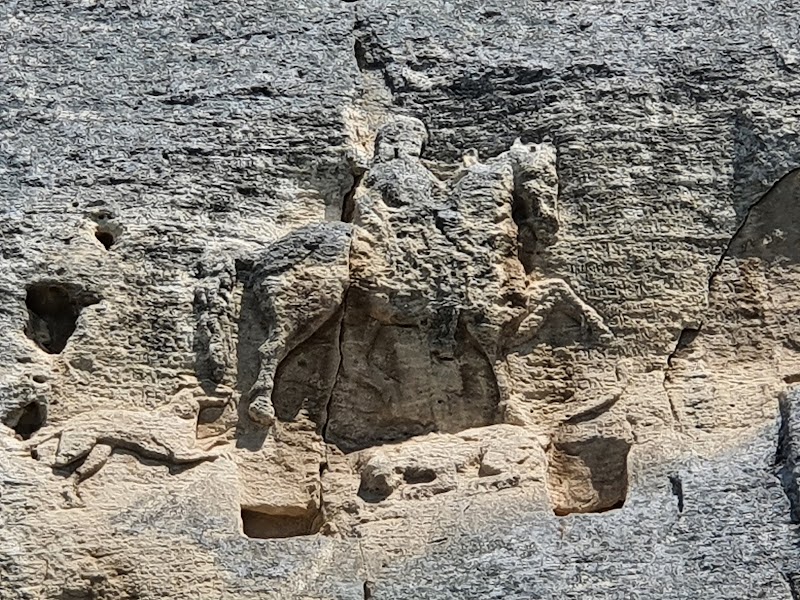
Bulgaria · Madara
Madara Horseman: Bulgaria’s Cliffside Historic Landmark
Public reviews describe Madara Horseman as a rewarding stop for history, trails and dramatic views, with steep steps and several sites to explore.