Ancient Jericho at Tell es-Sultan: History in Layers
Public reviews praise Tell es-Sultan’s immense archaeological significance, while cautioning that its excavated remains can appear modest at first glance.
More photos

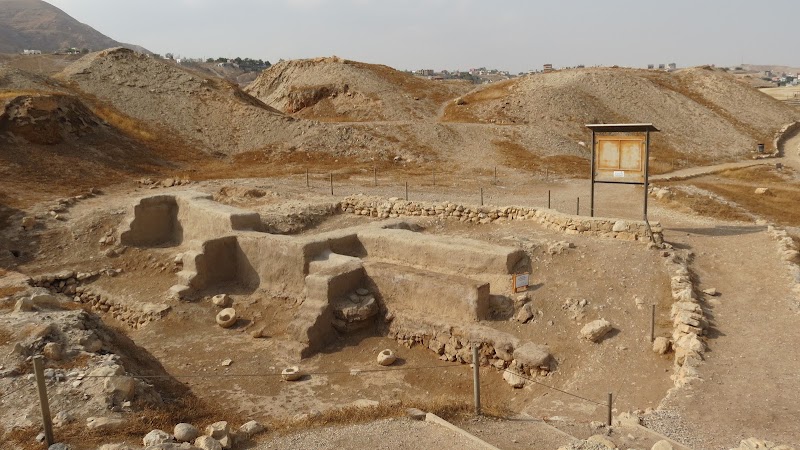
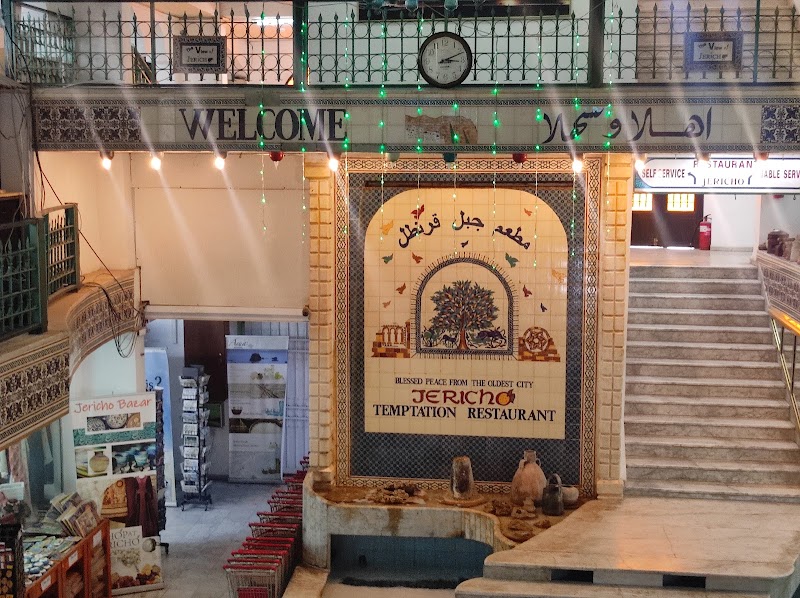
Photos published by travelers on Google, not AI generated.
What stands out
- Deep archaeological trenches
- Remnants of ancient walls
- Views of Temptation Mountain
- Elijah’s Spring nearby
Worth knowing
- Extreme summer heat
- Ruins can look modest
- Some organized tours feel rushed
Don't miss
What comes up most in public reviews
- Excavation trenches
- Ancient wall remains
- Elijah’s Spring
- Temptation Mountain views
- Cable car opposite the entrance
Worth the trip?
What the reviews suggest
Tell es-Sultan appeals most strongly to travellers interested in archaeology rather than monumental architecture. Its Google rating of 4.5 from 895 reviews reflects broad appreciation for the site’s long history, excavated walls and deep trenches. Reviewers repeatedly describe the experience as remarkable because of the age of the settlement, with visible phases stretching back thousands of years.
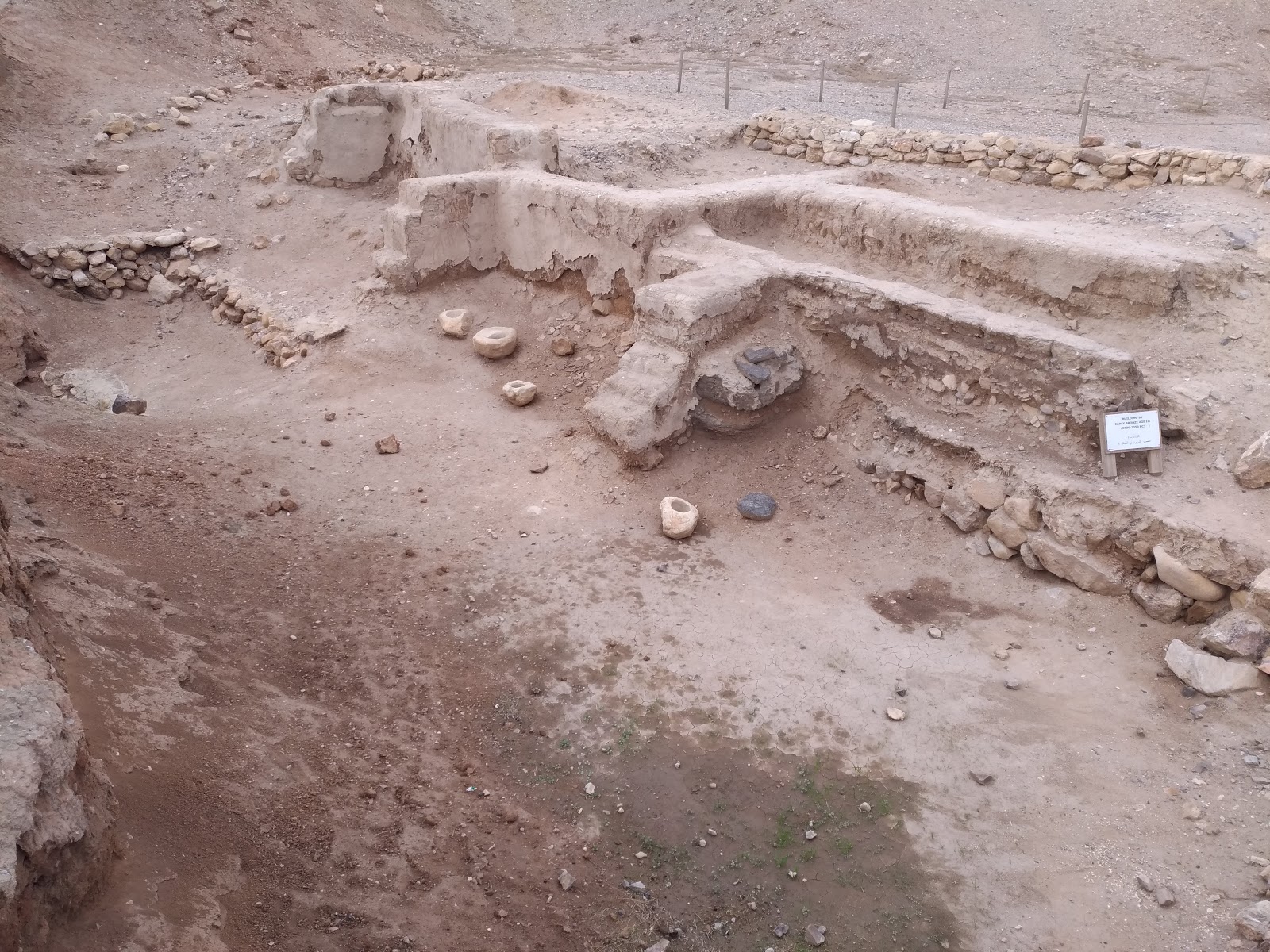
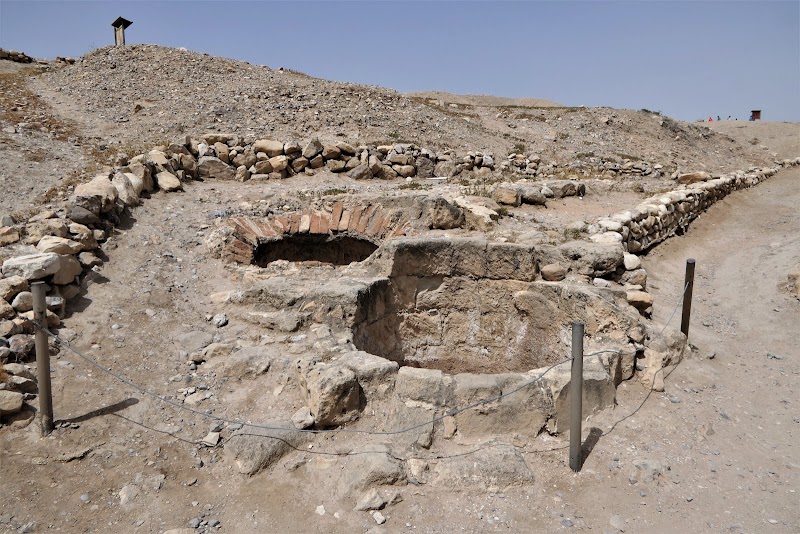
Expectations matter. Several visitors stress that this is not a field of towering Greek or Roman buildings. The surviving structures are fragmentary, and much of the story is revealed through excavation cuts, foundations and partially preserved walls. For some, that physical evidence makes the site impressive. Others find that there is not much to see, even while acknowledging the restoration work.
Archaeology and views
The excavation trenches are among the most frequently praised features. They expose successive layers of occupation and help communicate the scale of Tell es-Sultan’s history more effectively than the low ruins alone. Remnants of ancient walls also attract attention, particularly given how long they remained buried before excavation.
The wider setting adds interest. Reviews mention views of Temptation Mountain, while one visitor also reports being able to see toward Jordan. The cable car for the Monastery of Temptation is opposite the entrance, making the archaeological site a practical companion to other Jericho stops.
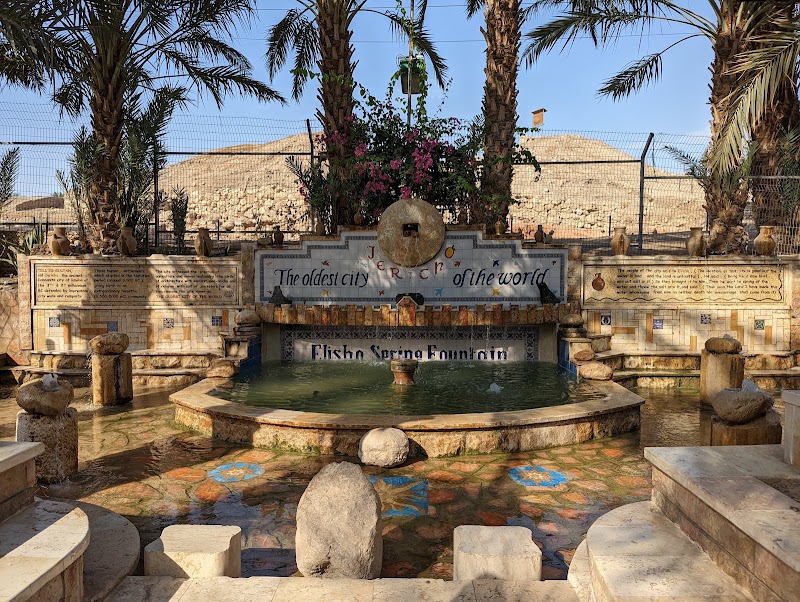
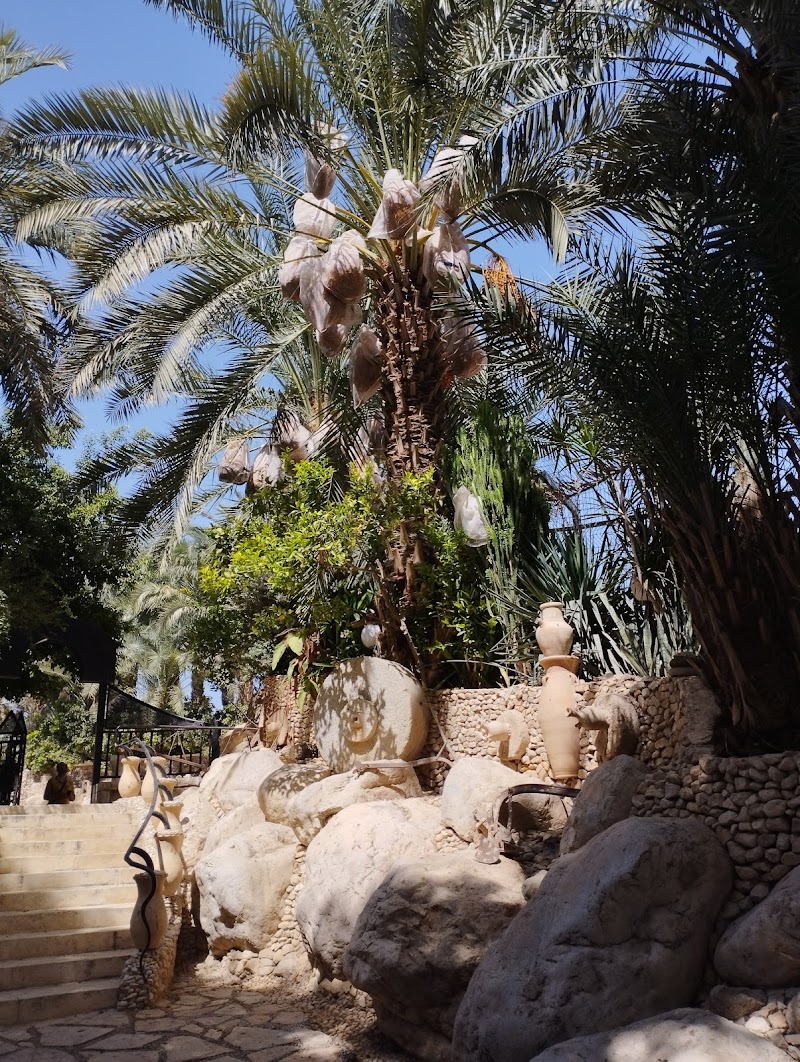
Nearby Elijah’s Spring, also referred to in the reviews as the adjacent spring fountain, provides a greener and more refreshing contrast to the dry tell. Travellers with limited time may find that combining the ruins, spring and mountain views creates a more rounded visit than treating the excavation as a standalone spectacle.
Heat, access and pacing
Summer conditions are the clearest practical concern. Reviewers describe the site as extremely hot, with little indication of relief among the exposed ruins. Plenty of drinking water and sun protection are essential in hotter weather. Cooler months should make it easier to spend time examining the trenches and archaeological layers rather than rushing through them.
The entrance is described as budget friendly. One reviewer notes that it sits opposite the cable car, which should help with orientation on arrival. Another advises skipping the nearby souvenir shop.
Experiences on organized tours appear less consistent. One review describes a rushed schedule, a fixed lunch stop and multiple border checks involving armed patrols that were not made clear in the tour description. Those concerns relate to the tour itinerary rather than the archaeological site itself, but travellers booking an excursion should ask about routing, border procedures and time allocated at Tell es-Sultan.
Editorial verdict
Tell es-Sultan is best approached as a place for reading the landscape and tracing human settlement through exposed layers. Archaeology enthusiasts are likely to value the trenches, old walls and historical scale. Visitors seeking intact buildings or dramatic monumental ruins may leave underwhelmed. Paired with Elijah’s Spring and views toward Temptation Mountain, however, it offers a concise and thought-provoking introduction to ancient Jericho.
Ask anything
Looking for somewhere else?
Keep exploring around Ein Al Sultan
More from Israel
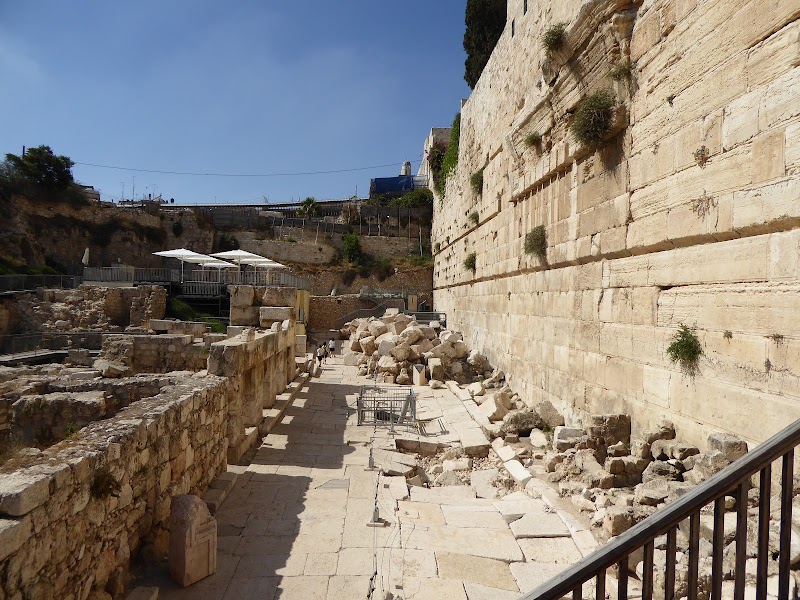
Israel · Jerusalem
Ancient Jerusalem in Stone at the Western Wall Excavations
Ruins, ritual spaces and a compact coin display add archaeological depth to a visit around Jerusalem’s Western Wall.
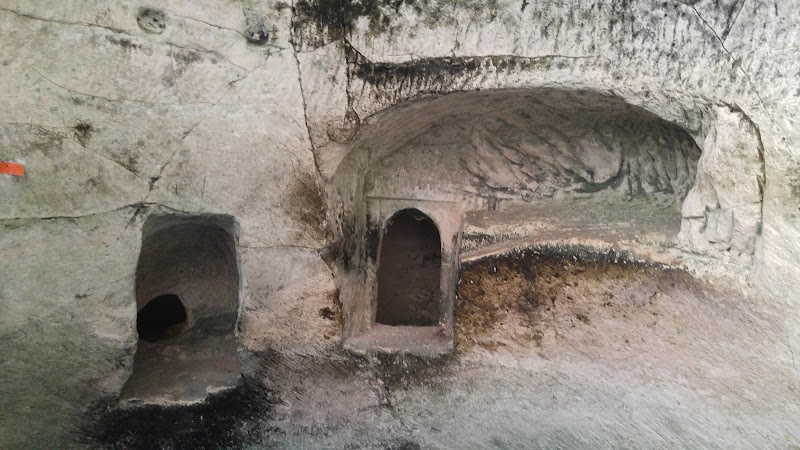
Israel
Maresha: Hilltop Views and a Varied Underground World
Maresha combines flower-covered hilltop scenery with labyrinth, bell and painted burial caves shaped by a complex Hellenistic past.
Israel · Jerusalem
Shrine of the Book: Jerusalem’s Scrolls and Sacred Texts
Public reviews praise this Israel Museum attraction for its Dead Sea Scrolls, Isaiah exhibit, historic codex and nearby model of ancient Jerusalem.
Israel · לטרון
Yad La-Shiryon Museum: Tanks and Military History at Latrun
A vast open-air tank collection, guided interpretation and indoor exhibits make this Latrun museum a strong choice for military-history enthusiasts.