Ancient Gerulata: A Compact Window on Roman Bratislava
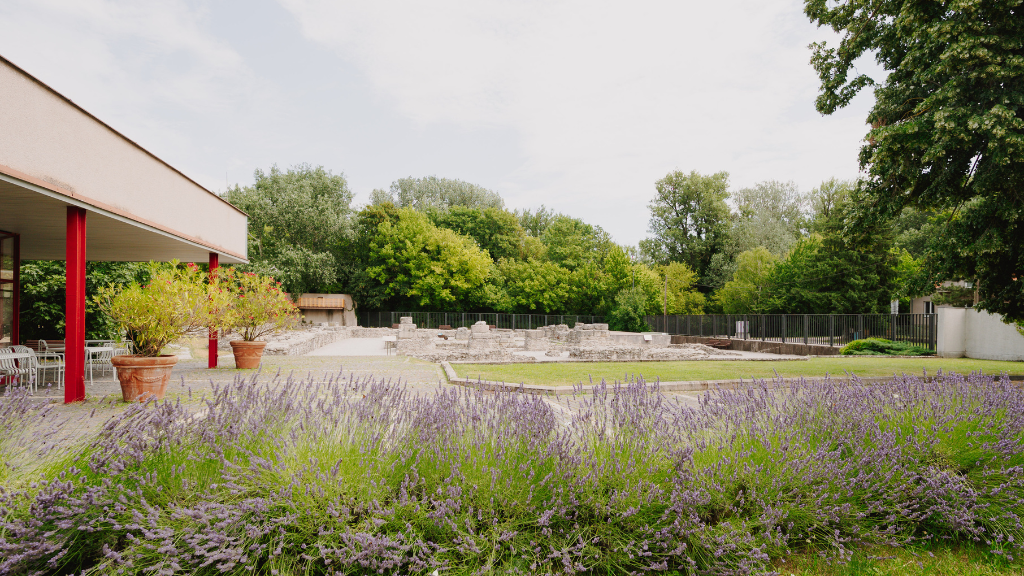
Small in scale but clearly presented, Ancient Gerulata pairs Roman artefacts and digital interpretation with an outdoor archaeological site.
More photos
Photos published by travelers on Google, not AI generated.
What stands out
- Roman artefacts and historical exhibits
- Explanations in Slovak and English
- 3D reconstruction of the site
- Outdoor archaeological remains
- Kind and accommodating staff
Worth knowing
- The museum and archaeological area are very small
- Outdoor remains are mostly low-level ruins
- Larger Roman sites offer more visual impact
Don't miss
What comes up most in public reviews
- The Roman artefacts
- The bilingual historical explanations
- The 3D reconstruction
- The outdoor archaeological remains
Worth the trip?
What the reviews suggest
Ancient Gerulata earns a Google rating of 4.4 from 340 reviews, with public feedback consistently describing a small, interesting museum beside the remains of a Roman settlement. Its appeal is focused rather than spectacular: this is a place for understanding how the territory of modern Slovakia formed part of the Roman Empire’s frontier.
Reviewers interested in Roman history tend to respond most warmly. They praise the artefacts, concise historical context and the chance to see archaeological remains within Bratislava. Several comments also highlight kind, accommodating staff. The overall impression is of a modest site that takes interpretation seriously, even if it cannot compete in scale with larger Roman complexes elsewhere in the region.
Museum and interpretation
The indoor museum appears to be the strongest part of the visit. Reviews mention exhibits, archaeological finds and explanations presented in both Slovak and English. That bilingual interpretation makes the collection more accessible to international visitors and helps give meaning to an otherwise fragmentary site.
Digital elements add variety. Public comments refer to a screen with a 3D reconstruction of Gerulata and an interactive Xbox-based activity. These features appear particularly useful for visualising how the settlement once looked, since the surviving remains alone may be difficult to read without context.
The museum is repeatedly described as small, so expectations matter. Travellers looking for an extensive collection or a long sequence of galleries may find it limited. Those content with a concise introduction to Roman activity around Bratislava are more likely to appreciate its clear scope and manageable presentation.
The outdoor remains
Outside, the experience centres on exposed ruins and traces of the Roman site. Reviews are frank that the archaeological area is mostly low-level remains rather than monumental standing structures. Their value lies in location and historical significance, not visual drama.
This contrast explains the mixed tone in some feedback. Admirers see Gerulata as tangible proof that the Roman world extended into present-day Slovakia. Less enthusiastic visitors regard it as pleasant but not especially distinctive. One reviewer recommends Carnuntum in Austria for travellers seeking a much larger Roman site, a comparison that helps position Gerulata as the shorter and more local introduction.
Planning the visit
Ancient Gerulata suits Roman-history enthusiasts, museum visitors and travellers who enjoy compact archaeological attractions. It also appears suitable for a brief cultural stop rather than a half-day expedition. The indoor displays should be seen before, or alongside, the outdoor remains so that the reconstruction and written explanations can supply the missing architectural context.
Some public reviews mention entry through the Bratislava Card and access for ICOM card holders, but current arrangements should be checked directly before travelling. A nearby old church and a castle under renovation are mentioned in one account, although they are better treated as possible additions rather than core parts of the Gerulata experience.
The synthesized verdict is positive: well presented, welcoming and historically worthwhile, but deliberately small. Visitors who arrive expecting fragments, artefacts and interpretation rather than a vast Roman city are most likely to leave satisfied.
Plan the rest of the trip
Ask anything
Looking for somewhere else?
Keep exploring around Bratislava
More from Slovakia
Slovakia · Martin
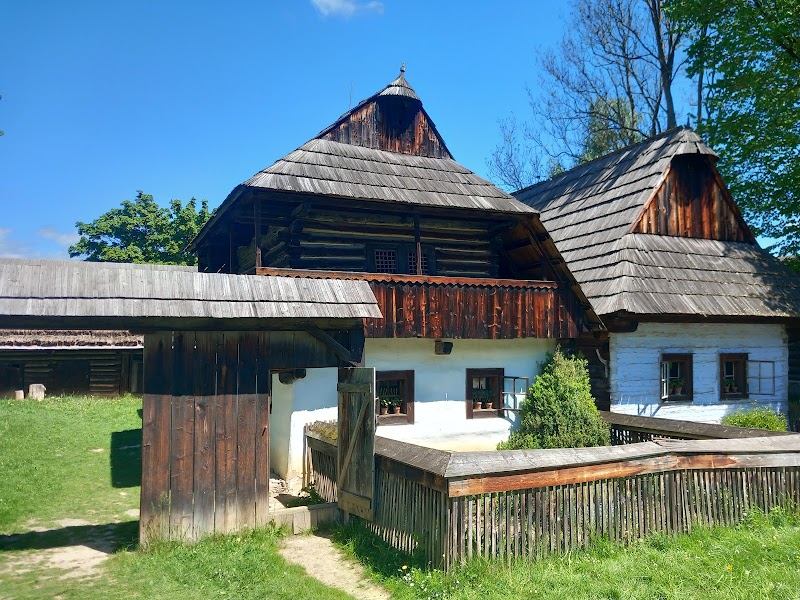
Museum of the Slovak Village: Martin’s Open-Air History
Public reviews describe a spacious open-air museum where traditional buildings, guided tours and regional history make a rewarding half-day visit.
Slovakia · Liptovský Ján
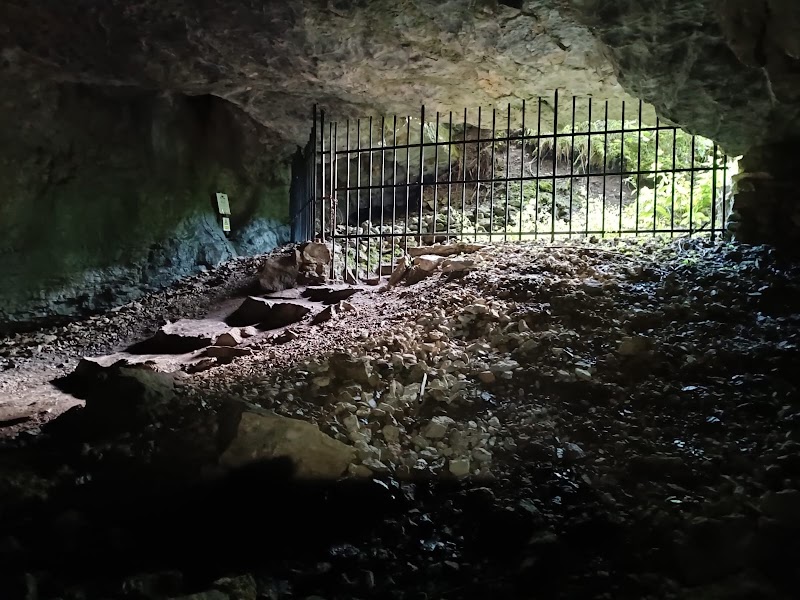
Stanišovská Cave: An Easy, Hands-On Cave Visit
Public reviews describe a well-organised cave tour near Liptovský Ján, with friendly guides, headlamps and an easy approach for families.
Slovakia
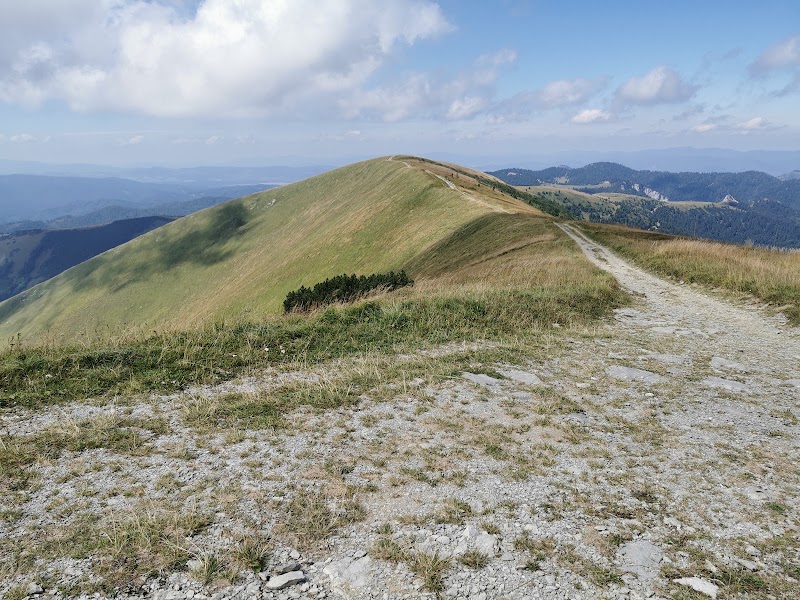
Veľká Fatra National Park for Quiet Mountain Walking
Public reviews describe a peaceful Slovak national park with demanding ascents, broad views and fewer visitors than the High Tatras.
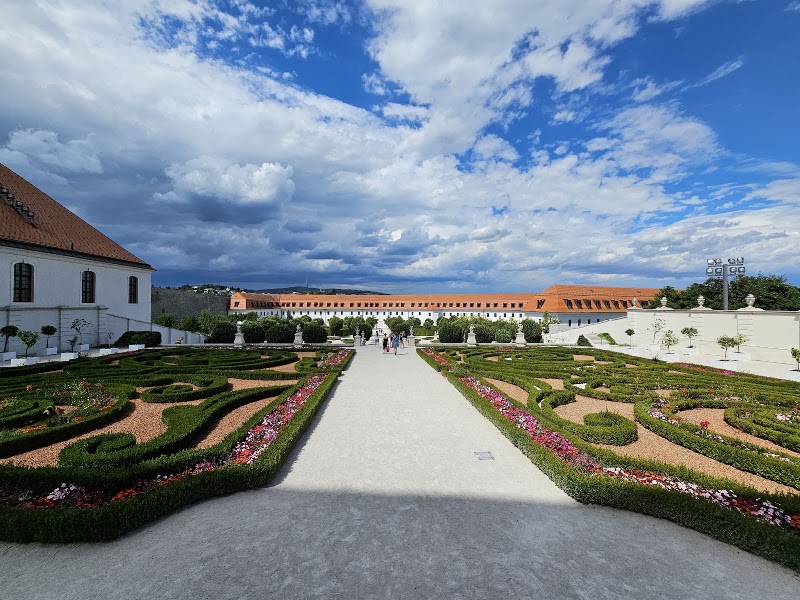
Slovakia · Bratislava
Baroque Garden: A Quiet Pause at Bratislava Castle
Public reviews rate this compact, carefully restored garden highly for its symmetry, calm atmosphere and easy addition to a Bratislava Castle visit.