Ancient City of Xanthos: Lycian Ruins Worth the Detour
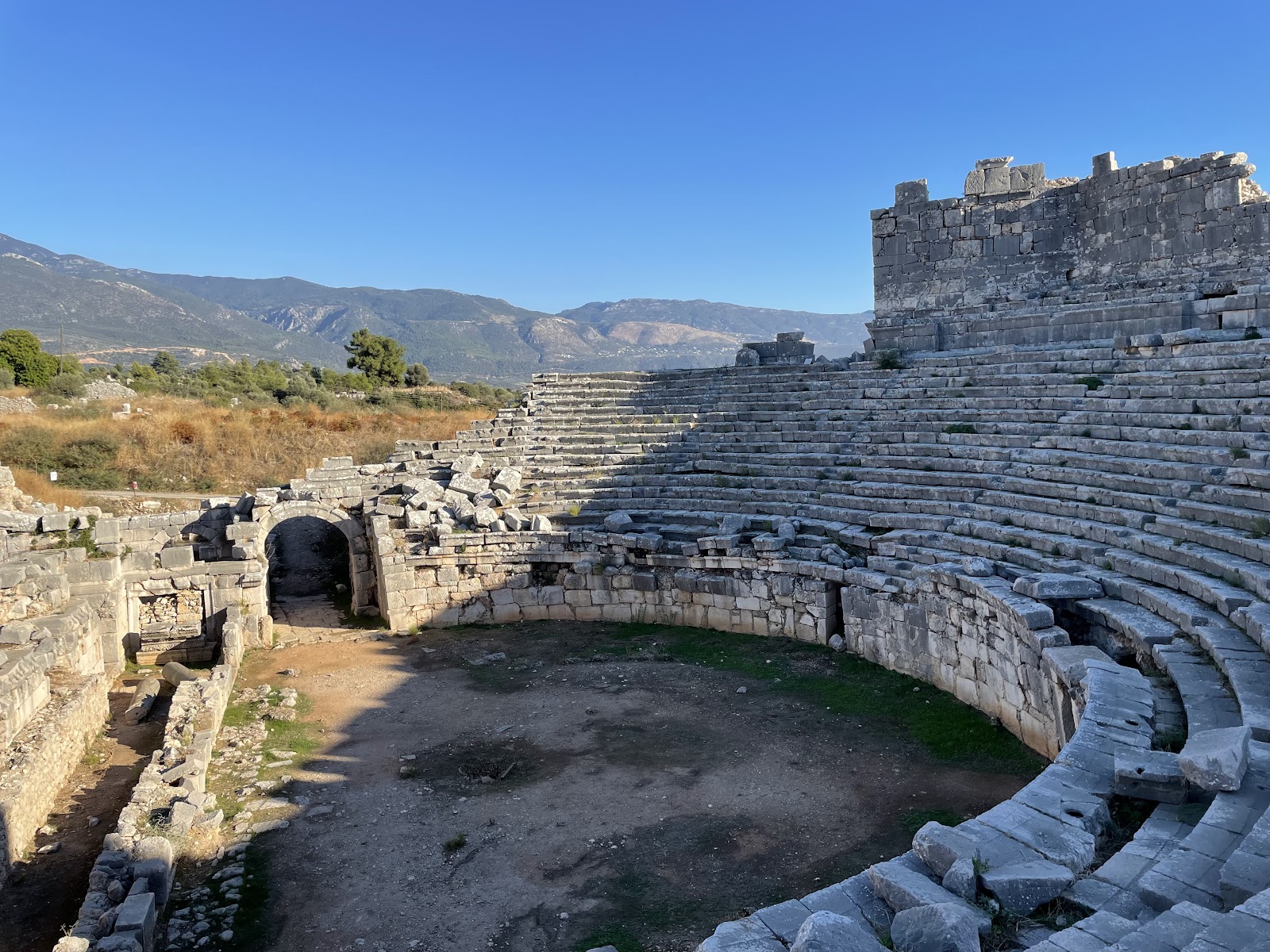
Public reviews praise this hilltop archaeological site for its Lycian history, extensive ruins and rewarding tomb area.
More photos
Photos published by travelers on Google, not AI generated.
What stands out
- Extensive ancient Lycian ruins
- Large tomb area beyond the entrance
- Helpful information boards
- Possible wildlife sightings
- Hilltop historical setting
Worth knowing
- Public transport access can be tricky
- The tomb area requires extra walking
- Advance research improves the visit
Don't miss
What comes up most in public reviews
- The large tomb area
- The Lycian ruins
- The on-site information boards
- Lycian objects at the British Museum
Worth the trip?
What public reviews say
Ancient City of Xanthos earns a Google rating of 4.4 from 4632 reviews, with travellers repeatedly highlighting the scale and historical importance of the ruins. Reviewers describe it as a fascinating introduction to the ancient Lycians and a worthwhile stop for anyone already exploring Turkey’s southwestern coast.
The site was an important centre of ancient Lycia, and that context shapes much of its appeal. Rather than presenting a single intact monument, Xanthos rewards visitors who enjoy piecing together the story of a former city through scattered structures, tombs and archaeological remains. Several reviews suggest that some background reading before arrival makes the experience more meaningful.
The setting also contributes to the visit. Xanthos sits on a hill, with the remains spread across a broader area than some travellers initially expect. Public feedback indicates that there is plenty to see, particularly for visitors prepared to continue beyond the most immediately visible sections.
Exploring the site
The large tomb area is the most specific recurring-style recommendation in the available feedback. Reviewers advise looking to the right of the ticket office and continuing along the track. It takes more effort than staying near the entrance, but those who seek it out consider it worthwhile.
Information boards provide useful explanations, although reviewers still recommend arriving with some knowledge of Lycian history. The combination of advance research and on-site interpretation appears to offer the strongest experience. Travellers particularly interested in archaeology may also want to connect the visit with the Lycian objects held at the British Museum, which one reviewer identifies as relevant follow-up viewing.
The ruins are not the only point of interest. Visitors report spotting lizards, tortoises, dogs and little owls around the site. Wildlife sightings cannot be guaranteed, but they add character to a walk through the archaeological landscape.
Who will enjoy Xanthos
Xanthos is best suited to history enthusiasts, archaeology-minded travellers and those following or exploring sections of the Lycian Way. Reviews describe the wider trail as running through the mountains and along Turkey’s southwestern coast, placing the ancient city within a much larger cultural and walking itinerary.
Families may also find the open setting engaging, especially when wildlife appears, though the historical value is likely to resonate most with older children and adults. Travellers seeking a polished, compact attraction may find the site less immediate. Its appeal lies in exploration, interpretation and understanding what once stood there.
Planning the visit
The main practical concern raised in public reviews is access. Reaching Xanthos by public transport can be tricky, so transport arrangements deserve attention before departure. The hilltop location and track leading towards the tomb area also mean visitors should expect some walking.
Admission is described by reviewers as budget friendly and good value for the amount there is to explore. A few hours should allow time to read the information boards, examine the main ruins and continue to the more distant tomb area without rushing. Overall, public feedback presents Xanthos as a substantial and rewarding historical landmark, particularly for travellers willing to prepare in advance and explore beyond the entrance.
Plan the rest of the trip
Ask anything
Looking for somewhere else?
Keep exploring
More from Türkiye
Türkiye
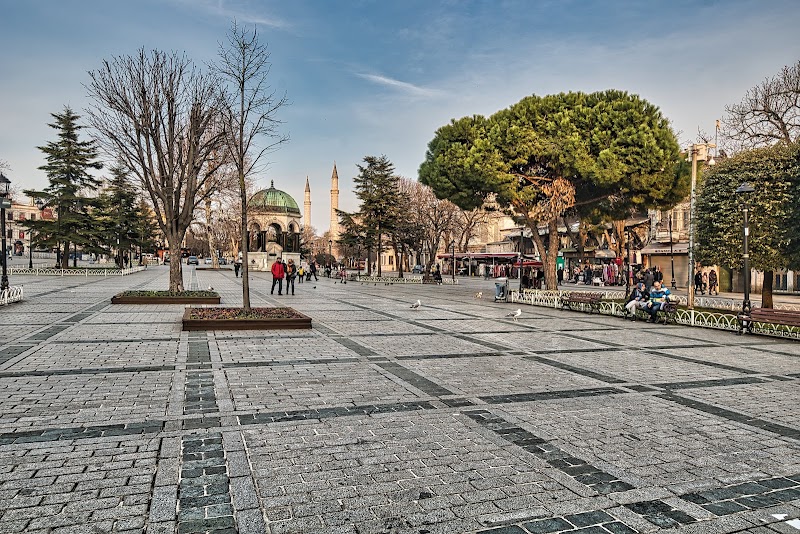
Sultanahmet Square: Istanbul’s Historic Open-Air Landmark
Sultanahmet Square puts major Istanbul landmarks, gardens and historic monuments within an easy, walkable public space.
Türkiye
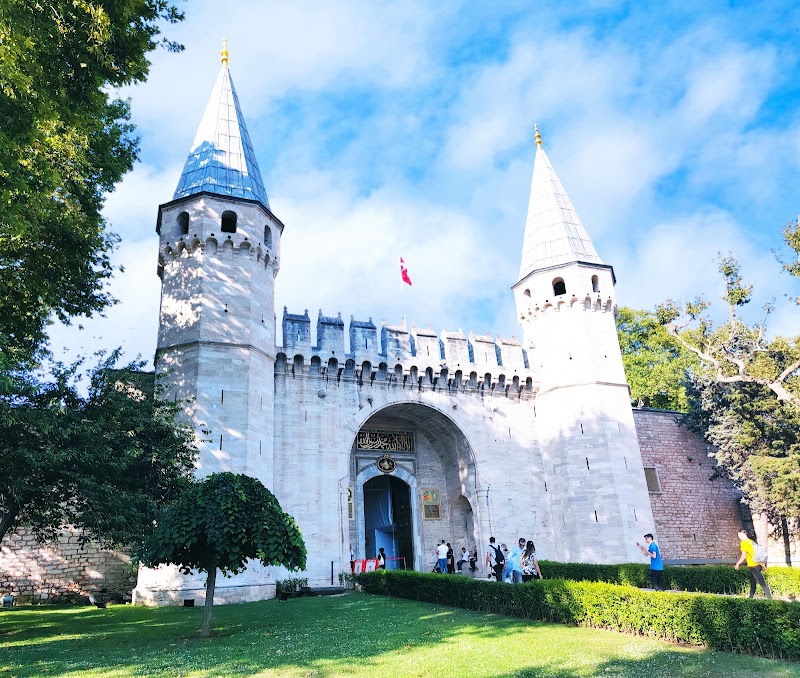
Topkapi Palace Museum: Ottoman History on a Grand Scale
Topkapi Palace Museum rewards visitors who set aside several hours for its courtyards, gardens, views and richly presented Ottoman collections.

Türkiye
The Blue Mosque: Istanbul’s Iconic Place of Worship
Public reviews praise the Blue Mosque’s Ottoman architecture, blue Iznik tiles and calm atmosphere in the heart of Istanbul.
Türkiye
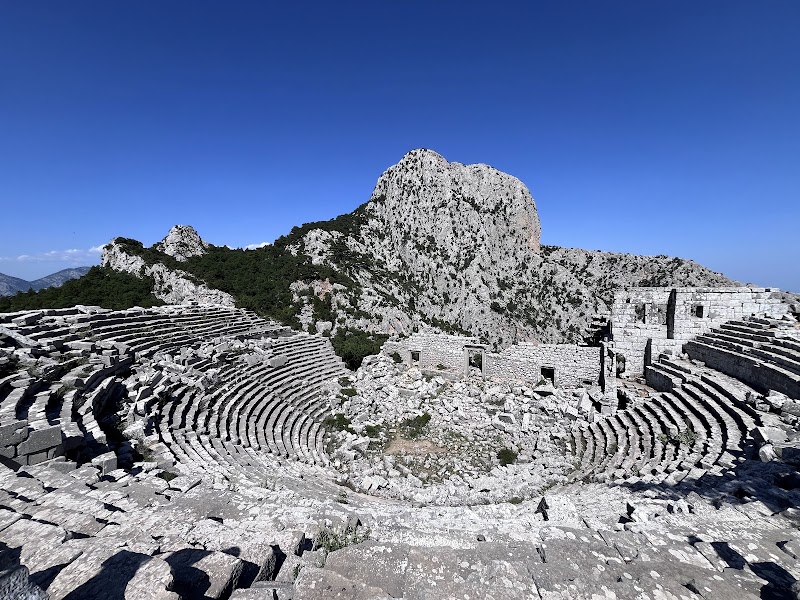
Termessos Ruins: A Mountain Citadel Worth the Climb
Termessos rewards prepared visitors with extensive ruins, rugged trails and sweeping views from a mountain setting above Türkiye’s Mediterranean coast.