Amman Citadel: Layered Ruins Above the Jordanian Capital
Ancient remains and commanding city views make this hilltop archaeological site one of Amman’s most compelling landmarks.
More photos

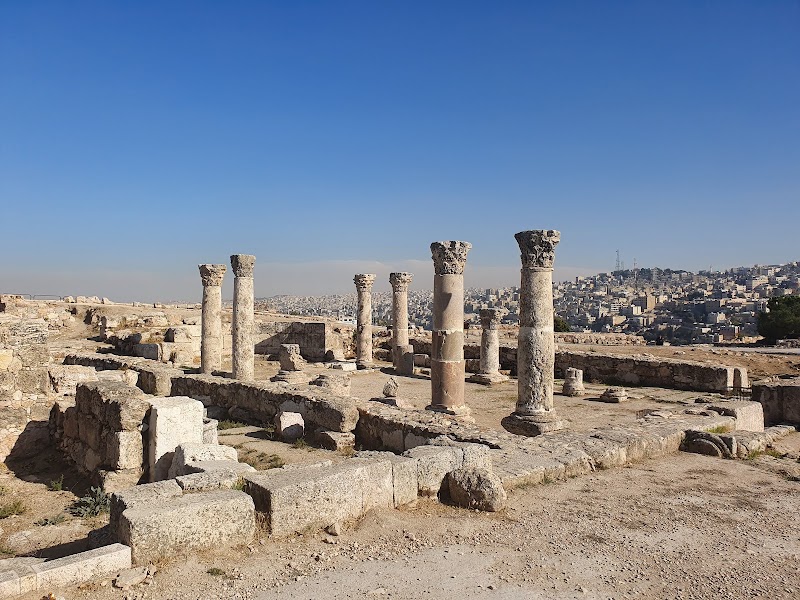
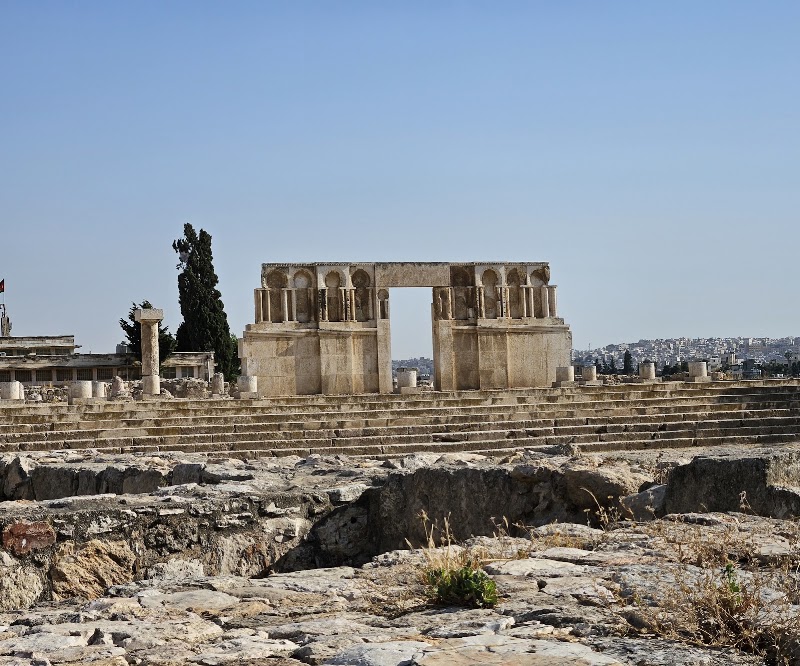
Photos published by travelers on Google, not AI generated.
What stands out
- Panoramic views across Amman
- Ruins from several civilizations
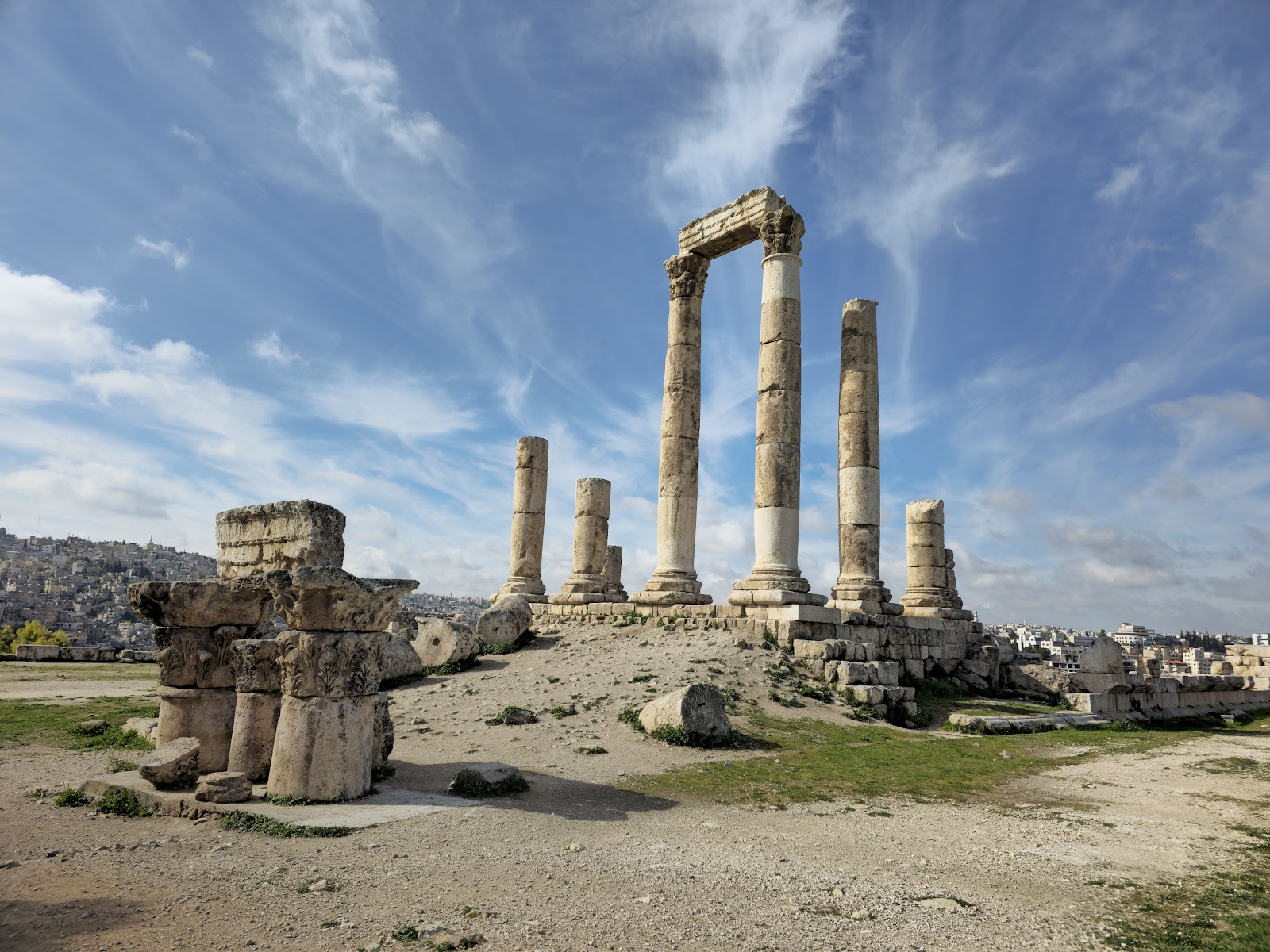
- Temple of Hercules columns
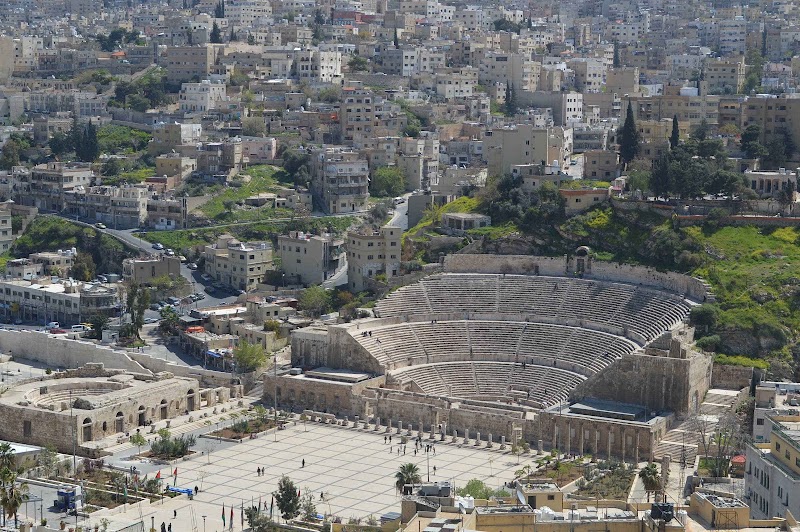
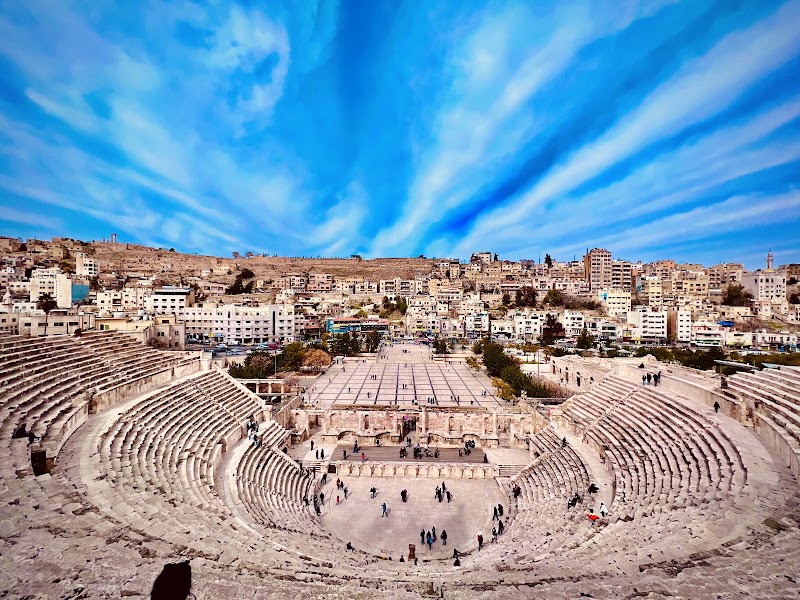
- Views of the ancient theatre
Worth knowing
- Some areas still require restoration
- Museum condition may disappoint
Don't miss
What comes up most in public reviews
- Temple of Hercules
- Panoramic city viewpoints
- View of the ancient theatre
- Ancient water-storage remains
Worth the trip?
A hilltop overview of Amman
Amman Citadel sits on Jabal al-Qal’a, a prominent hill overlooking the Jordanian capital. Public feedback is notably positive, reflected in its 4.5 Google rating from 22940 reviews. The strongest recurring theme is the panorama. Visitors describe broad views across Amman’s densely built hills, with the ancient theatre among the landmarks visible below.
The elevated setting gives the Citadel appeal even for travellers with only a passing interest in archaeology. Several reviewers suggest that the outlook alone justifies the visit. It also helps place the ruins within modern Amman, creating a clear visual link between the historic site and the city that has expanded around it.
Centuries of history in one site
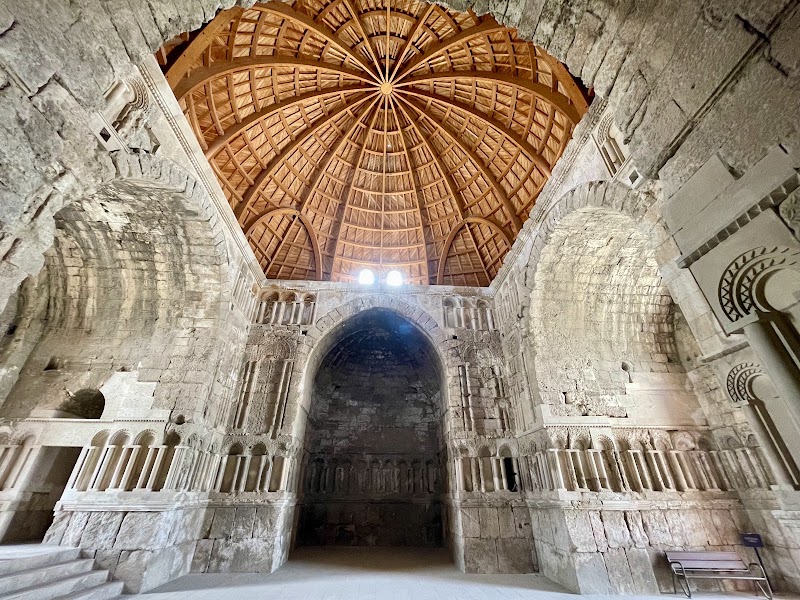
Reviewers consistently value the Citadel for the range of civilizations represented across its archaeological remains. Public accounts trace the site from the Bronze Age through Roman, Byzantine and Umayyad periods, presenting it as a compact introduction to Amman’s long and complicated history.
The Temple of Hercules is the most prominent named monument in the supplied reviews. Its surviving columns form one of the site’s defining sights, while other ruins, temples and practical structures such as water storage add context. The remains are spread across an open archaeological area rather than contained in a single building, so the experience involves walking between fragments from different eras.
Descriptions of preservation vary. Some visitors find the ruins remarkably well maintained and evocative, while others stress that much remains ruined or still requires restoration. That contrast is worth keeping in mind: the Citadel is most rewarding when treated as a layered archaeological landscape, not as a collection of fully reconstructed monuments.
How long to allow
One reviewer recommends at least 1.5 hours to see most of the site, and that is a sensible minimum based on the range of ruins and viewpoints described. Around two hours allows a less hurried circuit, including time to examine the Temple of Hercules, look over the water-storage features and pause at the city-facing viewpoints.
The terrain and open layout mean that visitors should expect to spend much of the visit walking outdoors. The panoramic perspectives are a central part of the experience, rather than a quick bonus at the entrance. Travellers interested in individual historical periods may want longer to distinguish the Roman, Byzantine and Umayyad layers.
Facilities and overall verdict
The on-site museum receives mixed attention in the supplied feedback. One reviewer considers it to be in poor condition and in need of renovation, so expectations should remain modest. The same account reports clean toilets and a clean café, although those facilities are not discussed widely enough in the sample to establish a broader consensus.
Overall, public reviews present Amman Citadel as an essential orientation point for the city: visually impressive, historically dense and manageable within part of a day. Its strongest assets are the elevated views and the chance to encounter remains from several civilizations in one place. Uneven restoration and the museum’s condition are the main reservations.
Ask anything
Looking for somewhere else?
Keep exploring around Amman
More from Jordan
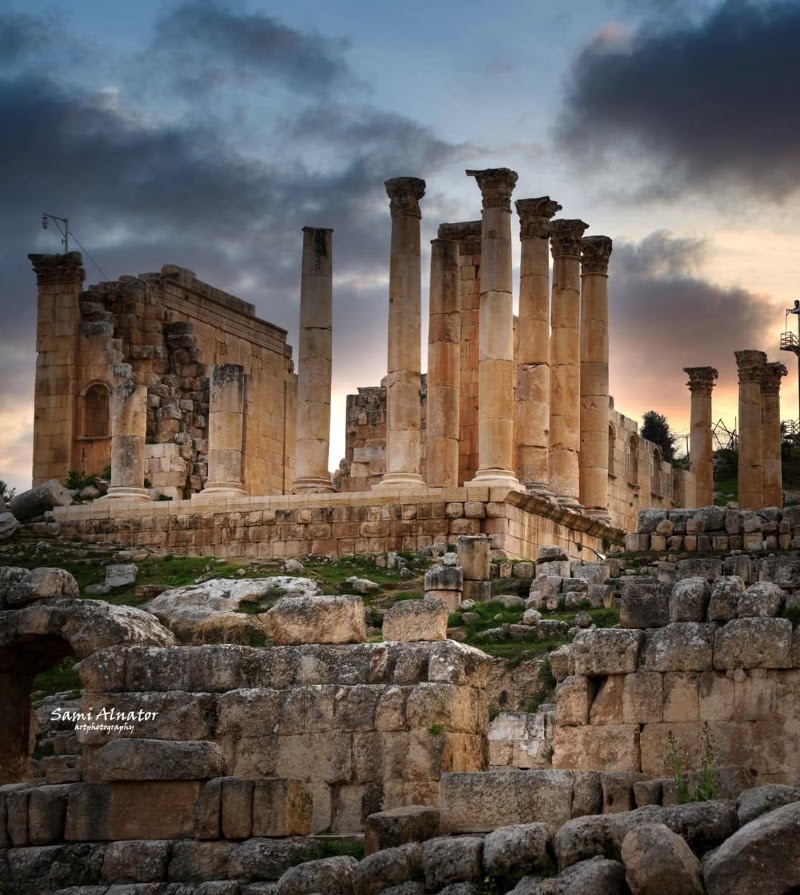
Jordan · Jarash
Temple of Zeus: Monumental Ruins Above Ancient Jerash
Massive Roman columns, layered history and broad views over Jerash make this ruined temple one of the ancient city’s most striking landmarks.

Jordan · Amman
Umayyad Palace: Amman Citadel’s Standout Landmark
A well-preserved, partly restored palace complex combining Islamic architecture, layered history and wide views across Amman.
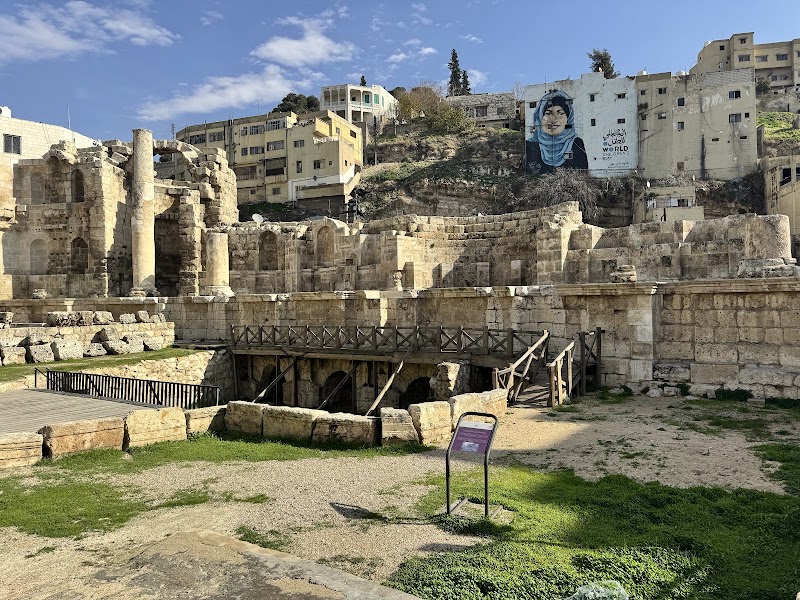
Jordan · Amman
Roman Nymphaeum: a compact stop in downtown Amman
Ancient remains and a central setting make this a worthwhile short stop, although uncertain access and the busy surroundings can affect the visit.
Jordan · Amman
The Hashemite Plaza: Amman’s Roman Theater Forecourt
A broad downtown gathering space offering gardens, casual refreshments and memorable views of Amman’s Roman Theater.