Amir Temur Mausoleum: Samarkand’s Timurid Landmark
Public reviews praise Gur-i Amir’s blue dome, ornate tilework and historical weight, though some visitors question the value of its compact interior.
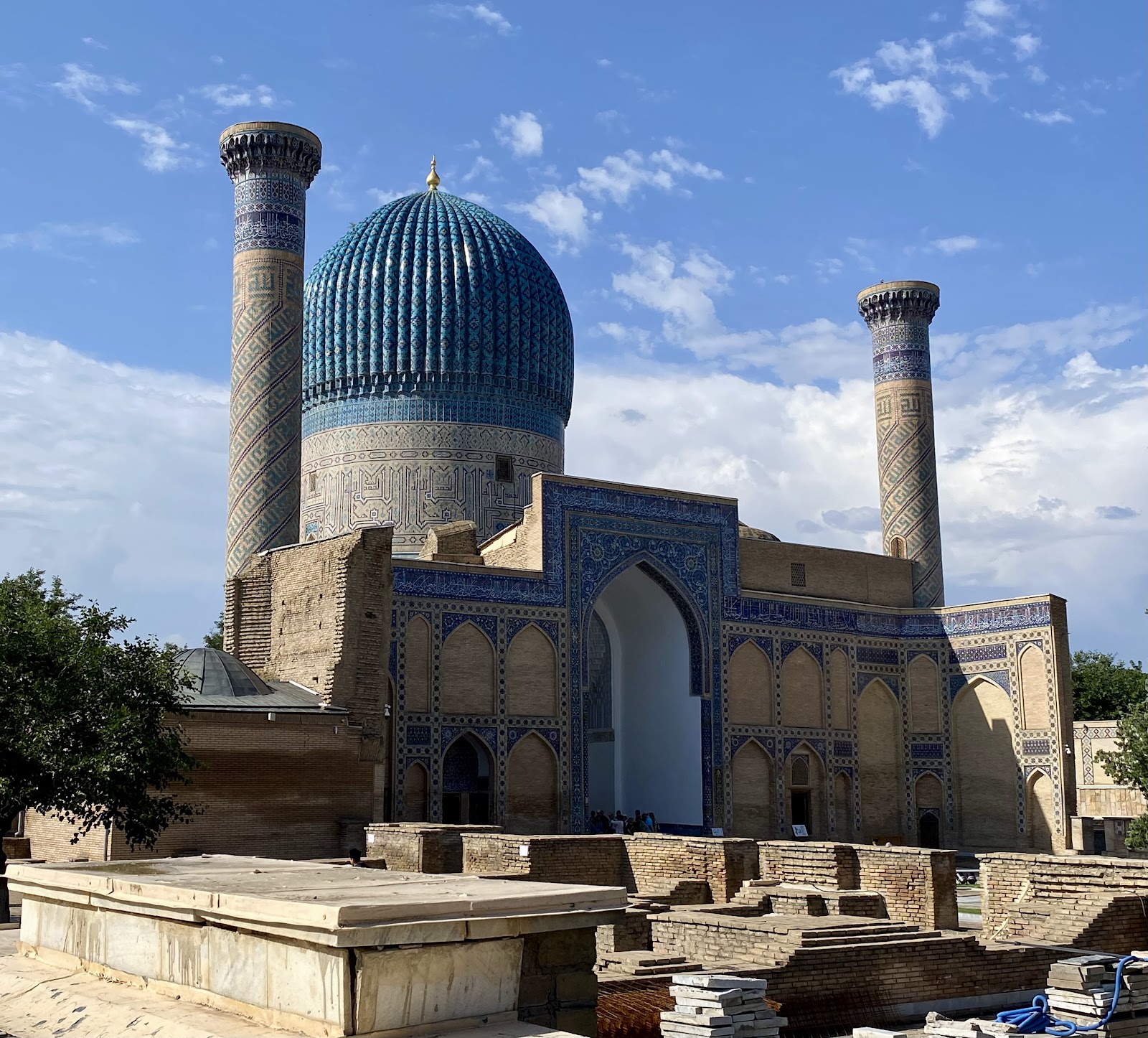
More photos
Photos published by travelers on Google, not AI generated.
What stands out
- Ribbed blue dome
- Intricate Timurid tilework
- Amir Temur’s burial chamber
- Serene historical atmosphere
Worth knowing
- Compact interior
- Some visitors question admission value
- Souvenir shops may feel repetitive
Don't miss
What comes up most in public reviews
- See the blue dome in sunlight
- Study the entrance portal and tilework
- Visit Amir Temur’s burial chamber
- Learn who else is interred at the complex
Worth the trip?
Why it matters
The Gur-i Amir Complex is the mausoleum of Amir Temur, also known as Tamerlane. One of Samarkand’s most prominent Timurid monuments, it also holds the tombs of members of his dynasty, among them his sons Shah Rukh and Miran Shah, and his grandsons Ulugh Beg and Muhammad Sultan.
That history shapes much of the public feedback. Reviewers often call the visit moving, memorable or profound, especially when Amir Temur’s story and that of the wider dynasty are clearly explained. The complex has a Google rating of 4.7 from 5910 reviews, a strong level of visitor approval, and is widely regarded as an essential historical stop in Samarkand.
Architecture and atmosphere
The exterior usually makes the strongest first impression. Public reviews return again and again to the ribbed blue dome, tall minarets, decorated entrance portal and intricate tilework. Sunlight brings out the dome’s colour. The geometric and calligraphic decoration, meanwhile, merits a closer look.
Despite the central location and steady popularity, several reviewers find the complex serene. Monumental architecture is only part of the effect. The dynastic associations give the place a reflective quality that goes beyond a quick photo stop. Maintenance also receives positive comments, with visitors noting that the site looks carefully kept.
Inside, most attention falls on the mausoleum chamber and its elaborate decoration. For visitors drawn to history, the visual richness and the knowledge of who is commemorated here form the emotional centre of the experience. A knowledgeable guide can supply useful context on Amir Temur, his descendants and the architectural legacy linked to the complex.
What public reviews reveal
The feedback is overwhelmingly positive. Praise regularly centres on the dome, tilework, atmosphere and historical depth, while visitors interested in Central Asian history or Islamic architecture are particularly likely to rank Gur-i Amir among Samarkand’s highlights.
The main complaint is about scale and perceived value. At least one reviewer considered the interior limited, describing a visit largely confined to the mausoleum room, with souvenir shops selling products similar to those available elsewhere in the city. Travellers arriving in expectation of a large museum, extensive galleries or a long visitor circuit may find the experience shorter than anticipated.
That difference in expectations helps explain why the exterior and the historical interpretation carry so much weight. Without context, the complex may seem compact. Once the people buried there and the visual language of Timurid architecture are understood, the visit feels considerably more substantial.
Planning the visit
Gur-i Amir is better approached as a focused stop than as a half-day attraction. Visitors should leave enough time to study the entrance, dome and tilework before going into the burial chamber. Those with limited time in Samarkand will need to balance it against the city’s other major monuments. Travellers with a strong interest in history, however, should put it high on the itinerary.
A guide is worth considering for anyone unfamiliar with Amir Temur’s role in the region. The architecture has immediate impact, but much of the mausoleum’s meaning comes from its dynastic context. Expectations should stay realistic. This is a compact memorial complex, and its impact rests on craftsmanship, atmosphere and historical importance rather than on the number of rooms.
Plan the rest of the trip
Ask anything
Looking for somewhere else?
Keep exploring around Samarqand
More from Uzbekistan
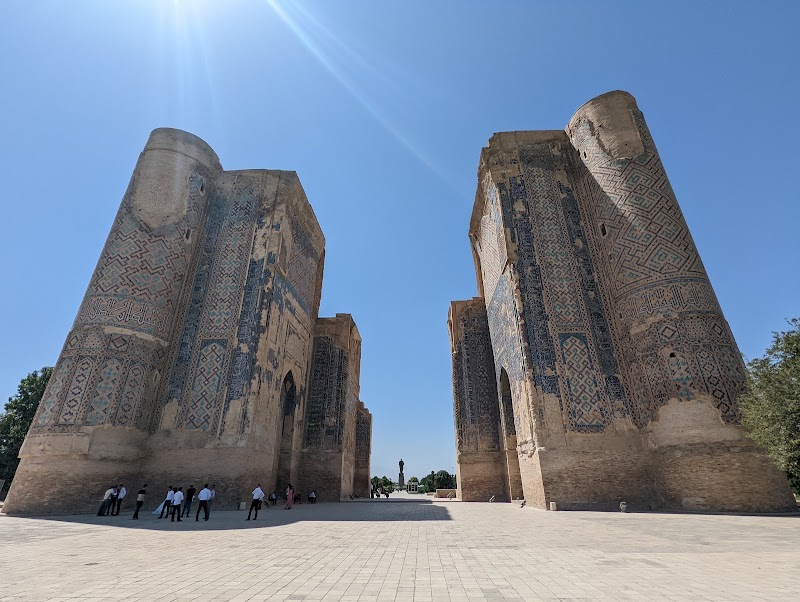
Uzbekistan · Shahrisabz
Ak-Saray Palace: Monumental Ruins in Shahrisabz
Timur’s ruined palace impresses with its towering portal and massive walls, though the journey from Samarkand divides opinion.
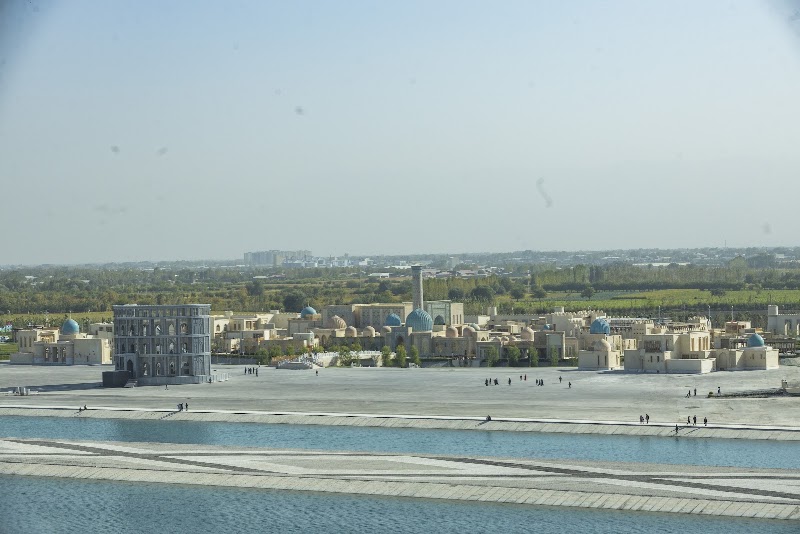
Uzbekistan · Samarqand
The Eternal City: a polished take on Silk Road Samarkand
The Eternal City is a polished Silk Road-themed ethnopark for photos, food and evening strolls, though reviews question its authenticity and convenience.
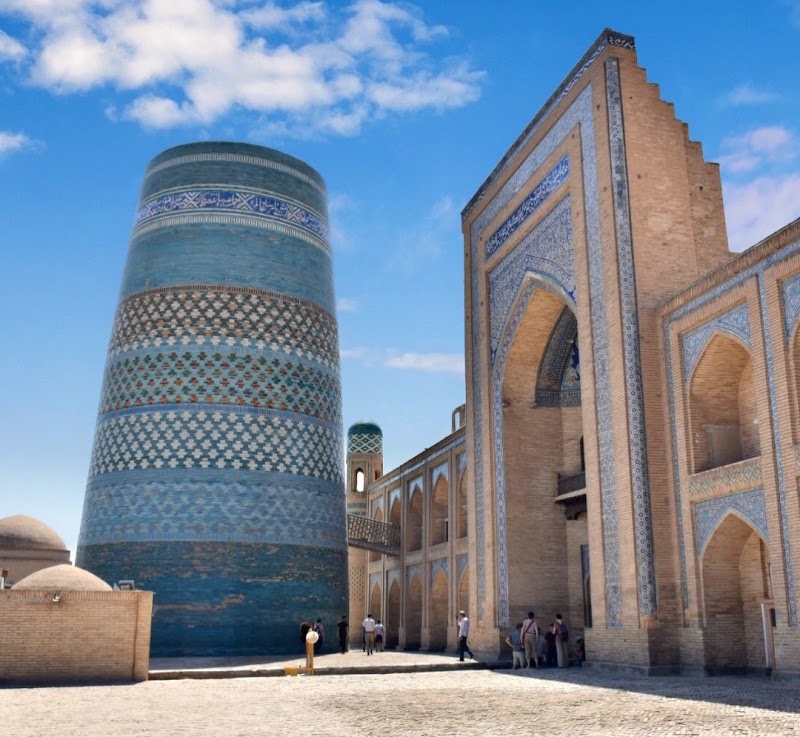
Uzbekistan · Khiva
Kalta Minor Minaret: Khiva’s Unfinished Turquoise Icon
This broad, brilliantly tiled minaret near Ichan-Qala’s western gate is one of Khiva’s most recognisable landmarks and photo stops.
Uzbekistan · Buxoro
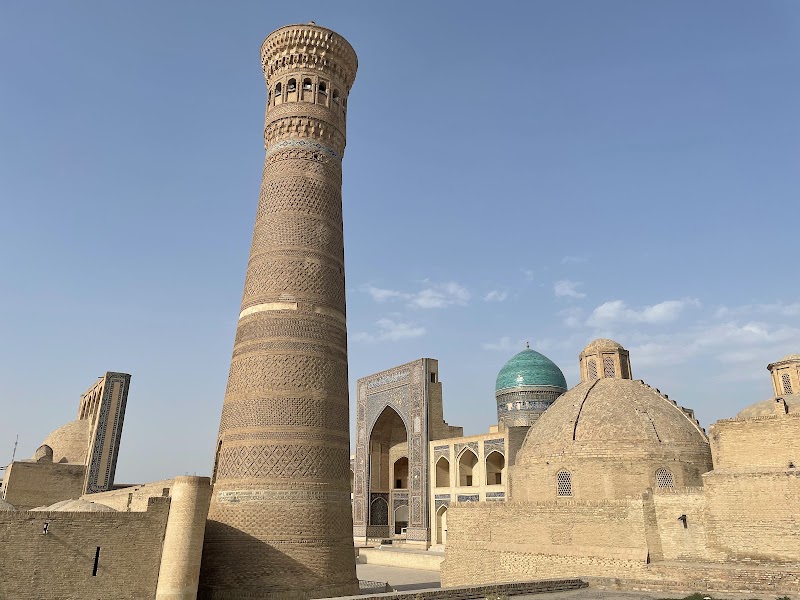
Kalan Minaret, Bukhara’s Defining Brick Landmark
Public reviews praise Kalan Minaret for its patterned brickwork, commanding presence and striking illumination after dark.